11 financial habits you can only learn from a boomer who survived the ’70s inflation
There’s a quiet kind of wisdom forged in crisis, and those who lived through the 1970s inflation carry it in every dollar they spend.
Folks who lived through the terrible inflation of the 1970s know a thing or two about making a dollar scream. These veterans learned the hard way how to survive when a paycheck suddenly buys half of what it did yesterday. Their old school wisdom is completely relevant right now to help us beat our own heavy inflation blues.
We often joke about baby boomers keeping spare change in jars, but they actually have incredibly smart financial survival skills. Adopting these tested strategies can protect your wallet from the pain of rapidly rising prices.
Track Every Single Penny You Spend

Your grandparents probably had a little notebook where they wrote down every loaf of bread and gallon of milk they bought. Keeping a strict eye on your daily spending stops money from mysteriously disappearing from your bank account. You cannot fix a leaky bucket if you do not know where the holes are located.
Today, you can use apps instead of a paper ledger, but the core principle remains the same. A study by Bango shows the average American subscriber pays for 4.5 subscription services monthly, which easily drains away their funds. Reviewing your statements regularly forces you to face your actual spending habits head-on.
Pay With Cash To Feel The Sting

Swiping a plastic card or tapping your phone feels totally painless, which is a dangerous trap. Handing over crisp green bills triggers a psychological reaction that makes you want to spend less. The older generation knew that parting with physical cash makes you question if you really need that item.
Try using the envelope method for your weekly groceries and discretionary spending to see a massive difference. Federal Reserve data from late 2025 shows that total United States credit card debt hit a staggering 1.28 trillion dollars. Sticking to paper money keeps you completely immune to those terrible interest rates.
Repair Things Instead Of Replacing Them

We live in a throwaway culture where people toss out a toaster the second it stops working perfectly. Boomers grew up learning how to sew patches, fix leaky pipes, and repair small motors to save big bucks. Learning basic maintenance extends the life of your expensive appliances by years.
YouTube tutorials make it easier than ever to channel your inner handyman and tackle home repairs safely. According to NerdWallet, in 2026, the average monthly payment for a used car is a whopping 537 dollars. Keeping your old, reliable vehicle running smoothly is significantly cheaper than taking on a massive auto loan.
Stock Up On Sale Items Immediately

When coffee or canned soup went on a deep discount back in 1978, smart shoppers bought enough to last six months. Buying nonperishable goods in bulk locks in today’s price and protects you from tomorrow’s inflation. A well-stocked pantry acts as a physical savings account that yields a fantastic return on investment.
You just need a little extra storage space under a bed or in the back of a closet to make this work. According to the Bureau of Labor Statistics in 2024, food-away-from-home prices rose by 4.5 percent over the past year. Cooking those bulk ingredients at home shields you from the sky-high costs of restaurant dining.
Grow Some Of Your Own Food

A backyard garden was basically a money-printing machine during the worst parts of the stagflation era. Even a tiny balcony tomato plant or a windowsill herb garden reduces your weekly grocery bill noticeably. Planting seeds gives you an amazing sense of independence from volatile supermarket pricing.
You do not need a giant farm to harvest fresh, delicious vegetables throughout the summer months. Digging in the dirt also serves as a cheap, productive form of stress relief after a long workday. The taste of a homegrown cucumber easily beats anything you can buy in a store.
Build A Gigantic Emergency Fund
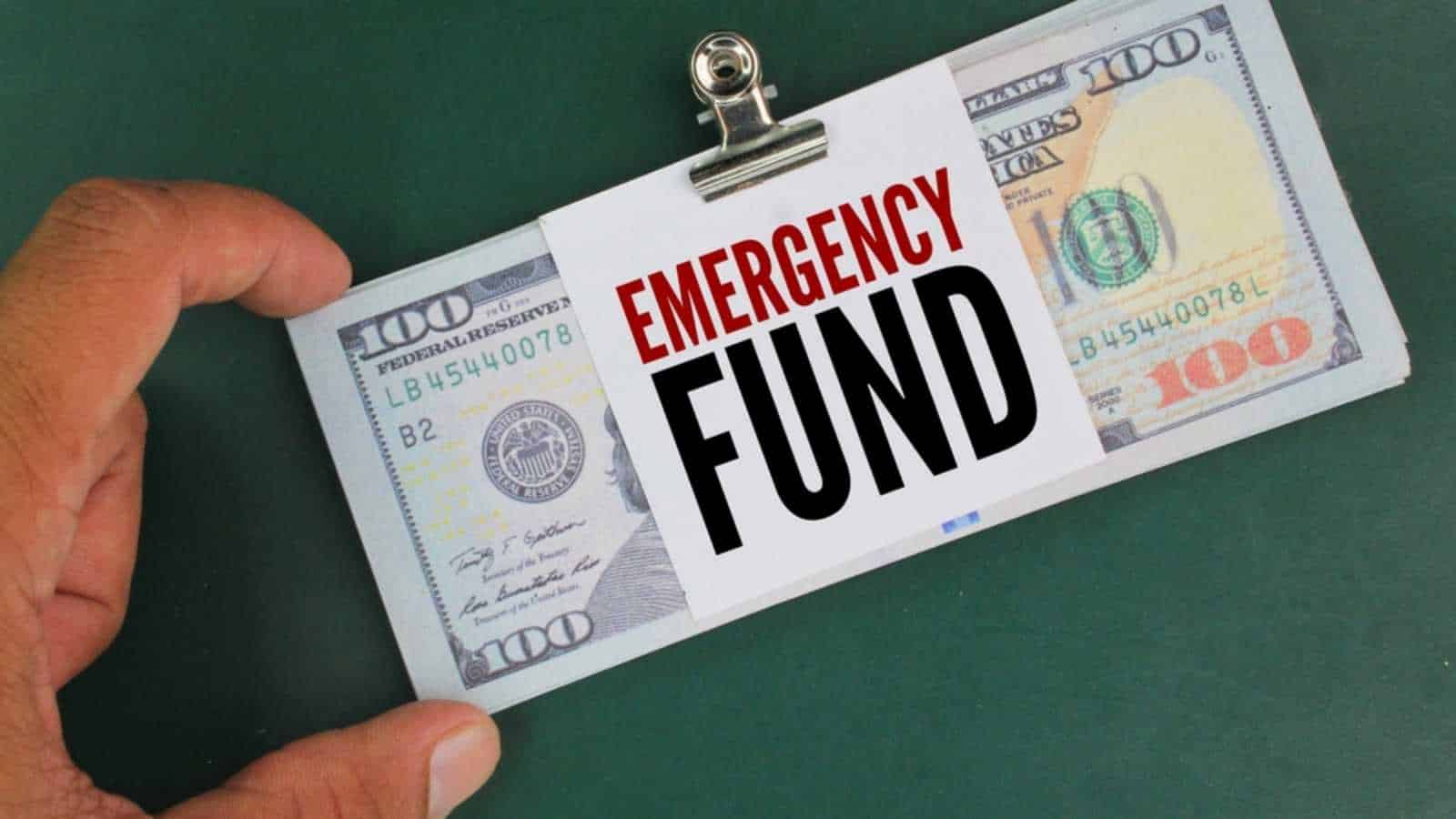
Living through mass layoffs and sudden price hikes taught the older generation to hoard cash for rainy days. You absolutely need a cushion of at least six months of living expenses sitting in a high-yield savings account. That safety net prevents a sudden medical bill from destroying your entire financial life.
Most people today are walking on a financial tightrope without a net underneath them. Bankrate’s 2026 annual emergency fund report found that 60 percent of Americans are uncomfortable with their emergency savings. Starting with small, automated weekly transfers will gradually build up your financial armor over time.
Avoid Frivolous Debt Like The Plague

Borrowing money to buy consumer goods was considered incredibly foolish fifty years ago. If you cannot afford to pay cash for a television or a vacation, you simply cannot afford it right now. Consumer debt steals your future income to pay for a fleeting moment of present joy.
Mortgage debt is one thing, but carrying balances on personal loans is a recipe for disaster. Eliminating your high-interest obligations gives you an instant, guaranteed return on your money. The peace of mind that comes from owning your belongings outright is completely priceless.
Learn To Entertain Yourself For Free

Before streaming services and expensive theme parks, families actually played board games or visited local parks for fun. Finding joy in simple, zero-cost activities protects your budget from the entertainment inflation trap. A hike in the woods or a potluck dinner with friends creates better memories than a pricey concert.
Your public library is an absolute goldmine of free books, movies, and community events just waiting to be used. Stopping the constant drain of weekend spending allows you to funnel more cash into your investments. Real fun is entirely about the people you are with, never the amount of money you drop.
Maintain A Frugal Mindset During Good Times

The folks who survived the 1970s did not suddenly start throwing money around when the economy finally recovered. Keeping your living expenses low even after you get a big raise accelerates your path to true wealth. Lifestyle creep is the silent killer of big dreams and early retirement plans.
You should celebrate your wins, but avoid upgrading your car or house just because you can secure the loan. A 2026 survey by Northwestern Mutual revealed that the average American believes they need 1.46 million dollars to retire comfortably. Stashing away those extra earnings will help you hit that massive target way ahead of schedule.
Prioritize Quality Over Cheap Bargains

It sounds completely backward, but buying the absolute cheapest item often costs you more money in the long run. Investing in a sturdy winter coat that lasts a decade beats buying a flimsy jacket every single year. Boomers understood the basic difference between being frugal and being ridiculously cheap.
You should research your purchases heavily and read reviews from verified buyers before parting with your cash. Paying a premium for solid craftsmanship is a brilliant defense mechanism against a constantly rising cost of living. You will feel a deep sense of satisfaction every time you use a well-made tool.
Ignore Keeping Up With The Joneses

Comparing your lifestyle to your neighbors will drive you straight into the poorhouse in record time. The people driving flashy cars and wearing designer clothes are often drowning in secret debt. You have to define what success looks like for your own family and ignore the outside noise entirely.
Social media makes this comparison game significantly harder than it was fifty years ago. Focusing strictly on your own financial goals brings you a deep sense of calm and clarity. At the end of the day, financial security feels way better than showing off for strangers.
Like our content? Be sure to follow us