13 reasons why dating apps are terrible for finding a relationship
Once celebrated as the future of romance, dating apps are now leaving millions disillusioned with shallow matches and endless swipes.
Dating apps were once hailed as the perfect solution for modern love, a digital cupid ready to connect hearts across the globe. And while some couples have indeed found their happily ever after through these platforms, the reality for many has been far less magical.
What was meant to simplify dating has, for a growing number of people, become a frustrating maze that leaves them questioning if it’s worth the effort at all. The swipe-right culture promises more options, but it often delivers shallower connections. Here are 13 reasons why dating apps may be doing more harm than good in the search for something real.
Too many Options can be overwhelming

Having an endless parade of profiles at your fingertips can feel like a buffet, but it often leads to analysis paralysis. With so many options, people become pickier, dismissing perfect matches because they believe someone “better” is just another swipe away. This paradox of choice keeps people always on the hunt, never quite satisfied.
This vast selection can also make one feel less appealing. Why settle when the app suggests thousands more people? It fosters a disposable attitude towards relationships, where people are viewed as interchangeable rather than as unique individuals.
Superficial judgments are common
Dating apps are heavily reliant on photos and short bios, meaning first impressions are almost entirely superficial. People make snap judgments based on looks or a few lines of text, often overlooking potentially great matches who simply don’t photograph well or have a quirky profile. This prioritizes quick attraction over deeper compatibility.
This focus on surface-level appeal can be disheartening. It encourages people to present a polished, often unrealistic, version of themselves, rather than their authentic selves. It can feel like a beauty contest, where character and personality are afterthoughts, not the main event.
Ghosting is rampant
The ease of disconnecting on dating apps has made “ghosting” an epidemic. One minute you’re having a great conversation, the next, they vanish without a trace. This sudden silence, with no explanation, can be incredibly frustrating and damaging to self-esteem.
This lack of closure can make it hard to move on, leaving you wondering what went wrong. It’s a cruel side effect of a system that makes it too easy to treat people as disposable. It erodes trust and makes people wary of putting themselves out there again.
Fear of missing out (FOMO)
Even when you find someone you genuinely like, the fear that there might be someone “better” out there always lingers. Dating apps constantly remind you of other options, creating a cycle of dissatisfaction. This FOMO prevents people from fully investing in a connection.
This mindset can turn dating into a never-ending audition. It can make you question every person you meet, wondering if you should keep swiping. It breeds anxiety and makes settling into a stable relationship seem like a missed opportunity.
Catfishing and dishonesty
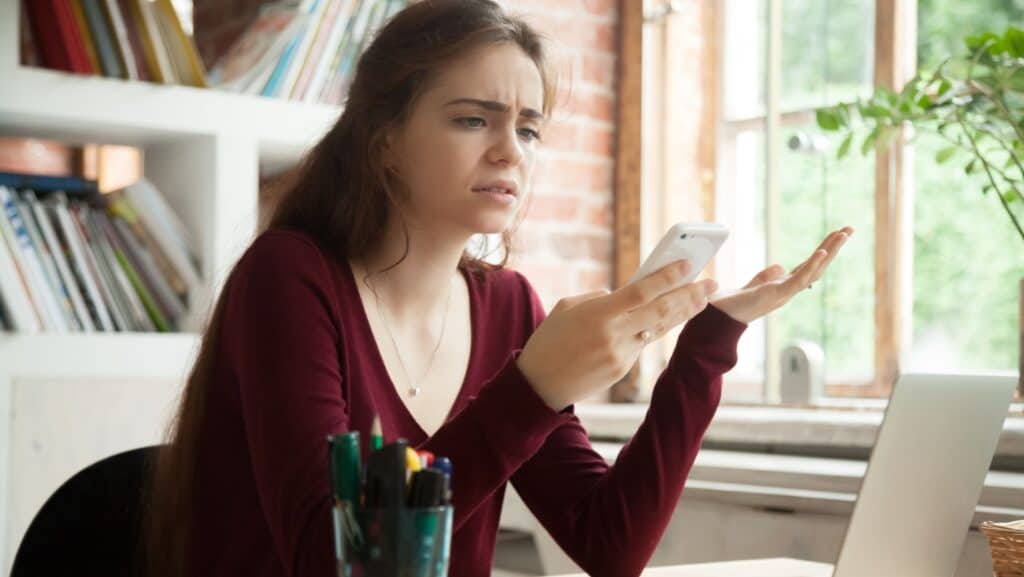
Not everyone on dating apps is who they claim to be. “Catfishing”—where someone pretends to be a completely different person—is a real and heartbreaking problem. People often lie about their age, job, income, or even use old photos to create a false persona.
According to the Federal Trade Commission (FTC), romance scams—a category of online deception that includes catfishing—resulted in $1.3 billion in losses for victims in 2022, underscoring the severe financial and emotional toll of this form of dishonesty. This dishonesty can lead to wasted time and emotional pain when the truth inevitably comes out. It forces people to approach every new connection with a level of skepticism.
High expectations, low effort
The convenience of dating apps often leads to a drop in effort. It’s easy to swipe right on hundreds of people, but it’s much harder to engage in meaningful conversations or plan thoughtful dates. This creates a lifestyle of low-investment interactions.
People often put minimal effort into their profiles or messages, expecting instant chemistry. When that doesn’t happen, they move on quickly. This can be frustrating when you’re looking for more than just a brief conversation.
The emotional toll
Constant rejection, ghosting, and superficial interactions can take a serious toll on mental health. Dating apps can lead to feelings of inadequacy, loneliness, and burnout. It can feel like a constant validation-seeking mission that often ends in disappointment.
The use of dating apps is associated with higher rates of anxiety and depression, with participants reporting lower self-esteem and decreased overall satisfaction with romantic relationships. This negative cycle can lead people to become cynical about dating in general. It chips away at self-esteem and makes it harder to trust new people.
The illusion of connection
It’s easy to spend hours chatting with someone on an app and believe you’re building a real connection. But text-based exchanges can create an illusion that rarely matches real-life chemistry. Studies show digital conversations often lack the depth and nuance of face-to-face interaction.
You may end up investing emotionally in someone, only to discover that in person, they feel completely different – often a jarring and disappointing disconnect.
Lack of diverse real-life encounters
Dating apps often trap you in an algorithmic echo chamber, showing you more of the same types of people you’ve already swiped on. This narrows your options and keeps you from meeting the variety of personalities you’d naturally encounter in real life.
By skipping organic interactions—like chatting at the grocery store, a coffee shop, or even the beach—you miss out on those unexpected sparks that come from shared, authentic experiences rather than curated profiles.
Dating app fatigue

Many users experience “dating app fatigue,” a feeling of exhaustion and cynicism from the constant swiping, matching, and messaging. It turns what should be an exciting journey into a monotonous chore. This burnout makes it more challenging to invest in new talent.
This fatigue can lead to giving up on apps altogether or approaching them with a jaded attitude. It saps the joy out of dating and makes the prospect of finding a partner feel more like a grind than an adventure.
It commodifies relationships
Dating apps often treat people like products in a catalog, reducing them to a list of traits and photos. This commodification of relationships can make dating feel cold and transactional, stripping it of genuine human connection and the joy of discovery.
You’re constantly “shopping” for a partner, which can lead to focusing on superficial criteria rather than deeper compatibility. This mindset makes it harder to appreciate people for who they truly are, rather than what they “offer.”
Pressure to be “on” always
There’s always a present pressure to be witty, charming, and engaging in every message. This can be exhausting, especially when you’re juggling multiple conversations at once. It feels like a performance, rather than an authentic interaction.
This constant “performance anxiety” can prevent genuine connections from forming. It’s hard to relax and be yourself when you feel like you’re always auditioning for a role, not just having a chat.
Security and safety concerns
Meeting strangers online can raise legitimate safety concerns. While apps have some features designed to enhance security, there’s always a risk. People can misrepresent themselves or have malicious intentions, which can lead to uncomfortable or dangerous situations.
This worry can overshadow the excitement of a new connection. It means being extra cautious, telling friends where you’re going, and meeting in public places, which adds a layer of stress to the dating experience.
Key Takeaway
While dating apps offer convenience and access to a broad pool of potential partners, their structure can inadvertently create obstacles to finding meaningful, lasting relationships. The emphasis on superficiality, the prevalence of ghosting, and the emotional toll of constant rejection often outweigh the benefits for those seeking more than just a casual connection.
15 Things Women Only Do With the Men They Love

The 15 Things Women Only Do With the Men They Love
Love is a complex, beautiful emotion that inspires profound behaviors. We express our love in various ways, some universal, while others are unique to each individual. Among these expressions, there are specific actions women often reserve for the men they deeply love.
This piece explores 15 unique gestures women make when they’re in love. From tiny, almost invisible actions to grand declarations, each tells a story of deep affection and unwavering commitment.