5 Must-Try Root Vegetables for Boosting Eye Health
We often think about protecting our skin from the sun or keeping our hearts healthy, but how often do we consider the health of our eyes? Good vision is something many of us take for granted until it starts to decline. The great news is that simple dietary choices can make a significant difference in preserving your sight for years to come.
Your diet plays an essential role in maintaining eye health. Nutrients like vitamins A, C, and E, along with antioxidants like lutein and zeaxanthin, are vital for protecting your eyes from damage and age-related conditions. In fact, a study published in PubMed Central shows that a diet rich in these nutrients can lower the risk of developing conditions such as macular degeneration and cataracts.
Carrots

It’s the classic advice for a reason: carrots are fantastic for your eyes. They are famous for their high content of beta-carotene, a compound that the body converts into vitamin A. Vitamin A is a critical component of rhodopsin, a protein in your eyes that allows you to see in low-light conditions.
A deficiency in vitamin A can lead to night blindness and other serious eye conditions. According to the American Sports & Fitness Association, just one medium carrot can provide more than 200% of your daily recommended intake of vitamin A.
Adding carrots to your salads, stews, or simply snacking on them raw is an easy and effective way to support your eyesight.
Sweet Potatoes

Sweet potatoes are another excellent source of beta-carotene. With their vibrant orange flesh, they offer a delicious and versatile way to get your dose of eye-healthy nutrients. Similar to carrots, the beta-carotene in sweet potatoes is converted to vitamin A, which helps prevent dry eyes and night blindness.
Beyond vitamin A, sweet potatoes also contain a good amount of vitamin C and vitamin E. Both are powerful antioxidants that help protect your eyes from free radicals—unstable molecules that can damage cells and contribute to the development of cataracts and age-related macular degeneration (AMD). AMD is a leading cause of vision loss in people over 50, so incorporating foods like sweet potatoes is a proactive step toward long-term eye health.
Beets
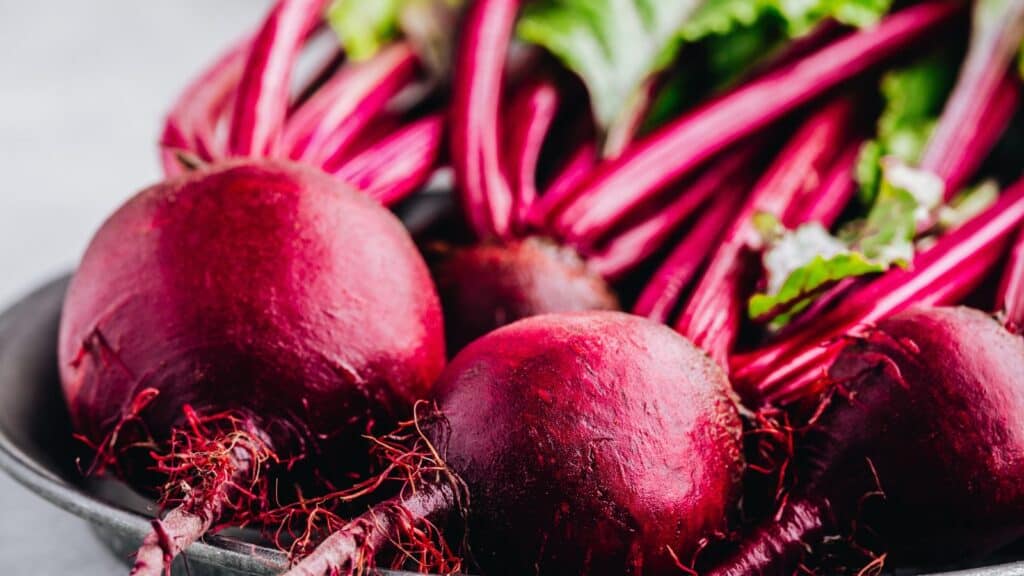
Beets are unique for their rich content of lutein and zeaxanthin. These two carotenoids are concentrated in the macula, the central part of the retina responsible for sharp, detailed central vision. Think of them as internal sunglasses for your eyes, as they help filter out harmful high-energy blue light waves.
A study published in the journal JAMA Ophthalmology has shown that a higher intake of lutein and zeaxanthin is associated with a significantly lower risk of chronic eye diseases.
Roasting beets brings out their natural sweetness, making them a tasty addition to any meal.
Turnips

Often overlooked, turnips are a humble root vegetable with impressive benefits for your eyes. They are packed with vitamin C, an antioxidant that plays a key role in maintaining the health of the blood vessels in your eyes. Strong, healthy blood vessels ensure a steady supply of oxygen and nutrients to every part of the eye.
Sufficient vitamin C intake has been linked to a reduced risk of developing cataracts. A single cup of raw, cubed turnips contains nearly half of the recommended daily intake of vitamin C. Their slightly peppery flavor works well in soups, mashes, or roasted alongside other root vegetables, offering a simple way to fortify your ocular health.
Parsnips

Parsnips, which look like pale carrots, are another valuable root vegetable for maintaining good vision. They are a good source of several important nutrients, including vitamin C, vitamin E, and folate. Like in other vegetables, the antioxidants vitamin C and E help combat cellular damage from free radicals.
Additionally, the folate in parsnips supports overall cardiovascular health, which is directly linked to eye health. The tiny blood vessels in your eyes rely on a healthy circulatory system to function properly. By supporting your heart and blood vessels, you are also supporting the intricate systems that allow for clear vision. Roasting parsnips enhances their sweet, nutty flavor, making them a delicious and nutritious side dish.
Nourish Your Vision from the Ground Up

Taking care of your eyes doesn’t have to be complicated. By incorporating these five nutrient-dense root vegetables into your regular diet, you can provide your eyes with the essential vitamins and antioxidants they need to stay healthy. From carrots and sweet potatoes to beets, turnips, and parsnips, nature offers a powerful and delicious way to protect your precious sight.
6 tips for successful weight loss for women in 2025

6 Tips For Successful Weight Loss For Women in 2025
Successful weight loss for women often calls for an individualized approach, taking into consideration the unique physiological, psychological, and lifestyle factors that influence a woman’s weight. It’s not just about adopting a generic calorie-restricted diet or a strenuous exercise regime. Instead, it encompasses a holistic view of health, including balanced nutrition, regular physical activity, adequate sleep, and stress management.
In this article, we will walk you through a step-by-step guide to help you on your fitness journey and discuss how Ozempic may benefit your weight loss routine.
Why Supersonic Flights Vanished From Our Skies

Why Supersonic Flights Vanished From Our Skies
Every year on August 19th, National Aviation Day celebrates the marvels of flight and the pioneers who made it possible. But as we look to the skies, one question lingers. If we could fly from New York to London in under three and a half hours back in the 1970s, why are we still taking nearly seven today? Supersonic travel was once a thrilling reality. So, what grounded it?