Battling PCOS? Discover the 15 Best Foods for a Healthier, Balanced Life
Polycystic Ovary Syndrome, or PCOS, is a common hormonal condition affecting millions of women worldwide. It’s estimated to impact between 6% and 12% of women of reproductive age in the United States alone—that’s as many as 5 million women, according to the National Institutes of Health. Globally, the numbers are just as significant, making it one of the most prevalent endocrine disorders among this demographic.
PCOS can disrupt a woman’s life in many ways, causing irregular menstrual cycles, fertility challenges, weight gain, acne, and excess hair growth. At its core, the condition is often linked to insulin resistance, where the body’s cells don’t respond effectively to insulin. This can lead to higher insulin levels, which in turn can cause the ovaries to produce more androgens (male hormones), contributing to the cascade of symptoms.
While there is no cure for PCOS, managing the condition is very achievable. Lifestyle changes, particularly diet, play an important role. Adopting a PCOS-friendly diet can help regulate blood sugar, reduce inflammation, balance hormones, and improve overall well-being.
Here are 15 of the best foods to incorporate into your diet to help you live a healthier, more balanced life with PCOS.
Leafy Greens (Spinach, Kale)

Packed with vitamins, minerals, and fiber, leafy greens like spinach and kale have a low glycemic index, which means they won’t spike your blood sugar. They are also rich in B vitamins, which are vital for hormone regulation and energy metabolism.
Berries (Blueberries, Strawberries)
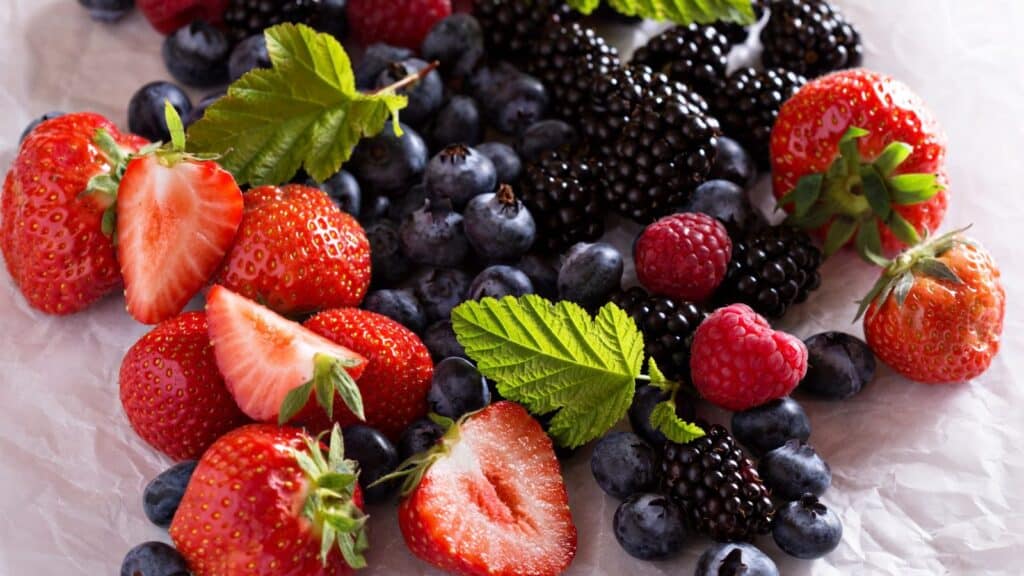
Berries are loaded with antioxidants and fiber. Their natural sweetness can satisfy a sugar craving without the dramatic blood sugar increase associated with processed sweets. Antioxidants help combat inflammation, a common issue in women with PCOS.
Fatty Fish (Salmon, Mackerel)

Rich in omega-3 fatty acids, fish like salmon and mackerel are excellent for reducing inflammation and improving insulin sensitivity. Omega-3s also support cardiovascular health, which is important as women with PCOS are at a higher risk for heart-related issues.
Cruciferous Vegetables (Broccoli, Cauliflower)

Broccoli and cauliflower are high in fiber, which aids digestion and helps you feel full longer. They also contain compounds that can help the body process estrogen more effectively, contributing to better hormonal balance.
Quinoa

This whole grain is a complete protein, meaning it contains all nine essential amino acids. Its high fiber and protein content help stabilize blood sugar levels, making it a fantastic alternative to refined carbohydrates like white rice or pasta.
Avocados

A great source of healthy monounsaturated fats, avocados help improve insulin sensitivity and keep you satiated. They are also packed with fiber, potassium, and vitamins that support overall health.
Nuts and Seeds (Almonds, Walnuts, Chia Seeds)

These are nutritional powerhouses. Almonds, walnuts, and chia seeds provide healthy fats, fiber, and protein. Walnuts, in particular, are a good plant-based source of omega-3s. A handful makes for a perfect, blood-sugar-stabilizing snack.
Legumes (Lentils, Chickpeas)

Lentils and chickpeas are excellent plant-based sources of protein and fiber. They are low on the glycemic index and can help manage blood sugar and insulin levels while providing sustained energy.
Cinnamon

This simple spice can have a significant impact. Studies suggest that cinnamon can improve insulin sensitivity and may help regulate menstrual cycles in women with PCOS. Sprinkle it on oatmeal, yogurt, or in your coffee.
Sweet Potatoes

A better choice than their white counterparts, sweet potatoes have a lower glycemic index and are rich in fiber and vitamin A, according to Healthline. They provide a slow release of energy, preventing sharp spikes in blood sugar.
Bell Peppers

Colorful and crunchy, bell peppers are high in vitamin C and antioxidants. They add flavor and nutrients to meals without adding many calories or carbohydrates, making them ideal for weight management.
Lean Protein (Chicken, Turkey)

Including lean protein sources in your meals helps with satiety, which can prevent overeating and support weight management. Protein also has a minimal effect on blood sugar levels.
Greek Yogurt (Unsweetened)

A fantastic source of protein and probiotics, Greek yogurt supports gut health, which is increasingly linked to hormonal balance. Opt for plain, unsweetened varieties to avoid added sugars and manage insulin levels.
Olive Oil

Cleveland Clinic reports that extra-virgin olive oil is rich in monounsaturated fats and antioxidants that help fight inflammation. Use it as your primary cooking oil or in salad dressings to reap its benefits.
Dark Chocolate (in moderation)

Yes, you can have chocolate! Dark chocolate with a high cocoa content (70% or more) is rich in antioxidants and can help reduce insulin resistance. A small square can be a satisfying, health-supportive treat.
Actionable Tips for Your PCOS Diet

Incorporating these foods doesn’t have to be complicated. Here are a few simple ways to get started:
- Build a Balanced Plate: Aim for each meal to include a source of lean protein, healthy fat, and high-fiber carbohydrates (like vegetables or whole grains).
- Snack Smart: Instead of reaching for processed snacks, try a handful of almonds, an apple with nut butter, or Greek yogurt with berries.
- Plan Your Meals: A little planning can help you make healthier choices throughout the week. Prep some quinoa, chop veggies, and grill chicken breasts ahead of time.
Managing PCOS is a journey, and diet is a key part of the map. Always consult with your doctor or a registered dietitian to create a plan tailored to your specific needs and health goals. With the right dietary changes and support, you can effectively manage your symptoms and lead a vibrant, balanced life.
6 tips for successful weight loss for women in 2025

6 Tips For Successful Weight Loss For Women in 2025
Successful weight loss for women often calls for an individualized approach, taking into consideration the unique physiological, psychological, and lifestyle factors that influence a woman’s weight. It’s not just about adopting a generic calorie-restricted diet or a strenuous exercise regime. Instead, it encompasses a holistic view of health, including balanced nutrition, regular physical activity, adequate sleep, and stress management.
In this article, we will walk you through a step-by-step guide to help you on your fitness journey and discuss how Ozempic may benefit your weight loss routine.
Why Supersonic Flights Vanished From Our Skies

Why Supersonic Flights Vanished From Our Skies
Every year on August 19th, National Aviation Day celebrates the marvels of flight and the pioneers who made it possible. But as we look to the skies, one question lingers. If we could fly from New York to London in under three and a half hours back in the 1970s, why are we still taking nearly seven today? Supersonic travel was once a thrilling reality. So, what grounded it?