11 brutal truths about moving to the suburbs in 2026: is it still the American dream?
Moving to the suburbs sounds like a dream until you realize how much of your time, money, and freedom it quietly takes from you.
Moving out of the city used to be the ultimate finish line for families looking for a slice of peace. Everyone bought into the idea that buying a house with a yard was the absolute peak of success. But things look incredibly different now that we are well into 2026.
Leaving the urban grind behind sounds wonderful until you realize what you are actually giving up. Many folks end up scratching their heads and wondering if they made a massive mistake. Let us take a hard look at what to expect before you pack up the moving truck.
Commutes Are Eating Your Free Time

Driving back and forth to the office is stealing hours of your precious life. Traffic jams are thicker than ever, turning a quick drive into a daily nightmare. In fact, recent data from the Census Bureau shows the national average commute hit 27.2 minutes each way in 2024.
That means you are spending almost an hour a day just staring at the bumper in front of you. You suddenly have less time for your kids, hobbies, or just relaxing on the couch. It feels like you traded a short walk to the subway for a part-time job as a driver.
Housing Costs Are Surprisingly High

Finding an affordable place outside the city limits feels like searching for a needle in a haystack. Bidding wars are still happening, and the asking prices will make your jaw drop. The latest outstanding mortgage report from Realtor.com in 2026 revealed that the average monthly payment topped $2,000.
You might get more square footage, but your bank account will definitely feel the squeeze. Every extra bedroom comes with a hefty price tag that cuts into your fun money. Many buyers feel totally house poor right after signing the closing documents.
Childcare Deserts Are A Real Problem

Finding someone to watch your kids can become a massive headache once you leave the city. Daycare centers are fully booked, and the waitlists stretch on for months. According to a report from the Center for American Progress, 51 percent of suburban communities are classified as childcare deserts.
Working parents often find themselves scrambling to piece together babysitters or asking relatives for favors. The lack of options forces some parents to step back from their careers entirely. It is a stressful puzzle that catches many young families completely off guard.
Social Isolation Creeps Up Quickly

Living further apart from your neighbors means spontaneous hangouts happen a lot less frequently. You might go days without having a real conversation with anyone outside your house. Gallup data gathered by researchers in late 2024 showed that about 20% of Americans deal with loneliness sometimes or all the time.
The vibrant energy of city life gets replaced by eerily quiet sidewalks. Making new friends as an adult is tough enough without the added distance. It takes serious effort to build a social circle when everyone stays hidden indoors.
Home Maintenance Is A Second Job
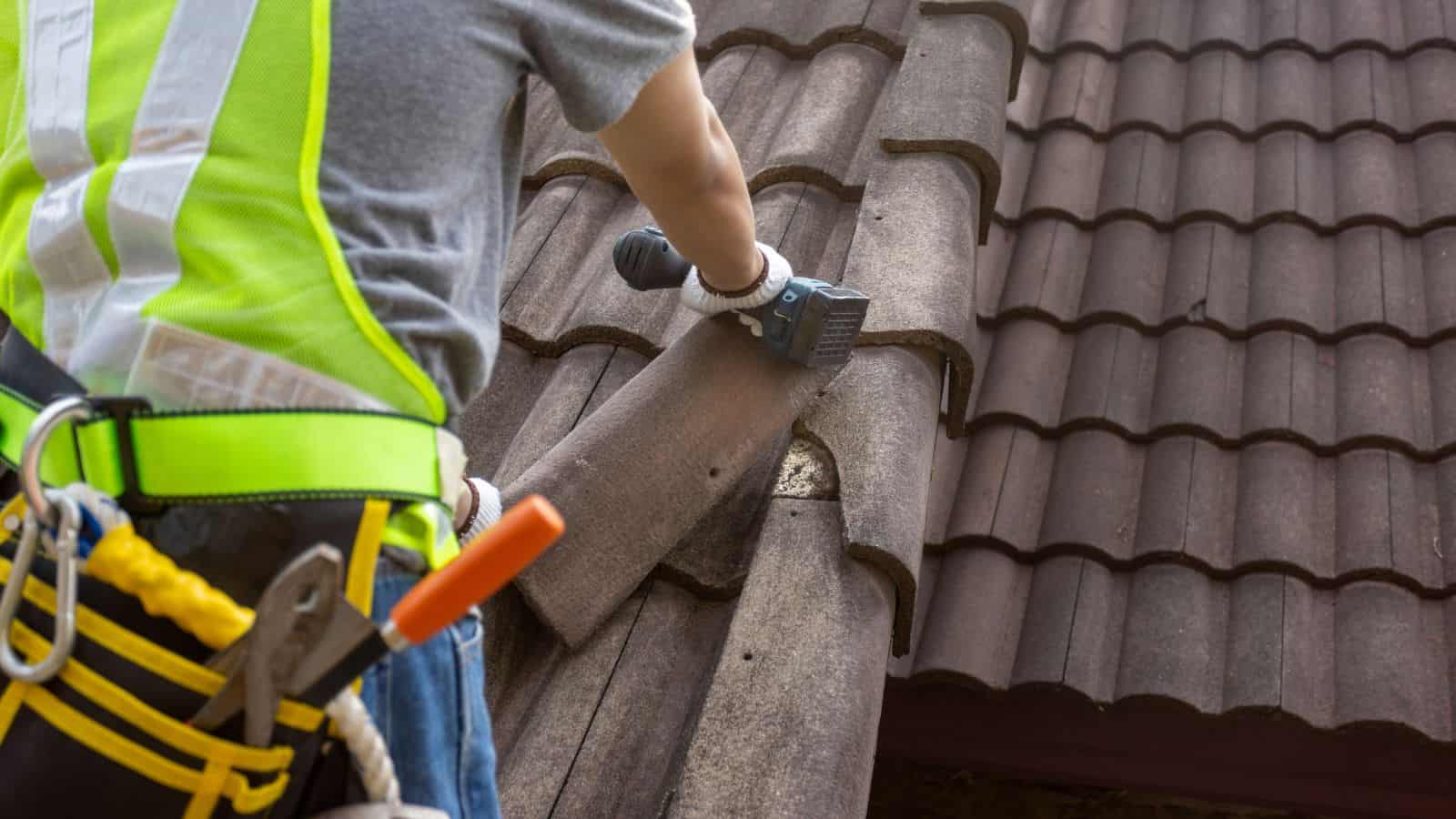
Taking care of a standalone property requires an endless amount of elbow grease. Something is always broken, leaking, or desperately begging for a fresh coat of paint. According to recent Reviews.com data from late 2025, households spent an average of $2,458 on routine maintenance plus another $2,321 on emergency repairs.
Those weekend projects pile up fast and drain your savings before you know it. You will spend your Saturdays fixing gutters instead of hitting the local brunch spots. The novelty of having your own yard wears off the second you have to mow it.
Public Transit Options Are Lacking

Trying to get around without a car is basically impossible in most residential neighborhoods. Bus stops are practically nonexistent, and trains are few and far between. You become entirely dependent on your personal vehicle for every single errand.
This lack of infrastructure means you are constantly playing chauffeur for your entire family. Kids cannot just hop on a subway to meet their friends at the movies. Gas station visits become a regular part of your weekly budget and routine.
Property Taxes Keep Going Up

Buying the house is only the first part of your financial commitment. Local governments constantly reassess home values, which drives up your annual tax bill. According to The MortgagePoint data from 2026, the average property tax on a single-family home rose to $4,427 last year.
These hidden costs make budgeting incredibly difficult for first-time buyers. You might think your mortgage payment is locked in, but taxes will always throw a curveball. Many homeowners feel like they are renting their own land from the county.
Diversity Can Be Hard To Find

Moving away from metropolitan hubs often means leaving behind a rich mix of cultures. The restaurant scene usually shrinks down to chain diners and basic fast food. You miss out on the incredible variety of festivals, art, and international communities.
Finding specialized grocery stores or authentic cuisine requires a long drive back into town. Kids growing up in these bubbles miss out on experiencing different walks of life daily. It is a massive adjustment if you are used to a colorful, global neighborhood.
Walkability Is Practically Nonexistent

Stepping out your front door for a quick coffee run is a thing of the past. You have to grab your keys and start the engine just to buy a carton of milk. Sidewalks often end abruptly, leaving pedestrians to brave the side of a busy road.
The simple joy of an evening stroll to a nearby pub gets replaced by cul-de-sac loops. This car-centric lifestyle takes a hidden toll on your physical health and daily step count. You truly realize how much you miss corner stores once they are gone.
Local Politics Will Drain Your Energy

Small-town dynamics bring a whole new level of drama to your doorstep. Homeowner associations rule their blocks with an iron fist and ridiculous regulations. You will find yourself arguing over fence heights and trash can placements at Tuesday night meetings.
The gossip mill runs faster than you could ever imagine in a tight-knit community. Getting a permit for a simple deck can turn into a months-long political battle. It is exhausting to manage the petty grievances of people who have too much free time.
The Dream Looks Different Now

The classic picture of white picket fences just does not match reality anymore. People are realizing that more space does not automatically equal more happiness. The trade-offs are significant, and the financial pressures are heavier than they were decades ago.
You have to weigh what truly matters to your family before signing a thirty-year loan. Sometimes, the convenience of city living easily outweighs having a private driveway. It is completely okay to admit that the traditional path is not the right fit for you.
Like our content? Be sure to follow us