12 things Americans keep buying that are a complete waste of money
Americans do not need another lecture about avocado toast; they need to stop paying premium prices for things that deliver little or nothing. The average U.S. household spent $78,535 in 2024, or about $6,545 a month, while a 2026 subscription survey found that respondents lost an average of $26.79 every month to services they did not use.
The encouraging trend? Shoppers now hold onto phones longer, buy more store-brand products, and drive growth in secondhand fashion, proving that cutting waste does not require a joyless life. I pulled together 12 common purchases that quietly chew through American budgets, plus a smarter swap for each.
Bottled water for everyday use

Americans consumed 16.4 billion gallons of bottled water in 2024, and producers collected $28.2 billion in revenue, according to Beverage Marketing Corporation. Per-person consumption reached 47.3 gallons, and the industry expects that number to approach 52 gallons by 2029. That growth makes sense during travel, emergencies, boil-water notices, or visits to places with unsafe tap water, but routine cases of half-liter bottles often sell convenience wrapped in plastic rather than meaningfully better hydration.
A reusable bottle and a basic filter usually beat a weekly case on cost for households that can safely drink their tap water. My rule feels simple: buy bottled water when the situation demands portability or safety, not because a mountain appeared on the label and whispered “premium purity.” Before stocking the cart, ask one question: Am I paying for water, or am I paying someone to bottle, brand, ship, chill, and advertise it?
Subscriptions nobody opens

A 2026 Self Financial survey of 1,272 U.S. adults found that 59.9% of respondents carried at least one paid subscription they had not used during the previous 30 days. Respondents reported an average of 2.6 unused subscriptions and wasted $26.79 per month, totaling more than $321 per year. Streaming services, delivery memberships, dating apps, fitness platforms, cloud storage, and premium software all rely on the same financial superpower: your ability to forget a $7.99 charge.
Run a subscription audit every three months and cancel anything that failed to earn its fee. Keep the services you use weekly, rotate entertainment platforms instead of collecting them like digital houseplants, and set a calendar reminder before free trials renew. Why pay twelve companies for “unlimited access” when your actual free time barely supports two?
Food delivery app markups

Food delivery apps can turn a modest dinner into a tiny financial emergency. A 2025 LendingTree analysis across five restaurant chains and the 10 largest U.S. cities found that delivery cost 79.5% more than pickup on average, adding $9.30 per order; roughly 40% of Americans said they ordered delivery at least weekly. Matt Schulz of LendingTree called the findings a potential “wake-up call,” which sounds polite for “your $12 meal just put on a $20 costume.”
Delivery still earns its price when illness, disability, caregiving, bad weather, or a brutal schedule makes pickup unrealistic. For routine orders, compare the app total with the restaurant’s direct website, choose pickup, or keep one easy freezer meal at home for nights when cooking feels personally offensive. Two weekly orders with a $9.30 premium can drain roughly $967 a year, and that total does not even count the mysterious moment when fries become a necessary side quest.
Lottery tickets as a plan
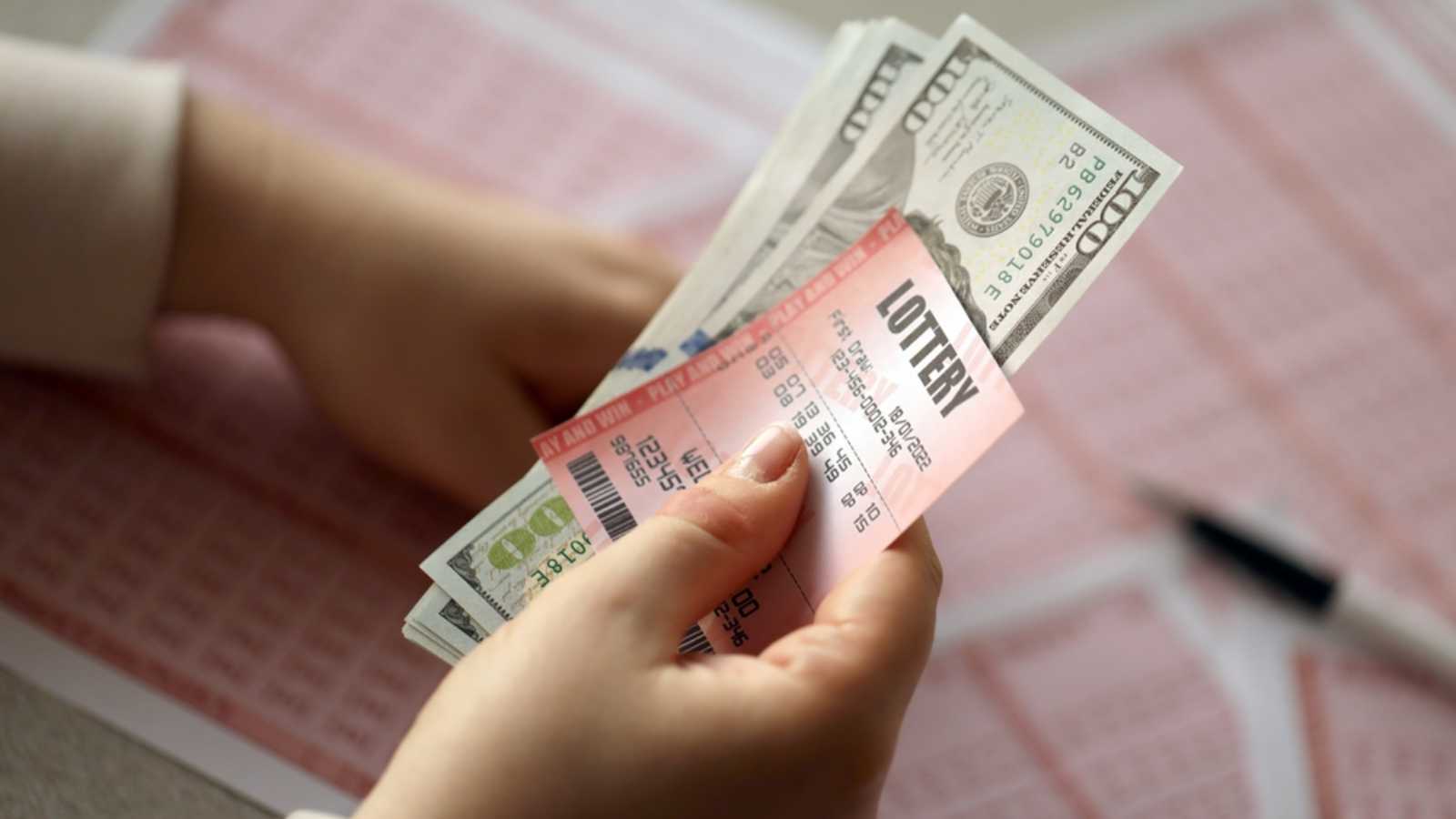
The U.S. Census Bureau reports that state lottery ticket sales nearly doubled from $52.8 billion in 2008 to $104.7 billion in 2024. States paid $70.2 billion in prizes during fiscal 2024, which means ticket buyers collectively sent far more money into the system than they received back. A few dollars for entertainment will not wreck most budgets, but weekly scratchers and jackpot chasing can quietly become a recurring expense disguised as optimism.
Treat a lottery ticket like a movie ticket, not an investment strategy. Set a small entertainment limit, never chase losses, and move the same amount into savings if you actually want better odds of keeping the money. Ever notice how every gas station displays the jackpot in giant glowing numbers but never advertises your chance of leaving with exactly $0?
Extended warranties on everything
Retailers love extended warranties because fear sells beautifully at checkout. Consumer Reports says its past surveys found that car owners typically paid more for extended coverage than they received in direct benefits, and money expert Dave Ramsey told the publication that “extended warranties are overpriced.” Manufacturer warranties and retailer return windows may also cover early failures, so that an extra plan can duplicate protection you already have.
Skip the plan when you can comfortably replace or repair the item, and put the warranty price into an emergency fund instead. Consider coverage only when one failure could seriously damage your finances, the product has a poor reliability record, and the contract clearly covers likely repairs without ugly deductibles or exclusions. That $39 plan on a $120 gadget may offer peace of mind, but so would placing $39 in an account that never argues about “eligible components.”
Premium gas your car cannot use
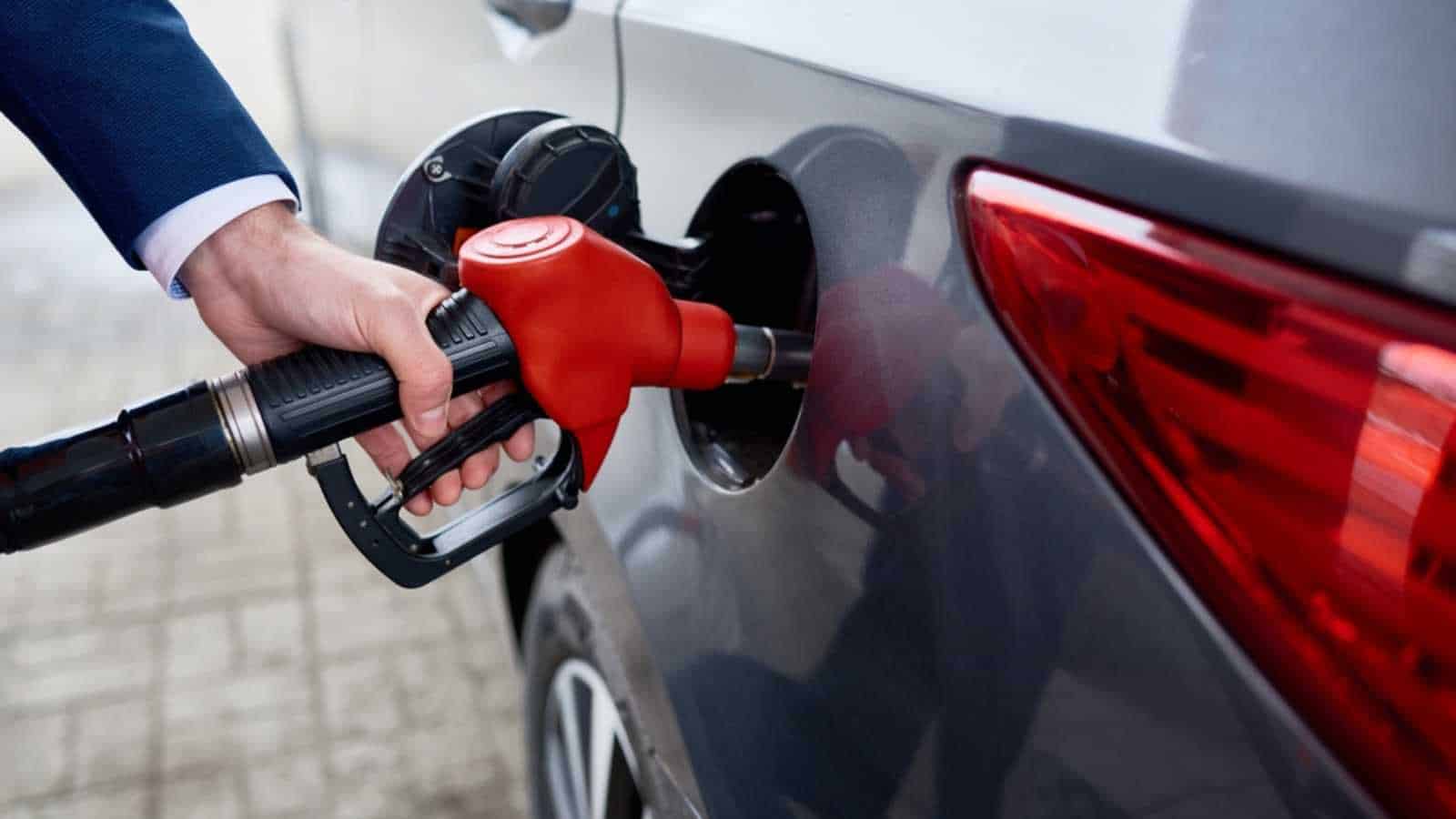
AAA found that 16.5 million U.S. drivers had bought premium fuel even though their vehicle manufacturer did not recommend it. Its laboratory tests found no significant improvements in horsepower, fuel economy, or emissions in vehicles with regular-grade engines, and AAA says regular-grade engines cannot take advantage of higher octane. Premium gas does not work like a luxury vitamin for your sedan, no matter how confident the 93 button looks.
Check the owner’s manual and follow the manufacturer’s wording: “required” matters, while “recommended” leaves room to compare cost with any modest performance gain. Drivers who tow, haul, or push certain performance engines may notice a benefit, but ordinary commuting often will not justify the price gap. Why donate extra money at every fill-up to power your engine that you cannot use?
Brand-name drugs without a reason

The FDA says generic drugs that receive approval contain the same active ingredients, deliver the same strength and dosage form, and must work the same way in the body as their brand-name counterparts. Generic manufacturers avoid repeating the original company’s costly clinical trials, which helps them charge less while still meeting the FDA’s quality standards. Paying extra for familiar packaging may make sense emotionally, but your body does not recognize the commercial jingle.
Ask your doctor or pharmacist whether a generic option is compatible with your prescription, insurance plan, allergies, and treatment history. Some patients react differently to inactive ingredients, some drugs lack generic competition, and a clinician may have a specific reason to keep the brand, so never switch prescription medication on your own. Still, when a pharmacist confirms equivalence, paying more for the logo often buys nothing except a more expensive receipt.
National brands for basic groceries

Store brands have moved far beyond sad labels and suspicious cereal shapes. U.S. private-label sales reached $282.8 billion in 2025, while store-brand dollar sales grew $64.8 billion, or 30%, from 2021 through 2025; their unit share also reached a record 23.5%. Consumer Reports noted that private-label grocery sales grew 3.3% in 2025, compared with 1.2% for national brands, suggesting that shoppers increasingly judge products rather than worship mascots.
Compare ingredients, unit prices, nutrition labels, and taste instead of assuming the famous package wins. I would start with pantry basics such as flour, sugar, canned vegetables, spices, cleaning supplies, and pain relievers, then keep name brands only when they clearly taste or perform better for you. As Private Label Manufacturers Association President Peggy Davies put it, store brands now compete on “value, quality, health, and sustainability,” not price alone.
Storage units full of replaceable stuff

A 2025 StorageCafe survey found that 33% of Americans used self-storage, 42% felt cluttered at home, and clothing ranked as the biggest clutter culprit. Meanwhile, SpareFoot placed the average price of a 10-by-10 non-climate-controlled unit near $119 a month heading into 2026. At that rate, a renter can spend $1,428 a year protecting furniture, duplicate kitchen gear, and boxes nobody has opened since the previous address.
Storage makes sense during a move, renovation, deployment, or downsizing period, or in the face of a genuine space shortage, but long-term storage needs a ruthless value test. Add up one year of rent and compare that total with the resale or replacement value of the contents; then sell, donate, recycle, or discard anything that loses the contest. Paying $119 a month to avoid deciding what to do with a $40 chair gives that chair an impressive real-estate portfolio.
Out-of-network ATM withdrawals

Bankrate found that the average combined out-of-network ATM fee hit a record $4.86 in 2025, including a $3.22 machine surcharge and a $1.64 fee from the customer’s own bank. One weekly withdrawal at that average would cost about $253 a year, which feels absurd when the machine simply hands you your own money. Bankrate analyst Stephen Kates says consumers can avoid the charge most easily by using banks with wide ATM networks or institutions that reimburse for out-of-network fees.
Use your bank’s locator, request cash back during a debit purchase, withdraw a larger amount less often, or switch to an account that refunds ATM fees. Keep a small emergency cash reserve so that a concert, a cash-only shop, or a broken card reader does not force you toward the nearest fee machine. Would you knowingly pay a 24% surcharge to access $20? Because a $4.86 fee comes remarkably close.
Annual smartphone upgrades

The smartphone market itself now tells consumers to slow down, even while launch events keep shouting the opposite. Assurant reports that the average device age at trade-in reached 3.81 years in the first quarter of 2026, while trade-in programs returned $1.63 billion to U.S. consumers during that quarter, up 31% from a year earlier. That trend shows that many owners now keep phones longer and recover value when they finally upgrade.
Replace your phone when battery health, security support, repair costs, storage limits, or broken hardware interfere with daily use, not because the new camera adds one more adjective to “night mode.” A battery replacement, fresh case, storage cleanup, or factory reset can make an older device feel far less ancient. My take: when you need a side-by-side zoomed chart to notice the upgrade, your wallet probably will notice the price more than your eyes notice the feature.
Fast-fashion impulse hauls

Cheap clothing feels harmless one item at a time, but the pile tells a different story. The EPA’s latest national textile dataset estimates that Americans generated 17 million tons of textile waste in 2018, recycled only 14.7% of it, and sent 11.3 million tons to landfills. At the same time, the U.S. secondhand apparel market grew by 13% in 2025, nearly four times as fast as the broader retail clothing market, signaling a strong shift toward resale and longer product lifespans.
Use a 48-hour pause for trend-driven purchases, check fabric and stitching, and calculate cost per wear before the checkout timer performs its little psychological drumroll. Buy fewer pieces that work with clothes you already own, repair favorites, and shop resale when you want novelty without full retail cost. A $12 top that survives two washes does not count as a bargain; it counts as a subscription to replacing the same top.
Key takeaway

Most wasteful purchases do not wreck a budget with one dramatic swipe; they nibble at it through convenience, fear, brand loyalty, and forgetfulness. Cancel services you ignore, compare generic and store-brand options, follow your owner’s manual, keep useful devices longer, and force every convenience charge to prove its value. A five-minute audit can expose hundreds of dollars in annual leaks before you touch the parts of your budget that actually make life enjoyable.
Start with one recurring expense today, then redirect the savings toward debt, an emergency fund, retirement, travel, or something you genuinely use. You do not need to become the person who washes sandwich bags under a spotlight and tracks every paper clip. You only need to stop funding premium gas your engine cannot use, boxes you never open, and a streaming service that still believes you plan to finish season two.
Disclaimer – This list is solely the author’s opinion based on research and publicly available information. It is not intended to be professional advice.
You May Also Like: 7 Ways to Significantly Reduce Food Waste and Save Money
Like our content? Be sure to follow us