12 retirement downsides women rarely hear about until it’s too late
The Max Planck Institute for Demographic Research (MPIDR) reports that women spend nearly 3.8 more years in retirement than men. Those years often come with financial curveballs no one warned them about.
Retirement is usually painted as a golden era of relaxation, but for many women, it’s more like a game of financial catch-up. Longer lifespans, wage gaps, and caregiving responsibilities combine to create unique challenges that don’t show up until it’s almost too late. The truth? Retirement isn’t one-size-fits-all, and women face downsides that rarely make it into the glossy brochures.
Let’s look into the 12 retirement downsides that most women don’t hear about until it’s, well, too late.
The Gender Pay Gap: Lower Lifetime Earnings

No surprise here, right? Women, on average, earn less than men throughout their careers. But what’s not often discussed is how those smaller paychecks affect your retirement savings. Fewer dollars mean less in your retirement account, and let’s be honest, it’s not just annoying, it’s downright stressful.
When retirement hits, many women realize that their smaller paychecks over the years resulted in a much smaller savings cushion. The paycheck gap might feel like a nuisance now, but it’s a future problem waiting to happen.
Even if your paychecks aren’t where they should be, start saving early. Every little bit counts!
The Long Retirement Horizon
So, you’ve got your retirement savings all planned out. Maybe a little house on the beach, some time to travel? What if I told you that as a woman, you’re likely going to be retired longer than you think? Women live longer than men, which means your savings need to last even longer.
In fact, studies by the Max Planck Institute for Demographic Research (MPIDR) show that women spend 3.8 years longer in retirement than men. That sounds like more margaritas by the pool, but here’s the kicker: longer retirement means more chances for unexpected expenses to derail your plans.
Plan for longevity, or you might be the one scrambling for funds later.
Taking Career Breaks for Caregiving

Let’s talk about career breaks. Life happens, right? If it’s raising kids, caring for aging parents, or just taking a breather, women are more likely to step out of the workforce to care for others. While it’s great for your family, it’s not great for your retirement.
“A woman’s path to a secure retirement is filled with obstacles, such as lower pay and time out of the workforce for parenting or caregiving, which can negatively impact her long-term financial situation, says Catherine Collinson, CEO and president of Transamerica Institute and TCRS.
If caregiving is part of your plan, make sure you also plan how to fill the gaps in your savings. It’s the key to ensuring you have the retirement you deserve.
Part-Time Work Penalties

Ah, part-time work. The dream job is one that offers flexibility. But here’s the truth bomb: part-time jobs often come with fewer benefits and less pension access. Women are more likely to take part-time work to support caregiving or maintain work-life balance, but the trade-off can be steep.
Fewer hours mean less money going into retirement savings. So, while you’re enjoying that extra “me time,” your future self might be struggling to make up for the missed savings opportunities.
Part-time work sounds great until your retirement savings start looking pretty thin. If you’re going part-time, make sure you’re still on track for a financially sound retirement.
Spousal Timing Pressure

Alright, here’s a real kicker: have you ever felt pressure from your partner to retire at a certain time? Maybe you want to keep working into your late 60s, but your spouse is itching to retire at 62. Women often find their retirement timing influenced by their spouse’s plans, which can add stress to the whole retirement process.
Retirement is a personal decision. Don’t let anyone (even your spouse) pressure you into a timeline that doesn’t fit your financial goals. It’s not just about your needs; it’s about a shared decision that could impact your financial future.
Smaller Pension Rights

Here’s the thing: women are more likely to retire from part-time or interrupted employment, and guess what? That means smaller pensions. It’s not that you don’t work hard; it’s just that the system doesn’t always have your back.
According to the Organization for Economic Co-operation and Development, women’s monthly pensions are, on average, one-quarter lower than men’s. Yep, one-quarter. That’s like getting a bonus that’s 25% smaller just for being you.
And trust me, that’s going to come back to bite you when retirement rolls around. Life happens, caregiving, part-time gigs, career breaks, and while those are all totally valid reasons, they leave you with a pension that might just be scraping by. So, what do you do? Boost your savings elsewhere to fill that gap and make sure you’ve got enough to last through retirement.
The “Surprise” Early Retirement
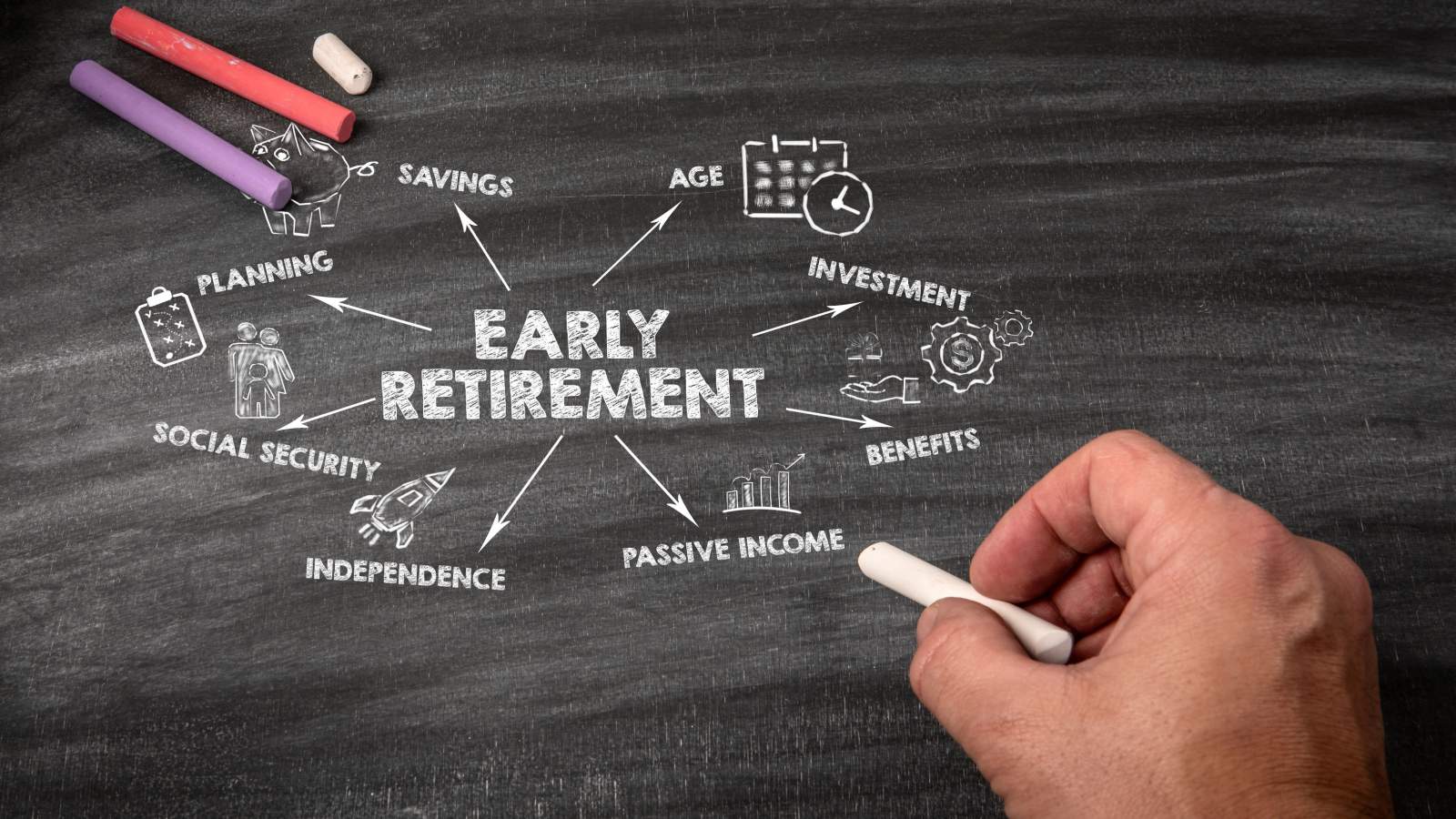
Retirement is often something we think we’ll control. But what happens when you’re forced to retire early, due to health, caregiving, or job loss?
Turns out, women retire earlier than planned more often than men, and when that happens, it can throw a serious wrench in your financial plans. Without the cushion you thought you’d have, early retirement can quickly become a stressful scramble to make ends meet.
Be ready for the unexpected and make sure you have a financial backup plan just in case you’re forced into an early retirement.
Skyrocketing Healthcare and Long-Term Care Costs

If you thought healthcare was expensive now, wait until retirement hits. Women are particularly concerned about rising healthcare and long-term care costs. In fact, 9 in 10 women preparing for retirement are worried about the rising costs of health care.
As women live longer, healthcare costs will only rise. If your retirement plan doesn’t account for this, you might be in for a real wake-up call when those bills start piling up. Healthcare and long-term care costs are real. Make sure you plan for these expenses early on, or risk being blindsided later.
Outliving Your Assets

Here’s a scary thought: outliving your savings. Yikes, right? The fact is that because women tend to live longer than men, we face a higher risk of running out of money in retirement. A report by FedImpact states that 56% of women worry they won’t have enough money to live comfortably when the time comes.
That’s a pretty big red flag! If your retirement savings aren’t ready to last as long as you do, you could end up scrambling to cover the basics, things like food, healthcare, or even just daily living expenses.
So, start saving now and plan for a retirement that lasts as long as you do. Trust me, your future self will thank you when you’ve got that cushion to fall back on.
Later-Life Depression Risk

Retirement sounds like a dream, but it’s not always the relaxing time we expect. It turns out that, after the initial joy of no work, some women may face a sense of loss, loneliness, and depression as they adjust to life without their daily routines. These emotional struggles can add stress to an already tricky financial situation.
It’s important to note that your mental health is just as important as your finances. Plan for retirement in a way that supports both your financial security and emotional well-being.
Increased Dependence on Public Benefits

Here’s a tough pill to swallow: women are forced to rely on public benefits during retirement. But why? Well, here’s the thing, women often face lower lifetime earnings, career breaks for caregiving, and part-time work, all of which contribute to weaker savings and pensions, as noted by the U.S Department of the Treasury.
While public benefits are there to help, they’re not exactly a financial party. In fact, they often don’t cover all expenses, leaving many women scrambling to make ends meet. The less you rely on these benefits, the more financial security you’ll have, and who doesn’t want to be in charge of their own financial future?
Don’t let public benefits be your backup plan. Start building your own retirement savings now, so you can say goodbye to financial uncertainty and hello to independence.
Greater Inequality in Retirement Outcomes

The truth is, women don’t experience retirement the same way men do. Between juggling family responsibilities, interrupted careers, and societal expectations, they often face a whole different set of challenges in retirement. Sadly, the retirement system wasn’t exactly designed with us in mind, leaving many women struggling to achieve the financial freedom they deserve.
The system might not be set up for us, but that doesn’t mean we can’t outsmart it. Plan strategically, take control, and ensure your future is one of financial independence and security.
Key Takeaways
Timing your retirement is crucial for financial security. Retirement isn’t just about when you decide to stop working; it’s also about when you can afford to do so. From spousal pressures to unexpected life changes, it’s important to plan your retirement on your terms, ensuring that you’re financially prepared for a future that works for you.
Starting to save for retirement as early as possible is one of the smartest moves you can make. Even if your paycheck is smaller than you’d like or you have career interruptions, every little bit counts. Consistently saving, no matter how small, adds up over time, and the earlier you start, the better prepared you’ll be for the unexpected expenses that come with longer retirements.
Don’t rely solely on public benefits for your retirement needs. While these benefits can provide a safety net, they often don’t cover everything you’ll need in later years. By prioritizing your retirement savings, you’ll gain greater financial independence and peace of mind, allowing you to enjoy your golden years without worrying about money.
Disclaimer – This list is solely the author’s opinion based on research and publicly available information. It is not intended to be professional advice.
Like our content? Be sure to follow us