Are America’s housing rules crushing ordinary people? 12 ways they’re holding us back
What if the biggest obstacle to owning a home isn’t your paycheck, but the invisible rules shaping every neighborhood?
Planetizen reports that 75% of residential land in U.S. cities is zoned for single-family homes. You might think zoning laws are something only developers worry about, but they’re crushing everyday people like you and me, keeping millions from the “American Dream” of owning a home.
So the old advice, “just save up, work hard, and buy a house,” rings hollow when the system itself dictates who gets to live where and in what kind of home. Let’s break down how these housing rules are holding us back, and what that means for anyone just trying to get a foot in the door.
Single-Family Zoning Keeps Too Much Land Off Limits

According to planetizen 75% of residential land in U.S. cities is zoned for single-family homes. That means no duplexes, no townhomes, and definitely no multi-family buildings that could provide more affordable housing. It’s like saying, “Sorry, only big houses for the rich here!”
The problem with this is that it limits housing supply, and when there’s less housing, guess what? Prices go up. For example, in California, a shocking 95.8% of residential land is available only for single-family homes, according to a report by the UC Berkeley Othering & Belonging Institute.
So, while people are looking for affordable housing near their jobs or schools, single-family zoning ensures that only the wealthy can afford to build and live there.
Parking Mandates Quietly Raise the Cost of Every Home
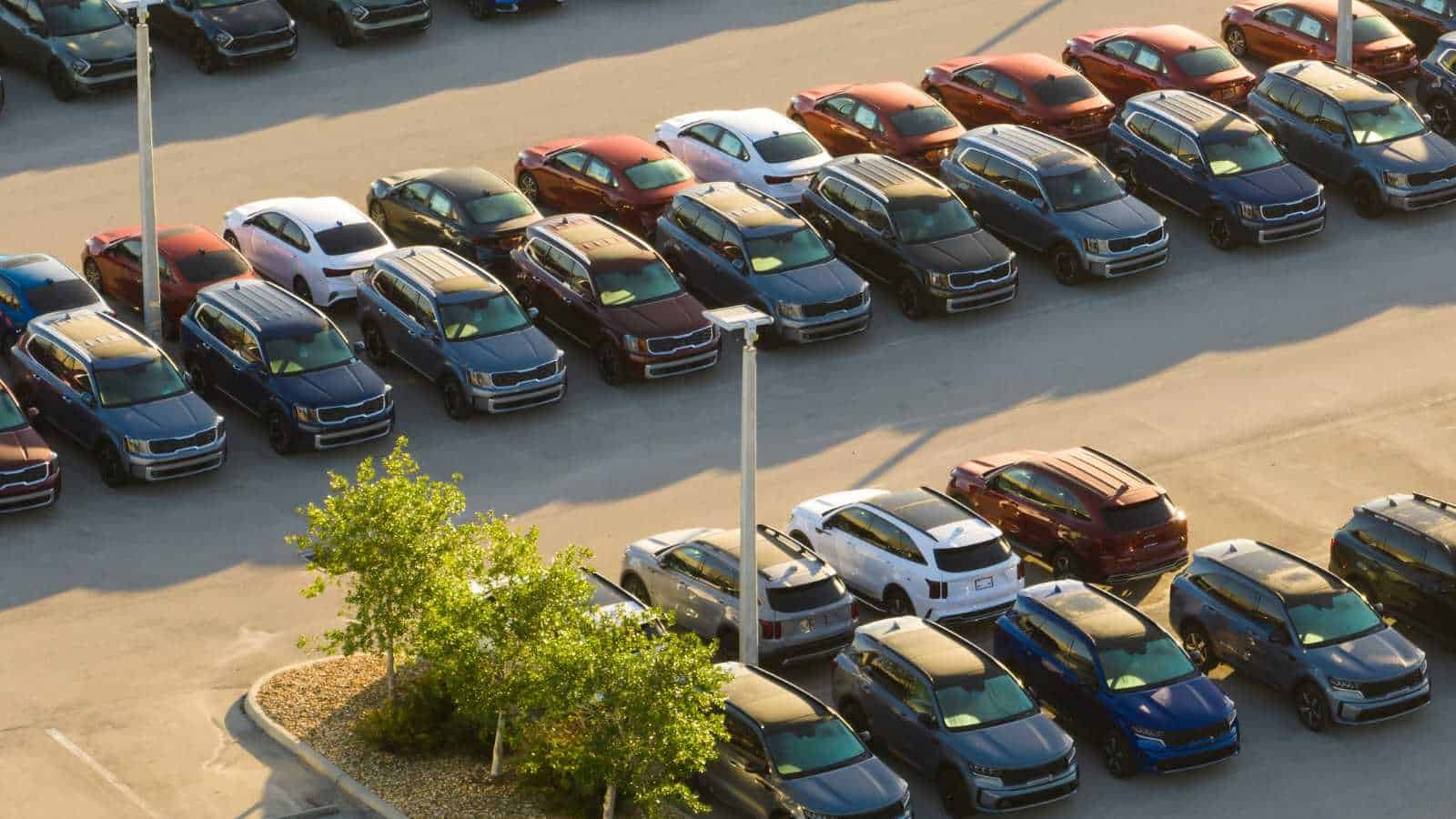
Parking, seriously, it’s a big deal. But here’s the thing: many cities require developers to include parking spaces in every new building, even if residents don’t need them. Each parking space can add $30,000 to $80,000 to the cost of building new homes, the Generation Housing Action Plan notes. Yup, you’re paying for it, even if you don’t have a car.
In fact, a study by the Sightline Institute found that eliminating these parking mandates could create 71% more homes in transit-oriented areas. Imagine how many homes could be built in places where people actually want to live, close to work, close to schools, if we didn’t need to waste land on parking. It’s a hidden cost that’s passed directly to renters and buyers.
So yeah, parking isn’t just a space issue, it’s an affordability issue.
Regulatory Cost Cascade: Government’s Hidden Price Tag on Every Home

It’s like this: every single rule the government has in place to regulate home building adds more cost to new homes. I’m talking about building codes, zoning laws, environmental reviews, and don’t forget about those permit fees.
The National Association of Home Builders (NAHB) found that these regulatory costs are actually driving up home prices for all of us. Developers have to pay for permits, comply with codes, and deal with environmental reviews, all of which push up costs. So, who’s paying for that? Well, you are when you go to buy or rent.
Permitting Delays: Months and Years Lost Before a Shovel Hits the Ground

Sadly, it can take months, even years, to get the permits needed to start building new homes. Developers have to wait for permits, and sometimes that waiting period can add up to 13 months on average before they can get started, NAHB reports. And guess who’s paying for that? You.
San Francisco, for instance, was long infamous for its approval delays before developers could get permits. This means fewer homes are being built, and the ones that are built are more expensive by the time they’re ready. So when you’re wondering why there’s so little affordable housing, it’s not just the market; it’s that the system is dragging its feet.
Minimum Lot Size Rules: Legislating Scarcity Into Existence

Have you ever wondered why affordable land is so hard to find? It’s because of the minimum lot size rules. These rules require that a home occupy a certain amount of land, which drives up prices. A study by Wharton economists found that doubling the minimum lot size can raise home prices. Yeah, you read that right.
These rules are making housing scarce and creating artificial barriers to affordable living. If we relaxed these rules, we could fit more homes on the same amount of land and drive down prices. But instead, we’re stuck with rules that exclude lower-income people from ever getting a foot in the door.
Environmental Review as a Delay Weapon

Environmental review processes, such as CEQA in California, have become massive bottlenecks. While they’re meant to protect the environment, they often block affordable housing projects instead. It can take up to three years to clear these reviews, which delays housing. And the longer it takes, the more expensive it gets.
Here’s the irony: these laws were created to protect the environment, but now wealthy property owners are using them to stop the construction of housing for people who need it. According to Chapman University, the California Environmental Quality Act (CEQA) alone blocked the construction of over 48,000 housing units in 2020. That’s 48,000 homes that could’ve been built for people in need, but instead, we’re all still waiting.
HOA Shadow Mortgage: A Hidden Affordability Crisis

If you’ve ever lived in a homeowners’ association, you already know the routine. The mortgage is one thing, but then come the extra fees, the rulebook, and the quiet little reminders that your home does not always feel yours fully. One minute you are picking a paint color, and the next you are wondering if the HOA will treat your front door like a national emergency.
I know someone who got hit with a surprise community maintenance fee, and let’s just say it didn’t feel very neighborly. Costs like that can sneak up fast, especially when you are already juggling mortgage payments, insurance, taxes, and everything else that comes with owning a home.
For ordinary buyers, HOA costs can feel like a second housing bill wearing a polite little name tag.
Impact Fees: Taxing New Homes Into Unaffordability

These are like a hidden tax on new homes. These fees are meant to help fund infrastructure like roads, schools, and parks, but they end up adding a huge cost to each new house. For instance, in Washington, these fees can add over $18,000 to the price of a new home, according to the Building Industry Association of Washington (BIAW).
The worst part? Low-income homes are charged the same fees as luxury homes, so builders often avoid building affordable homes. So, we’re left with fewer affordable options and higher prices overall. It’s a fee that’s disproportionately hurting the people who need affordable housing the most.
Historic Preservation Laws: Protecting the Past at the Expense of the Future

Sure, historic preservation laws are meant to keep things charming and protect the past, but here’s the thing: they’re being used to block housing. In places like Washington, D.C., these laws are often abused to block new housing projects in desirable areas, worsening the housing crisis.
A few years ago, a developer friend of mine wanted to build affordable units in a historic district. But preservation laws halted the project because they believed it would “ruin the character” of the area. The irony? That same area needs more housing, not fewer restrictions!
ADU Restrictions: Blocking the “Hidden Housing” Potential

Accessory Dwelling Units (ADUs) are backyard cottages or basement apartments that can provide affordable housing without requiring new land. But guess what? Many places still restrict or regulate ADUs so much that it’s nearly impossible for homeowners to build them.
I remember a family friend wanted to build an ADU in their backyard to help with mortgage costs, but local zoning rules made it impractical. They could’ve added affordable housing in a flash, but instead, they were stuck in red tape.
Building Codes Can Make Small Apartment Buildings Harder to Build

Now, building codes absolutely matter because nobody wants unsafe apartments. But some rules can also make smaller apartment buildings harder and more expensive to build, which is where things get messy for regular renters. A National Multifamily Housing Council survey found that 89% of respondents agreed that building code requirements affect the cost and viability of construction projects, so this is not just developers grumbling into their coffee.
Safety should stay non-negotiable, of course, but when the rulebook gets too complicated or costly, smaller projects can die before anyone even swings a hammer. And when fewer modest apartment buildings get built, ordinary people get stuck with fewer choices and higher rents, because apparently finding a decent place to live needed another boss level.
Source-of-Income Discrimination Can Turn Help Into Useless Paper

Here’s one of the most frustrating housing rules hiding in plain sight. According to a 2022 USAFacts report, more than 9 million low-income American households used Housing Choice Vouchers, also known as Section 8 vouchers. Sounds helpful, right, until a landlord simply says, “No vouchers accepted,” and suddenly that assistance feels like a coupon for a store that refuses to open.
That is the ugly reality of source-of-income discrimination, where renters get rejected because they use housing assistance. What good is rental help if too many landlords can still treat it like worthless paper?
The protection gap makes the problem even worse. As of 2022, according to the Poverty & Race Research Action Council, only 17 states, 21 counties, and 85 cities had source-of-income anti-discrimination laws, which means landlords can still legally reject voucher holders in many parts of the country.
So, for ordinary people already fighting high rent, low vacancies, and endless applications, the system basically says, “Here’s help,” then lets the housing market slam the door anyway.
Key Takeaways

Zoning rules, permit delays, and high regulatory costs are contributing to rising housing prices, pushing affordable housing further out of reach for many Americans. Single-family zoning, for example, limits land use and keeps new, more affordable housing developments from being built, leaving too much land off-limits. Permitting delays and government regulations add tens of thousands of dollars to the cost of each home, ultimately trickling down to renters and buyers and making homes even harder to afford.
Parking mandates, impact fees, and restrictive zoning are driving up housing costs by limiting supply and pushing prices higher across the board. For example, parking requirements can add $30,000 to $50,000 per parking space, costs that are passed down to consumers. Additionally, impact fees and minimum lot-size rules only add to the financial burden of new construction, raising the cost of homes that could otherwise be more affordable.
Lastly, ADU restrictions and HOA fees are stifling innovative housing solutions, such as backyard cottages, and imposing hidden costs on homeowners. While Accessory Dwelling Units (ADUs) could provide an affordable alternative to traditional housing, stringent regulations prevent many people from adding these units to their properties.
HOA fees also contribute to the growing affordability crisis, with homeowners paying additional costs on top of their mortgages, further limiting access to homeownership for those already struggling with rising housing costs.
Disclaimer – This list is solely the author’s opinion based on research and publicly available information. It is not intended to be professional advice.
Like our content? Be sure to follow us