Gen Z women are increasingly adopting the “tradwife” trend
A growing wave of Gen Z women is abandoning the corporate ladder in favor of a retro domestic lifestyle, signaling a striking shift in how success is defined today.
Picture a perfectly baked sourdough loaf resting on a rustic wooden table next to a spotless vintage apron and a steaming cup of coffee. This idyllic image is taking the internet by storm, capturing the attention of young women who are unexpectedly turning their backs on the corporate grind.
While previous generations fought tooth and nail for corner offices, a vocal segment of the youngest working demographic is opting out entirely to embrace traditional gender roles and bake from scratch. It is a massive cultural pivot that leaves many sociologists scratching their heads, yet the motivations behind this shift are deeply rooted in the harsh realities of modern life.
Seeking Refuge From A Culture Of Constant Burnout
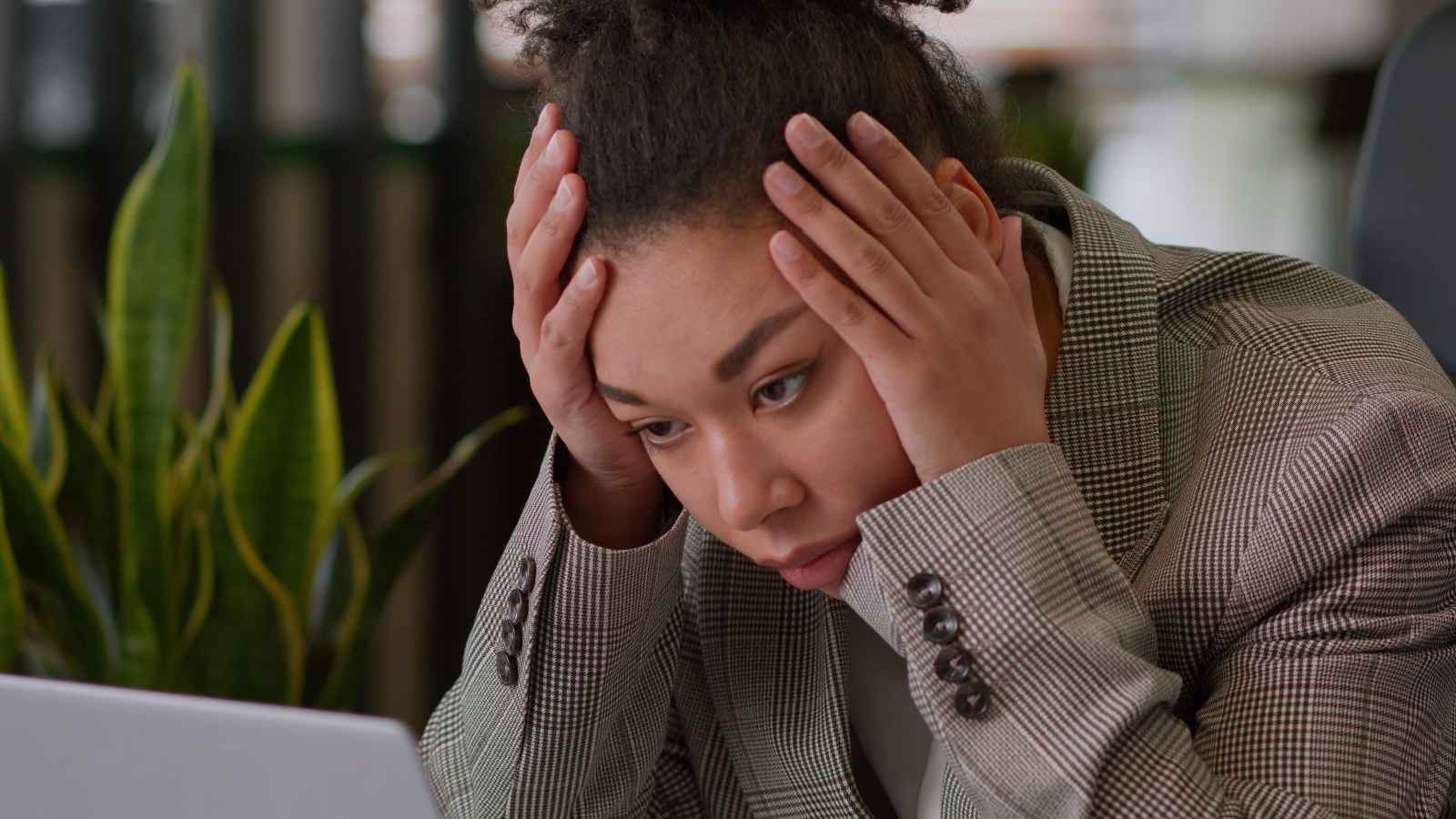
The pressure to juggle a flawless career, a bustling social life, and a perfect fitness routine has pushed countless young women to their absolute breaking point. According to the 2025 Deloitte Global Gen Z and Millennial Survey, an alarming 40 percent of Gen Z respondents report feeling stressed or anxious all or most of the time.
Instead of leaning into the corporate ladder, these exhausted individuals are trading spreadsheets for recipe books and seeing domestic life as a protective bubble. They are actively choosing to unplug from a society that demands constant hustle, finding solace in the quiet, analog repetition of household chores.
Baking a pie or scrubbing a kitchen sink offers immediate, tangible results that a vague email from a middle manager simply cannot provide. The modern workplace often feels like an endless treadmill of moving goalposts, leaving employees feeling perpetually unaccomplished despite their hardest efforts.
By shrinking their responsibilities to the four walls of their own homes, these women are actively choosing mental peace over professional ambition. It is a radical form of self-care wrapped in a vintage aesthetic, offering a quiet escape from the relentless, deafening noise of modern expectations.
Reclaiming Control In An Unpredictable Economy
You might think staying home is a luxury only the ultra-wealthy can afford, but for many young people, traditional employment is failing to deliver the promised American dream. The math simply does not add up for young professionals watching their rent skyrocket while their entry-level salaries remain painfully stagnant.
A Bank of America report highlights this financial frustration, revealing that 73 percent of Gen Z say the current economic environment makes it extremely challenging to save money or buy a home.
Faced with the reality that they might never achieve homeownership even with a full-time job, many are completely rethinking the value of the traditional workforce entirely.
Rather than participating in a system that feels rigged against them, these women are finding economic empowerment in extreme frugality and home economics. Growing their own food, making clothes from scratch, and managing a single-income household budget allows them to feel a sense of mastery that corporate jobs lack.
They view the role of a homemaker not as a step backward, but as a strategic financial decision that cuts out daycare costs, commuting expenses, and professional wardrobe investments. It is a defensive financial maneuver dressed up as a lifestyle choice, giving them the ultimate say over how their daily resources are allocated.
Craving The Structure Of Traditional Gender Roles
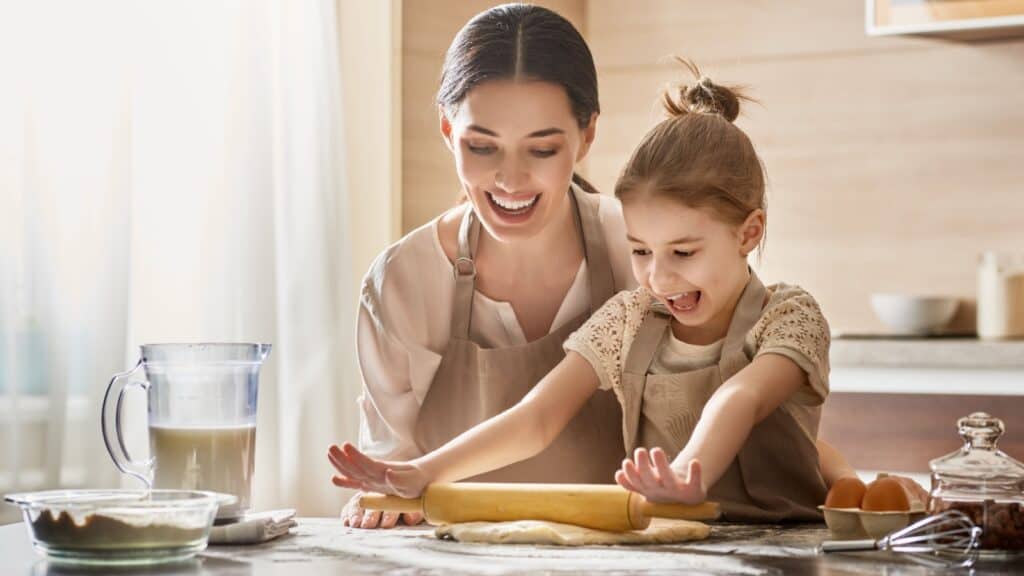
Modern dating and relationship dynamics are famously chaotic, leaving many young people exhausted by the endless swiping and lack of clear expectations. The blurring of traditional gender roles has created a dating environment where nobody is quite sure who should pay the bill or initiate the next big step.
A 2025 survey 403 by Forbes Health found that 79 percent of Gen Z singles find dating apps overwhelmingly stressful and detrimental to their mental health. For those burned out by modern romance, adopting a strictly traditional relationship dynamic feels like a safe harbor in a deeply turbulent storm.
Submitting to a husband’s leadership might clash violently with modern feminist ideals, but for these women, it delightfully eliminates the endless negotiations over chores and responsibilities.
There is a profound comfort in knowing exactly what your role is every single morning without having to constantly redefine your boundaries or argue over washing dishes. This clear division of labor acts as a psychological safety net, providing a predictable daily rhythm that modern egalitarian relationships sometimes struggle to maintain.
By embracing these older blueprints, they are happily trading the exhausting freedom of infinite choices for the cozy certainty of a predefined life.
The Magnetic Pull Of Aesthetic Social Media Algorithms
We consume massive amounts of content daily, and the visual appeal of the traditional homemaker lifestyle is undeniably intoxicating to scroll past on a quick lunch break. The internet has a funny way of making everything look like a movie, turning the mundane task of folding laundry into a cinematic, highly desirable experience.
As of 2025, videos tagged with the tradwife hashtag had amassed over 175 million views on TikTok alone, highlighting the massive viral appeal of this aesthetic. The algorithms quickly identify users seeking comfort and flood their feeds with glowing, sun-drenched videos of women living seemingly stress-free lives.
This digital romanticization acts as a powerful marketing tool for the movement, successfully filtering out the less glamorous aspects of domestic labor, like dirty diapers and isolation.
Young women sitting in cramped cubicles under harsh fluorescent lights are easily captivated by these digital postcards of freshly cut flowers and homemade jam. The carefully curated nature of social media creates a compelling illusion that staying home is a permanent vacation from the harsh realities of adulthood.
It is visual escapism at its absolute finest, convincing a highly online generation that true happiness lies in an aproned, completely unplugged existence.
Nostalgia For A Past They Never Actually Experienced
There is a strange psychological phenomenon where young people desperately miss eras they were not even alive to witness firsthand. This longing for the 1950s or 1960s is less about historical accuracy and more about craving a time perceived as significantly simpler and more secure.
By putting on a vintage dress and placing a roast in the oven, they are engaging in a form of live-action roleplay that heavily soothes their modern anxieties. They are deliberately cherry-picking the aesthetic and domestic peace of the mid-twentieth century while blissfully ignoring the systemic inequalities that defined the actual era.
This curated nostalgia provides a psychological anchor, allowing them to retreat into a cozy fantasy world when the present day feels too overwhelming to handle. It is a protective shell crafted from vintage cookbooks, classic movies, and the powerful desire to hit the rewind button on society.
Exercising The Ultimate Freedom Of Choice
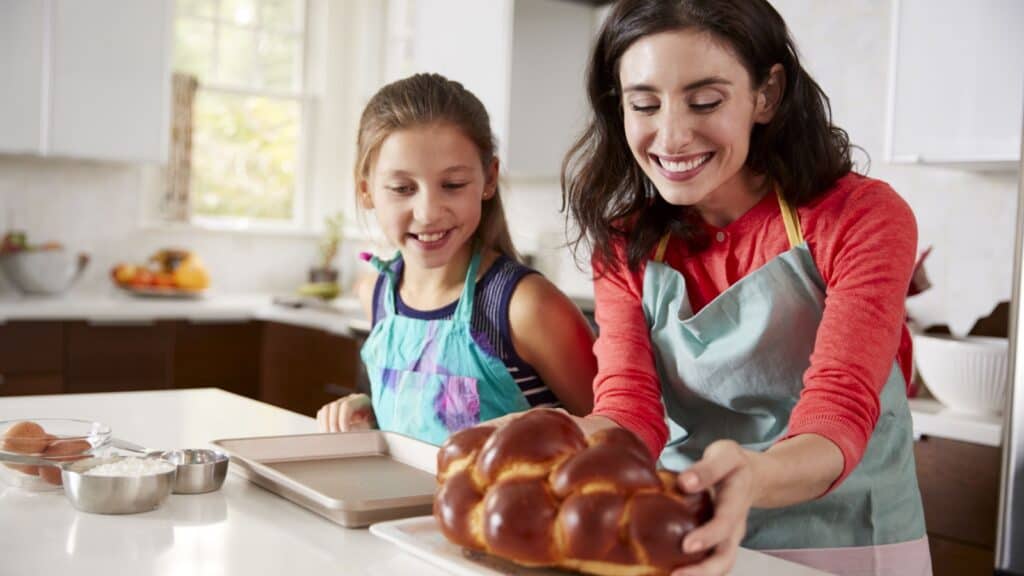
Ironically, many young homemakers argue that choosing to stay at home is the ultimate expression of the feminist principles their mothers fiercely fought to establish. They firmly believe that if the core message is about having the freedom to choose your own path, then selecting domesticity should be just as valid as becoming a CEO.
A 2023 State of Motherhood report by Motherly revealed that 52 percent of working mothers are actively reconsidering their participation in the workforce due to the massive emotional and financial toll of childcare. These women feel entirely empowered by their decision to reject the narrative that tells them their worth is exclusively tied to their paycheck.
They are unapologetically flipping the script on societal expectations, arguing that raising babies and children and managing a home are highly valuable contributions that deserve immense respect.
By willingly walking away from the workforce, they are effectively challenging the capitalist idea that human value must be measured strictly by economic output. They see their domestic choices as a quiet rebellion, reclaiming the home as a place of power, creativity, and profound personal fulfillment.
It is a fiercely independent decision disguised as submission, proving that the modern woman is charting her own course regardless of what critics have to say.
Like our content? Be sure to follow us