12 reasons death may not be what it seems
Death has a bad habit of acting final, then leaving weird little loopholes everywhere. The CDC counted 3,072,666 resident deaths in the United States in 2024, yet U.S. life expectancy still climbed to 79.0 years, and the age-adjusted death rate fell 3.8%. That does not make death cheerful, obviously, but it does remind us that death changes with medicine, culture, technology, and belief.
Americans also refuse to treat death as a simple full stop. Pew Research Center found that 70% of U.S. adults say life after death definitely or probably exists, which means most people still look at the end and wonder, “Okay, but is that really all?”
And science keeps making the conversation even stranger. Dr. Sam Parnia, a critical care researcher at NYU Langone, described some recalled death experiences as a “unique inner conscious experience,” including “awareness without distress.” That does not prove heaven, ghosts, or your uncle’s dramatic funeral speech theory, but it does make death feel less like a light switch and more like a mystery with paperwork.
Death works more like a dimmer switch
Most of us picture death like a movie scene. One breath, one dramatic stare, one flatline, and suddenly the credits roll. Real life loves ruining clean scripts. Doctors often see dying as a process where breathing, circulation, brain activity, temperature, reflexes, and consciousness decline in stages. That matters because the body can look gone before every system has fully shut down.
This staged process explains why families sometimes notice odd changes near the end. A person may sleep more, eat less, breathe differently, or briefly seem more alert before fading again. Hospice workers often see these patterns and usually treat them as part of the body’s shutdown rather than as proof that someone “came back.” Still, you can see why relatives whisper about miracles in hospital hallways, right?
Brain death follows strict rules, not guesswork

Brain death sounds simple until you realize how much testing doctors must do before they use that label. The 2023 U.S. consensus guideline for adults and children updated earlier standards and tied brain death, or death by neurologic criteria, to loss of brain function as a whole, including coma, absent brainstem reflexes, and apnea under proper testing conditions. That is not a casual “the machines look bad” moment.
This matters because a ventilator can make a body look alive after the brain has permanently stopped functioning. The chest rises, the skin may feel warm, and loved ones may understandably think, “Hold on, why are we calling this death?” Medicine draws a hard line here because the brain coordinates the person as a living whole. The mystery stems from the visual contradiction: the body can still look busy even after the person has gone.
CPR can reopen a door that people thought had shut
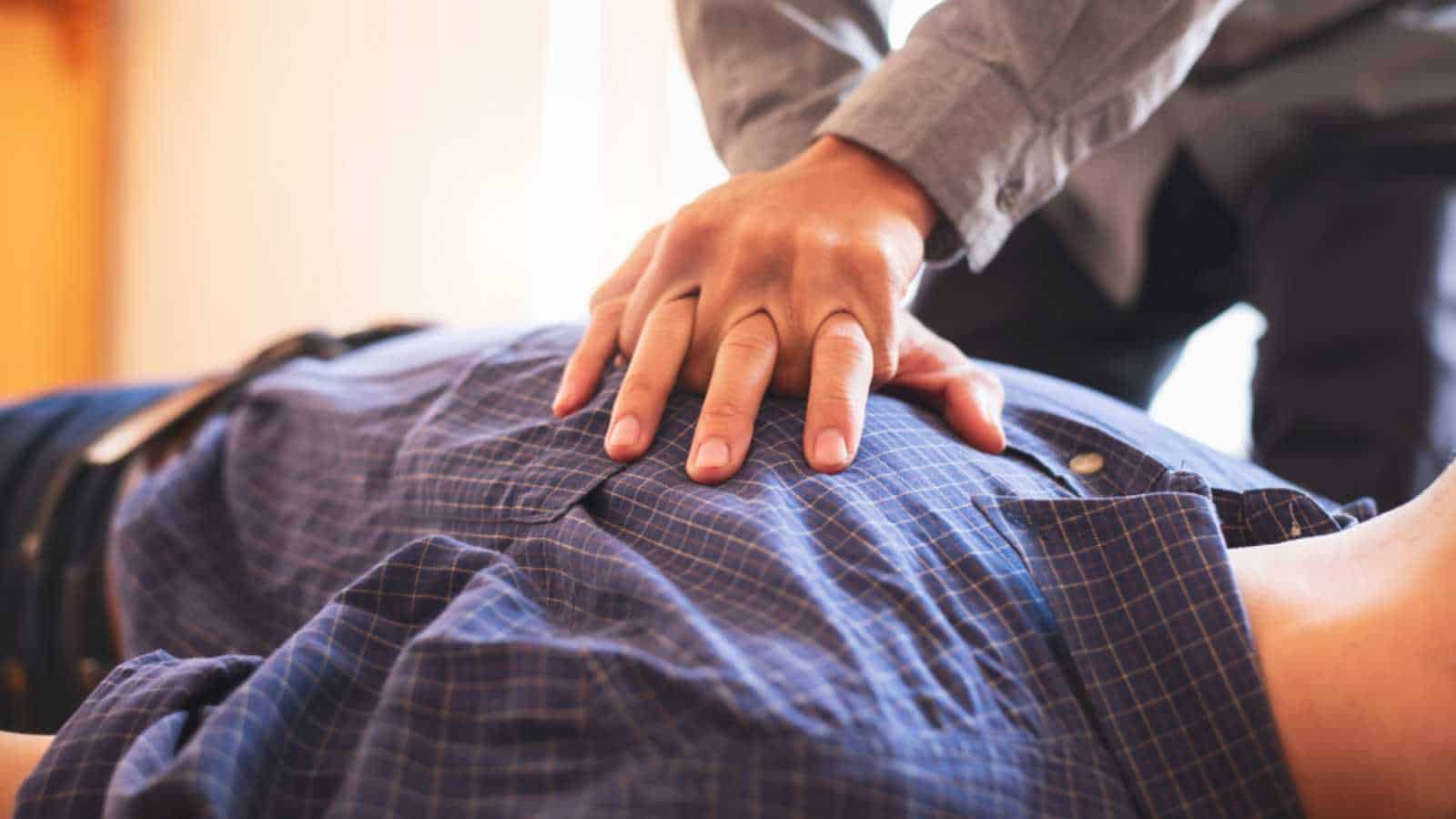
Cardiac arrest creates one of the strangest death-adjacent situations. The heart stops pumping effectively, the person loses consciousness, and the clock starts screaming. Yet CPR, defibrillation, medications, cooling protocols, and hospital care can sometimes restore circulation. That is why “clinically dead” stories spread so fast online, often wearing sunglasses and acting like science cannot explain them.
The NYU Langone study on cardiac arrest survivors reported that some revived patients later described clear memories and that researchers observed brain wave patterns linked to thought and memory up to an hour after the heart stopped. That finding does not mean everyone floats above the ceiling during CPR, so let’s not hand Hollywood the steering wheel. It does show that the border between dying and dead can look blurrier than people expect.
Near-death experiences keep messing with neat explanations
Near-death experiences often include light, peace, life review, out-of-body sensations, or a powerful feeling of connection. Skeptics point to oxygen loss, stress chemistry, memory reconstruction, and brain shutdown. Believers point to the consistency of certain reports across cultures and decades. I sit somewhere in the curious middle, because pretending we know everything feels a little too confident for a species that still loses car keys indoors.
Researchers have studied these accounts during resuscitation because they sit at the intersection of medicine, consciousness, and meaning. Dr. Parnia’s team did not claim that near-death experiences prove an afterlife, but it did argue that people can report organized inner experiences near the edge of death. That single idea makes death feel less like a blank wall and more like a locked door with light under it.
The body can rally before the end

Families often describe a final burst of energy before death. A loved one may talk, ask for food, recognize people, laugh, or seem unexpectedly clear after days of decline. People sometimes call this a rally or terminal lucidity, and yes, it can feel emotionally unfair. Imagine your heart finally relaxing, then reality taps you on the shoulder and says, “Actually, this was the goodbye scene.”
Doctors and hospice teams still study why this happens, but many end-of-life workers treat it as a known pattern rather than a full recovery. The brain and body may briefly organize enough energy for connection, speech, or awareness. Loved ones often treasure those moments because they feel like a gift. They also remind us that dying can include flashes of personality, humor, and love right up to the edge.
The “death rattle” sounds scarier than it usually is

Few end-of-life sounds alarm families faster than the so-called death rattle. It can sound like choking, drowning, or suffering, and that noise can haunt people who do not understand it. Medical reviews identify respiratory secretions among common symptoms in the last days or weeks of life, with one review reporting death-rattle-type secretions in about 51.4% of patients near the end.
The sound usually happens because a dying person loses the strength to swallow or clear saliva and mucus. That does not mean the person feels the same panic that listeners feel. Care teams may reposition the person, reduce fluids, or use medication when appropriate. Still, no one should feel silly for getting scared by that sound, because the human brain hears gurgling near death and immediately files a complaint with every emotion department.
Organ donation turns one ending into several futures

Organ donation makes death feel less like a disappearance and more like a brutal handoff. In 2024, 16,988 people became deceased organ donors in the U.S., and donation after circulatory death increased 23.5% over 2023. Those numbers carry real human weight because one family’s worst day can become another family’s phone call from the transplant center.
This does not make donation emotionally easy. Families still need trust, transparency, and time to understand what doctors mean by brain death or circulatory death. But donation changes the story because the body can still help others after the person has died. That idea feels almost rebellious, doesn’t it? Death says, “finished,” and medicine replies, “Actually, we have a few more lives to discuss.”
Grief keeps relationships strangely alive
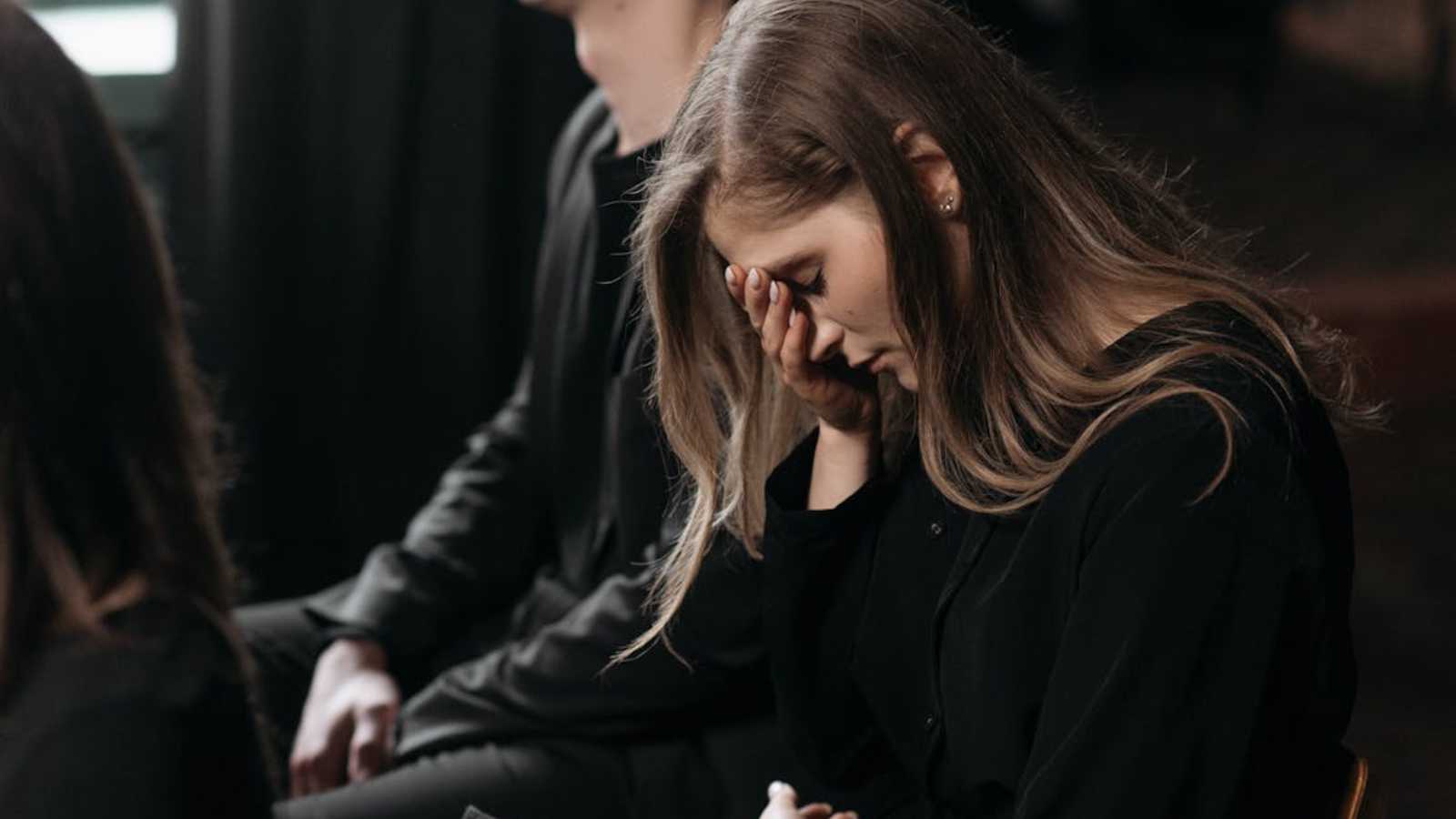
Grief does not always obey the old “move on” script. Many people talk to loved ones who have died, keep their photos nearby, cook their favorite meals, visit their graves, save voicemails, or feel their presence on ordinary days. Pew found that 34% of Americans said they had felt the presence of a dead family member in the previous 12 months. That is not a tiny fringe group whispering in candlelit rooms.
Psychologists often describe this as continuing bonds, which means people maintain a meaningful connection with someone after death. That connection can comfort people, shape family rituals, and help mourners carry love forward. Of course, grief can also become overwhelming, and people should seek support when it disrupts daily life. But the basic instinct to keep loving someone after death? That feels deeply human, not weird.
Digital life keeps people present after they die

Death used to silence most daily traces of a person. Now phones, social media profiles, cloud albums, texts, voice notes, playlists, emails, and old TikToks keep showing up like tiny emotional jump scares. Research on Facebook and bereavement shows that social platforms help some mourners maintain bonds with the dead through posts, memories, and shared online spaces.
This trend creates both comfort and chaos. A birthday reminder from someone who died can feel sweet at breakfast and devastating by lunch. Algorithms do not exactly have bedside manners, shocking absolutely no one. But digital remains change death because people no longer vanish from public life in the same way.
They linger in search bars, comment sections, photo folders, and group chats that nobody has the courage to delete.
Funeral choices show Americans keep rewriting death

The old American funeral script no longer dominates the room. The National Funeral Directors Association projected a 63.4% U.S. cremation rate for 2025, compared with a 31.6% burial rate, and it expects cremation to reach 82.3% by 2045. That shift says a lot about money, religion, mobility, personalization, and environmental concerns.
Green funerals also keep gaining attention. The same NFDA page reported that 61.4% of consumers showed interest in greener funeral options, up from 55.7% in 2021. Families now consider cremation stones, tree burials, reef memorials, home funerals, living funerals, and celebration-of-life events in places that look nothing like old funeral parlors.
Death still ends a life, but people increasingly refuse to let it end the story in beige carpet and awkward sandwiches.
Decay turns the body into a transformation
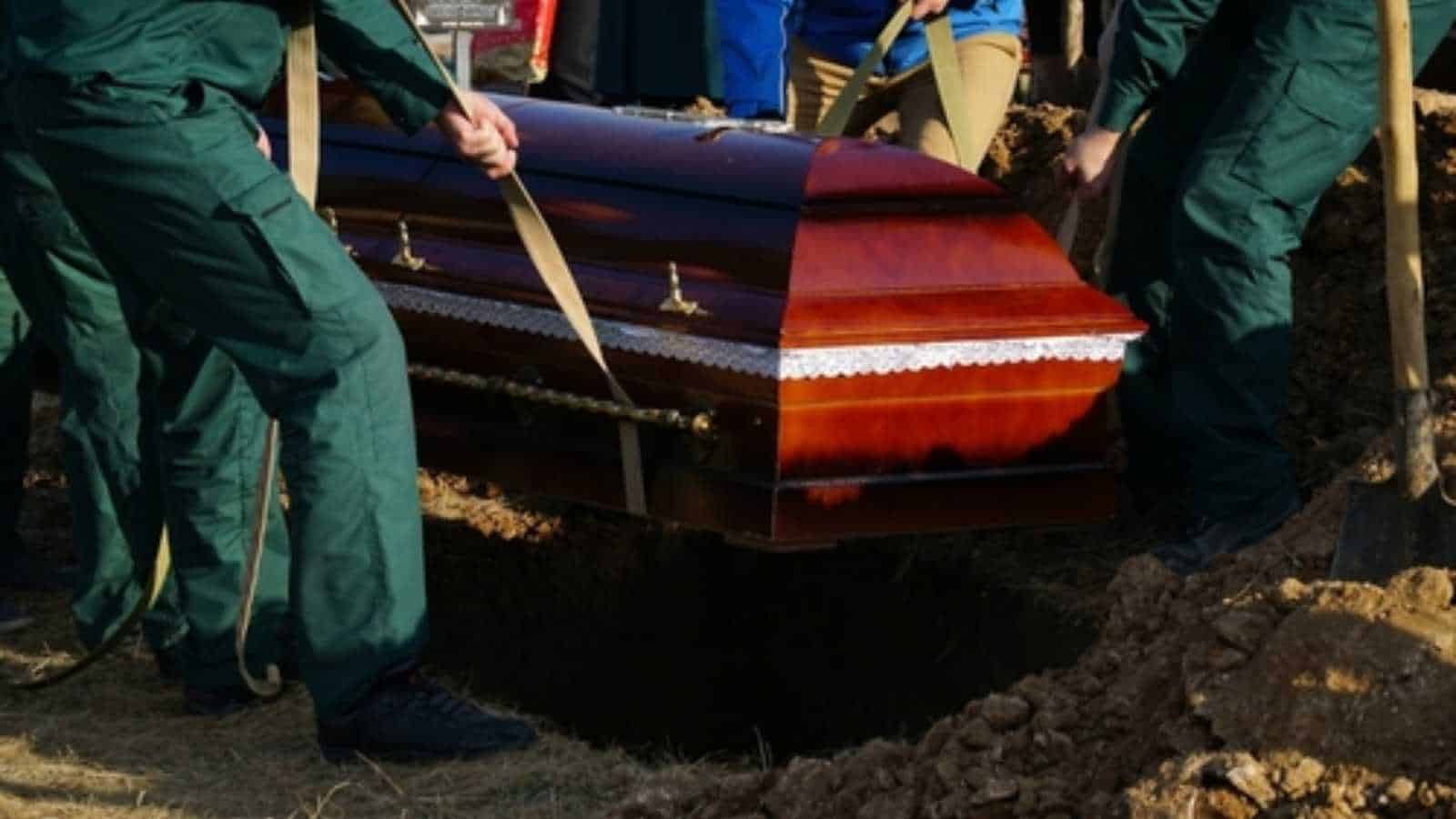
Biology does not treat death as pure disappearance. After death, microbes, enzymes, insects, soil, fungi, and chemical processes begin recycling the body into other forms of life. That sounds grim until you remember that nature has run this system longer than humans have argued over funeral flowers. The body returns material to the world, and the world, being dramatic but efficient, uses it.
Green burial leans into that truth instead of fighting it with vaults, heavy chemicals, and sealed materials. Supporters see it as a simpler return to ecological cycles, and conservation burial groups frame natural burial as a tool for protecting land and reducing resource-intensive practices. The idea does not erase grief, but it changes the image. Death stops looking like a total waste and starts looking like a transformation with dirt under its fingernails.
Belief and science keep sharing the same room

Americans often mix medical facts with spiritual hope, and honestly, that seems very on-brand for us. We track mortality rates, debate brain-death criteria, sign donor cards, stream hospice nurses on TikTok, and still ask whether Grandma somehow knows we kept her cookie tin. Pew’s finding that 70% of U.S. adults believe life after death definitely or probably exists shows that the afterlife question still sits right in mainstream culture.
Science can measure circulation, brain activity, organ function, and behavioral signs. It cannot neatly measure love, meaning, fear, memory, or the strange comfort people feel when they sense the dead nearby. That gap does not make every supernatural claim true, so let’s not start selling haunted Wi-Fi routers. But it does explain why death may not be what it seems. The end of life touches the body, the mind, the family, the culture, and the story people keep telling afterward.
Key takeaway
Death looks final, but the closer we look, the more complicated it gets. Medicine shows us strict definitions, staged biological shutdowns, resuscitation gray zones, and organ donation possibilities. Psychology shows us continuing bonds, memory, grief, and digital afterlives.
Culture shows us cremation, green burial, and new rituals that refuse to treat death as one-size-fits-all. So maybe the better question is not “Is death the end?” Maybe the better question is, “What exactly do we mean by end?”
Disclaimer: This list is solely the author’s opinion based on research and publicly available information. It is not intended to be professional advice.
Like our content? Be sure to follow us.