13 ways the housing market is crushing middle-class families
For generations, homeownership was considered a cornerstone of the American middle-class dream. Today, that dream is becoming increasingly difficult to achieve. According to the National Association of Realtors, the median price of an existing single-family home topped $400,000 in recent years and has continued to hover near record highs despite slower sales activity.
Meanwhile, mortgage rates have remained well above the ultra-low levels seen during the pandemic, dramatically increasing monthly payments for buyers. The National Association of Home Builders estimates that nearly 75% of U.S. households cannot afford a median-priced new home under current market conditions.
As a result, many middle-class families are finding themselves squeezed by rising housing costs, whether they rent, buy, or already own a home. Here are 13 ways the housing market is putting pressure on household finances today.
Homeowners Insurance Premiums Reach Historic Highs

Securing a reliable insurance policy to protect your property has transformed into a major financial hurdle over the last year. Severe weather events and rising construction material costs have forced many insurers to raise premium rates or pull back from high-risk regions. Some companies are pulling out of vulnerable state markets entirely, leaving homeowners with very few choices.
This insurance squeeze means that your monthly escrow payment can suddenly jump by hundreds of dollars without any warning. Families are being forced to take on higher deductibles just to keep their mandatory coverage active and satisfy their lenders.
The Relentless Pressure Of Skyrocketing Monthly Rent

Families who are locked out of the housing market find very little comfort in local rental agreements. Landlords are capitalizing on the high demand for housing by raising monthly rental rates to historic thresholds across major metropolitan hubs. This rental inflation devours the very funds that young professionals need to save for a future down payment.
Spending an outsized share of your earnings on rent makes it feel like an impossible puzzle to establish a consistent personal finance strategy. It creates a frustrating cycle in which you work harder than ever, but your bank balance stays flat. It leaves the middle class stuck in a rental trap with no clear exit path.
The Historic Crunch Of Elevating Mortgage Interest Charges

Borrowing money to purchase a home has transformed into an incredibly expensive endeavor over the last few years. The average 30-year fixed mortgage rate is 6.53% in late May 2026, a level that would have seemed unthinkable during the ultra-low-rate era earlier in the decade.
This sharp interest rate hike is a major roadblock for young couples looking to transition out of their current rental agreements. When such a large slice of your payment goes entirely toward financing charges, building actual equity takes twice as long and eats into every other part of the budget.
Astronomical Starter Home Prices Defy General Wage Gains

The baseline entry price for a standard, no frills residential property has skyrocketed to levels that would make previous generations do a double-take. Government housing figures confirm that the median sales price for new houses sold in the United States reached $422,500 in April 2026, several times what many younger workers earn in a typical year.
This upward price trajectory means that even a dual-income household earning a decent salary struggles to qualify for a basic loan. Regular workers are finding that their savings cannot keep up with the moving target of real estate valuation. It forces many families to stay on the sidelines, watching their dreams of property ownership drift further out of reach.
Corporate Institutional Investors Lock Out Everyday Buyers

Regular families are no longer just competing against their neighbors when they submit an offer on an attractive local property. Giant institutional investment funds and corporate entities are deploying massive capital pools to snap up single-family homes across suburban neighborhoods.
Policy research on corporate landlordism shows how large firms using sophisticated property technologies can quickly buy up single-family rentals at scale, depleting local housing stock for traditional owner-occupiers.
This corporate competition turns a standard home search into an uneven battle in which regular citizens are heavily outmatched, and prices remain elevated.
Extreme Shortages In Available Housing Inventory
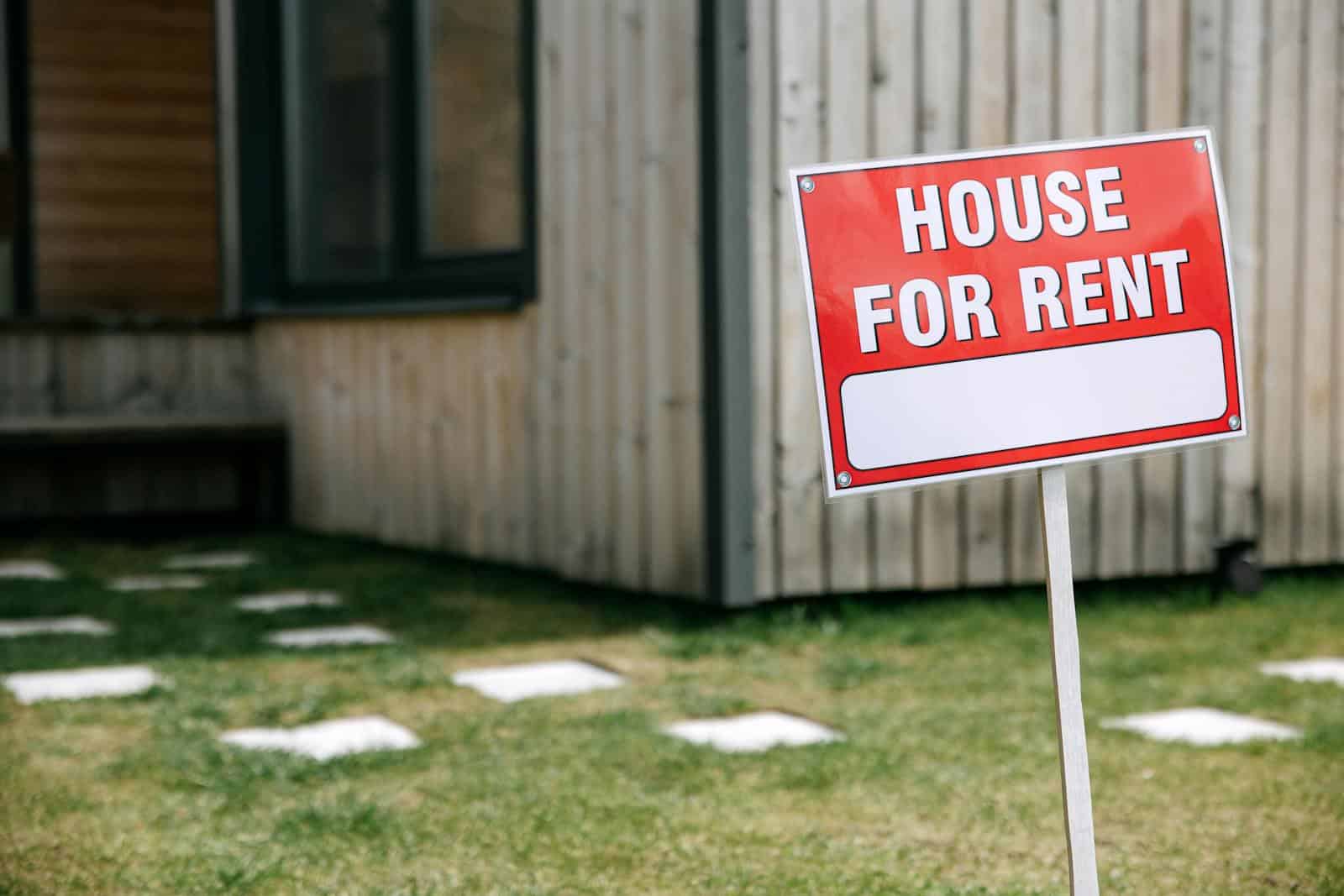
A major reason home prices refuse to experience a meaningful correction is the sheer lack of available properties on the open market. Many current homeowners are holding onto older mortgages with rates below 4% and have zero financial incentive to sell and move. This phenomenon has created a frozen market where very few existing homes are listed for sale.
National numbers back up the feeling of scarcity. Existing home data from the National Association of Realtors shows just 4.4 months of inventory on the market as of April 2026, well below the six-month level often seen as a balanced market. That tight supply keeps competition fierce and prices stubbornly high even as buyers struggle.
Soaring Local Property Taxes Bleed Household Budgets

The hidden expenses of owning a piece of real estate can catch a family off guard long after they close the deal. As local property values are reassessed at these new historic highs, regional property tax bills are climbing at an alarming rate. This continuous increase forces families to dedicate a larger portion of their take-home pay to local municipalities.
This tax inflation makes maintaining a home incredibly difficult, even for individuals who secured their properties decades ago on a modest budget. When your fixed annual expenses climb by thousands of dollars without a matching salary bump, other categories face immediate cuts.
Strict Lending Standards Disqualify Consistent Earners

In response to fluctuating market conditions, traditional banking institutions have significantly tightened their loan approval criteria. Borrowers now need strong credit scores and substantial cash reserves to secure the best available financing terms on a property. This conservative approach leaves self-employed individuals and gig economy workers facing an uphill battle during the underwriting process.
Even if you have a proven track record of paying high rent consistently for several years, underwriters remain incredibly cautious. This strict barrier means many responsible families fail to qualify for a mortgage on a home that would actually cost less than their current rent. It keeps capable buyers trapped in a loop of endless paperwork and frequent rejections.
The Complete Disappearance Of Affordable Subdivisions

Modern home builders are facing high material costs and strict local zoning laws, making it financially unviable to construct modest properties. Instead of building simple starter homes, developers are focusing almost exclusively on luxury townhomes and expansive executive estates to maximize profits.
Without new, moderately priced inventory entering local communities, the competition for older houses remains incredibly fierce. Families who just want a basic, functional space are forced to pay luxury prices for properties that need immediate repairs. This lack of diverse building choices leaves ordinary buyers with virtually no suitable options.
Astronomical Home Renovation And Material Costs

Buying a fixer-upper used to be the classic, time-tested strategy for a middle-class family to enter a desirable neighborhood. Today, however, the price of lumber, copper piping, and professional labor has climbed so high that renovations can instantly break your budgeting plans. A simple kitchen update or roof replacement can end up costing as much as a down payment.
Industry data from builders and economists show that construction input costs remain well above pre-pandemic levels, even after some cooling, keeping renovation budgets under pressure. This construction premium means that purchasing a house that needs work can quickly transform into a massive financial trap. It adds an immense layer of stress to the already exhausting process of moving.
The Long Delay Of Major Life Milestones

The sheer financial strain of navigating the modern housing market is forcing families to make profound personal sacrifices. Young couples are actively choosing to delay getting married, starting a family, or pursuing higher education because their shelter costs are so high. The financial security required to take these traditional steps feels completely out of reach.
A 2025 analysis of National Association of Realtors data, reported in Fortune, found that the typical age of a first-time homebuyer has climbed to about 40, up sharply from 28 in the early 1990s, as affordability has deteriorated. When buying a first home, it slides a decade later in life, it reshapes family planning, long-term career choices, and community stability.
Drastic Urban Sprawl Forces Extreme Commute Times

Because inner-ring suburbs and downtown districts have become entirely unaffordable, middle-class buyers are moving further out into distant rural fringes. This geographic displacement creates a massive modern phenomenon known as the super commute, in which parents spend hours traveling to work each day.
Spending your entire week trapped in heavy highway traffic means missing out on morning meals and evening activities with your children. The cash you save on a slightly cheaper mortgage is frequently swallowed up by rising fuel costs and vehicular maintenance.
The Evaporation Of Generational Wealth Transfers

In previous eras, the equity built up in a family home served as a financial launchpad for the next generation. Parents could leverage their property to help their children fund a college education or secure a down payment on their own homes. Today, however, that accumulated equity is being entirely consumed by the rising costs of senior healthcare.
Aging Americans are frequently forced to sell their properties to fund expensive assisted living facilities or medical treatments later in life. This reality means that younger adults must build their own financial foundations completely from scratch without any inheritance. It breaks the traditional cycle of intergenerational wealth building and leaves the middle class entirely on its own.
Key Takeaway

Surviving the current real estate squeeze requires a complete rejection of old-school assumptions regarding property ownership and personal wealth accumulation. Sticking to a traditional plan of saving money in a standard account while waiting for home values to suddenly plummet is a strategy that leaves many families behind.
Protecting your household budget requires exploring alternative path options, such as high-yield financial vehicles, co-buying arrangements with extended family, or relocating to emerging regional hubs where the cost of shelter does not completely devour your hard-earned income.
Disclaimer – This list is solely the author’s opinion based on research and publicly available information. It is not intended to be professional advice.
Like our content? Be sure to follow us