Are people high at work and on the road? Here’s what the numbers show
With marijuana now legal in many states, you might be wondering: How many people are actually high while working, driving, or going about their day? The short answer is probably more than you think—but measuring it precisely is surprisingly tricky.
More Americans Use Cannabis Daily Than Alcohol
Here’s a stat that catches most people off guard: Daily cannabis use has now overtaken daily drinking in America. About 17.7 million Americans used marijuana daily or nearly every day in 2022, compared to 14.7 million who drank alcohol that often. Among young adults aged 19-30, nearly 1 in 10 use cannabis daily—almost triple the rate for alcohol.
Overall, about 19% of U.S. adults have used cannabis at least once recently, and those numbers keep climbing in states where it’s legal.
Using Cannabis at Work Is More Common Than You’d Think
So are people actually high on the job? Research says yes, at least sometimes. Studies found that 7.4% of U.S. workers used cannabis at work or within two hours of their shift starting in the past month. In states where recreational marijuana is legal, that number jumps to 8.5%.
Among people who use cannabis regularly, about 21.5% report using it at or around work—and if they’re medical marijuana patients, that figure rises to nearly 30%. Perhaps most eye-opening: one-third of workers in safety-sensitive jobs say they’ve seen coworkers use cannabis while on the clock.
Driving While High: A Growing Concern
When it comes to getting behind the wheel, the numbers are even more concerning. A whopping 85% of cannabis users admit they drive on the same day they consume marijuana, and more than half drive within just one hour of using.
Back in 2018, about 4.7% of Americans reported driving under the influence of marijuana—and experts believe that percentage has likely grown since legalization expanded. Even more troubling: Researchers analyzed coroner records from Montgomery County in Ohio from January 2019 to September 2024, focusing on 246 deceased drivers who were tested for THC following a fatal crash. Over 40% of drivers killed in recent fatal crashes tested positive for active THC in their system, often at levels well above what’s considered impairing.
READ: Think You Can Drive High? Here’s What THC Does to Your Driving Skills
Why the Numbers Are Hard to Pin Down
Here’s where it gets complicated: unlike alcohol, there’s no simple breathalyzer for marijuana. THC (the chemical that gets you high) can linger in your blood or saliva for days or even weeks, especially if you use cannabis regularly. That means testing positive doesn’t necessarily prove someone was actually impaired at that exact moment.
Federal studies have found that while THC-positive drivers show up more often in crashes, when researchers adjust for factors like age and alcohol use, the added risk from marijuana alone becomes less clear. That doesn’t mean driving high is safe—just that measuring its impact is scientifically challenging. Regular users may also handle higher THC levels better than occasional users, making impairment even harder to measure consistently.
The Bottom Line
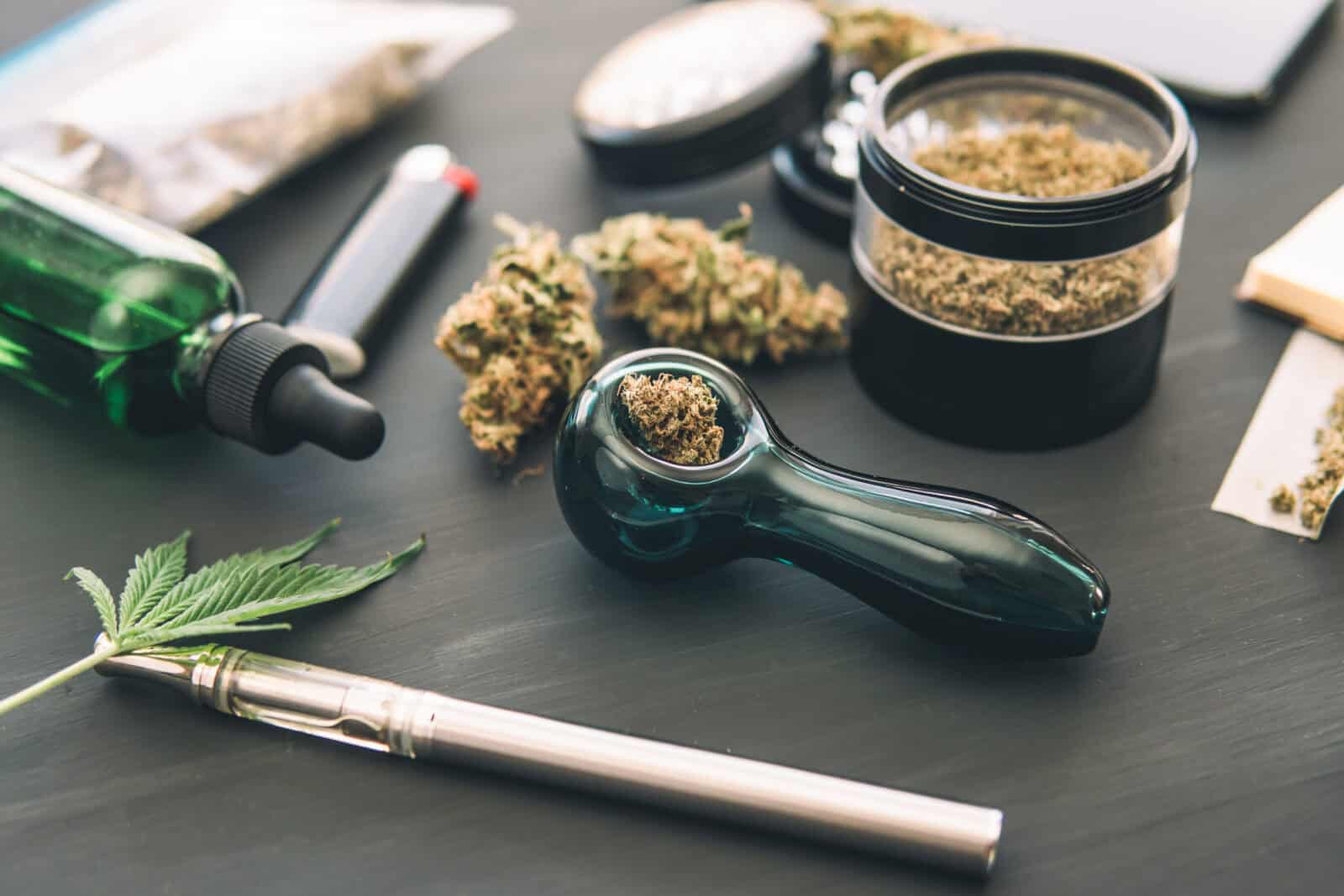
Millions of Americans are likely going about their daily routines—working, driving, shopping—while at least mildly high. Legalization has normalized cannabis use much like alcohol, making low-dose daytime use more socially acceptable. Remote work, vaping, and edibles have made discreet use easier than ever.
But the science of impairment remains murky, leaving employers, law enforcement, and public health officials grappling with how to keep workplaces and roads safe in this new era of legal marijuana.
More articles:
- 13 U.S. states that rank highest in alcohol consumption
- Alcohol and Cancer: Surgeon General Calls for Warning Labels Amid Rising Health Concerns
- Americans Sober Up: The Rise and Impact of the “Sober-Curious” Movement