America’s healthcare is collapsing, and you might be next
America has a healthcare system that can perform miracles and still make people afraid to open the mail. A doctor can save your life on Monday, and by Friday, the bill can make you wonder whether survival came with a payment plan you never agreed to. That is the strange cruelty of the system: it is advanced enough to treat the body, but often too expensive, too confusing, and too unequal to protect the person living inside it.
The U.S. spent about $5.3 trillion on healthcare in 2024, yet millions of people still delay appointments, ration prescriptions, avoid emergency rooms, or carry medical debt long after the crisis has passed.
For women, caregivers, mothers, rural families, disabled people, older adults, low-income workers, and people of color, the cracks are not abstract. They show up in missed screenings, closed maternity wards, impossible childcare choices, unpaid medical bills, prescription delays, and the quiet family meetings where someone asks, “Can we afford to get this checked?”
Healthcare spending keeps climbing past what families can bear

The United States spent about $5.3 trillion on healthcare in 2024, equal to 18% of the nation’s GDP. That number is so large it almost loses meaning, until you remember that it is built from premiums, taxes, hospital bills, prescriptions, deductibles, co-pays, employer costs, and every exhausted patient trying to understand a bill written like a puzzle.
The cost curve is still rising. Health spending is projected to reach about $8.6 trillion by 2033, and that means healthcare will keep taking a bigger bite out of wages, business budgets, public spending, and family life. A system that expensive should feel safe to use. Instead, many Americans treat healthcare like a locked door they can only open if the pain is bad enough.
Medical debt is trapping families long after treatment ends
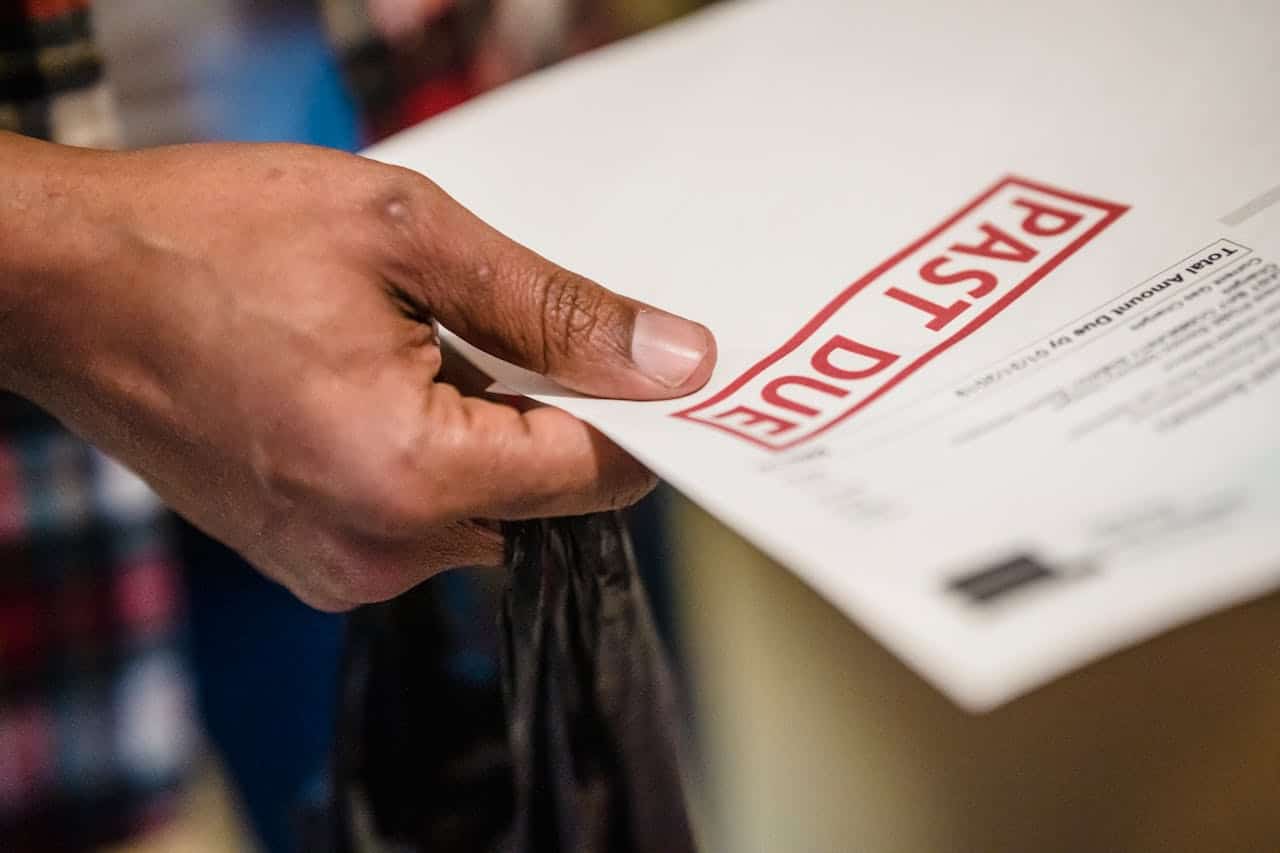
A medical bill can outlive the illness. It can sit on the kitchen table, damage credit, delay homeownership, force borrowing, or follow a family for years after the hospital bracelet is gone. KFF has found that about 20 million U.S. adults have medical debt, with most owing more than $1,000 and about half owing more than $2,000.
The wider burden is even heavier. KFF Health News, NPR, and CBS News have reported that more than 100 million people in America carry some form of healthcare debt. That includes credit card balances, payment plans, family loans, unpaid bills, and debts sent to collections. This is what collapse can look like in private: not one dramatic moment, but a family quietly paying for survival in installments.
Insurance no longer guarantees affordable care

Having insurance in America often feels like having an umbrella with holes in it. You may be covered, technically, but still exposed to premiums, deductibles, co-insurance, prescription tiers, prior authorization, narrow networks, and bills that appear after the fact like ghosts with account numbers.
KFF’s 2025 Employer Health Benefits Survey found that average annual employer-sponsored premiums reached $9,325 for single coverage and $26,993 for family coverage. Workers paid an average of $6,850 toward family coverage, before many even touched a deductible. That means families can do the responsible thing, keep insurance, pay every month, and still feel financially unsafe when someone actually needs care.
Millions still cannot afford care when they need it

Affordability is not just about insurance cards. It is about whether people can actually get care without wrecking the rest of their lives. West Health and Gallup reported in 2025 that 35% of U.S. adults, an estimated 91 million people, said they could not access quality healthcare if they needed it that day.
That is not a small access problem. That is a national warning light. When people delay tests, skip treatment, avoid follow-ups, split pills, or ignore symptoms because they fear the cost, the system creates worse illness later. A mother who waits on her own care because the children need shoes is not making a “bad choice.” She is navigating a system that keeps asking her to rank emergencies.
Rural hospitals are closing and communities are losing lifelines
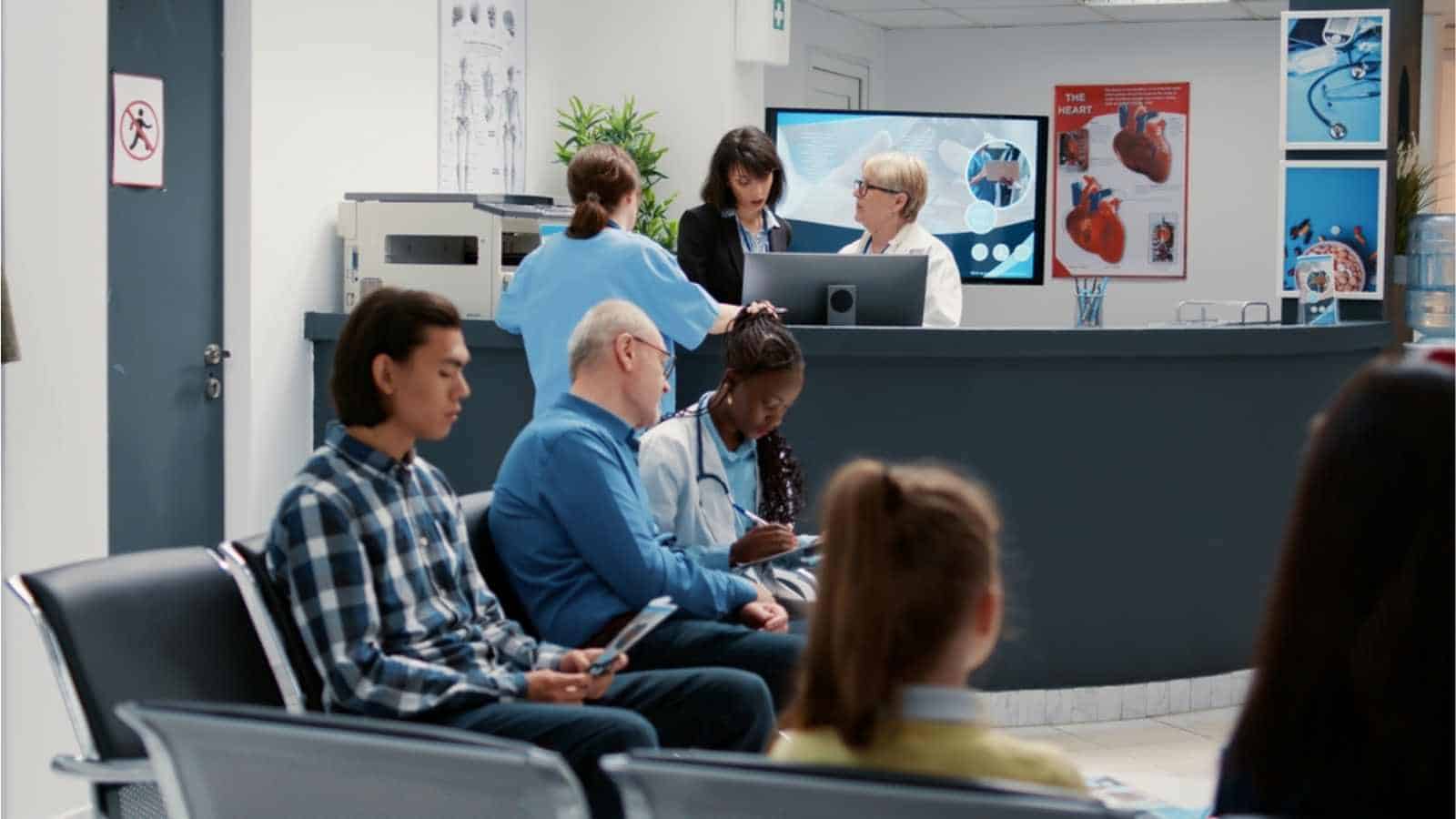
A hospital closure in a rural community is not just the loss of a building. It can mean longer drives during a stroke, fewer jobs in town, delayed emergency care, fewer specialists, and families forced to leave their communities for basic services. Chartis reported in 2025 that 46% of rural hospitals had negative operating margins and 432 were vulnerable to closure.
The crisis is already visible. Since 2010, 182 rural hospitals have closed or converted to models without inpatient care, according to Chartis. Rural residents are being told, in effect, that geography should determine how quickly they can reach help. That is not healthcare equity. That is a zip-code lottery with ambulance sirens.
Maternity care is disappearing from rural America

For pregnant women in rural communities, the collapse is especially frightening. The Center for Healthcare Quality and Payment Reform says less than half of U.S. rural hospitals still offer labor and delivery services. In 12 states, less than one-third do.
The closures are accelerating. Rural hospital labor and delivery units saw 27 completed or planned closures in 2025, up from 21 in 2024, bringing the total since 2020 to 116. This is not just a service cut. It is a maternal health risk. A woman in labor should not have to calculate road time, weather, childcare, gas money, and the nearest open delivery unit while her body is already doing the hardest work of her life.
Healthcare workers are burned out, and patients feel the fallout

Healthcare workers are not machines with stethoscopes. They are people carrying grief, long shifts, staff shortages, moral distress, and the pressure of caring for patients inside a system that often gives them too little time and too much paperwork. A 2025 JAMA Network Open study found burnout among U.S. healthcare workers rose from 30.4% in 2018 to 39.8% in 2022, then fell to 35.4% in 2023, still above pre-pandemic levels.
Burnout is not only a workforce problem. It becomes a patient’s problem. Tired clinicians have less time, less emotional room, and less support to deliver the careful, human attention patients need. That does not mean healthcare workers care less. It means the system keeps asking care workers to absorb the collapse with their bodies.
Prescription drug prices keep turning treatment into a luxury

Medication should not become a monthly guessing game. Yet prescription drug prices remain one of the clearest signs that the system is failing patients. HHS data showed that from January 2022 to January 2023, more than 4,200 drug products had list-price increases, and 46% of those increases exceeded inflation.
For patients, this does not feel like a policy statistic. It feels like standing at the pharmacy counter while the cashier says a number you cannot pay. It feels like choosing which medication gets filled first. It feels like rationing, splitting, skipping, calling the doctor for a cheaper option, or leaving without the drug and hoping your body forgives you. No one should need a coupon hunt to stay alive or functional.
Emergency rooms are overloaded, and the wait can be dangerous

Emergency rooms are supposed to be the place people go when waiting is no longer safe. Yet they are increasingly carrying the weight of a strained system: primary care shortages, mental health gaps, uninsured patients, delayed care, hospital capacity problems, and staffing stress.
CDC data show 155.4 million emergency department visits in 2022, with 17.8 million resulting in hospital admission. Healthy People 2030 reports that in 2022, 20.6% of emergency department visits had wait times longer than recommended, up from a 2016 baseline of 19.2%.
Those numbers matter because delays are not just annoying. For some patients, waiting too long can mean worsening pain, missed treatment windows, or leaving before receiving care at all.
Health inequities are costing lives and billions

America’s healthcare collapse does not hit everyone equally. Race, income, gender, geography, disability, language, insurance status, and neighborhood conditions all shape who gets timely care, respectful treatment, accurate diagnoses, and a fair chance at recovery.
Deloitte estimated that health inequities account for about $320 billion in annual healthcare spending and could exceed $1 trillion by 2040 if left unaddressed. That figure is staggering, but the human cost is larger. Inequity means Black mothers facing higher maternal risk, rural patients driving farther, low-income families delaying care, disabled patients fighting access barriers, and communities living with preventable illness that the system chooses to tolerate.
Hospital safety is still under strain

Going to the hospital should make people safer. Often, it does. But hospitals also remain places where patients can face infections, medication errors, diagnostic delays, falls, and preventable harm. The CDC says that on any given day, about 1 in 31 hospital patients has at least one healthcare-associated infection.
Hospital-acquired infections surged during the pandemic, then improved in later years, but the warning remains. Safety depends on staffing, supplies, infection control, time, training, and systems that do not leave clinicians stretched beyond capacity. When hospitals are overwhelmed, patient safety becomes harder to protect. The patient may never see the staffing spreadsheet, but their body can feel its consequences.
Rising health costs crowd out everything else

Healthcare does not only compete with other medical spending. It competes with wages, education, housing, childcare, retirement savings, public budgets, and household stability. Employers spend more on coverage. Workers pay more in premiums. Governments spend more on health programs. Families have less room for everything else.
This is why the system’s collapse feels so wide. A healthcare bill can become a rent problem. A premium increase can become a wage problem. A state budget strained by medical costs can become a school funding problem. The money has to come from somewhere, and too often it comes from the same people already being told to tighten their belts.
Employers are struggling too, and workers pay the price

Employer-sponsored insurance covers a huge share of working-age Americans, but it is becoming more expensive for businesses to provide and for workers to use. KFF found that the average family premium rose 6% in 2025, up 26% since 2020 and 53% since 2015.
When employers face rising health costs, workers may see higher premiums, higher deductibles, weaker benefits, smaller raises, or fewer choices. The pain does not stay in the HR department. It lands in paychecks, open enrollment decisions, delayed care, and the quiet panic of choosing a plan based on the least terrifying worst-case scenario.
The profit structure keeps colliding with patient care

The U.S. healthcare system contains brilliant people doing lifesaving work, but it also contains a business model that often rewards complexity, billing power, market leverage, and denial management. Patients experience that as confusion: why is the bill so hard to read, why was coverage denied, why does one hospital charge more than another, why does the insurer need another form, and why does getting care feel like negotiating a hostile contract?
This is where public anger comes from. People know illness is not a consumer choice in the normal sense. You do not comparison-shop calmly during chest pain. You do not negotiate hospital prices while your child is sick. A system built around profit may still deliver care, but it also creates incentives that can conflict with patients’ need for speed, clarity, affordability, and mercy.
The future looks even more expensive

If the current path continues, healthcare will take up more of the economy and more of family life. CMS projections show national health spending reaching $8.6 trillion by 2033. That is not just a future budget line. It is a warning about where the pressure is going next.
Without serious reform, families may face higher premiums, higher drug costs, fewer rural services, longer waits, more medical debt, and more workers burned out before patients even reach them. The system is not collapsing in one sudden crash. It is buckling in pieces.
A hospital closes here. A maternity ward disappears there. A family skips medicine. A nurse leaves. A patient waits. A bill arrives. And somehow everyone is told this is normal.
The takeaway

America’s healthcare system is not failing because doctors, nurses, aides, pharmacists, therapists, paramedics, and support staff do not care. Many care so deeply that the system is consuming them. It is failing because the structure around care has become too expensive, too unequal, too complex, too profit-driven, and too willing to make patients carry the risk.
This is not distant policy talk. Women are often the ones scheduling appointments, fighting insurance portals, remembering prescriptions, caring for parents, managing children’s care, delaying their own checkups, and absorbing the fear when a bill arrives. A healthcare system should not require a family advocate, a legal mind, a spreadsheet, and a miracle just to function.
Care should feel like care. Too often in America, it feels like a test you can fail, even when you are sick.
Disclaimer – This list is solely the author’s opinion based on research and publicly available information. It is not intended to be professional advice.
Like our content? Be sure to follow us