10 facts about the $1,500 insulin crisis every American should see
Insulin should not be a luxury item. It should not sit behind a price tag so frightening that people start stretching doses, delaying refills, skipping meals, draining savings, or choosing between medicine and rent. Yet for many Americans with diabetes, insulin has become exactly that kind of impossible monthly math.
The phrase “$1,500 insulin crisis” may sound dramatic, but the fear behind it is real. Some people with little or no insurance coverage have reported paying more than $1,000 a month when higher doses are needed, and families know how quickly pharmacy costs can become a financial cliff. Yale’s Kasia Lipska notes, “This is not inflation, there’s much more going on.”
Women are often the ones tracking prescriptions, fighting insurance denials, stretching household budgets, and noticing when someone they love is not taking the full dose.
Insulin costs can become catastrophic fast

A Yale-led study published in Health Affairs found that 14.1% of Americans who use insulin experienced catastrophic spending in a single year. The study defined that as spending more than 40% of postsubsistence income on insulin alone, meaning the money left after basic food and housing costs. That represented nearly 1.2 million people.
That number should make the country uncomfortable. Insulin is not an optional upgrade, a beauty splurge, or a nice-to-have prescription. For people who need it, it is the difference between a body staying regulated and a medical emergency waiting to happen. When the cost of one medicine eats such a large share of what a household has left, the crisis spills into everything else: groceries, rent, childcare, gas, debt, sleep, and dignity.
Medicare patients were hit hard before the federal cap

The same Health Affairs research found that nearly two-thirds of people who faced catastrophic insulin spending were Medicare beneficiaries. That matters because many Americans assume Medicare automatically protects older adults and disabled people from brutal prescription costs. The reality was messier.
Before the Inflation Reduction Act’s $35 cap, some Medicare beneficiaries faced high out-of-pocket costs depending on their plan, insulin type, deductible, and coverage stage. That kind of uncertainty can be especially cruel for older adults living on fixed incomes. A grandmother should not have to count insulin pens against the light bill. A retired worker should not need a spreadsheet to figure out whether staying alive fits inside the month’s budget.
Insulin prices did not become painful overnight

The insulin crisis did not appear out of nowhere. The Health Affairs article and Yale researchers have noted that insulin prices more than doubled over the previous decade, turning a life-sustaining medicine into a recurring financial threat for many families.
That long rise matters because it shows this was not a temporary supply hiccup or a short seasonal spike. It was a pricing problem that kept building while patients kept paying. People adjusted quietly at first. They used savings. They asked their family for help. They changed pharmacies. They stretched refills. They rationed in ways they may not have admitted to their doctors.
By the time the crisis became a national headline, many households had already been living with the damage for years.
Some Americans can face four-figure monthly costs

A Lancet Diabetes & Endocrinology commentary reported that people with little or no coverage have described paying more than $1,000 per month when higher insulin doses are required. That is where the frightening “$1,500 insulin” language comes from: not as the average price for every patient, but as the kind of monthly sticker shock that can happen when insurance coverage is weak, doses are high, formularies are unfriendly, or pharmacy prices are unforgiving.
For families, the exact number matters less than the cliff. A bill of $300 can be devastating. A bill of $700 can wreck a household budget. A bill above $1,000 can turn medicine into a crisis call. This is why insulin affordability is not solved by telling people to shop around harder. A person in medical need should not have to become a pricing detective just to obtain a drug their body depends on.
Three manufacturers dominate the insulin market
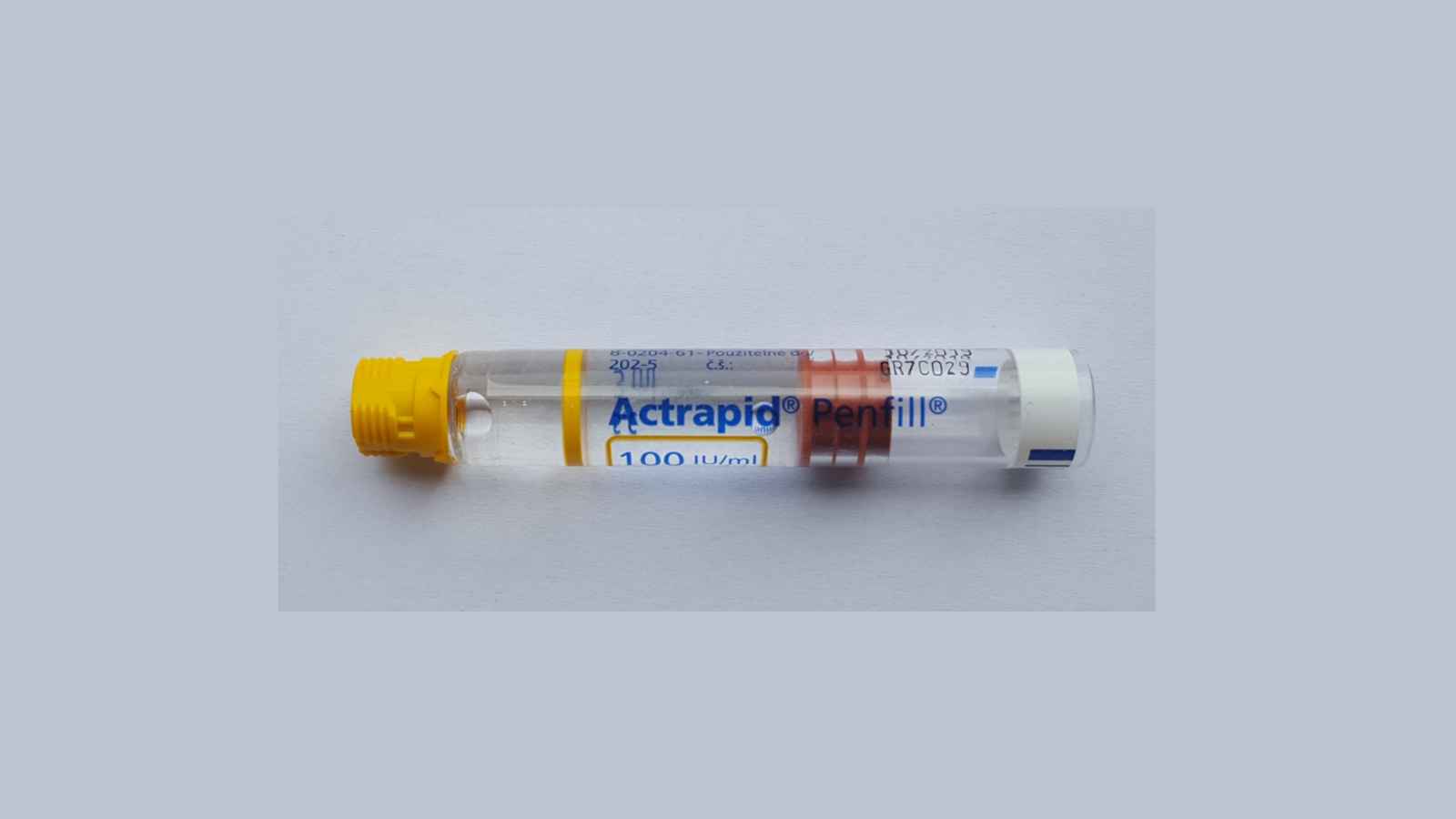
The structure of the insulin market has helped keep prices high. Reviews cited by diabetes policy experts note that three major manufacturers dominate roughly 90% of the U.S. insulin market. When a small group controls most of the supply, competition does not work the way patients are often told it should.
That concentration matters because patients do not experience the market as a clean textbook chart. They experience it at the counter when the pharmacist says the price, the coupon does not work, the plan changed coverage, or the doctor has to rewrite a prescription to match the insurer’s preferred brand. A medicine discovered more than a century ago should not feel trapped inside a modern pricing maze.
Rationing insulin is still a dangerous reality
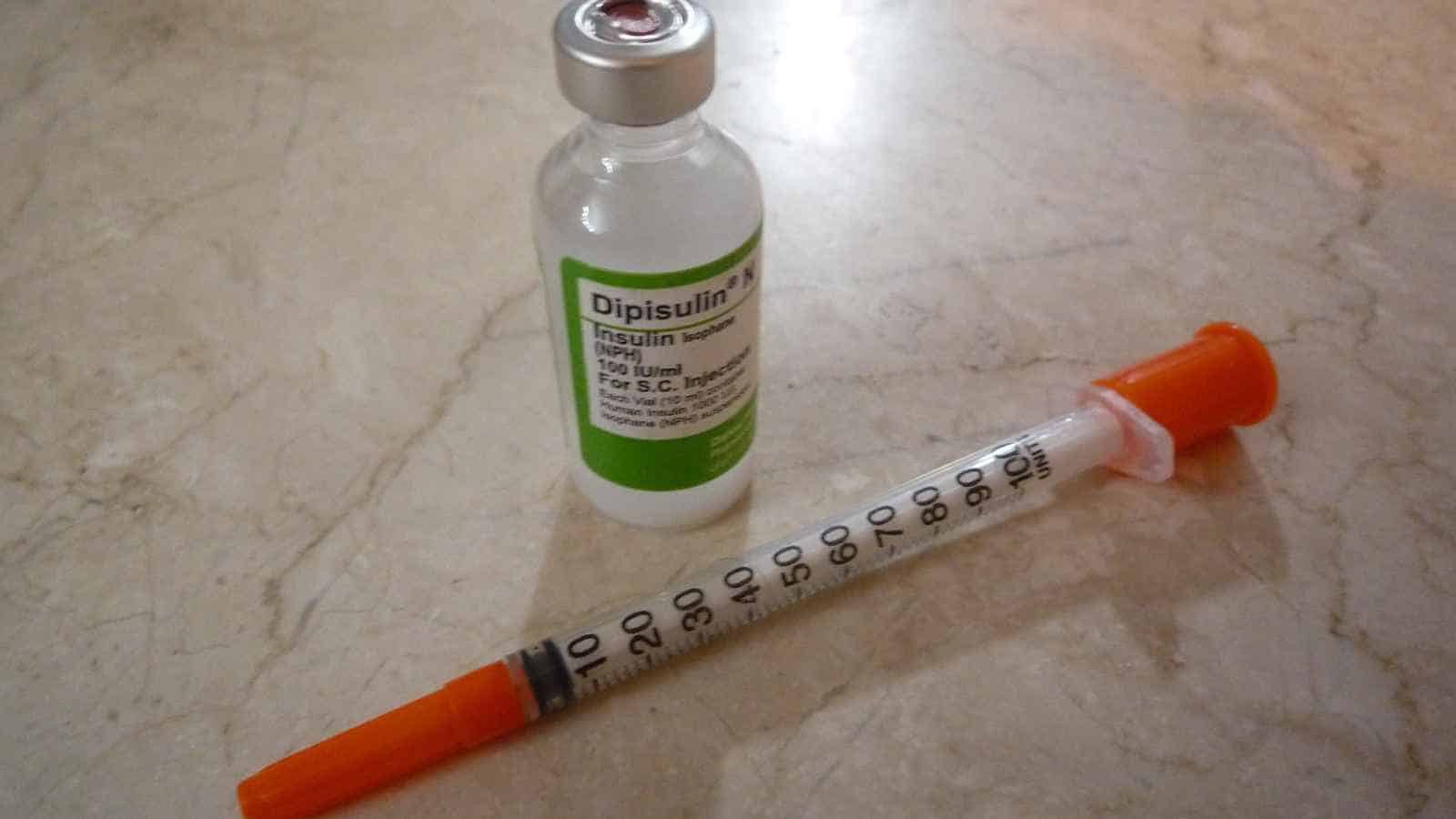
Cost-related insulin rationing is one of the clearest signs that the system is failing. Research published in Annals of Internal Medicine estimated that about 1.3 million American adults with diabetes rationed insulin because of cost. Rationing can mean delaying a refill, taking less than prescribed, skipping doses, or trying to make a supply last longer than it safely should.
This is not frugality. It is danger dressed up as budgeting. Too little insulin can lead to serious complications, emergency care, hospitalization, and death. It can also create constant fear for patients and families. A mother noticing her child is stretching insulin, a partner checking the fridge, an adult daughter calling pharmacies for an aging parent, these are not rare scenes. They are the human side of a pricing system that asks people to gamble with their health.
The Medicare $35 cap helped, but it did not cover everyone

The Inflation Reduction Act capped out-of-pocket insulin costs for Medicare beneficiaries at $35 per month for covered insulin under Part D, with a similar cap for Part B insulin. HHS estimated that about 1.5 million Medicare beneficiaries using insulin would have saved $734 million in Part D and $27 million in Part B if the cap had been in place in 2020.
That is real progress. For many Medicare users, the cap turned insulin from a monthly panic into a more predictable expense. But the key phrase is Medicare beneficiaries. Millions of people who use insulin are younger, privately insured, underinsured, uninsured, or caught in plan designs that still create cost barriers. A policy can be lifesaving for one group and still leave others standing outside the door.
Earlier federal efforts reached fewer people

Before the broader Medicare insulin cap, the Trump-era Part D Senior Savings Model offered $35 insulin copays through participating Medicare drug plans. KFF explains that the model was voluntary, time-limited, and did not include every plan or every covered insulin product in the same way.
That difference matters because voluntary programs can create a patchwork. Some people benefit. Others miss out because of plan choice, geography, formulary rules, or simple confusion. The Inflation Reduction Act made the Medicare cap much broader, but the earlier model shows why narrow fixes often leave patients playing coverage roulette.
People need clear, reliable protections, not a maze where the lucky ones find the right hallway.
State insulin caps help, but the protection is uneven

State insulin caps have helped some people, but they do not create a single national safety net. A 2024 JAMA Network Open analysis noted that 25 states and the District of Columbia had enacted insulin out-of-pocket caps for people covered by state-regulated commercial insurance plans. Many of those caps limit costs to $100 or less for a 30-day supply.
That sounds encouraging, and in many cases it is. But state caps usually do not cover everyone. People in self-funded employer plans may fall outside state rules. Uninsured patients may still be exposed. Some caps apply per prescription, which can matter for people who use multiple insulin products.
The result is a confusing map of partial protection. Your affordability may depend on where you live, what plan you have, who employs you, and which insulin your body needs.
Lower-cost insulin is emerging, but access still needs watching

There are signs of movement. In 2026, BCBS and Civica announced that Civica’s insulin glargine-yfgn would be available to pharmacies at a wholesale acquisition cost of $45 for five pens, with a consumer-facing price capped at $55 per box. That is far below the $150 to $500 per box that patients may pay for long-acting insulin pens from major brands, depending on brand and pharmacy.
That kind of pricing could make a real difference if access is broad, consistent, and simple. But patients have heard promises before. Lower-cost insulin only helps if pharmacies stock it, clinicians know about it, insurers cover it, patients can actually get it, and the price stays transparent.
The country should welcome cheaper insulin, but it should not stop asking the harder question: why did a century-old lifesaving medicine ever become this expensive in the first place?
The takeaway

The insulin crisis is not about people with diabetes failing to plan. It is not about patients being careless with money. It is not about families needing one more budgeting app. It is about a health system where life-sustaining medicine became financially dangerous for too many people.
Even if insulin is not part of your own medicine cabinet, it touches parents, grandparents, partners, pregnant people with diabetes, disabled people, caregivers, low-income families, and anyone who knows what it feels like to stand at a pharmacy counter and hope the price is not about to ruin the week. Insulin keeps people alive.
In a decent system, that would be the beginning of the conversation, not the most expensive part of it.
Disclaimer – This list is solely the author’s opinion based on research and publicly available information. It is not intended to be professional advice.
Like our content? Be sure to follow us