13 old-school school rules that would never fly today
Many of the rules that governed American classrooms just a few decades ago have quietly disappeared. In some cases, they weren’t merely unpopular; they became legally restricted, educationally discredited, or socially unacceptable.
One of the clearest examples is corporal punishment. According to federal education data, roughly 163,000 students were subjected to corporal punishment during the 2011–12 school year.
By 2020–21, that figure had fallen to about 19,400 students, reflecting a dramatic decline in the use of physical discipline in public schools. Meanwhile, most states have banned corporal punishment altogether, leaving only a minority where the practice remains legal.
School policies have also evolved in areas such as student privacy, gender equality, disability accommodations, and freedom of expression. Rules that once dictated everything from hair length to clothing choices are increasingly viewed through the lens of individual rights and student well-being.
Here are 13 old-school school rules that would likely spark controversy, or outright lawsuits, if they were widely enforced today.
Strict Mandatory Skirt Lengths

School administrators maintained complete control over female attire by enforcing rigid dress codes every single morning. Girls were not allowed to wear pants to class, regardless of the freezing winter weather or playtime activities. Female students had to kneel on the hard floor while a teacher measured the distance from their skirt hem to the ground with a wooden ruler.
If the fabric sat even an inch above the knee, the student faced immediate suspension or a frantic call to her parents. The ERA Coalition reported that, under Title IX, schools are now prohibited from enforcing dress codes in a discriminatory manner based on gender, meaning girls and boys must be treated equally with respect to clothing restrictions. Modern schools prioritize personal comfort and gender equality over this kind of intense physical policing.
Standard Administrative Physical Discipline
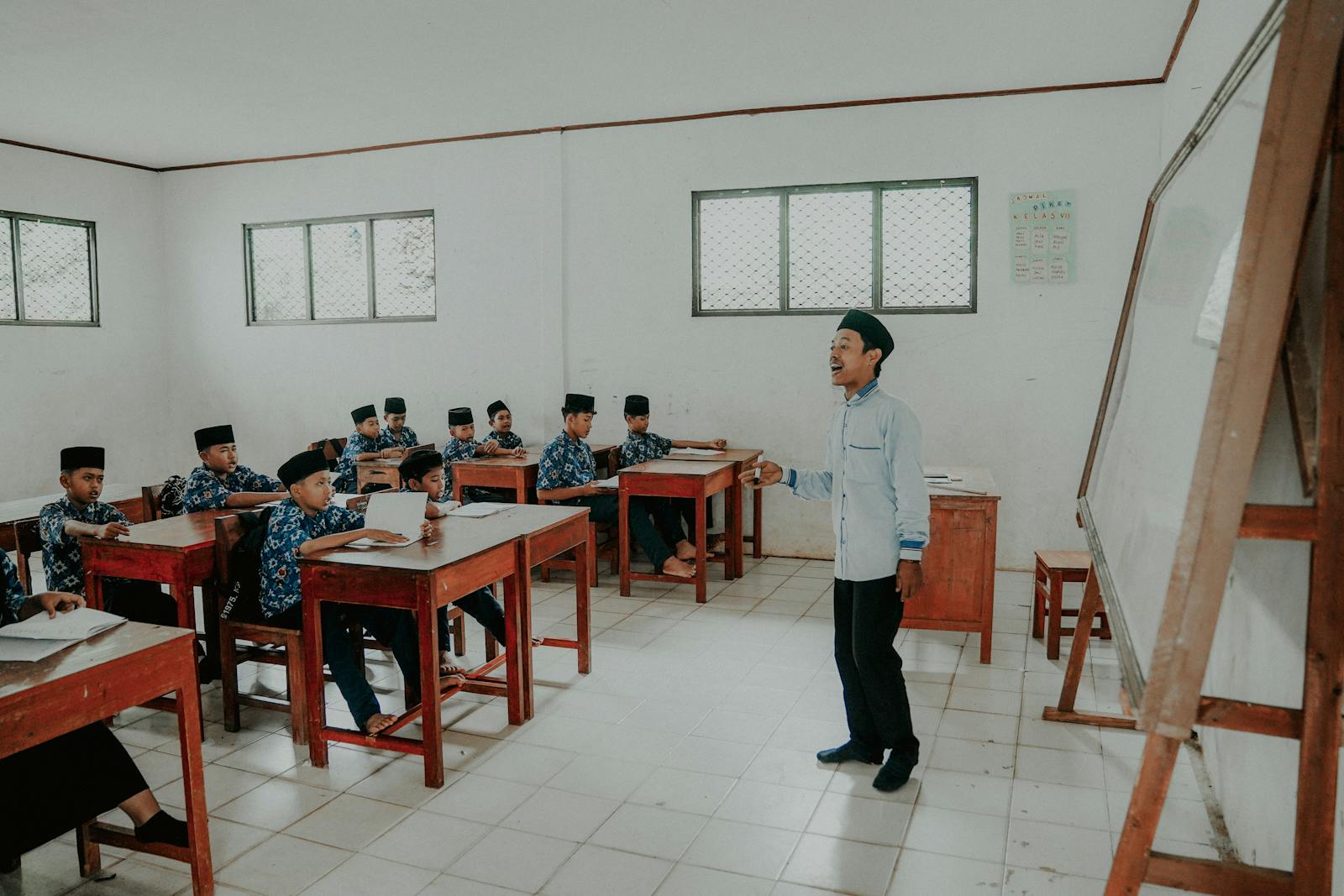
Principal offices in the mid-century era routinely kept thick wooden paddles hanging prominently on the wall behind their desks. Teachers could strike students across the hands or the backside for minor infractions like talking back or passing handwritten notes. This physical punishment was viewed as a healthy tool for building character and maintaining absolute silence in the hallways.
Parents usually supported the school authorities and added their own punishments once the child returned home. Today, hitting a student constitutes a serious criminal offense that ends an educator’s career instantly. The NEA reported that although the practice has been prohibited in most states, corporal punishment is still used to discipline students, and calls to ban it nationwide are growing louder.
Complete Ban on Left-Handed Writing

Left-handed children faced intense pressure to change their natural writing habits the moment they entered kindergarten. Instructors viewed left-handedness as a clumsy defect or a behavioral trait that required active correction. Teachers would physically tie a child’s left hand to the side of their wooden chair to force them to use their right hand instead.
This forced switch caused immense frustration, stuttering, and deep anxiety for thousands of developing young minds. A 2025 case in India demonstrated ongoing concerns when parents lodged a complaint with child welfare authorities after a principal forced their six-year-old daughter to stop writing with her left hand. Modern educators celebrate natural hand dominance and provide specialized tools to help every child succeed.
Mandatory Uniform Group Prayer
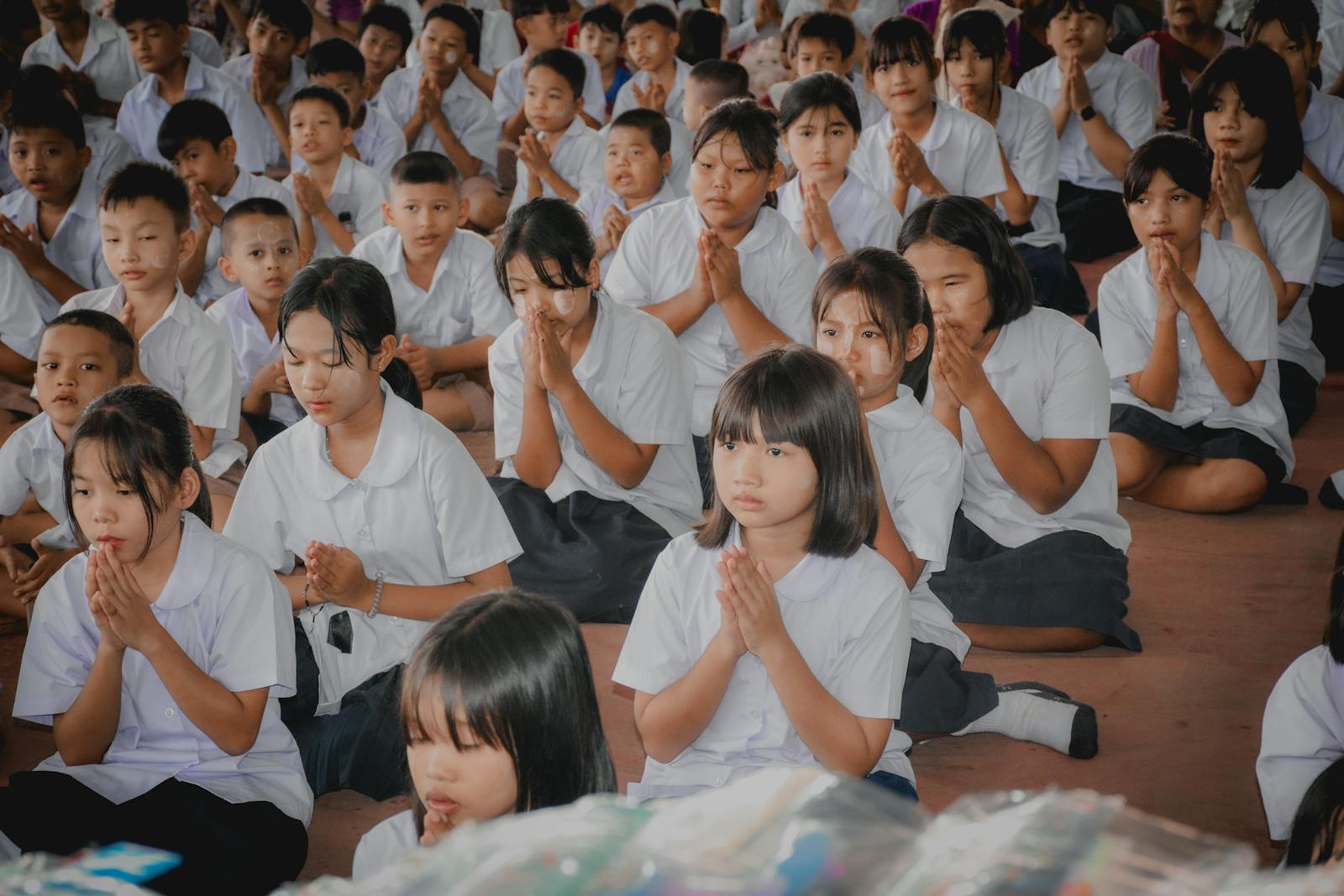
A typical school day began with the entire student body standing at attention as they recited religious prayers over the loud public address system. Teachers monitored the rows of desks to ensure that every single child bowed their head and participated without complaint. Students from different religious backgrounds or non-believing families had no choice but to conform to the dominant practice.
This mandatory routine was woven directly into the civic fabric of the educational system. Legal rulings have since removed state-sanctioned religious rituals from public classrooms to protect individual freedom. The landmark 1962 Supreme Court case Engel v. Vitale established that school-sponsored prayer violates the Establishment Clause of the First Amendment, even when students could opt out of the activity.
Unsupervised High School Smoking Lounges

Many secondary schools established dedicated outdoor spaces or indoor rooms where older teenagers could openly smoke cigarettes during recess. Administrators preferred to isolate the habit in one location rather than chasing students out of the restrooms. Teachers often joined the students during breaks to light up and chat about sports or weekend plans.
The widespread health risks of tobacco use were heavily ignored or downplayed by school health officials at the time. Current laws enforce strict tobacco-free zones across all educational properties to protect young lungs. This dramatic shift reflects an evolving understanding of the dangers of secondhand smoke and adolescent health protection.
Expulsion for Pregnant Students

Young women who became pregnant faced immediate expulsion and total banishment from the academic community. School boards argued that the physical presence of a pregnant teenager would corrupt the moral character of the other classmates. The expectant mothers were forced to hide away at home or attend specialized hidden facilities far away from their friends.
Meanwhile, the young men involved faced absolutely zero academic consequences or social shaming from the administration. Modern federal laws protect the right of every student to complete their education regardless of parental status. The Contra Costa County Office of Education confirmed that under Title IX, students cannot legally be expelled, suspended, or otherwise excluded from school programs solely based on their pregnancy-related conditions or parental status.
The Mandatory School Bank Accounts

Weekly “Bank Day” rituals turned thrift into a highly visible classroom metric. On these mornings, children brought deposit slips and spare coins to hand directly to the teacher, making student participation a public affair. While designed to teach financial responsibility, this routine effortlessly exposed and compared family finances right in the classroom.
Today, this approach faces heavy criticism from modern educators who argue that forced financial disclosure violates student equity and privacy. By tying positive feedback to regular cash deposits, the system rewarded families with extra money while quietly stigmatizing those who could not spare the change. Current financial literacy programs avoid singling out individual savings habits to ensure that no child feels excluded by their peers.
Total Ban on Long Hair for Boys

Young men faced rigid boundaries on hair length, especially as rock music trends began to influence youth culture. School handbooks stated that hair must not touch the top of the collar or cover the ears. Vice principals carried scissors in their pockets and would give forced haircuts in the hallway to anyone violating the code.
Boys who refused the emergency trim were barred from entering the building and missed their exams. Today, personal grooming choices are viewed as a form of protected self-expression. Courts have increasingly recognized that appearance-based restrictions must serve legitimate educational purposes rather than arbitrary conformity standards.
Complete Absence of Allergy Restrictions

School cafeterias and classroom birthday parties operated with absolutely zero awareness of potential food dangers. Children brought peanut butter sandwiches, nut-filled cookies, and dairy products into crowded spaces without a single thought. Students with severe food sensitivities had to manage their own safety in a world that completely ignored their medical needs.
Emergency epinephrine injectors were not kept in nurse offices, and staff lacked training to recognize anaphylactic shock. The CDC reported in 2025 that an estimated 1 in 13 children (8%), or 2 students per classroom, are now affected with food allergies, with at least 2 in 5 children (40%) having experienced severe reactions. Modern classrooms enforce strict nut-free zones to keep vulnerable children safe from harm.
Mandatory Female Home Economics Classes

Academic tracks were sharply divided by gender lines to prepare young people for traditional mid-century societal roles. Girls were funneled into mandatory home economics classes where they spent hours learning to sew aprons, bake pies, and manage household budgets. They were explicitly told that their primary measure of adult success would be their skill as a housewife.
The boys were sent to woodshop classes to learn manual trades and mechanical skills. This rigid tracking system limited career horizons for generations of bright young women. A study published on SSRN demonstrates that early 20th-century collegiate home economics programs introduced women to science, with a 10-percentage-point increase in women in home economics leading to a roughly 3-percentage-point increase in women majoring in science.
Student-Run Cold War Drills
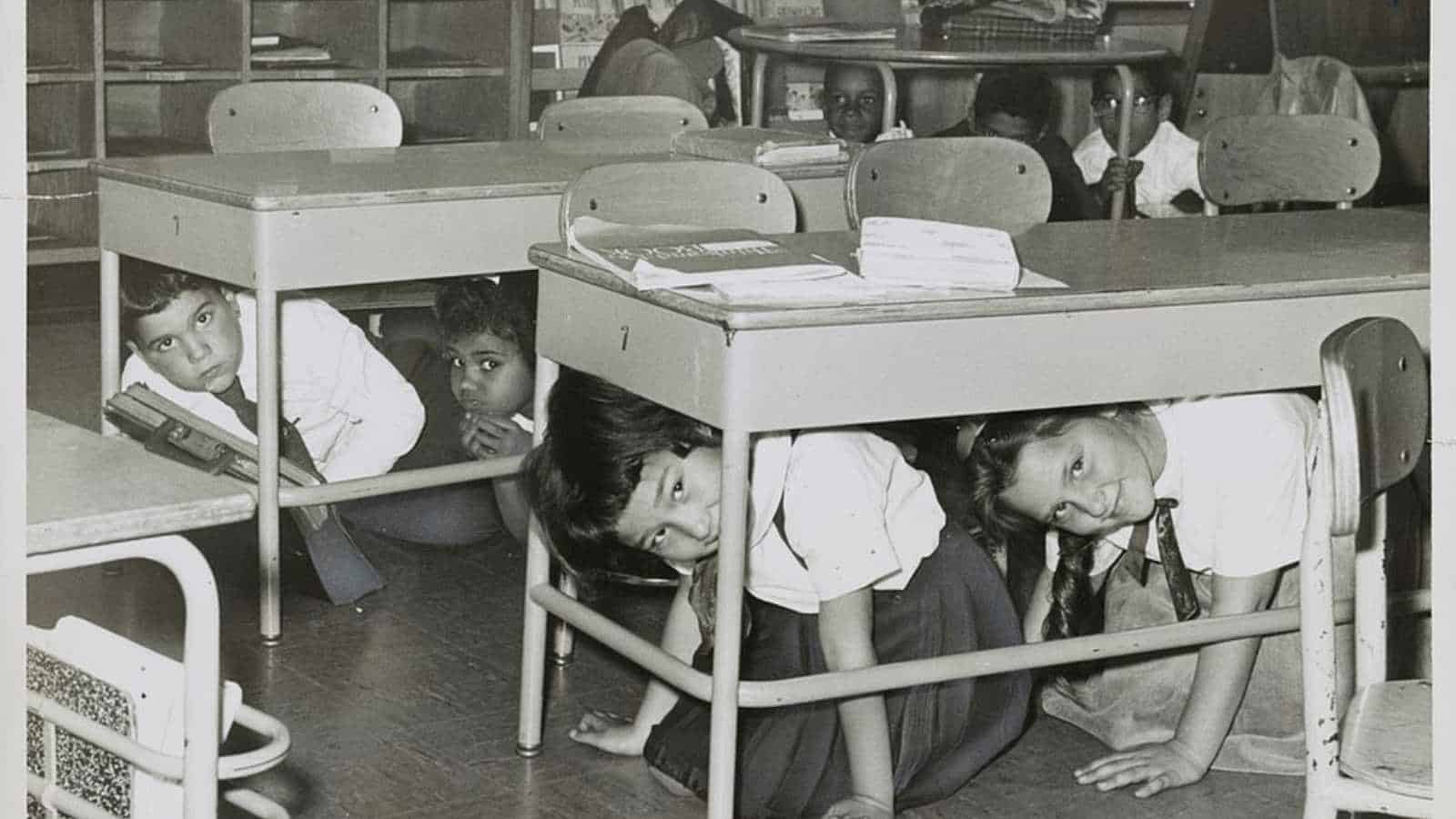
The constant threat of nuclear conflict forced schools to implement terrifying defensive drills regularly. At the sound of a sharp siren, children had to dive beneath their wooden desks and cover their necks with their hands. Instructors told the students that these flimsy pieces of furniture would protect them from a radioactive blast wave.
The intense exercises fostered a permanent atmosphere of fear and anxiety throughout the childhood years. Modern emergency planning focuses on realistic threats rather than these helpless psychological drills. Schools now practice lockdown procedures and evacuation plans designed for actual safety rather than symbolic gestures.
Banishment of Married Students

Getting married while still finishing high school resulted in automatic termination of your enrollment at the institution. School districts maintained that married teenagers possessed adult experiences that did not belong around innocent children. Young couples who chose to wed early were forced to abandon their diplomas and enter the workforce immediately.
This policy disproportionately harmed young women seeking to complete their basic studies. Modern educational institutions recognize that marital status has zero impact on a person’s right to learn. Anti-discrimination protections now ensure that personal life choices cannot prevent access to public education.
Forced Participation in Heavy Calisthenics
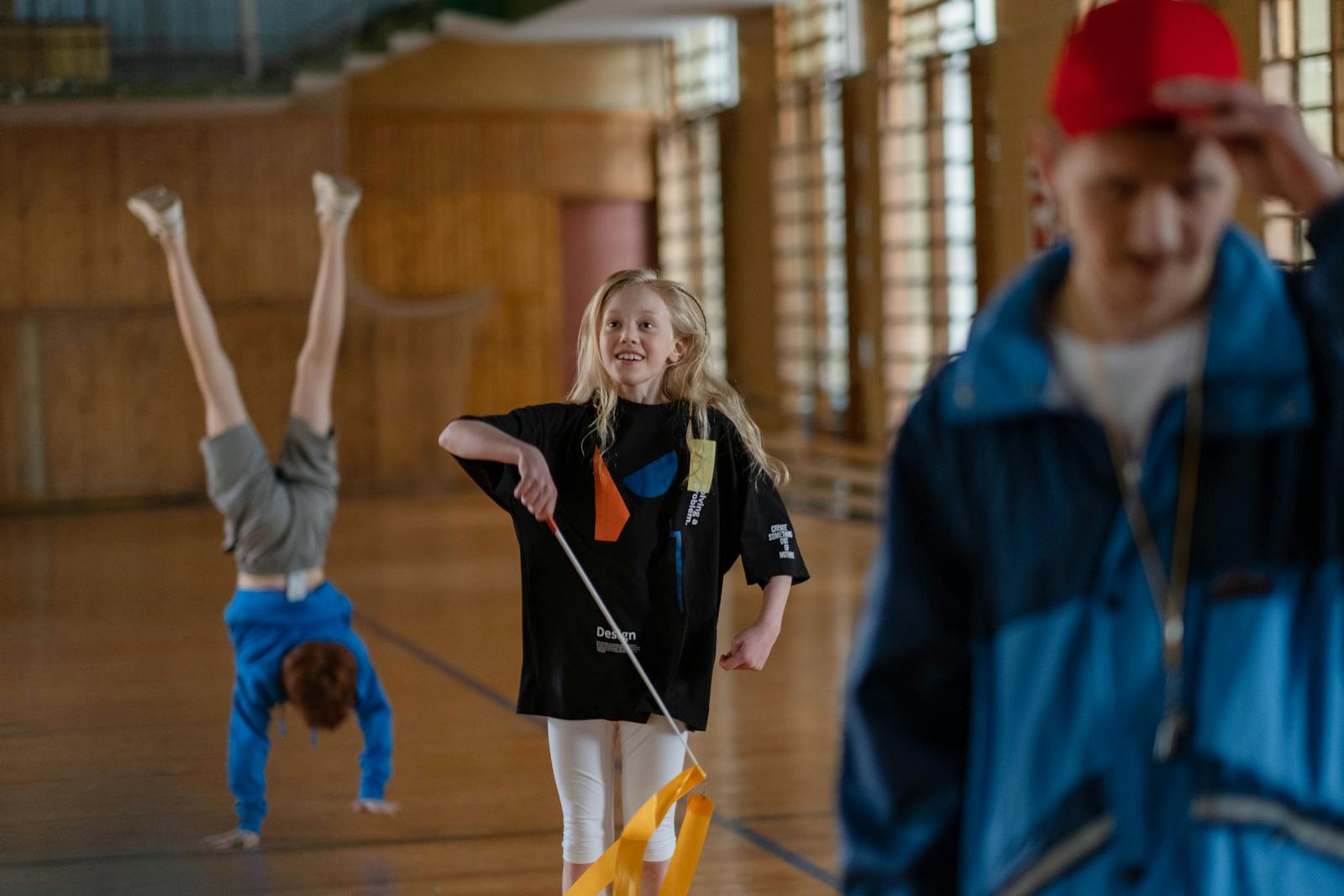
Physical education classes operated more like basic military training camps than like programs that promote healthy movement and fun. Overweight or uncoordinated children were forced to perform difficult climbing tasks in front of cheering or mocking classmates. Instructors wore military whistles and used public shaming to push students past their physical limits.
Gym grades were based entirely on athletic performance rather than individual effort or personal improvement. Modern physical education focuses on lifelong fitness habits and inclusive activities that welcome every body type. Educators now recognize that shaming tactics damage self-esteem and create negative associations with exercise that persist into adulthood.
Disclaimer – This list is solely the author’s opinion based on research and publicly available information. It is not intended to be professional advice.
Like our content? Be sure to follow us