12 ways suburban expansion is quietly costing taxpayers more
When you buy a home in a cul‑de‑sac surrounded by fresh green grass and winding roads, it feels like a slice of heaven. Local governments love approving these brand-new subdivisions because new construction brings a sudden surge of property taxes and impact fees right away. But behind that initial wave of cash lies a long-term fiscal time bomb that eventually lands right on your local tax bill.
Building out instead of building up forces local towns to spread their public resources thinner across vast distances. Traditional neighborhood development patterns can reduce infrastructure costs by roughly one‑third compared with conventional sprawl, accordig to research from the University of Western Sydney Urban Research Center.
Every mile of pavement, water line, and power line servicing a handful of quiet suburban houses costs a fortune to maintain once the initial honeymoon phase wears off, leaving taxpayers to foot a massive bill long after the builders leave.
Trash and Recycling Pickup Requires More Crews and Trucks

Garbage trucks are heavy, fuel-hungry vehicles that cause significant wear and tear on local residential roads. In a compact neighborhood, a garbage truck stops every few feet to empty bins, completing an entire street in a matter of minutes.
In low-density suburbs, those same trucks must travel long distances between driveways, consuming far more diesel and driver labor per household. Municipalities must hire more sanitation workers and purchase extra collection vehicles to cover the vast territory. Those operational inefficiencies show up directly on municipal service bills and ultimately on your property tax statement.
Suburban Infrastructure Demands Double The Pipe and Pavement

When houses are spread far apart, the sheer length of municipal pipes and roads required to connect them multiplies fast. Every single single-family home on a wide suburban lot needs exponentially more linear feet of water mains, sewer lines, and asphalt than a home built in a dense town core.
That means your city has to lay down miles of extra infrastructure to serve a few dozen households. When those extra miles of underground pipes inevitably start leaking, local taxpayers carry the financial burden of digging them back up and replacing them.
The High Cost of Maintaining Endless Miles of Roads

Laying down a brand new asphalt road in a shiny new neighborhood feels practically free to a municipality because the land developer usually covers the upfront construction. But thirty years down the road, when that pavement turns into a field of potholes, the developer is long gone.
Local governments inherit the permanent obligation to repave, seal, and repair every single block of suburban asphalt forever. Analysis shows annualized local infrastructure costs rising from about $502 per person in compact cities to $750 per person in the most sprawled communities. That extra cash comes directly out of resident property taxes.
Emergency Services Get Stretched Across Expansive Distances

When a suburban town spreads across dozens of square miles, response times for emergency vehicles naturally start to climb. Fire trucks, ambulances, and police cruisers have to drive much farther to reach the edge of the community during a desperate call for help.
To keep response times safe, towns have to build additional satellite fire stations and hire extra emergency crews. The Costs of Sprawl to Municipal Coffers shows that geographically dispersed land use sharply increases the cost of fire protection and other distance‑sensitive municipal services. Adding these specialized stations eats up local budgets rapidly.
School Bus Routes Consume Massive Portions of Local Tax Dollars

Suburban school districts spend millions of dollars every single year just getting students back and forth to their classrooms. Low-density neighborhoods mean school buses must travel vast distances every morning, collecting children scattered across dozens of winding residential streets.
These long driving routes require larger fleets of buses, thousands of extra gallons of fuel, and constant mechanical maintenance. The U.S. sprawl imposes more than $400 billion per year in extra economic costs, including higher transport and service expenses for schools. A significant share of those hidden costs flows straight into local tax bills.
Suburban Commercial Centers Produce Less Revenue Per Acre

Big box shopping centers and sprawling strip malls surrounded by acres of parking lots seem like great tax generators at first glance. But when you break down local property tax collection on a per-acre basis, these suburban commercial hubs fall remarkably flat.
A dense, traditional downtown block with multi‑story mixed-use buildings often generates far more tax value per acre than a wide retail box wrapped in parking. Studies show that compact development patterns tend to have lower public service costs and higher per‑acre revenues. Towns end up spending top dollar to support business districts that yield relatively weak returns.
Water and Wastewater Systems Cost A Fortune To Pump Long Distances
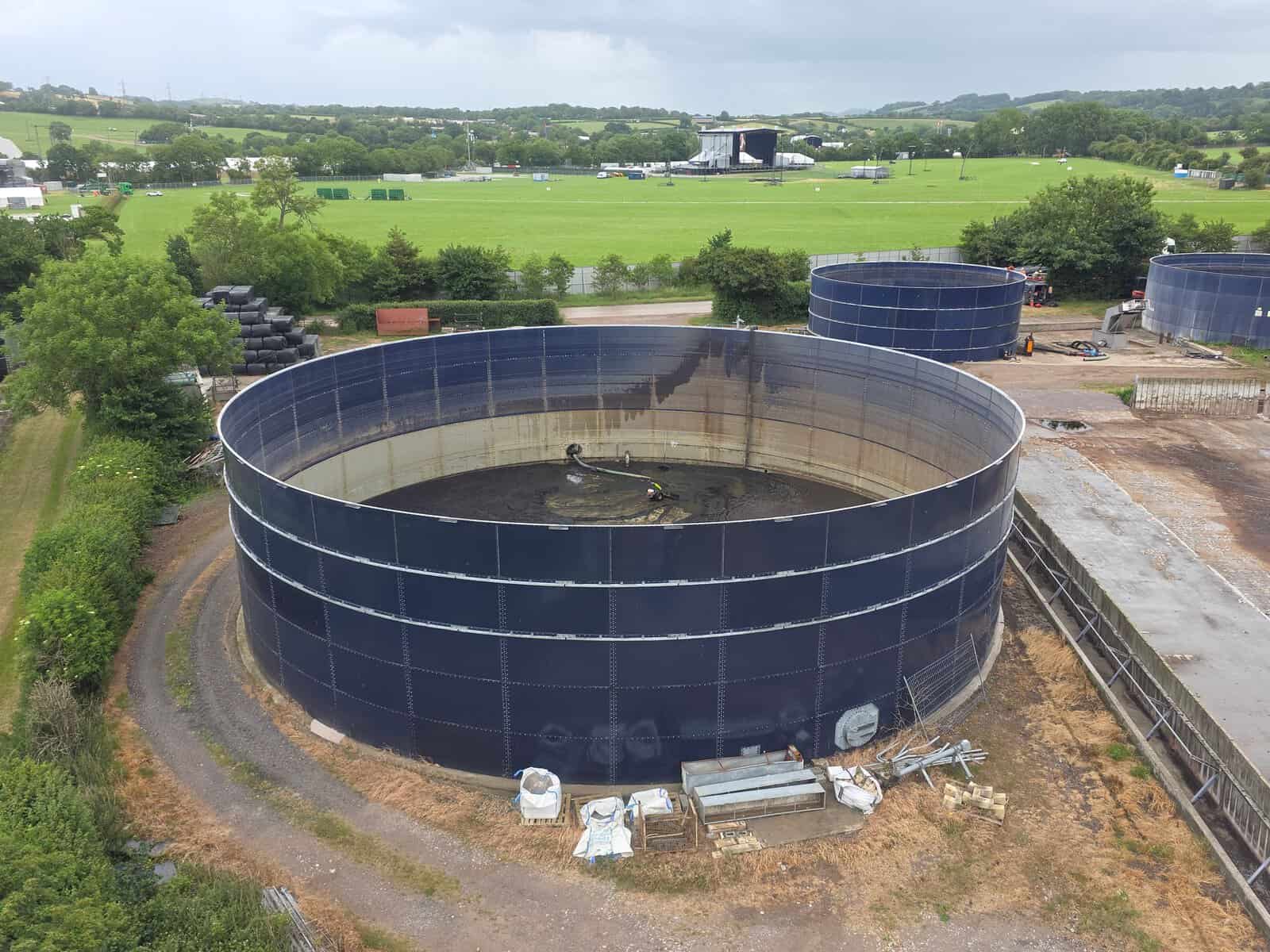
Pumping fresh drinking water out to far-flung suburban borders and pulling sewage back requires immense mechanical power and massive pipe networks. Water treatment utilities must run heavy-duty pump stations around the clock to maintain water pressure across huge distances.
The operational overhead for distant water infrastructure rises steeply compared to compact networks. Evidence summarized in Urban Sprawl and the Financial Standing of Municipalities shows that sprawling patterns weaken municipal finances partly because of the high cost of water, wastewater, and road extensions. The utility rate hikes that follow act as an indirect, recurring tax on every household.
Public Transit Becomes Financially Unviable in Low-Density Zones
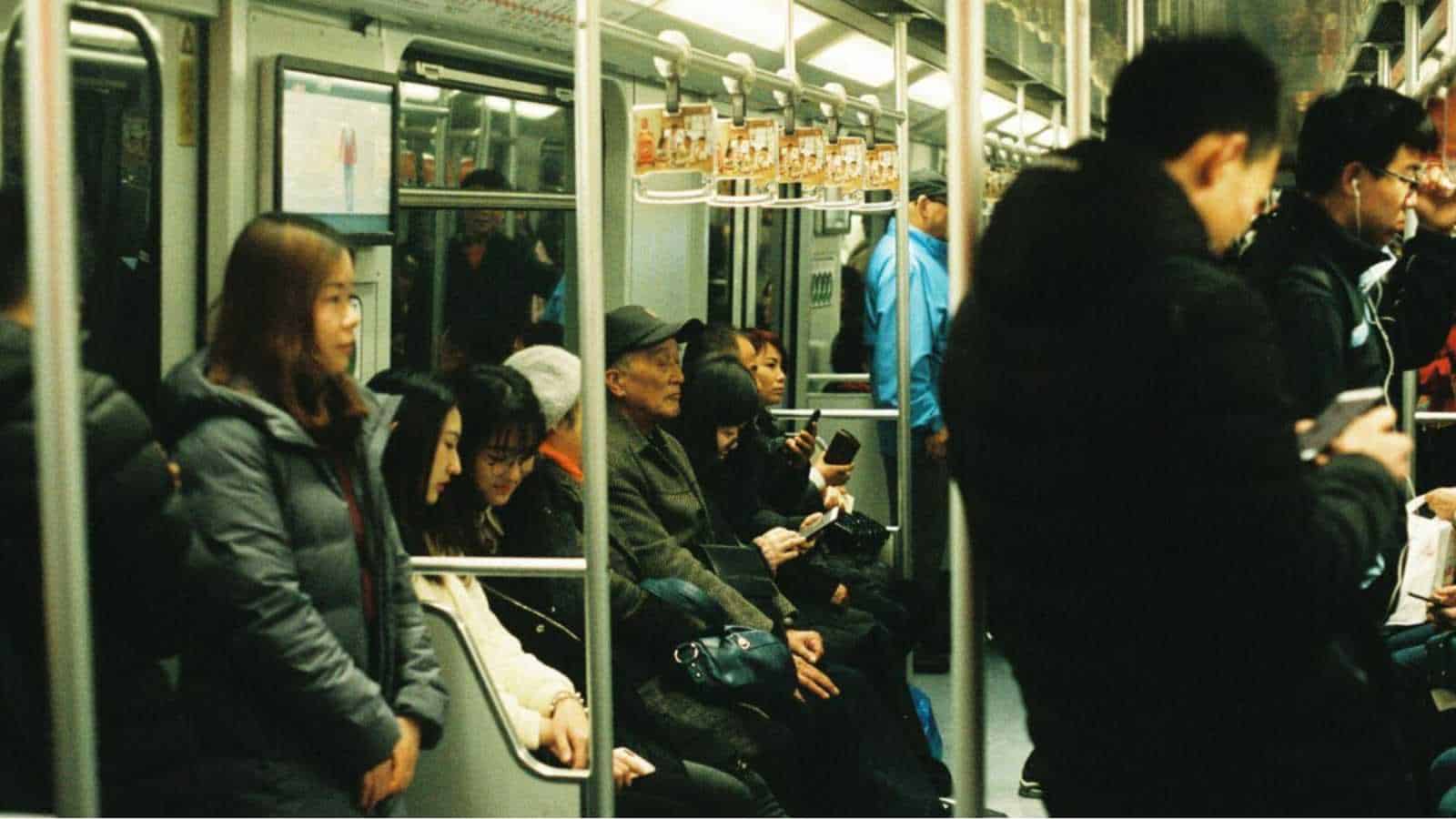
Running reliable public buses or trains through sprawling, low-density suburbs is a notoriously tough puzzle to solve. Because houses and businesses are spread far apart, bus routes have to wind through massive geographic loops just to pick up a handful of riders.
To keep these suburban lines afloat at all, local governments have to heavily subsidize them using general taxpayer money. Every dollar funneled into keeping an underused bus route alive is a dollar pulled away from other community priorities, whether that means fixing neighborhood parks, keeping local libraries open, or funding the everyday public spaces that make a town feel like home.
Stormwater Management Costs Soar with Vast Impermeable Surfaces

Suburban developments wipe out acres of natural fields and forests, replacing water-absorbing soil with massive driveways, broad roofs, and wide asphalt streets. During heavy rainstorms, huge volumes of water rush off these hard surfaces instead of sinking into the ground.
Towns must build complex stormwater retention ponds, concrete culverts, and massive drainage systems to manage the intense runoff and prevent regional flooding. Maintaining these artificial drainage systems requires constant dredging, clearing, and structural repairs. Taxpayers pay the bill for engineering solutions to problems created by clearing natural land for low-density housing.
Inefficient Energy Grid Extensions Elevate System Operational Fees
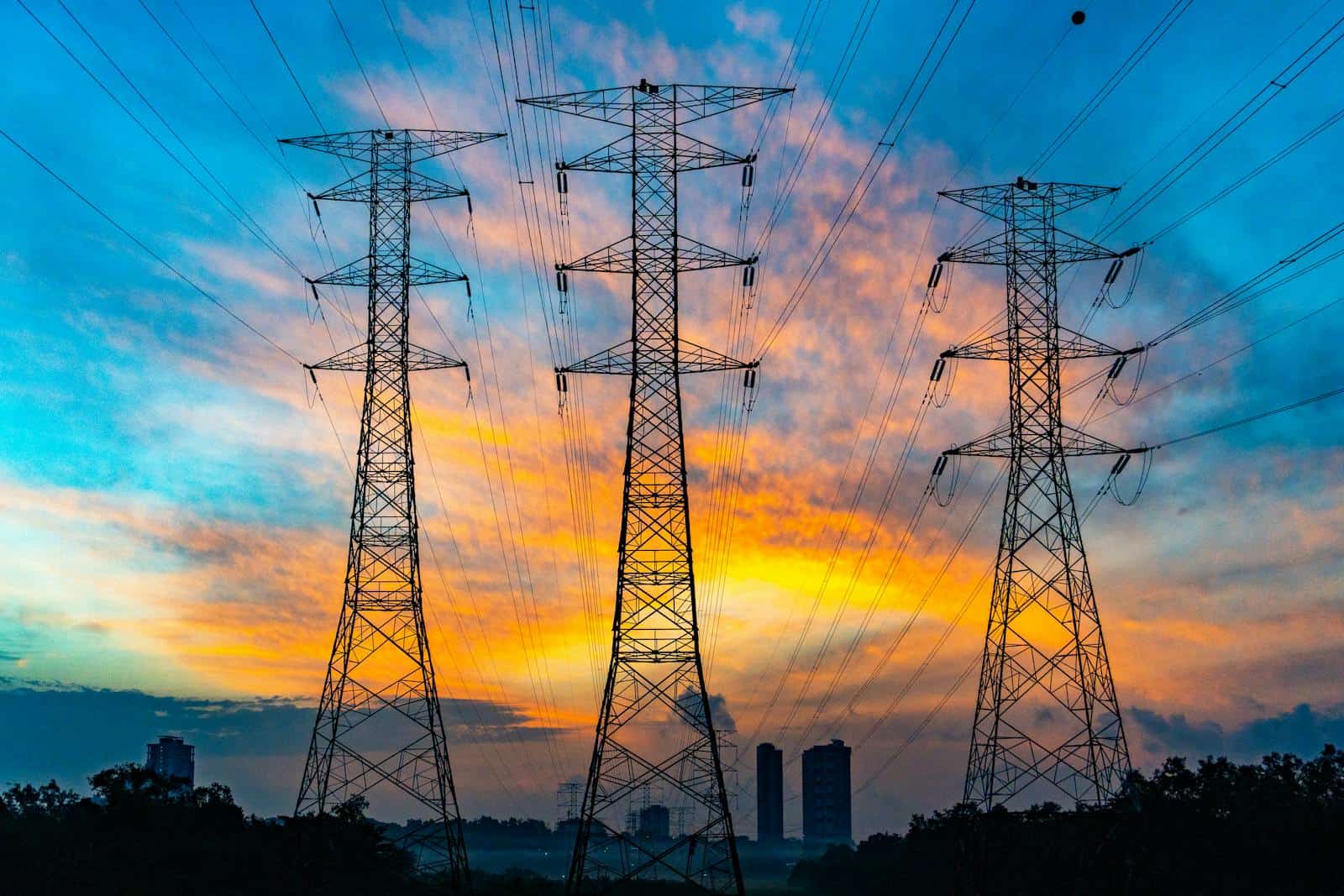
Extending power lines, transformers, and underground electric cables across broad suburban spaces costs utility companies millions of dollars. While power companies pass some initial hookup costs to land developers, the long-term operational and repair overhead gets built into utility rate structures.
Maintaining hundreds of miles of overhead lines through suburban neighborhoods requires nonstop tree trimming and storm repair efforts. When storms knock out power along miles of sparse suburban lines, repairing the grid takes longer and costs more per customer. Those bloated operational expenses drive up energy costs for everyone across the region.
Snow Removal Operations Demand Huge Fleets and Salt Reserves

When winter storms hit, suburban towns face the monumental task of clearing snow from hundreds of miles of low-density residential streets. Plow trucks must navigate endless dead ends, cul-de-sacs, and wide avenues to clear paths for relatively few households.
Municipalities are forced to invest in huge fleets of snowplows, stock tons of road salt, and pay workers extensive overtime to clear these sprawling road networks. Research on urban infrastructure reveals how heavily this low-density layout taxes public budgets.
Low-density development requires over 9% more local road lane-miles and drives up road infrastructure maintenance costs by nearly 12% compared to compact growth scenarios.
While compact towns can clear their concentrated street network in a fraction of the time using fewer resources, suburban public works departments must stretch their operational budgets across vast distances.
Declining Infrastructure Ratios Force Future Tax Spikes
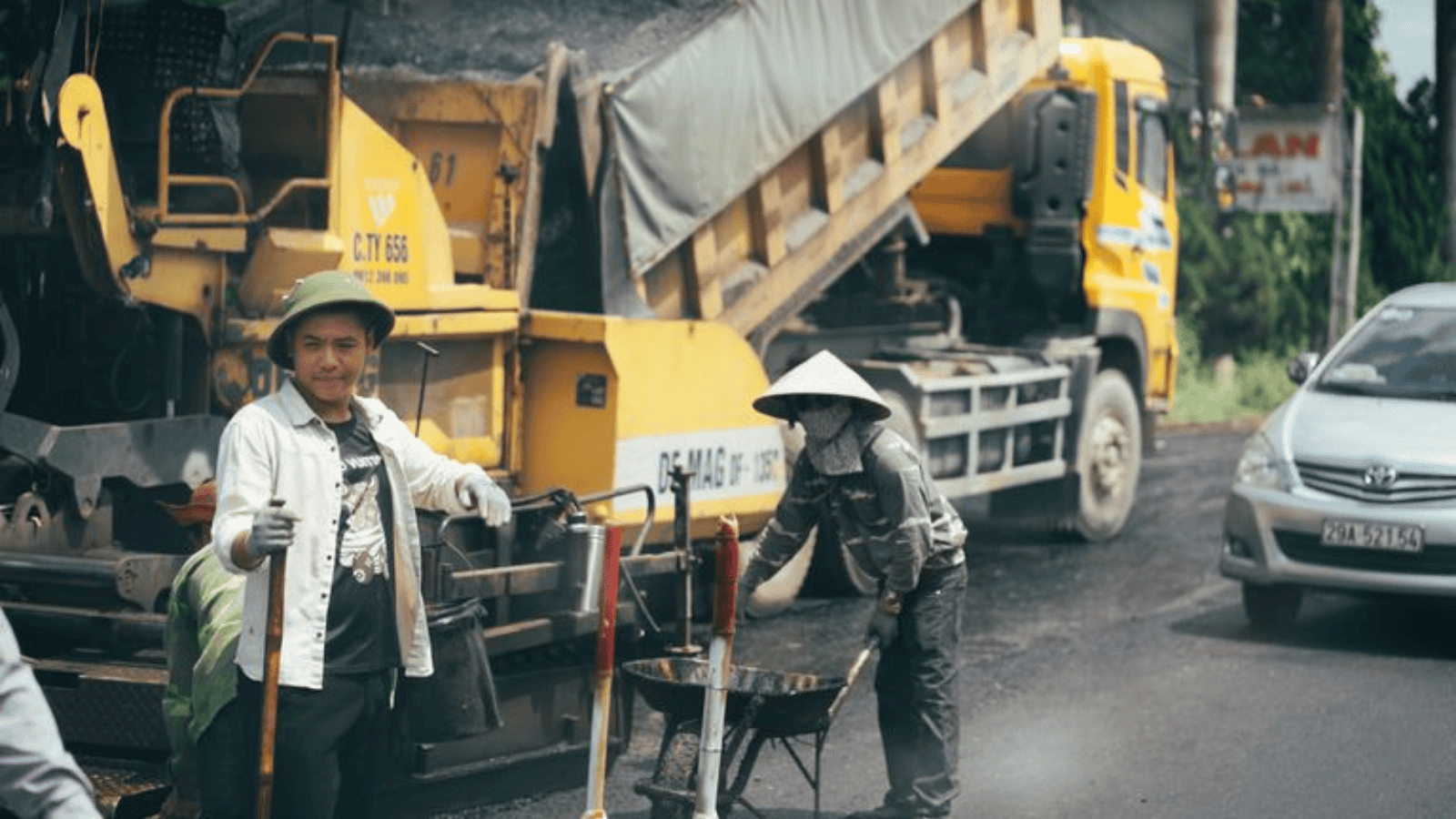
The most dangerous financial aspect of suburban expansion is the delayed reaction of its true costs. New developments appear profitable for the first two decades because fresh infrastructure requires very little maintenance work.
Eventually, every road needs repaving, every water pipe needs replacement, and every bridge needs structural work all at the same time. The report Sprawl Costs the U.S. $1 Trillion Every Year summarizes research estimating that dispersed development adds around $1 trillion annually in extra infrastructure and service costs.
When those deferred maintenance bills fall due thirty years later, towns face sudden property tax spikes that hit household savings hard.
Key Takeaways

Suburban growth offers spacious yards and quiet streets, but the long-term financial reality eventually catches up with taxpayers. Spreading homes and businesses across vast distances inflates the cost of roads, utilities, and emergency services beyond what low-density tax bases can comfortably support.
Understanding these hidden infrastructure costs helps communities make smarter, more sustainable choices about how they grow in the future.
Disclaimer – This list is solely the author’s opinion based on research and publicly available information. It is not intended to be professional advice.
Like our content? Be sure to follow us