Would you recognize the Antichrist? 10 signs the Bible says to watch for
Nearly half of American Christians believe we’re living in the “end times.” But would they recognize the Antichrist if biblical prophecy were unfolding now?
That’s not a fringe level of interest. In a major Pew Research Center survey, 47% of U.S. Christians said they believe humanity is living in the end times. Among evangelical Protestants, that figure climbed to 63%.
Yet Christians don’t agree on exactly what the end times will look like—or even how literally the Bible’s apocalyptic passages should be interpreted. The familiar idea of a single future “Antichrist” draws on several biblical texts and centuries of Christian interpretation, and different traditions understand those passages in very different ways.
Still, the Bible does describe figures, powers, and behaviors that generations of Christians have associated with the Antichrist: deception, extraordinary influence, opposition to God, demands for allegiance, and the ability to captivate large numbers of people.
And some of those descriptions are far less obvious than a stereotypical evil figure announcing himself to the world.
Here are 10 biblical signs commonly associated with the Antichrist—and what the scriptures actually say about them.
Widespread deception
Deception is one of the clearest themes associated with the end times in the New Testament. In Matthew 24, Jesus warns that false messiahs and false prophets will appear and attempt to deceive people, while Revelation describes figures who mislead the inhabitants of the earth.
That doesn’t mean every piece of misinformation or false religious teaching is evidence that the end times have arrived. Christians have encountered false teachers and competing interpretations since the earliest years of the church. But within many Christian interpretations of prophecy, the Antichrist’s power comes partly through deception—the ability to persuade people that something false is actually true.
Denial of Jesus as the Christ
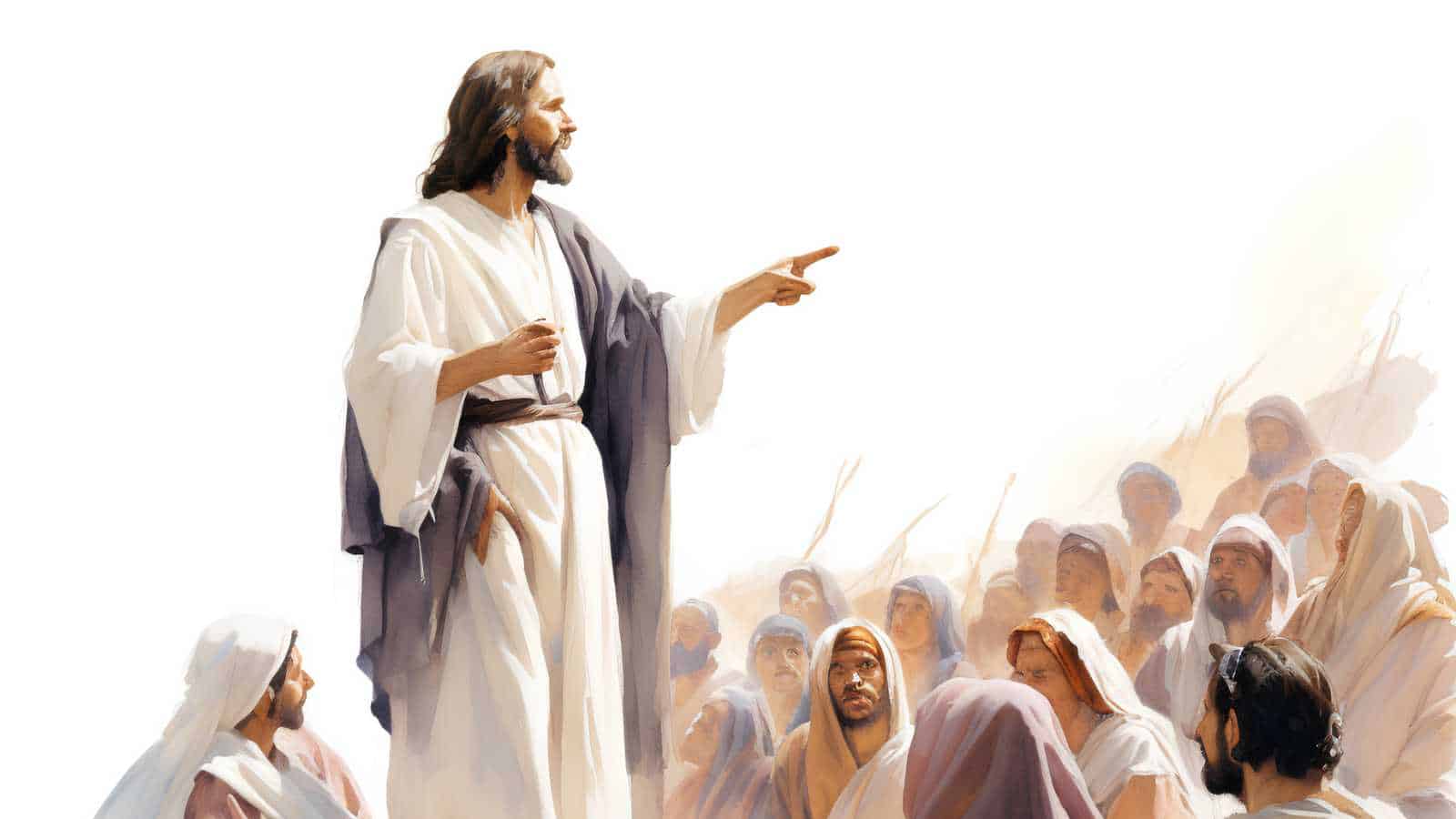
One of the Bible’s most direct references to the word “antichrist” appears not in Revelation but in the First Epistle of John.
In 1 John 2:22, the writer associates the antichrist with denying that Jesus is the Christ and rejecting the Father and the Son. Elsewhere, 1 John speaks of multiple “antichrists,” suggesting that the term originally described more than one opponent or false teacher rather than exclusively a single future world leader.
Later Christian traditions developed the idea of the Antichrist as a particular end-times figure. But the biblical texts themselves are more complicated, which is one reason Christian denominations differ over how literally that figure should be understood.
Extraordinary political power
Revelation 13 describes a beast receiving extraordinary authority and exercising power over peoples, nations, languages, and nations. This imagery has helped shape the later Christian idea of an Antichrist who achieves enormous political influence.
Throughout history, Christians have repeatedly tried to identify contemporary rulers or political systems with this prophecy. Many of those predictions proved wrong.
The biblical theme is nevertheless clear: dangerous political power becomes especially significant when it demands a kind of allegiance that belongs to God. Whether Revelation predicts a literal future ruler, symbolizes the Roman imperial system of its own era, or operates on both levels remains a matter of theological debate.
A demand for allegiance
One of Revelation’s most famous images is the “mark of the beast.” Revelation 13 describes people receiving a mark associated with the beast and says that economic participation—buying and selling—is restricted for those who do not have it.
That passage has generated centuries of speculation. In modern times, everything from barcodes and credit cards to microchips, vaccines, digital identification, and cryptocurrency has at some point been connected to the mark by prophecy enthusiasts.
Those connections are interpretations, not things Revelation specifically mentions.
Many biblical scholars instead emphasize the mark’s symbolism of allegiance. Revelation contrasts those identified with the beast with those who belong to God, making the larger issue one of loyalty, worship, and identity.
Historian of early Christianity Elaine Pagels has argued that Revelation is best understood in the context of the Roman world in which it was written, when Christians were negotiating their relationship with imperial power. That historical setting doesn’t prevent Christians from finding later meaning in the text, but it does caution against treating Revelation as a coded prediction of a specific modern technology.
Rebellion against God
Many popular discussions of the Antichrist combine Revelation’s beast with Paul’s description of the “man of lawlessness” in 2 Thessalonians 2.
Paul describes a figure who opposes God, exalts himself, and ultimately presents himself as worthy of divine status. For Christians who interpret the passage as describing a future Antichrist, self-exaltation and rebellion against God become more important warning signs than ordinary changes in cultural morality.
This is more faithful to the biblical text than trying to connect every shift in modern attitudes about sex, marriage, politics, or social behavior with end-times prophecy. Societies have experienced dramatic moral and cultural change throughout history, and Christians themselves frequently disagree about what constitutes moral decline.
You may be interested in reading: Why some devoted Christians are leaving church while nonbelievers are showing up
Deceptive signs and wonders
The Bible also warns that deception may be accompanied by apparently supernatural events.
Matthew 24:24 says false messiahs and prophets will perform signs intended to deceive. In 2 Thessalonians 2, the “lawless one” is associated with false signs and wonders. Revelation 13 similarly describes spectacular signs that help deceive people into following the beast.
The important biblical warning isn’t simply that miraculous events will occur. It’s that something impressive or apparently supernatural shouldn’t automatically be assumed to come from God.
Within the biblical narrative, discernment matters more than spectacle.
War and global instability

Wars and political upheaval appear prominently in biblical discussions of the end times. In Matthew 24, Jesus speaks of “wars and rumors of wars,” while Revelation contains dramatic images of warfare, conquest, famine, and social disruption.
It’s understandable that these passages attract renewed attention whenever the world becomes particularly unstable. But Jesus also includes an important caution: hearing about wars does not by itself mean the end has arrived.
Modern conflict data reinforces the need for perspective. Wars rise and fall across different historical periods rather than following a simple, uninterrupted march toward ever-greater global violence.
For Christians interpreting current events through biblical prophecy, war may resemble part of the prophetic picture, but the existence of wars alone can’t establish that a particular end-times timetable has begun.
Persecution because of faith
Persecution is another recurring theme in New Testament prophecy. Jesus warns his followers that they will face hatred and persecution, while Revelation portrays believers suffering because they refuse to abandon their allegiance to God.
Religious persecution is also a very real contemporary phenomenon. According to Pew Research Center’s latest global analysis, religious groups experienced government or social harassment in 192 of the 198 countries and territories studied in 2023. Christians experienced harassment in 165 countries, while Muslims, Jews, and other religious groups also faced harassment around the world.
Those numbers don’t prove biblical prophecy is being fulfilled, and Pew specifically cautions that its figures measure whether harassment occurred, not its severity. But they do show that religious persecution is hardly an ancient phenomenon.
A leader capable of extraordinary persuasion
Popular portrayals often imagine the Antichrist as obviously sinister. The biblical picture is potentially more unsettling.
If deception is central to the figure’s power, then the Antichrist would presumably have to be convincing. Revelation’s beast inspires admiration and allegiance, while Paul’s “lawless one” is associated with deception powerful enough to lead people astray.
That suggests a very different image from a villain everyone immediately recognizes.
Within this interpretation, charisma itself isn’t the warning sign. Plenty of charismatic leaders are neither dangerous nor evil. The concern is persuasive power combined with deception, self-exaltation, demands for allegiance, and opposition to God.
Growing confusion over what is true
The New Testament repeatedly warns about false teachers and competing claims to religious truth. First John tells believers not to accept every spiritual claim unquestioningly, while other New Testament writings warn about people being drawn toward teachings that tell them what they want to hear.
Confusion about religious teaching certainly isn’t unique to the modern era. Early Christianity was filled with intense disagreements about theology, authority, and the identity of Jesus.
There are still substantial gaps in religious knowledge today. In a major Pew Research Center survey of religious knowledge, for example, only 20% of Americans correctly identified the traditional Protestant teaching that salvation comes through faith alone. Even among evangelical Protestants, fewer than half answered that question correctly.
The internet adds another layer by giving people instant access to pastors, theologians, influencers, skeptics, conspiracy theories, denominational teachings, and individual interpretations from around the world.
That doesn’t prove an end-times prophecy is unfolding. But it does make the Bible’s repeated instruction to test religious claims rather than accepting them simply because someone speaks with authority feel remarkably contemporary.
You may want to read: 13 myths about Christianity that even some Christians believe
Key takeaway
The Bible does contain warnings about deception, opposition to Christ, extraordinary political power, demands for allegiance, false signs, persecution, and spiritual confusion. But connecting those passages to specific modern technologies, governments, political leaders, or cultural changes requires interpretation.
Christians have attempted to identify the Antichrist in their own time for centuries—and many confident predictions have come and gone.
Perhaps the most interesting part of these passages, then, isn’t whether today’s headlines can be matched perfectly to ancient prophecy. It’s the kind of person the biblical writers warn believers not to follow: someone persuasive enough to make deception look like truth, power look like salvation, and allegiance to a human authority look like something sacred.