12 restaurant habits servers say make guests their least favorite to serve
Servers can forgive a spilled drink, but they rarely forget a guest who treats the dining room like a personal kingdom.
Federal data placed the 2025 median hourly wage for waiters and waitresses in food-service businesses at $16.93, so one chaotic table can create serious pressure during an already demanding shift.
Tipping tension adds another layer. A 2025 Popmenu survey of 1,000 U.S. consumers found that 65% felt fed up with tipping, although 45% still said they tipped restaurant servers at least 20%. Popmenu CEO Brendan Sweeney said, “Tipflation is taking its toll on consumers,” but servers still rely heavily on respectful guests, clear communication, and fair gratuities.
Treating the host like a human traffic cone

Some guests walk through the door, skip hello, announce a reservation, and immediately challenge the seating plan. That approach irritates servers before the first water glass reaches the table because the host controls pacing throughout the dining room.
Restaurant operator Patrick Murphy calls the host “the conductor of a big symphony,” and that description fits: one careless seating decision can overload a server, jam the kitchen, and slow service for several tables.
An empty table does not always mean an available table. The restaurant may hold it for an upcoming reservation, combine it with another table, or delay seating so one server does not receive four new parties at once. My take? A quick greeting and a calm question cost nothing, while arguing over Table 12 rarely unlocks a secret VIP section.
Changing the party size without warning

A reservation for four does not magically stretch into seating for seven because three friends “just happened to join.” Every extra chair changes the layout, server workload, place settings, kitchen timing, and space available for nearby guests.
Resy reported that one restaurant group saw no-show rates reach 20% to 25% on some nights in 2023, which helps explain why restaurants now watch reservation numbers and guest behavior so closely.
Call ahead when your group grows, shrinks, or runs late. The restaurant may solve the issue in two minutes before you arrive, but the staff may struggle after six people crowd around a four-top during the dinner rush.
Arriving right before closing and ordering a feast
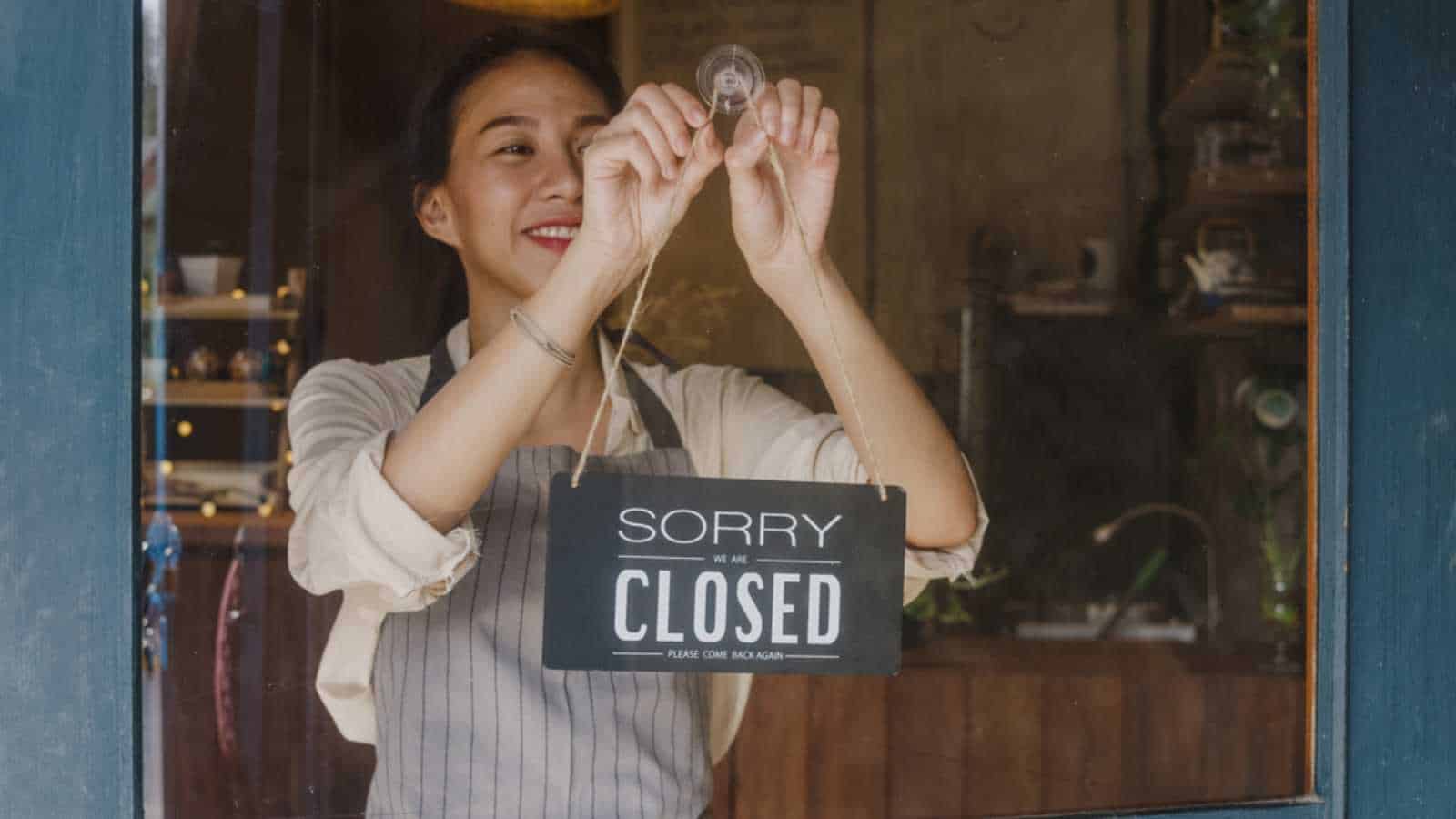
Yes, the sign says the restaurant closes at 10 p.m. No, that does not mean the entire team dreams of starting a three-course dinner at 9:58. Servers still need to clean the dining room, complete side work, close checks, restock stations, and coordinate with a kitchen that has already started cleaning equipment. Restaurant workers consistently list last-minute arrivals among the habits they most want guests to reconsider.
A quick order may work at some places, especially when the restaurant posts a separate last-seating or kitchen-closing time. Still, call first instead of bursting through the door and shouting, “We made it!” like you just won a game show. That tiny courtesy lets the staff explain what the kitchen can reasonably prepare without restarting half the restaurant for your celebratory plate of nachos.
Snapping, whistling, touching, or tapping a glass

Servers notice raised hands, eye contact, and a polite “excuse me.” They do not need finger snaps, whistles, sleeve grabs, or a spoon concert on an empty water glass. One Outback Steakhouse server named snapping and glass-tapping among her biggest customer pet peeves, while other restaurant workers have warned guests that touching a server crosses a basic personal boundary.
Think about the message behind the gesture. Snapping treats a person like a voice-activated device, except even Alexa gets a full name. Catch the server’s eye, raise one finger slightly, or ask another employee to send your server over when convenient because respect gets attention without creating tension.
Claiming everyone is ready while the table keeps reading
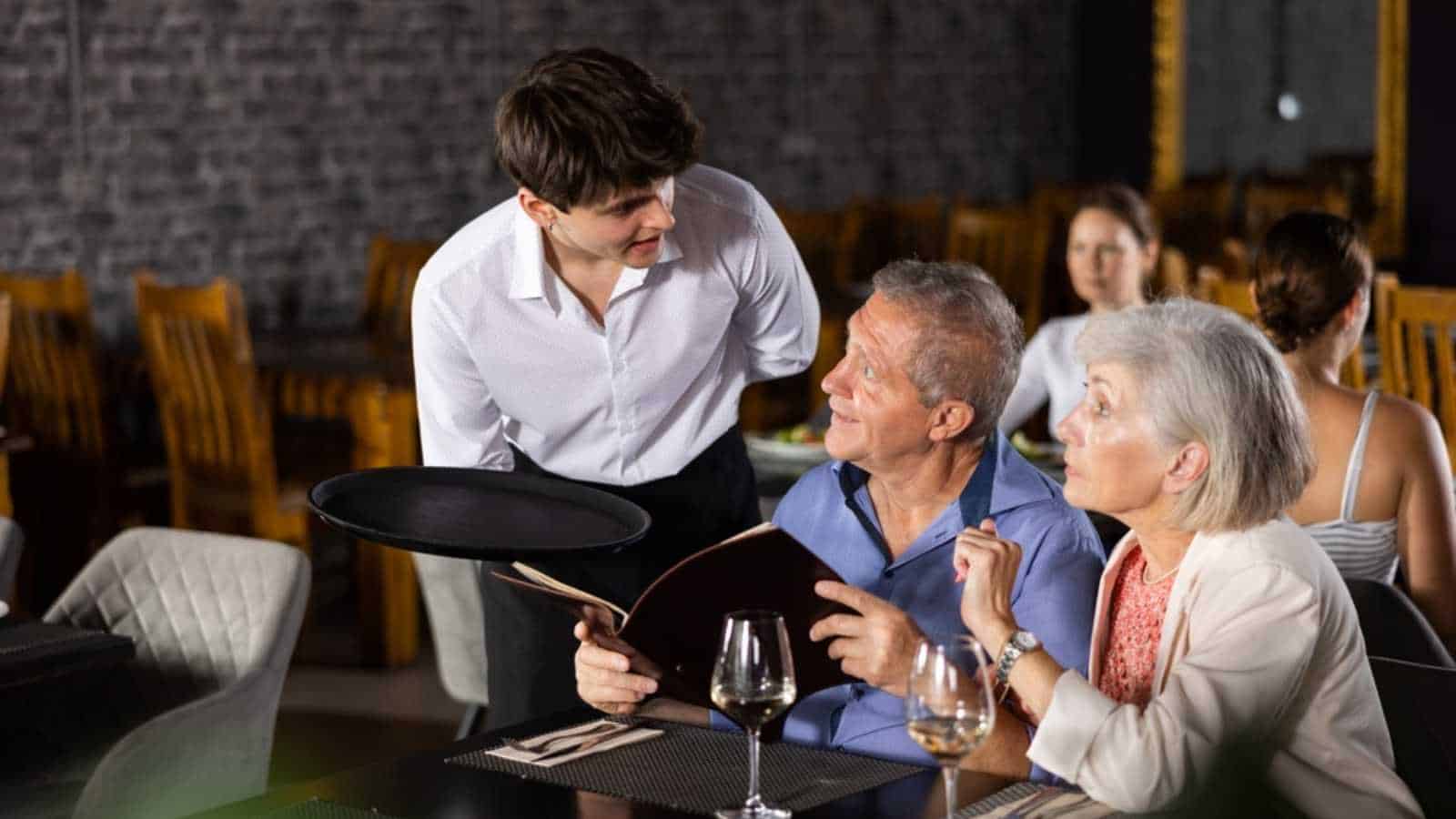
Few restaurant habits waste more time than saying, “We’re ready,” and then reopening the menu for a five-minute family conference. Your server may manage several tables at once, so that stalled order can delay drink refills, food delivery, check payments, and greetings elsewhere. Food-service workers also identify phone use during ordering as a rude habit because it forces employees and waiting guests to pause for a conversation that can usually wait.
Choose your meal before you summon the server, and put down the phone for the thirty seconds it takes to order. When one person still needs time, let everyone else order or ask the server to return. Haven’t we all sat beside someone who waves urgently, then looks around and asks, “So, what are you getting?”
Ignoring the menu and demanding a custom creation
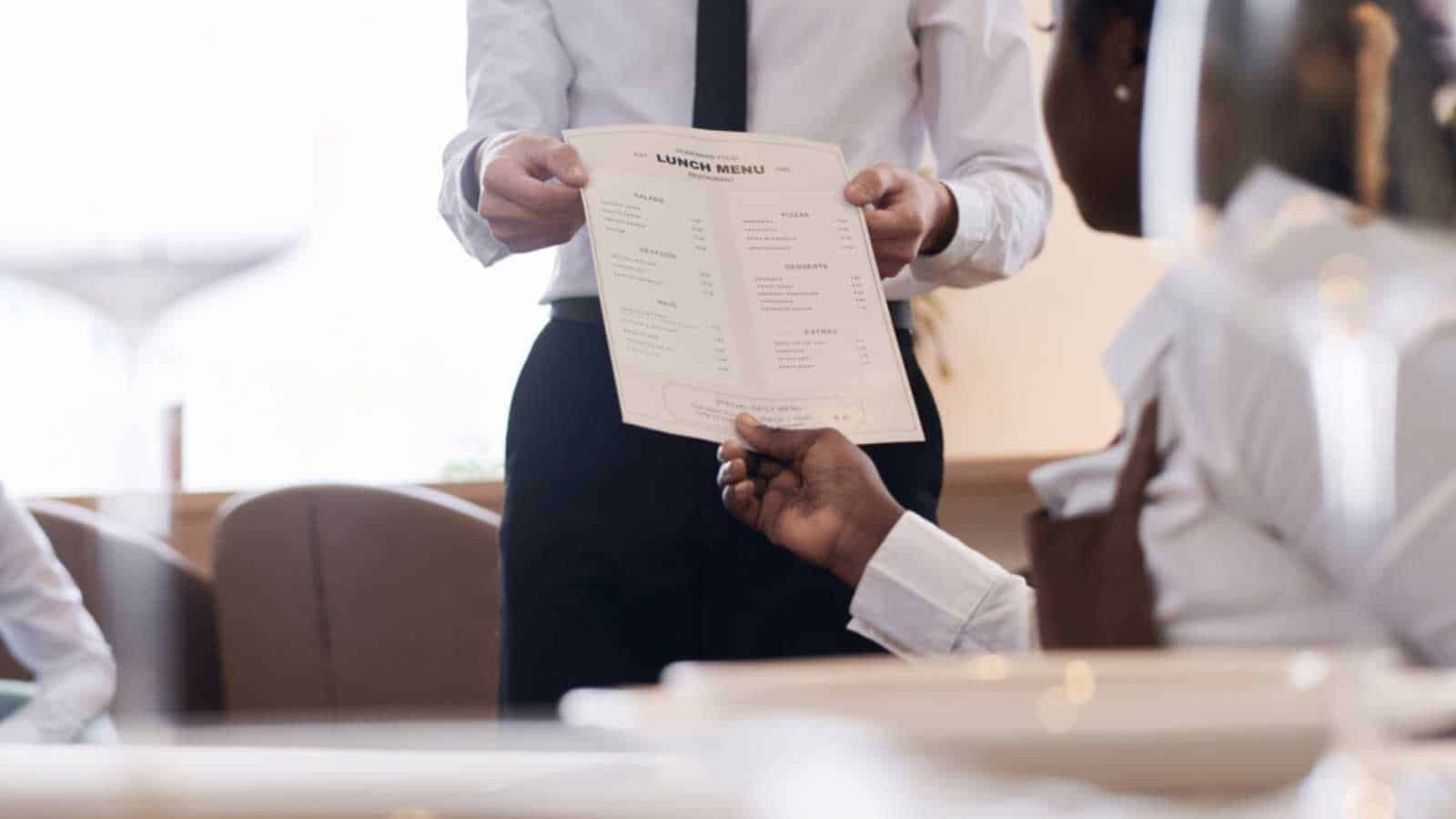
Questions help when a menu includes unfamiliar ingredients or cooking methods. Problems start when guests refuse to read, ask the server to recite every dish, and then invent a meal that the kitchen never offered. Restaurant workers encourage diners to study menus before ordering because extreme modifications slow order entry, create confusion, disrupt kitchen stations, and increase the chance of mistakes.
Ask about one or two reasonable swaps, but accept a clear no without launching courtroom arguments. A kitchen can often remove onions or put sauce on the side, yet it may not transform risotto into a low-carb, dairy-free, gluten-free, extra-crispy taco bowl. A menu works like an agreement, not a box of loose suggestions, so choose a dish that already comes close to what you need.
Hiding an allergy until the food arrives
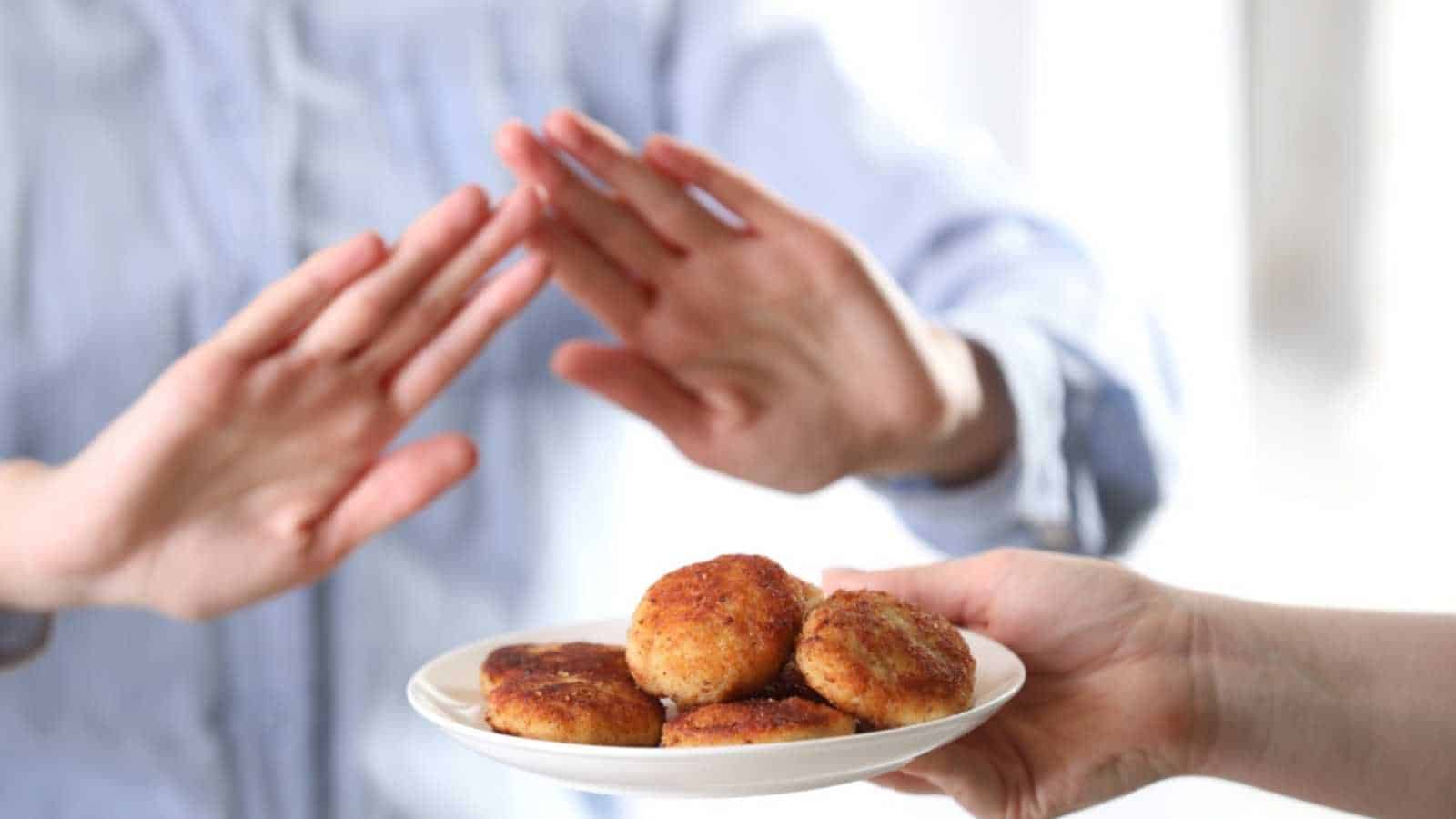
A true food allergy requires serious communication, not a last-second reveal after the kitchen finishes the plate. Tell the server before ordering, identify the allergen clearly, and answer any follow-up questions. CDC research found that only 33.3% of interviewed servers across six study sites reported receiving food-allergy training, although trained servers commonly learned about major allergens and ways to prevent cross-contact.
Do not describe a preference as an allergy just to pressure the kitchen, then casually order the same ingredient for dessert. That habit creates confusion and may weaken trust when another guest faces a genuine medical risk. At the same time, never hide a real allergy because you fear sounding difficult; specific, early, honest communication protects everyone.
Requesting one forgotten item at a time

The server brings ketchup, walks away, and hears a request for extra napkins. The server returns with napkins, and someone asks for another fork. Then a third person remembers hot sauce. This drip-by-drip routine sends the server across the dining room repeatedly, even as full-service restaurants continue to operate with staffing levels below their pre-pandemic numbers.
Take ten seconds and let the whole table name its needs together. Servers often call this consolidating steps, and thoughtful guests can help without learning any restaurant jargon. Ask, “Does anyone need anything else?” before the server leaves, and you may prevent Table 8 from wondering whether their server quietly moved to another state.
Stacking plates and stuffing trash into glasses
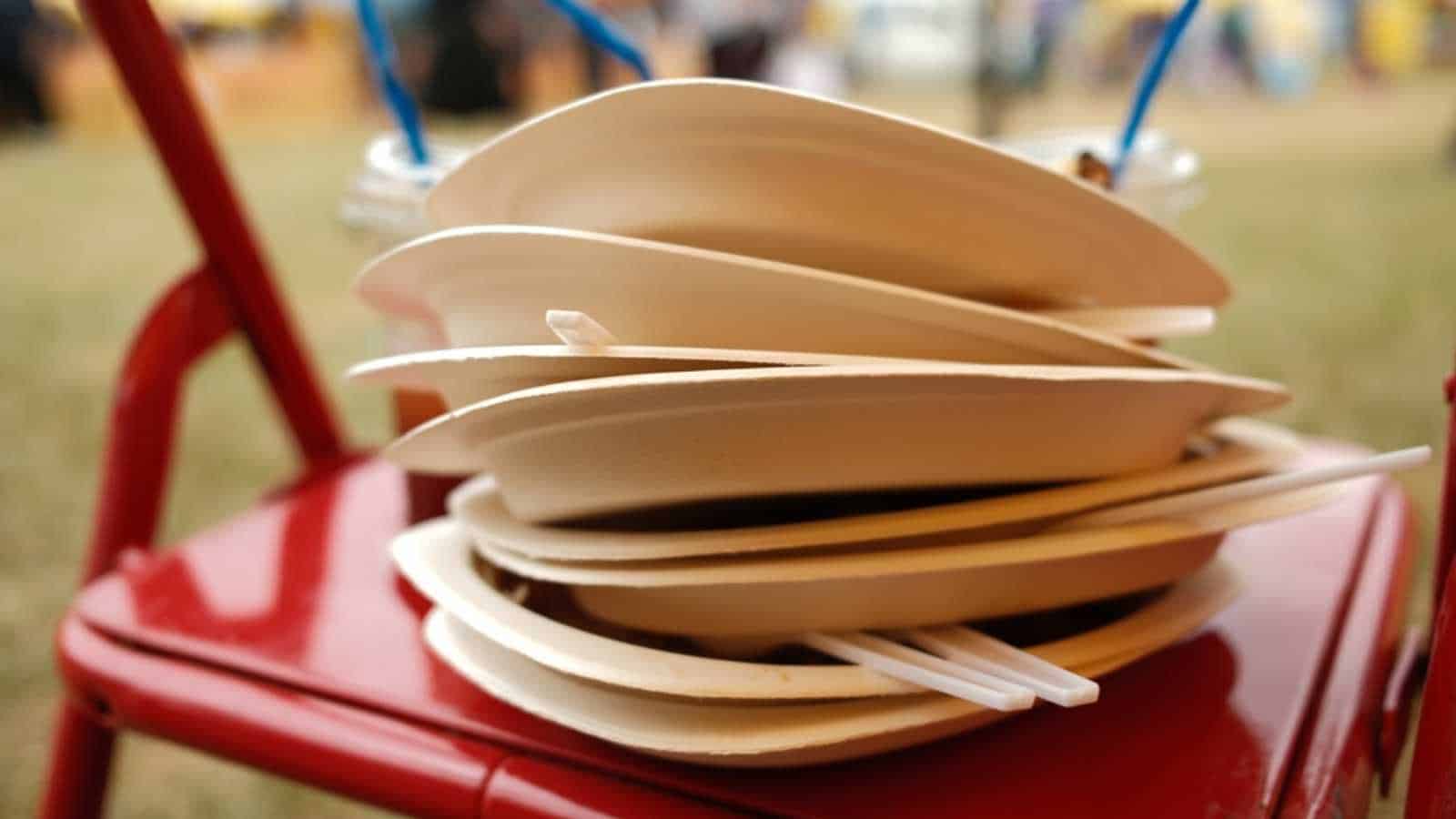
You may stack plates because you want to help, and the intention deserves credit. Unfortunately, your tower may wobble, hide sharp utensils, smear food onto plate bottoms, or interfere with the server’s balancing method. Food & Wine reported in 2026 that servers often find several supposedly helpful habits counterproductive, including stacking dishes, placing utensils or napkins inside glasses, lifting drinkware during refills, and grabbing items from a loaded tray.
Move phones, bags, and elbows out of the way instead. Leave plates where the server can reach them, keep silverware out of glasses, and never pull a drink from a tray unless the server asks. Create space rather than engineering a ceramic skyscraper, unless you truly want ranch dressing to land in somebody’s lap.
Camping at the table long after paying

Restaurants want guests to relax, talk, and enjoy their meals. Servers start to struggle when a party pays, declines every additional item, and occupies a needed table for another hour during peak service. OpenTable has estimated that restaurants may expect 10% to 20% of reservations not to show, while restaurant teams must still plan seating, food purchases, staffing, and revenue around the reservation book.
Table camping does not create the same problem as a no-show, but both situations prevent restaurants from using expected capacity. OpenTable CEO Debby Soo said an unfulfilled reservation “significantly impacts the restaurant’s revenue,” and a paid but occupied table can create a similar bottleneck when guests wait at the door. Read the room, and move the conversation elsewhere when the lobby fills up.
Leaving a disaster or ignoring disruptive children
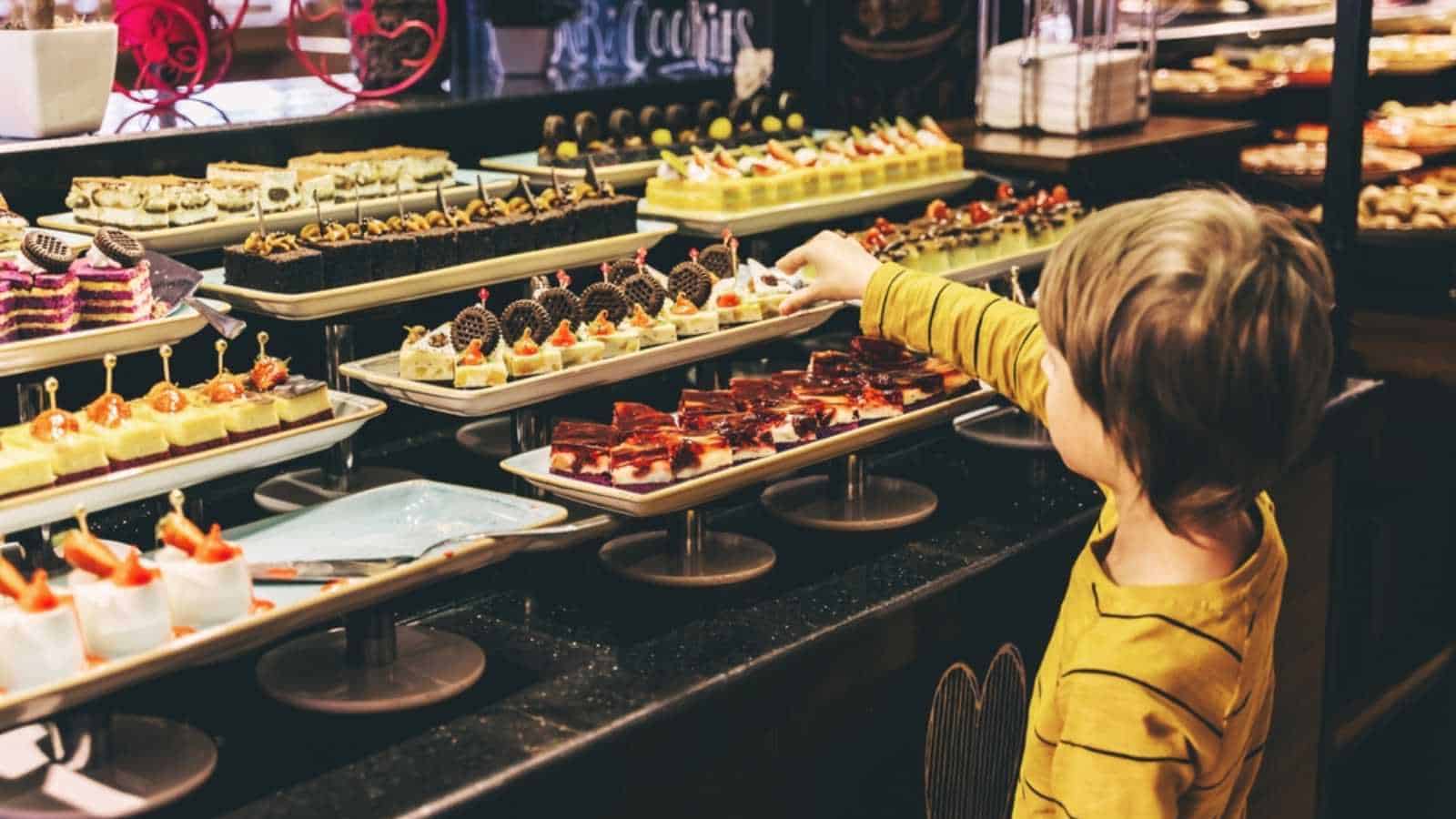
Servers expect crumbs, used napkins, and a normal dinner mess. They do not expect shredded sugar packets, gum stuck to plates, outside trash, food ground into the floor, or a child sprinting through lanes where employees carry hot soup and heavy trays.
Parents deserve grace because family meals can turn chaotic in seconds. Still, adults should redirect throwing, climbing, screaming, and aisle-running instead of treating the restaurant like a playground that forgot to hire supervisors. Gather major trash, keep pathways clear, and report spills because I would rather see a family ask for a broom than quietly abandon a French-fry crime scene.
Using the tip to punish the server for everything
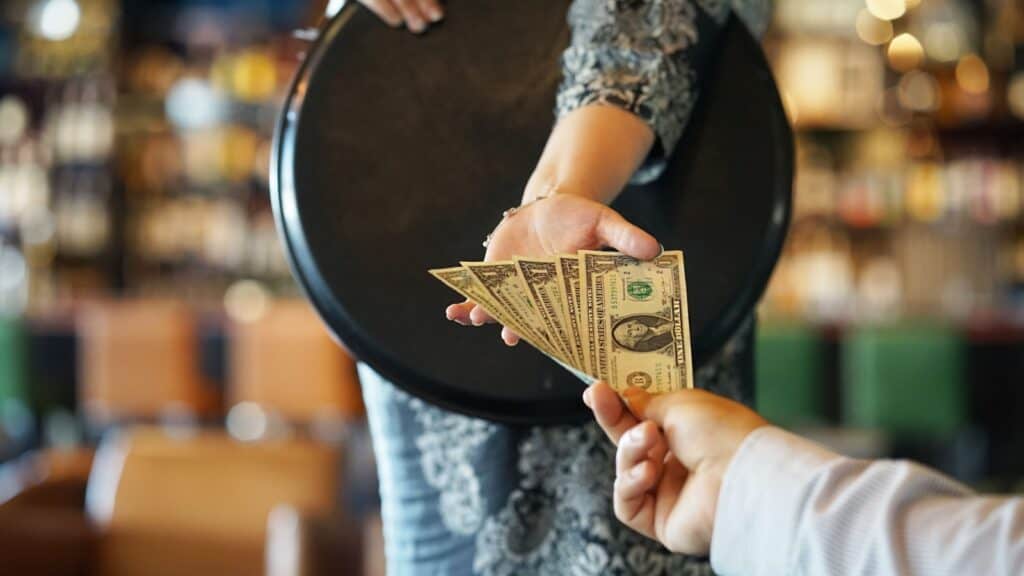
Guests should speak up when service truly fails, but they should separate the server’s actions from problems caused by the kitchen, management, technology, or supply chain. Popmenu found that 65% of consumers felt fed up with tipping in 2025, while 45% said they tipped restaurant servers at least 20%.
Meanwhile, federal law still allows qualifying employers to pay tipped workers as little as $2.13 per hour in direct wages when tips bring their total earnings to the applicable minimum wage.
Ask for a manager when the food arrives cold, the bill contains an error, or the experience goes seriously wrong. Give the restaurant a chance to fix the issue before quietly removing the server’s income and posting a one-star review from the parking lot. Tip according to the service you actually received, not according to your anger at menu prices or a steak that the server did not cook.
Key takeaway
The restaurant habits that make guests the least favorite to serve usually share three qualities: they waste time, ignore basic respect, or create extra work that the guest could easily prevent. You do not need perfect etiquette or insider restaurant knowledge. You only need to communicate clearly, respect boundaries, stay aware of the room, and remember that your server handles several competing demands at once.
Confirm your reservation, read the menu, mention allergies early, group your requests, and raise concerns while the restaurant still has a chance to solve them. Those small choices can improve your meal, protect the server’s earnings, and make the entire dining room run more smoothly. Plus, nobody has to remember you as the guest who snapped for ketchup and built a monument out of dirty plates.
Disclaimer – This list is solely the author’s opinion based on research and publicly available information. It is not intended to be professional advice.
You May Also Like: 7 Overused Restaurant Buzzwords: A Deep Dive into Misleading Marketing Tactics
Like our content? Be sure to follow us