10 psychological reasons step-relationships can create hidden family secrets and tension
Blending families may seem like a heartwarming milestone, but the reality is far more complex. Differences in history, parenting style, and emotional baggage often create tension, and unspoken feelings can quietly strain step-relationships and the overall family dynamic.
Dr. Patricia Papernow, psychologist and leading researcher on stepfamily dynamics with over four decades of experience, emphasizes that “blended families often begin with high hopes, but step couples can quickly face challenges with resistant children, differences in discipline, and conflicts over roles and finances.” This hidden strain can take a major toll on overall peace of mind and family dynamics.
Rather than building an instant, seamless bond, step-relationships often require working through complex psychological undercurrents that are not always openly discussed. Let’s break down the ten psychological reasons step-relationships can create hidden family secrets and tension.
The Pressure of the Instant Bond Myth
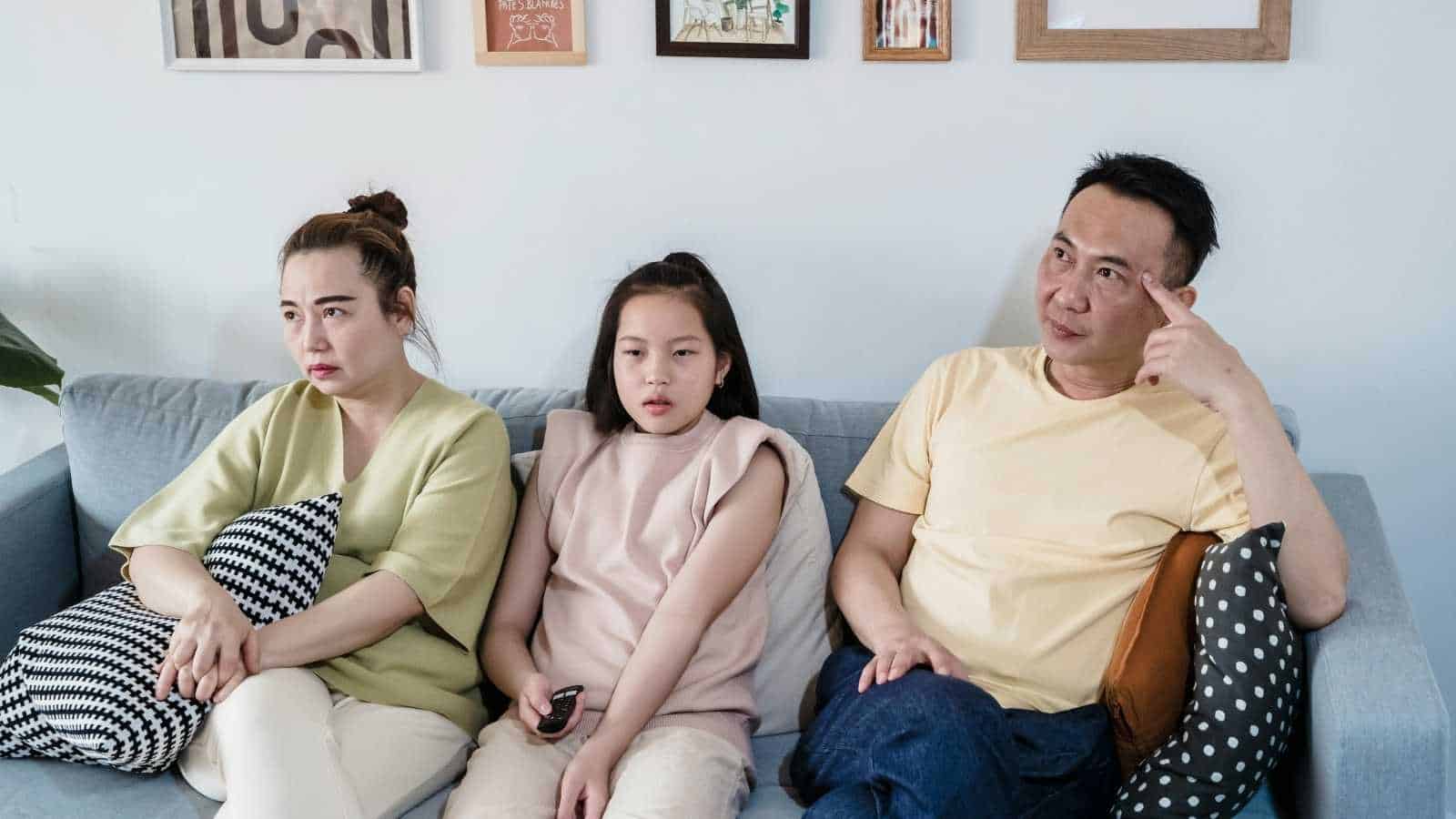
Many newly blended families step into their new life under the heavy weight of impossible expectations. Partners often feel unspoken pressure to love their stepchildren instantly, and stepchildren are expected to respect a new parental figure immediately.
When these deep, organic feelings don’t magically appear overnight, individuals frequently experience intense guilt or a sense of failure.
Instead of admitting that the connection takes time to build, family members hide their true feelings to avoid disappointing one another, creating a quiet, lingering barrier in the relationship right from the start.
The Trap of Split Loyalty
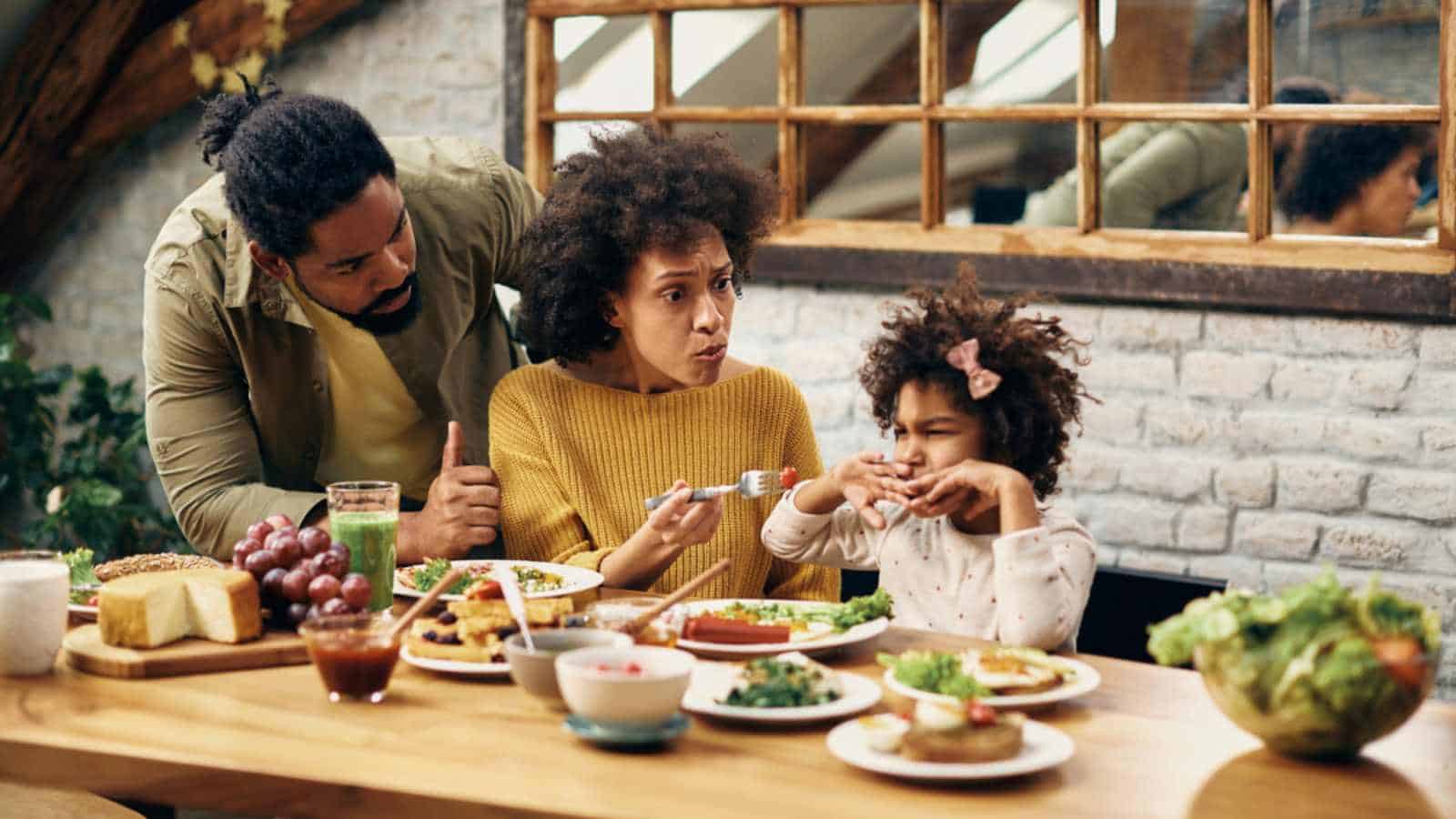
Children in blended families often find themselves trapped in a brutal psychological tug-of-war. They worry that showing genuine affection to a stepparent is an act of betrayal against their biological parent.
To cope, kids split their lives into strict compartments. Research shows that 1,300 new blended families are formed every day in the U.S., with 75% reporting they are not receiving the resources needed to handle these loyalty conflicts.
A child might deliberately hide a budding bond with a stepparent from their other biological parent, driving a wedge of heavy secrets and silent tension straight through the middle of the household.
Fear of Disrupting the New Marital Honeymoon
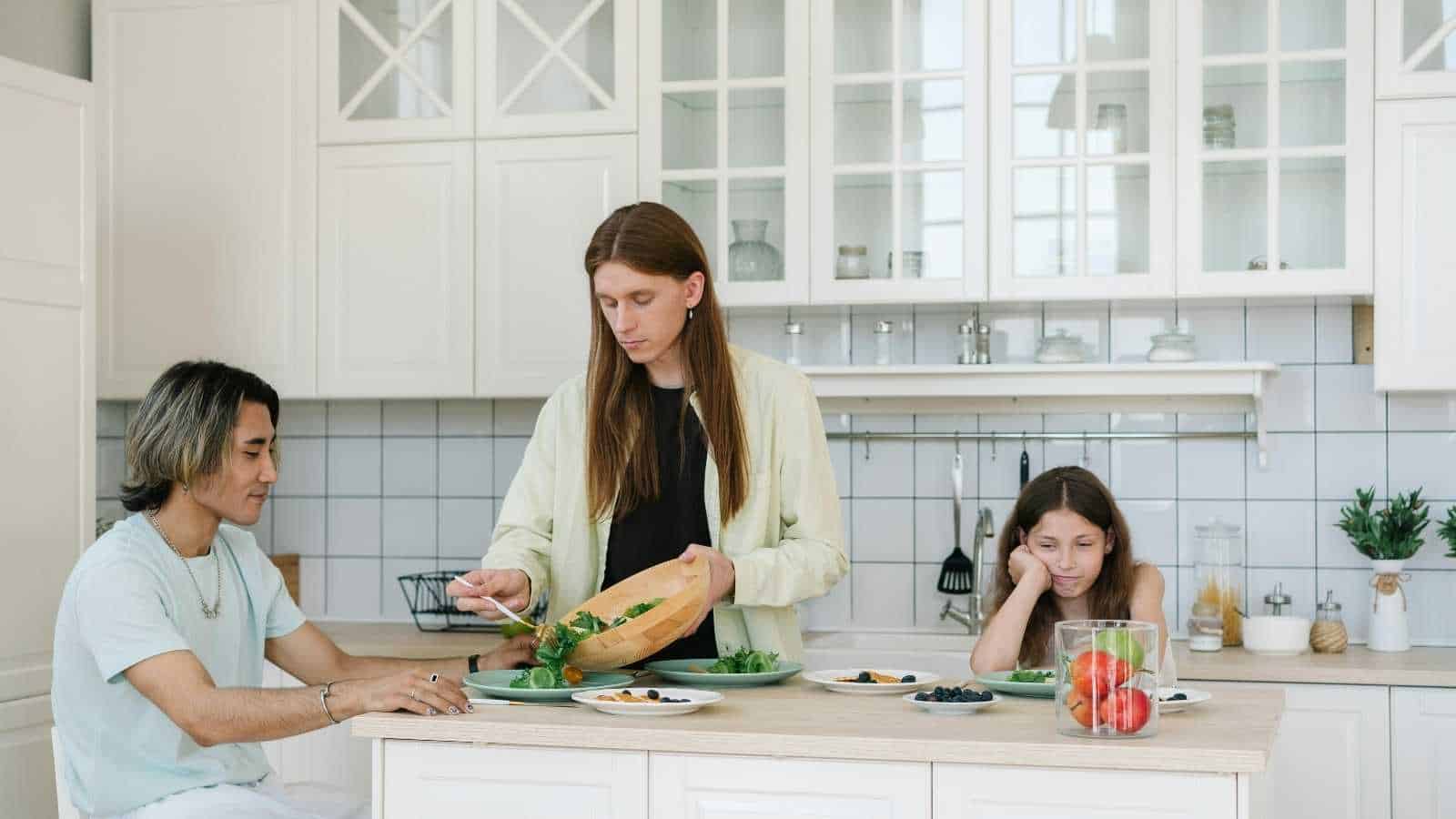
After going through a divorce, biological parents are deeply protective of their newfound romance. Unfortunately, data from Psychology Today reveal that 67% of second marriages end in divorce, compared to 50% of first marriages.
Because step-couples are highly aware of this pressure, a parent might intentionally minimize or hide friction between their spouse and their biological child to protect the union.
This intentional silencing leaves the child feeling completely unprotected, causing small grievances to fester into deep-seated resentment that threatens the peace and sanity of the home.
Unspoken Grief and Unhealed History

Every single step-family is born out of the loss of a previous family structure, whether that stems from divorce, separation, or death. If family members haven’t fully processed that initial grief, the introduction of a new stepparent can feel like a forced attempt to erase the past.
Children and adults alike may hide their ongoing sadness or anger because they feel the rest of the household may have actually moved on.
This unaddressed emotional history acts like an invisible weight, turning ordinary daily interactions into surprisingly tense stand-offs that leave everyone wondering why things feel so heavy.
The Ambiguity of the Stepparent Role

Unlike biological parenting, the role of a stepparent doesn’t come with a universally understood rulebook. Sociological research frequently highlights that stepfamilies operate as “incomplete institutions,” lacking clear cultural scripts for daily roles.
This severe role ambiguity leaves stepparents constantly wondering if they have the authority to enforce rules.
To avoid constant arguments, a stepparent might quietly withdraw from parenting duties altogether, keeping their frustration entirely to themselves. At the same time, the biological parent carries the full load, creating a toxic, unsaid divide.
The Exhausting Reality of Hypervigilance

Living in a blended home can initially feel like walking on eggshells. Family members operate in a state of constant social alertness, analyzing every tone of voice to see where they stand. This continuous emotional monitoring leaves little room for casual communication.
A longitudinal study tracking 758 adolescent stepchildren found that higher quality stepfather-child relationships were directly associated with reductions in depression during adolescence.
The resulting exhaustion builds up a wall of artificial politeness, locking the tension firmly in place.
Defending the Biological Fortress

When a new person enters a family dynamic, it is natural for the original biological unit to gravitate toward familiar bonds. A parent and their children often share years of inside jokes, personal memories, traditions, and routines that were established long before the newcomer arrived.
Without realizing it, they may continue private conversations or rely on old patterns that unintentionally exclude the stepparent.
Over time, this can create feelings of rejection, loneliness, and emotional distance, making it difficult for the new family member to feel fully accepted and genuinely integrated into the household.
Hidden Financial Comparison and Friction

Combining two independent households often means merging completely different economic philosophies. Financial friction frequently arises when resources are perceived as unevenly distributed between biological children and stepchildren.
The challenge is more common than many people realize. A 2026 Pew Research Center analysis found that 17% of U.S. children under age 18 live in a blended family. This complex family structure often requires parents to navigate competing financial priorities, household rules, and expectations.
Since discussing money can feel taboo, parents often hide certain purchases or establish secret agreements to avoid a fight, turning the budget into a minefield of hidden secrets and quiet scorekeeping.
Differing Domestic Rules and Culture Clash
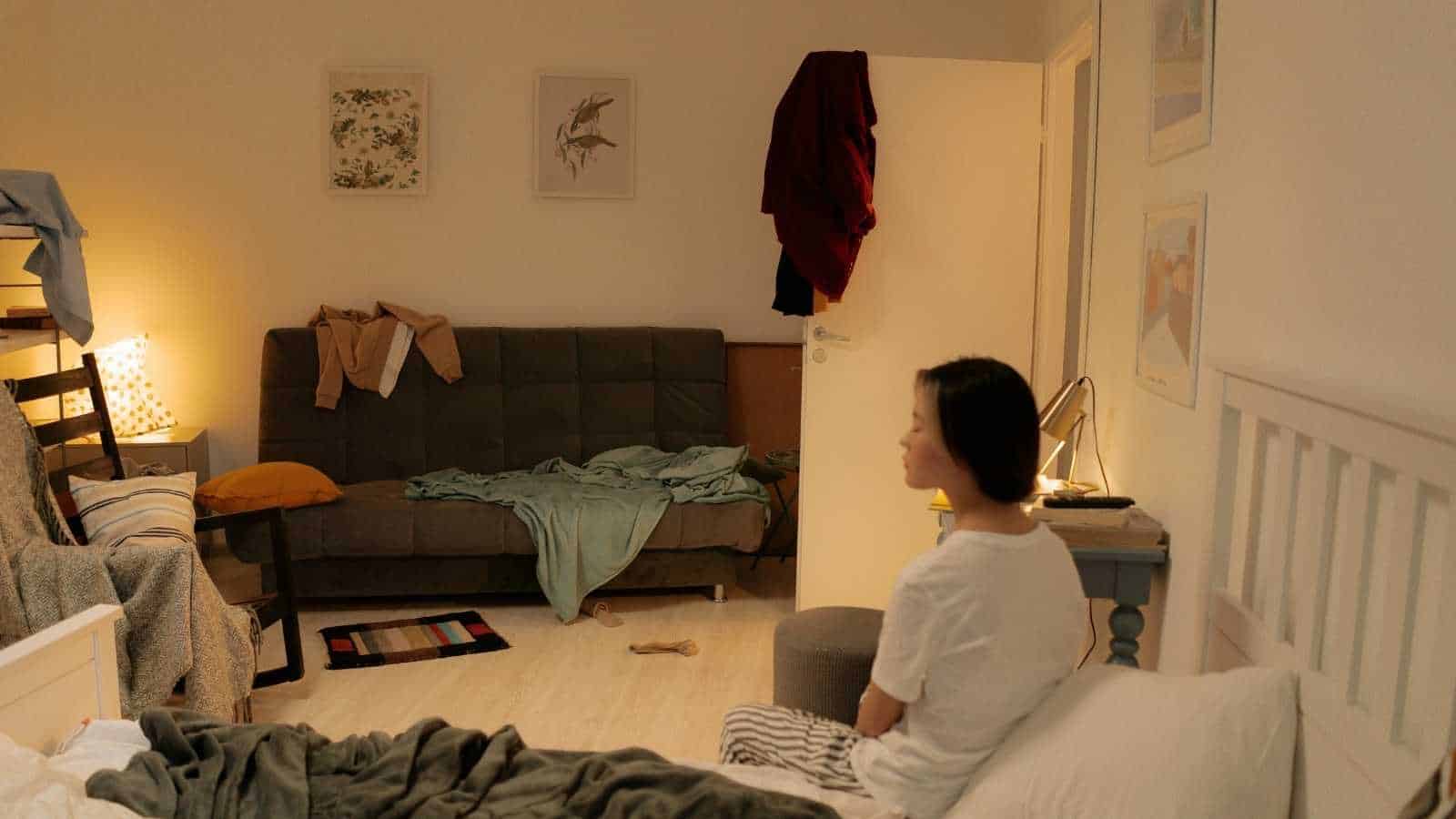
Every household develops its own unique culture, from bedtime routines to how loudly people talk at dinner. When a child feels their familiar way of life is being replaced too quickly by a stepparent’s rules, they may respond with quiet resistance rather than open disagreement.
This can show up as rule-bending or selective compliance when the stepparent is not around. Over time, this kind of hidden defiance can create an unspoken power struggle in the home, draining emotional energy and making it harder for the family to build shared routines, trust, and new traditions together.
The Biological Comparison Trap

It is entirely natural for parents to experience a distinct difference in how they feel about their biological children versus their stepchildren. However, admitting to this difference feels incredibly taboo.
To overcompensate for this hidden guilt, a parent might show obvious favoritism or bend over backward to appease a stepchild, creating a toxic undercurrent of jealousy that can poison sibling relationships for years.
The lack of honest conversation about these natural feelings makes everyone feel like they’re walking on landmines.
Key Takeaways
The structural complexity of step-relationships naturally creates hidden tension when family members hide their true feelings to maintain an illusion of instant harmony. Working through split loyalty, role ambiguity, and unresolved grief requires moving away from the myth of the perfect blended family and embracing open communication.
By addressing these hidden psychological undercurrents honestly, families can break down walls of secrecy and build authentic connections built on mutual respect.
Disclaimer: This list is solely the author’s opinion based on research and publicly available information. It is not intended to be professional advice.
Like our content? Be sure to follow us