12 “everyday” cleaning jobs our parents treated like non-negotiables
A spotless sink before bedtime. Beds neatly made before breakfast. Dust cleared away before anyone even noticed it. Many Americans grew up with cleaning routines that felt more like firm household rules than casual reminders.
The interesting part? Plenty of those old-school habits still make a lot of sense today. The numbers back that up. Americans spend an average of 1 hour and 57 minutes a day on housework, according to the latest analysis of the U.S. Census Bureau’s American Time Use Survey by Pew Research Center.
The U.S. Bureau of Labor Statistics also reports that adults spend roughly 24 minutes daily on interior cleaning and about 10 minutes on laundry. Meanwhile, the American Cleaning Institute found 80% of Americans planned a major cleanout in 2025, and nearly half expected to clean more than usual.
Turns out parents weren’t being dramatic. They were building systems that kept homes functional before clutter and grime got a head start. Here are 12 cleaning jobs they treated like non-negotiables, and why plenty of households still swear by them.
Making the bed every morning
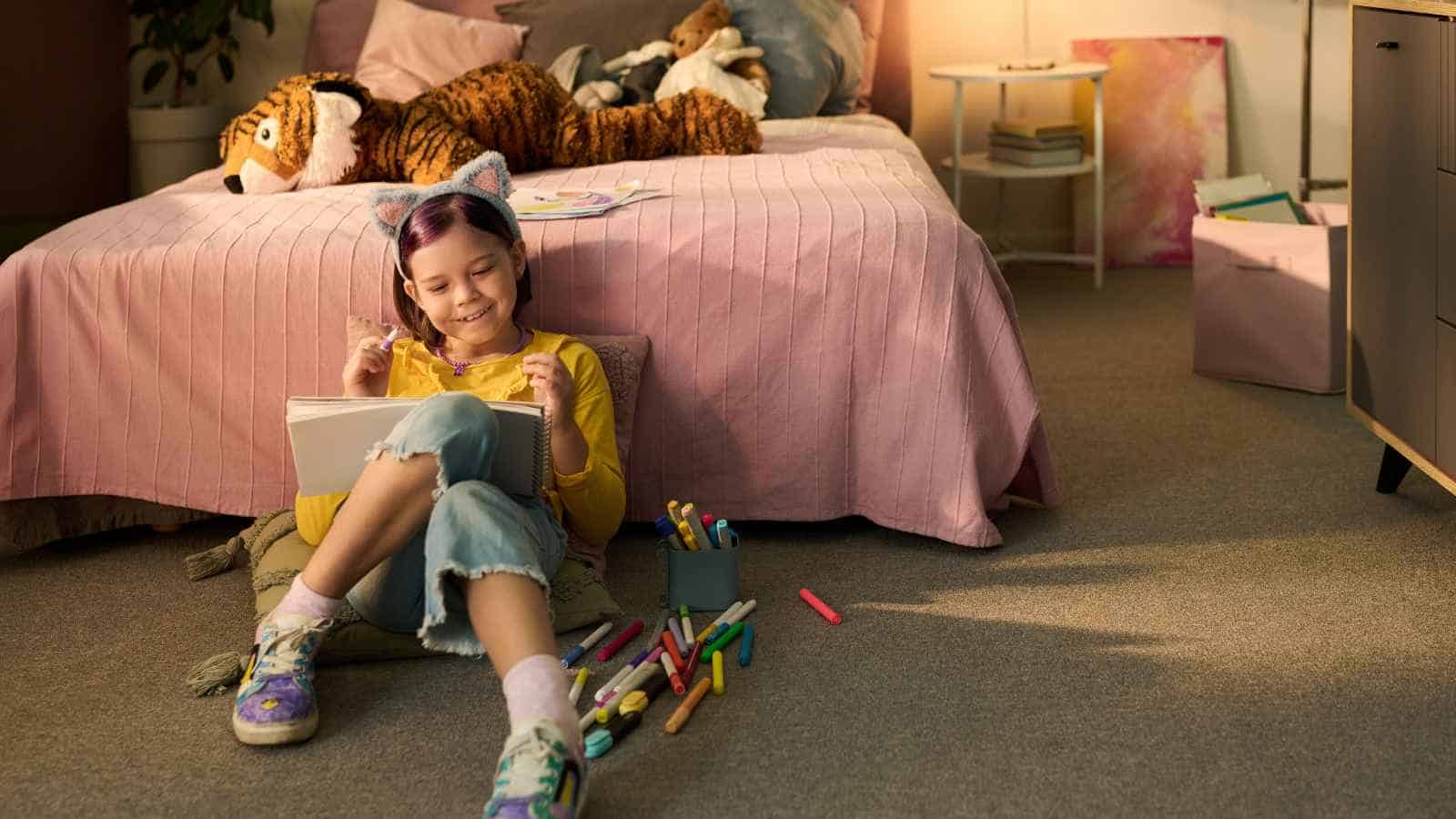
Parents treated bed-making like a launch sequence: feet on the floor, blankets up, pillows straightened, day officially started. That five-minute reset had a purpose beyond appearance.
A made bed instantly makes a bedroom look calmer and visually organized, which can reduce the sense of disorder piling up around you. Home organization specialists often point to visible surfaces as mood-setters because the brain processes clutter as unfinished business.
Practical payoff mattered too. A made bed keeps sheets in place, reduces wrinkling, and encourages better airflow when blankets are pulled neatly. Many adults who ignored this growing up later adopt it because the room feels finished before work even begins.
Parents may not have called it habit-stacking or environmental psychology, but they nailed the principle years ago: start with one visible win, and the rest of the space feels easier to manage.
One quick task creates a cleaner-looking room and builds momentum before the day gets busy.
Washing dishes before bedtime
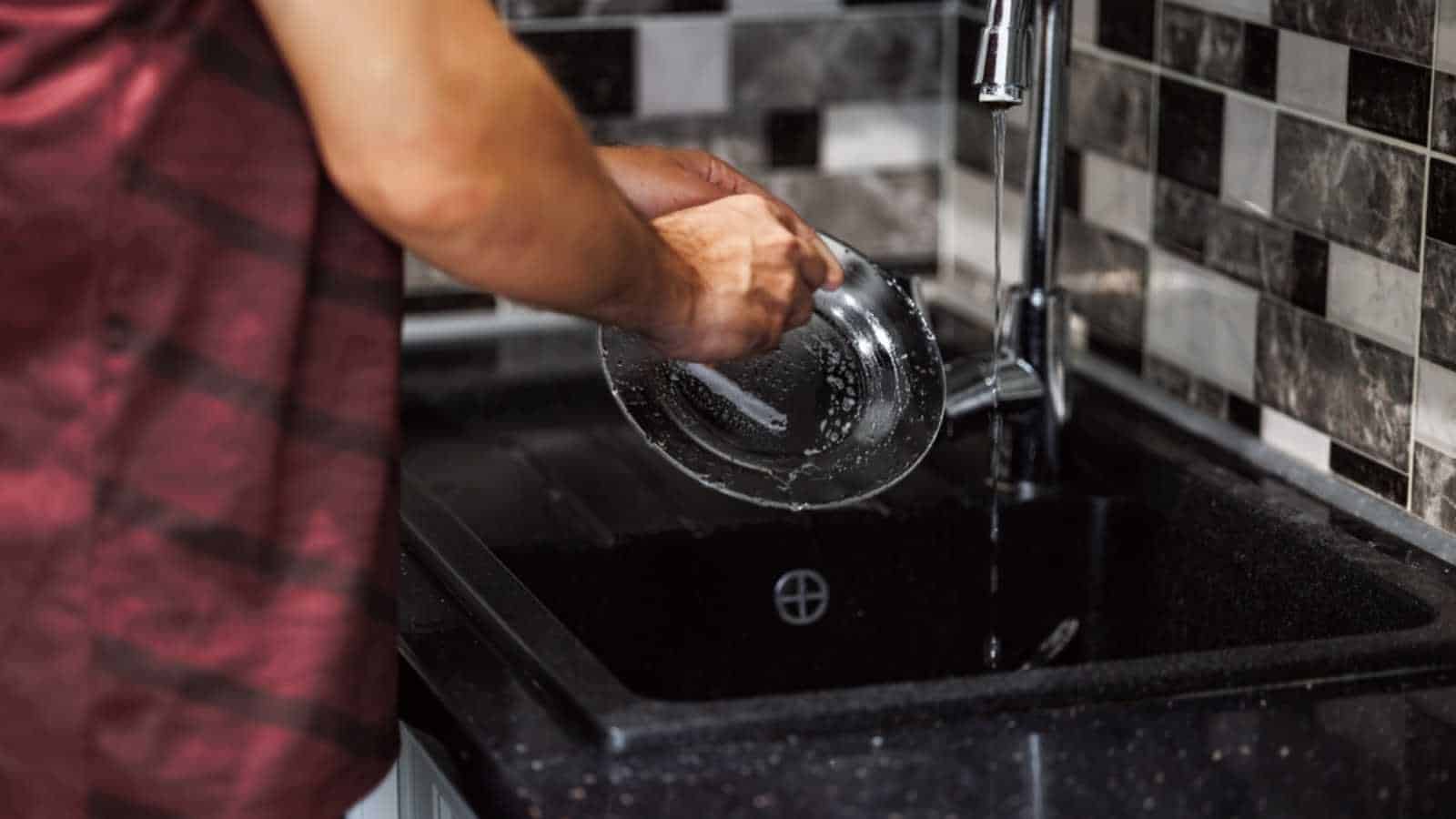
A sink full of dishes overnight was unacceptable in many homes. Parents knew dirty dishes multiply faster than rabbits and feel twice as annoying in the morning. Food residue also hardens overnight, which means more scrubbing later.
A 2025 American Cleaning Institute survey found that three in four Americans are adjusting their cleaning habits to support health, and kitchens rank high because food-contact surfaces can quickly attract bacteria.
A clean sink also changes how a kitchen functions the next morning. Coffee prep gets faster, lunch packing runs more smoothly, and counters stay open for use. Technical cleaning experts often recommend immediate washing because grease remains emulsified and easier to remove while fresh.
Waiting turns a rinse-and-wipe into a project. Parents understood efficiency before efficiency hacks had names.
Wiping kitchen counters after every meal
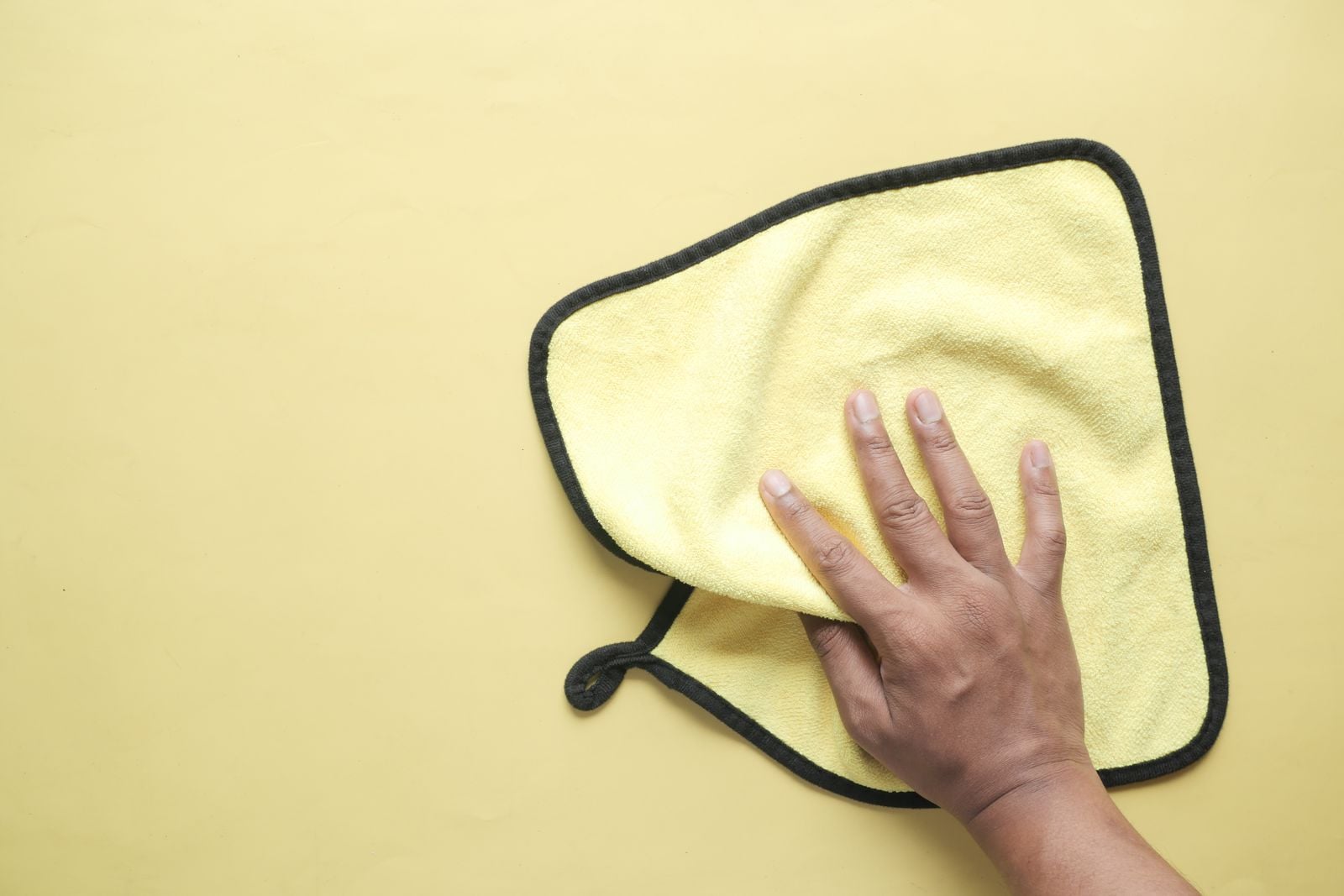
Parents often kept a dishcloth close at hand so they could grab it instantly. Meal finished? Counters got wiped. No debate. That routine matters because crumbs, moisture, and oils collect faster than most people notice.
The American Cleaning Institute says effectiveness remains Americans’ top priority when cleaning, and the kitchen is ground zero. A quick wipe prevents buildup that would otherwise require stronger products and more elbow grease.
Technically speaking, grease films trap dust and food particles, creating sticky surfaces that feel dirty even when they look clean. Daily wiping interrupts that cycle. Practical example: tomato sauce splatter cleaned immediately disappears with one swipe; wait until tomorrow, and it behaves like dried paint.
Sweeping the kitchen floor every day
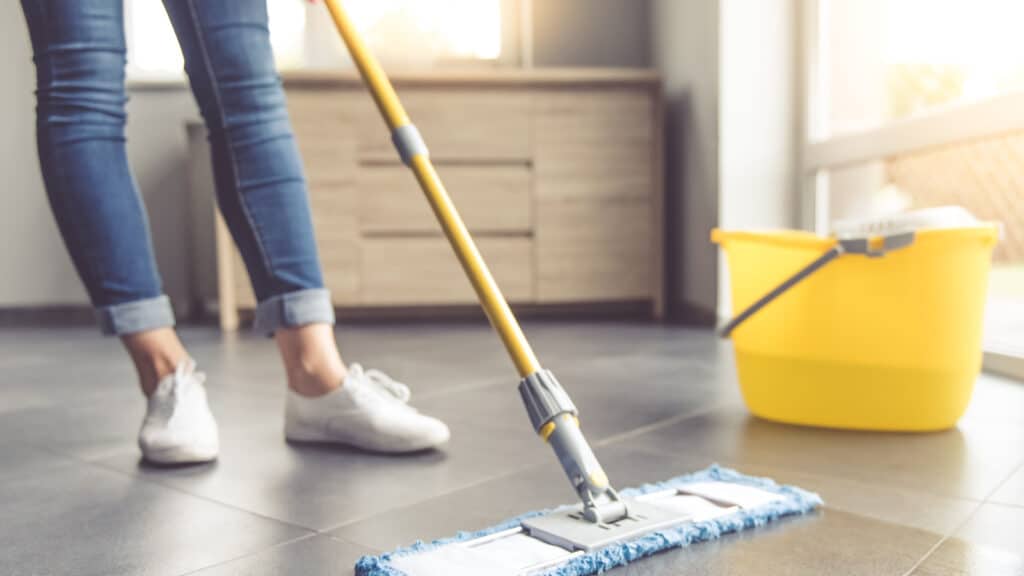
Crumbs never stood a chance in old-school households. Parents swept after dinner, after baking, after company, sometimes after all three. Floors carry more than visible debris. Dust, crumbs, pet hair, and tracked-in dirt build layer by layer.
The American Cleaning Institute’s 2025 survey found 80% of spring cleaners planned to target floors and baseboards, making them the top cleaning priority nationwide. That tracks with lived experience.
A floor may look fine until sunlight exposes everything. Daily sweeping reduces buildup and protects hard flooring by limiting grit that scratches finishes over time. Technically, abrasive particles act like sandpaper under shoes.
Parents may have sounded dramatic about “feeling crumbs,” but flooring experts would probably agree.
Dusting furniture and shelves weekly
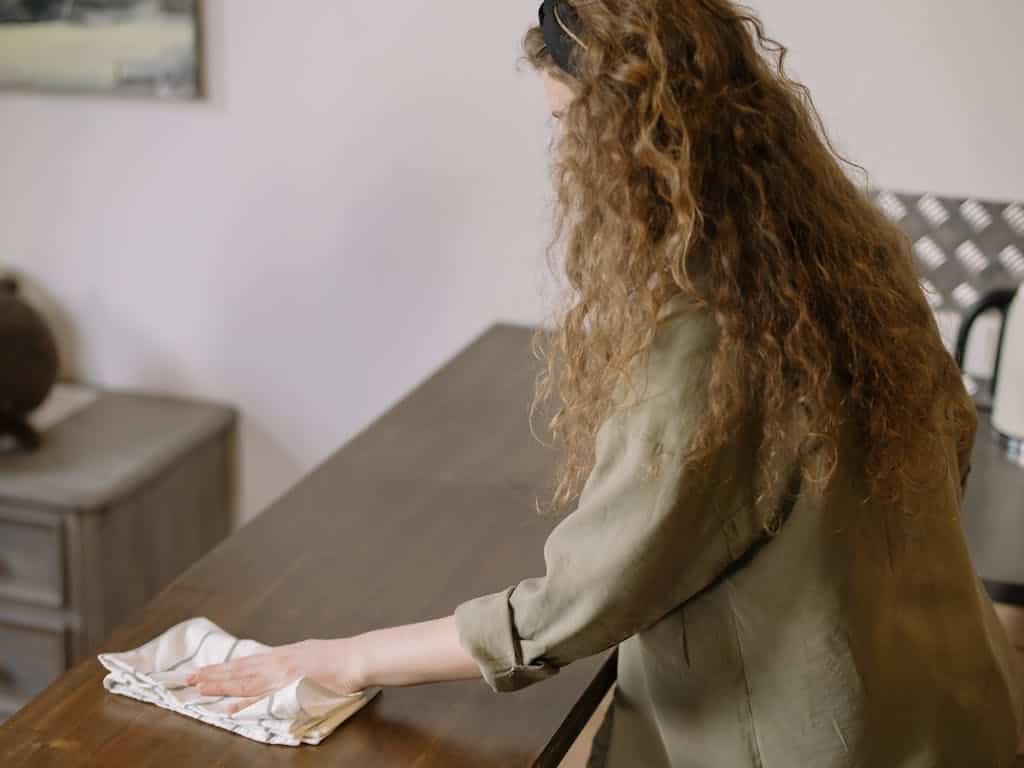
Dusting had a designated day in many homes. Shelves, frames, lamps, television stands, everything got attention. Dust is more complex than it looks. It can include fibers, dead skin cells, outdoor particles, and pet dander.
Once it settles, movement in the room sends part of it back into the air. Weekly dusting helps reduce visible buildup and keeps surfaces easier to maintain. Technical cleaning crews usually dust top-down, so particles fall and are cleaned once rather than twice.
Parents instinctively followed that rhythm: shelves first, floors last. A bookshelf may seem harmless until fingerprints and gray buildup start dulling every surface. A quick pass each week preserves furniture finishes and keeps rooms brighter.
Cleaning the bathroom every week

Bathroom day had a reputation. Parents rarely skipped it. Toilets scrubbed, sinks wiped, mirrors polished, tubs rinsed. The logic was strong. Bathrooms deal with humidity, soap residue, toothpaste splatter, and constant use.
Moisture, especially, creates buildup faster than in dry rooms. Weekly cleaning keeps stains manageable and prevents deep-scrubbing marathons later. A mirror wiped every few days stays crystal clear; ignored long enough, spots bond to the surface and need extra effort.
A toilet cleaned consistently takes minutes instead of becoming a major project. Parents understood maintenance pacing better than most productivity books.
Changing sheets on schedule

Fresh bedding had a timetable in many homes, and everyone knew it. Parents stripped beds, changed pillowcases, and reset everything, even if nobody asked. Beyond comfort, clean sheets affect cleanliness throughout the room.
Bedding collects body oils, dust, and lint over time. A fresh bed also makes the entire bedroom feel cleaner. The Bureau of Labor Statistics lists laundry among regular household activities for a reason: fabric maintenance is a constant cycle.
Parents treated linens as part of home hygiene, not decoration. A bedroom can look tidy, but wrinkled or stale bedding instantly changes the feel. Crisp sheets still carry that same “house reset” energy.
Doing laundry before the basket overflowed

Overflowing baskets were often stopped before they started. Parents ran loads before clothing became a mountain. That wasn’t random discipline. Smaller loads sort faster, fold faster, and put less strain on the schedule.
The Bureau of Labor Statistics estimates that Americans spend time on laundry-related work each day, which adds up quickly over the course of a week. Delaying laundry tends to create a bottleneck: no socks, no towels, no patience.
Practical example: one midweek load may take under an hour of active handling, while four piled-up loads hijack half a Saturday. Parents knew momentum matters with fabric care.
Taking out trash before it looks full

Trash duty usually happened before the bin overflowed. Parents paid attention to smell, scraps, and kitchen traffic. Overflowing bins invite mess and force cleanup outside the can, too.
A lighter bag taken out early beats wrestling one overstuffed bag later. Odor control matters as well. Food waste creates a smell long before a bag reaches capacity. A clean liner and empty bin also keep kitchens feeling reset. This one feels simple, but it dramatically changes the pace of a home.
Cleaning inside the refrigerator regularly
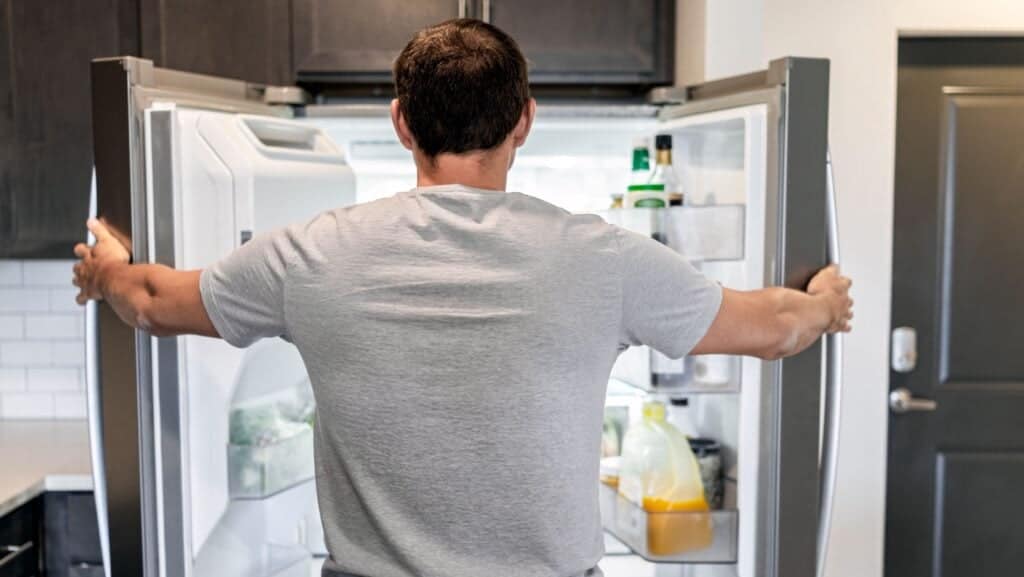
Parents opened the fridge with an inspection-level focus. Leftovers got checked. Shelves got wiped. Expired condiments disappeared. That habit still pays off. Food spills harden quickly in cold storage and spread odor throughout the area.
The American Cleaning Institute notes that appliances rank among Americans’ top cleaning targets during deep-cleaning sessions. A refrigerator that is cleaned regularly runs more smoothly, both visually and practically, because items stay visible and usable.
Technical advantage matters too: fewer spills mean easier airflow around stored food and quicker inventory checks before shopping.
Vacuuming living spaces every week

Parents treated vacuuming like scheduled maintenance. Carpets, rugs, corners, hallways, done. Dirt settles deeper than visible crumbs. Fibers trap particles and hold them until they are vacuumed out. Weekly vacuuming helps maintain the appearance of carpets and makes rooms feel fresher.
High-traffic zones especially benefit. Entryways and family rooms collect wear faster than bedrooms. A consistent routine avoids that “why does this room feel dusty?” mystery.
Cleaning “hidden” spots before guests ever notice

Baseboards. Behind furniture. Window tracks. Parents cleaned places visitors might never see and insisted it mattered. The data support them. In the American Cleaning Institute’s 2025 survey, 76% of Americans planned to clean behind furniture, and 75% planned to clean windows and storage spaces.
Those overlooked spots quietly collect dust and affect how fresh a room feels overall. A clean baseboard visually sharpens the whole room. A cleared corner prevents buildup from spreading outward. Parents had an eye for invisible maintenance, and that’s often what kept homes feeling polished.
Key Takeaways

Parents may have sounded strict about chores, but plenty of those “clean it now” rules were practical systems built on timing, consistency, and experience. Making a bed took two minutes and changed the feel of a room.
A wiped counter prevents stains from setting. A quick sweep kept dirt from traveling through the house. Small habits handled daily prevented overwhelming cleanup later. Americans continue to lean into those routines.
A few minutes spread through the week protect surfaces, keep spaces comfortable, and make homes easier to manage.
Disclaimer: This list is solely the author’s opinion based on research and publicly available information. It is not intended to be professional advice.
Like our content? Be sure to follow us