12 reasons Americans are fighting back against the AI data center boom
Living next to a windowless gray building that eats more power than a major city and turns local tap water a rusty shade of brown is a harsh reality for some neighbors.
A silent war is sweeping across local towns as regular folks hit the brakes on the AI data center boom. Big tech companies are rapidly buying up land to house the servers powering artificial intelligence. But local residents aren’t rolling out the red carpet anymore.
Recent Gallup polls show that a staggering 71% of Americans oppose having these massive computing hubs built in their local areas. This corporate expansion has quickly turned into a nationwide headache for everyday citizens.
The fundamental issue is that the high physical costs of AI are being dumped onto neighborhoods while the profits head straight to Silicon Valley. From soaring utility bills to poisoned water, the list of grievances is growing fast. Here are the twelve main reasons why local communities are fighting back against the tech giants.
Local utility bills are spiking

Every day, families are starting to absorb the massive cost of upgrading the nation’s energy infrastructure. To support the immense power needs of AI, utility grids must install new high-voltage cables and heavy-duty transformers. These multi-billion-dollar upgrades don’t get paid for by big tech, but by regular residential ratepayers.
The PJM grid region, which covers several eastern states, is a prime example of this trend. This massive surge translates directly into higher monthly power bills for ordinary households.
The electrical grid is buckling under the load
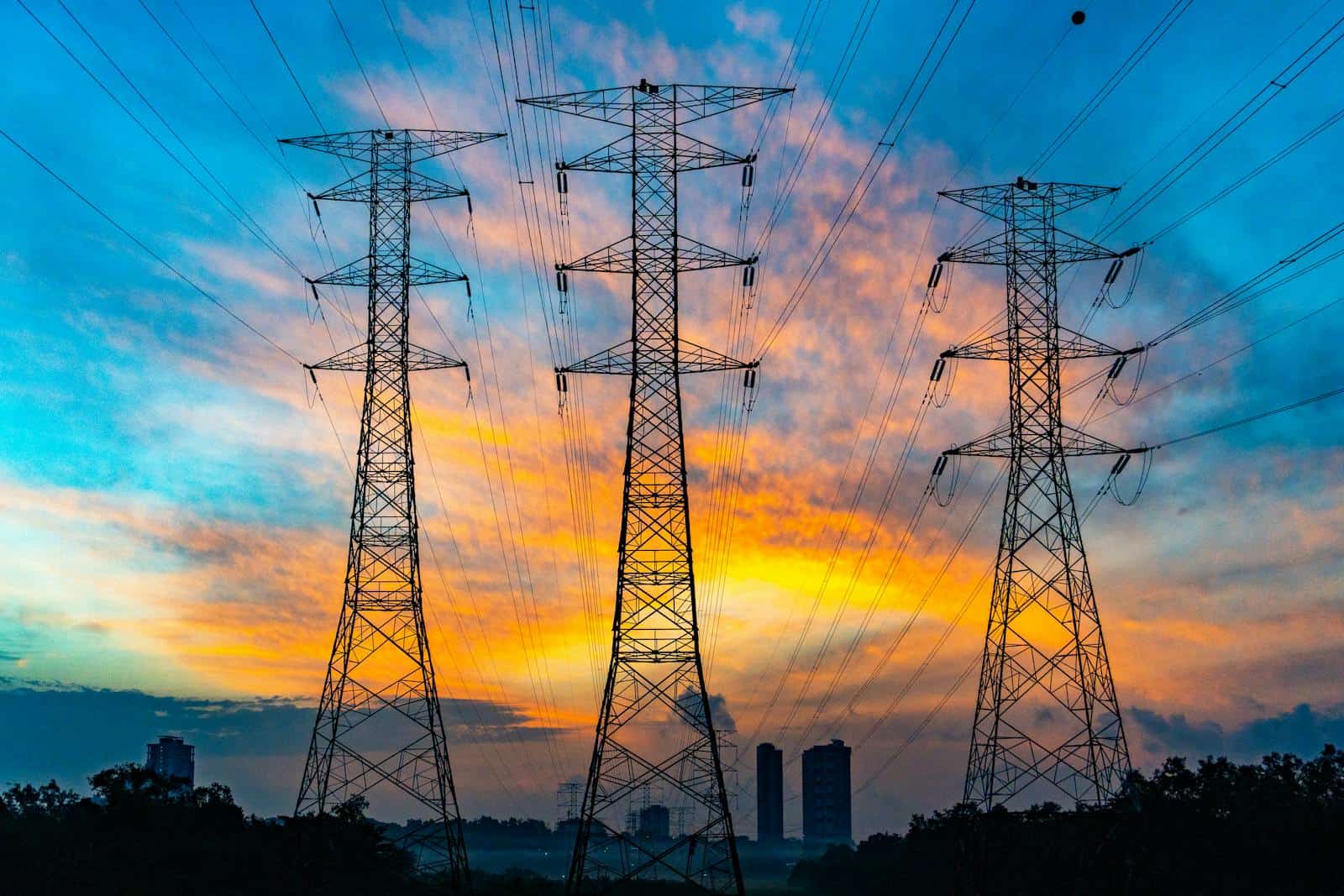
AI-focused “hyperscale” data centers require an absolute mountain of power to operate around the clock. While a conventional data center uses as much electricity as 10,000 homes, a single AI facility can draw enough power for over 100,000 households. This immense energy demand is threatening the stability of regional electrical grids.
To keep up, utilities are keeping old, dirty fossil fuel plants online much longer than planned. Grid managers are warning developers that hooking up new projects can take up to ten years in some markets. The rapid boom is effectively derailing the country’s transition to clean, renewable energy.
Water supplies are running dangerously dry
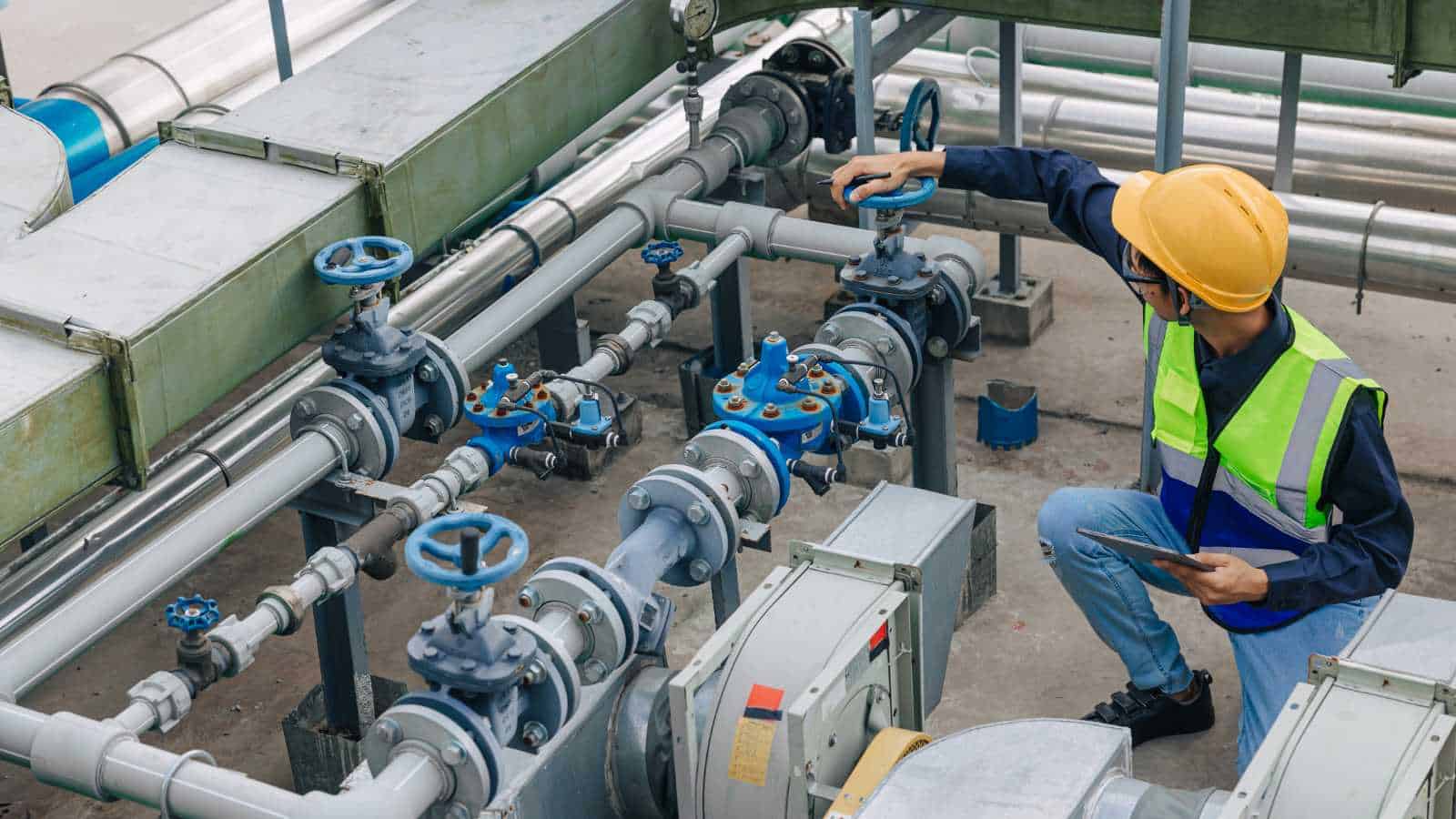
Keeping high-powered computer chips cool requires millions of gallons of fresh water every single day. This massive consumption becomes highly dangerous during seasons of severe drought.
In California’s Imperial County, a proposed data center is planning to pull 260 million gallons of water annually from the Colorado River. People simply do not want to sacrifice their drinking water to feed tech algorithms.
Drinking water is turning a nasty shade of brown

Heavy construction and drilling for data center campuses can severely disrupt local groundwater systems. In Richland Parish, Louisiana, construction on a massive $1.3 billion Meta facility has caused serious problems for local families. Residents report that their tap water now smells strongly of disinfectant and comes out of the faucet looking brown or rusty.
Many families have stopped drinking or cooking with tap water entirely. It is a stressful, expensive daily burden that neighbors never asked for.
Toxic PFAS forever chemicals are leaking into local ecosystems

Public health advocates are highly concerned about the invisible chemical footprint of the AI boom. To prevent overheating, many high-density server systems use specialized synthetic coolants that contain PFAS. These compounds are known as “forever chemicals” because they never break down naturally in the environment.
These toxins accumulate inside the human body over time and are linked to cancer and reproductive issues. The risk of chemical leaks is turning these massive server farms into public health hazards.
Constant noise pollution is driving neighbors crazy

Living near a data center means listening to a non-stop, industrial hum that never sleeps. This continuous noise is generated by thousands of massive cooling fans and mechanical chillers running 24/7. The constant sound has become a major source of sleep deprivation and stress for nearby families.
Homeowners near Microsoft’s billion-dollar Wisconsin facility recently filed a class-action lawsuit over the intolerable noise. Peaceful residential areas are essentially being turned into loud, industrial manufacturing zones.
Beautiful farmland and natural habitats are being paved over
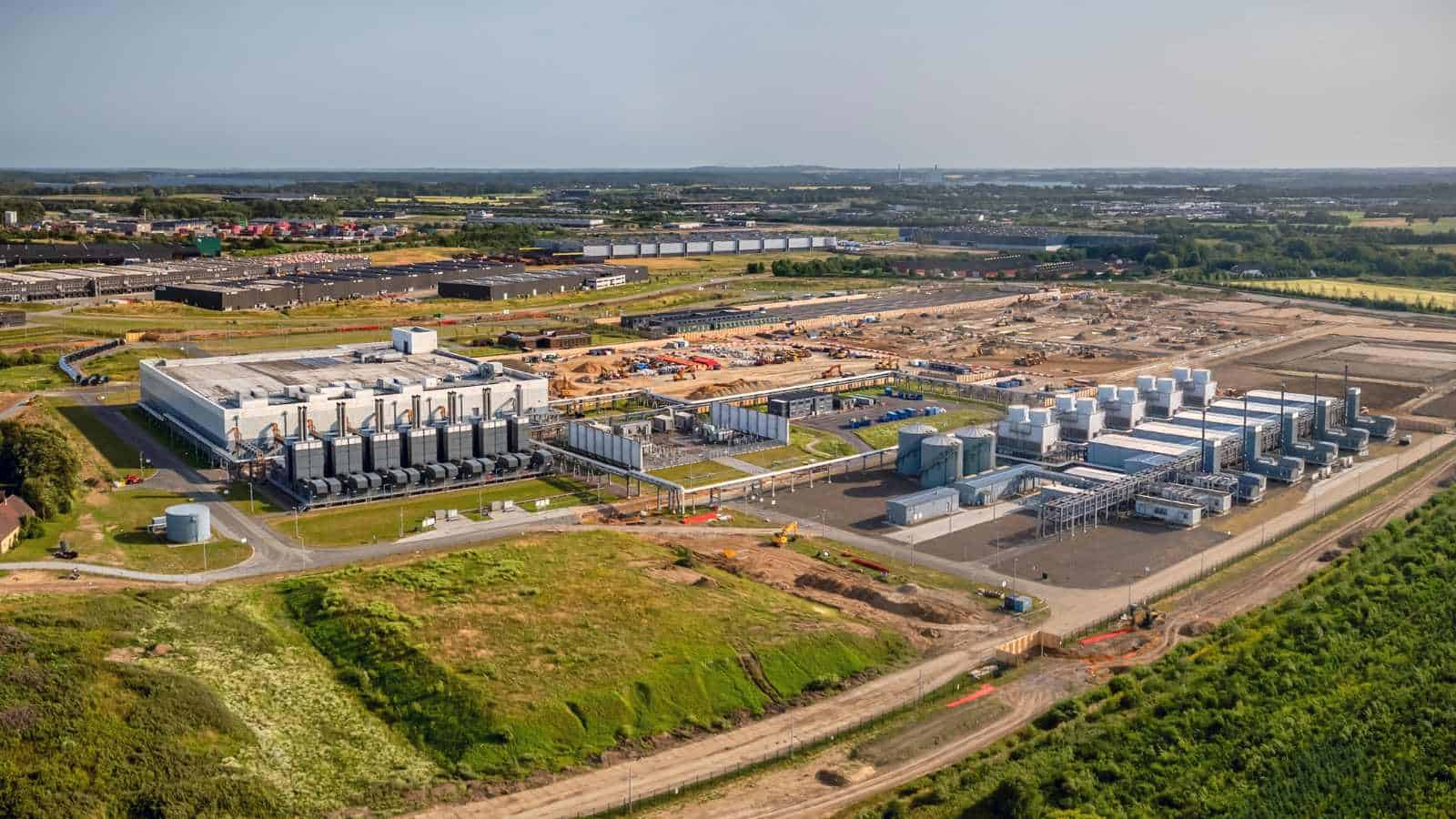
These giant computing warehouses require a staggering amount of flat, physical land. Many projects cover hundreds of acres with concrete, steel, and massive security fences. This expansion is eating up pristine forests, wildlife habitats, and fertile agricultural fields.
Once the concrete is poured, that soil is gone for good. The visual blight is sparking a passionate effort to protect what is left of rural America.
Secret NDAs are keeping local residents in the dark

Tech developers have a habit of arriving quietly and hiding their plans from local taxpayers. To avoid public backlash, they often require local officials to sign strict non-disclosure agreements before public hearings. This leaves residents completely blind to massive projects coming to their communities.
For example, NDAs shroud roughly 80% of local governments weighing data center proposals in Virginia. This lack of transparency has destroyed community trust and ignited intense political fury.
Promised local jobs are a total mirage

Tech giants routinely promise that their multi-billion-dollar projects will bring massive economic growth and jobs. However, critics warn this is a major false promise used to win easy rezoning approvals. The reality is that while construction creates some short-term labor, active server farms need very few workers.
A massive facility the size of several football fields might only require a permanent staff of 30 people. The lack of economic ripple effects makes local communities feel heavily used.
Massive arrays of diesel generators are polluting the air

To ensure servers never go offline during a power outage, data centers keep massive banks of backup generators on site. These industrial generator fleets run on diesel fuel and emit hazardous exhaust. The resulting emissions include nitrogen oxides, carbon monoxide, and toxic particulate matter.
This localized air pollution is directly linked to chronic asthma, heart disease, and premature death. It is a heavy, dangerous health trade-off that local communities are no longer willing to make.
Massive tax subsidies are draining local public budgets

State governments are handing out eye-watering tax breaks to ultra-wealthy tech firms to lure them in.
This means billions of dollars are being handed back to rich tech corporations instead of funding local schools or roads. Everyday taxpayers are essentially subsidizing the infrastructure of trillion-dollar tech empires.
These buildings are a physical proxy war against AI itself

At its core, the backlash against data centers is a physical manifestation of deep anxieties about artificial intelligence. Many Americans are worried about automated job losses, deepfakes, cybercrime, and the rapid pace of the tech industry. Since everyday people cannot fight an invisible algorithm, they target the physical buildings instead.
The massive, gray concrete warehouses have become the perfect symbol of corporate overreach and greed. Stopping a physical data center is a direct, tangible way to pull the plug on unchecked tech expansion.
Key takeaway

The nationwide resistance against data centers proves that the digital cloud has a heavy, highly disruptive physical reality. Everyday citizens are refusing to sacrifice their clean water, affordable electricity, and taxpayer dollars for the sake of artificial intelligence. Until tech giants focus on transparent, sustainable, and community-first practices, this massive infrastructure war will only continue to grow.
Disclaimer – This list is solely the author’s opinion based on research and publicly available information. It is not intended to be professional advice.
You May Also Like: 10 Common Myths About Artificial Intelligence
Like our content? Be sure to follow us