13 parenting myths that are now considered outdated
A lot of parents still hear old advice echoing in their heads at the worst possible moment. Don’t pick the baby up too much. Be stricter. Don’t let them see you crack. Those lines used to sound like common sense. Now they often sound like family folklore that stayed in the house too long. The reason this matters so much right now is simple.
Parenting itself is under strain. In the U.S. Surgeon General’s 2024 advisory, 33% of parents reported feeling high stress in the past month, and 48% said their stress was completely overwhelming most days. When people are this tired, outdated advice can feel tempting because it sounds clear, fast, and familiar. That does not make it right.
The newer parenting shift is not about becoming permissive or fragile. It is about dispelling myths that do not align with what child development research keeps showing. Harvard’s Center on the Developing Child notes that in the first few years of life, more than 1 million new neural connections form every second, and that responsive back-and-forth interaction with caregivers helps build and strengthen those connections.
Pew’s 2023 parenting survey also found that 44% of U.S. parents say they are trying to raise their children differently from how they were raised, nearly the same share as those trying to raise them similarly. That tells its own quiet story. Many mothers and fathers are not rejecting the past out of spite. They are trying to keep what worked and let go of what hurt.
You’ll spoil a baby if you hold them too much

This myth has scared generations of parents away from one of the most basic things babies need: a warm, steady human response. ZERO TO THREE says the old fear that holding a baby too much will spoil them is not supported by the science of attachment.
Harvard’s child development research shows that responsive “serve and return” interactions help build and strengthen neural connections in the brain. In those first years, when more than 1 million new neural connections are forming every second, comfort is not a luxury item. It is part of the construction work.
Harvard pediatrician Jack Shonkoff has long described that process as “serve and return,” which is a cleaner, wiser way to think about what a crying infant is asking for. A baby who gets held, soothed, and answered is not learning to manipulate the room. That baby is learning that the world can be trusted, and that trust is often what later makes independence possible.
Strict parents raise the best-behaved kids

An older parenting culture often treated harshness as a shortcut to respect. Newer research keeps pointing somewhere else. A 2025 cross-national study of 10,909 adolescents and young adults found that authoritative parenting was linked to better academic outcomes, while authoritarian parenting was linked to worse outcomes.
A 2025 Frontiers study on preschoolers also found that authoritative parenting was significantly negatively correlated with externalizing problem behaviors, while authoritarian parenting was positively correlated with them. That matters because fear can lead to a quick yes, but it does not always build the inner skills a child needs later, such as judgment, emotional control, and honesty.
The child who obeys because they are scared may still rebel in secret, lie to stay safe, or shrink into anxiety. Warmth plus structure looks stronger than force plus control, and that pattern shows up in study after study.
Spanking teaches respect

This is one of the myths that has lost the most ground with pediatric experts. HealthyChildren, which reflects American Academy of Pediatrics guidance, says parents and caregivers should not spank or hit children because spanking often increases aggression and anger and can teach that hurting someone is an acceptable response to frustration.
CDC-linked research from 2024 adds that about 1 in 6 surveyed parents reported spanking a child in the prior week, which means this is still common enough to matter. Respect is supposed to grow from safety, consistency, and example.
Spanking teaches a different lesson. It teaches that the bigger person gets to use pain when emotions run hot. That may stop a behavior in the moment, but it does not reliably build empathy, self-control, or the kind of moral understanding most parents actually want their children to carry into school, friendship, and adulthood.
Good parents never lose their cool
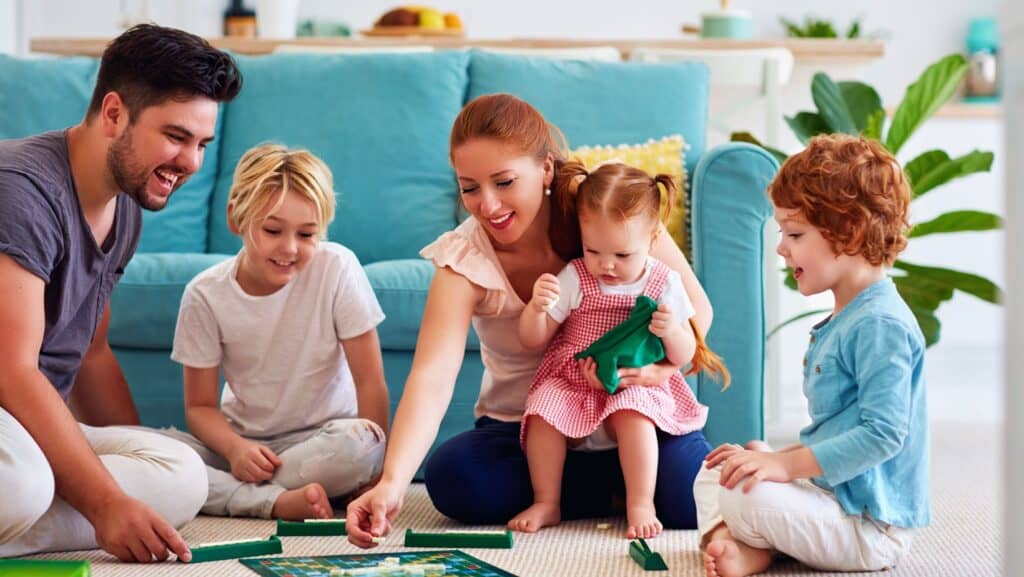
This myth is cruel because it asks parents to be both human and somehow untouched by being human. The Surgeon General’s 2024 advisory says nearly half of parents feel completely overwhelmed on most days, so the idea of perfect calm was already shaky before breakfast.
Children do not need a parent who never snaps, never cries, never gets flustered, and never comes apart at the edges. They need adults who know how to come back. Child Mind Institute psychologist Jamie Howard puts one piece of that plainly when she says, “kids are reading you. They’re little sponges, and they pick up on everything.” That is exactly why repair matters so much.
A parent who says, “I yelled because I was stressed, and that was not fair,” is doing more than just cleaning up for a moment. They are modeling accountability, emotional literacy, and the truth that relationships can bend and still be repaired.
Kids just grow out of issues on their own

Sometimes children grow past their rough edges. That is not the same thing as saying time itself is a treatment plan. CDC’s Learn the Signs. The Act Early program says 1 in 6 children ages 3 to 17 has a developmental disability, and it stresses that identifying developmental delays and disabilities early helps children and families get services and support sooner.
CDC also notes that an estimated 7 million U.S. children ages 3 to 17 have ever been diagnosed with ADHD, including 6.5 million with current ADHD in 2022. Those are not tiny numbers, and they help explain why the old “just wait” advice has aged so badly.
The longer a language delay, attention problem, social difficulty, or anxiety pattern goes unnamed, the more it can become ingrained in school, family, and a child’s sense of self. Early support does not label a child too soon. In many cases, it gives that child a better shot at feeling understood before struggle hardens into shame.
Arguing in front of kids always damages them

Children are not broken by the sight of all conflict. They are worn down by the wrong kind of conflict, especially the kind that burns hot and never heals. Greater Good’s family research says conflict is normal and that harmony all the time is neither realistic nor healthy. What matters more is how adults respond after the rupture.
A 2021 review, often cited in current parenting coverage, found that hostile, unresolved conflict predicts poorer social and emotional development in children. So the issue is not that a child hears two adults disagree about money, bedtime, or a schedule. The issue is the flavor of the disagreement.
Name-calling, contempt, cold silence, and chronic tension teach one lesson. Respectful disagreement, followed by an apology, calm, and reconnection, teaches another. Kids do not need a conflict-free house. They need a house where conflict does not become the language of love.
Total parental self-sacrifice is good parenting

The old image of the “good parent” as someone who erases their own needs is wearing thin, and the numbers explain why. The Surgeon General says 48% of parents feel completely overwhelmed on most days, and recent research on parental burnout describes it as a growing problem tied to chronic overload and emotional depletion.
A 2024 study on parental self-care also found that lower self-care was linked with more negative parenting when the parenting experience did not feel natural or manageable. Child Mind psychologist Jerry Bubrick says it in four words that carry more weight than a whole shelf of guilt, “Mental health is health.”
Children do not benefit from a martyr who is always running on fumes and resentment. They benefit from a caregiver who has enough rest, support, and steadiness to respond rather than explode. Self-care is not a betrayal of the child. Very often, it is part of how the child gets calmer, more reliable care.
More activities mean more success
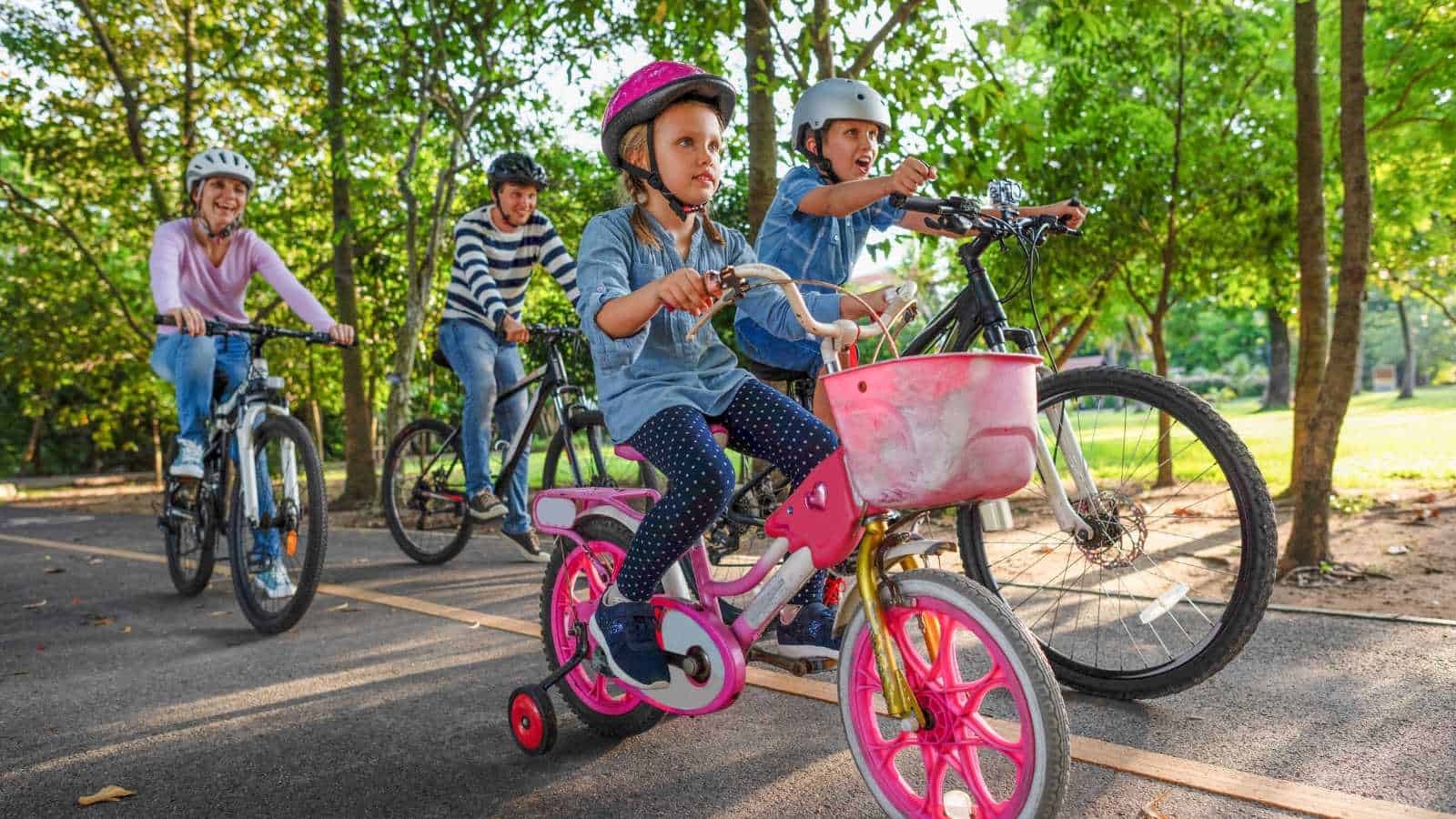
This myth flatters adult ambition more than it serves a child’s nervous system. Children’s Health says overscheduling can contribute to stress and burnout. Child Mind’s 2024 work on boredom argues that unstructured time can help children build creativity, self-esteem, and self-direction.
That is one reason the old race toward constant lessons, travel teams, enrichment blocks, and packed calendars is losing some of its glow. A child does not become more impressive simply because every afternoon is spoken for. Sometimes they become more brittle, more tired, and more dependent on adults to script every hour of the day.
Boredom is not always a problem to solve. It can be an open field where imagination, tolerance for frustration, and self-starting begin to grow. For anxious parents, that can feel unnerving. For many children, it is exactly the room they need.
Screens are always bad for kids

This is one of the loudest myths in modern parenting, and it tends to flatten everything into one scary category. AAP-backed guidance on HealthyChildren in 2026 says families should move “beyond simple screen-time limits” and focus on quality, context, and conversation.
The AAP’s Family Media Plan also encourages parents to set rules around bedtime, distractions, and shared values, rather than treating every minute on a screen as morally identical.
That shift matters because a bedtime doom-scroll, a math game, and a video call with a grandparent do very different things in a child’s life. Some screen use can crowd out sleep, play, and face-to-face connection. Some can support learning or closeness.
The newer approach asks better questions. What is the child watching or doing? Who is with them? What is the screen replacing? Parents do not need more panic here. They need sharper judgment and a little less shame.
Tough love and shame build character

Older advice often treated ridicule, sarcasm, and emotional coldness like motivational tools. Newer evidence keeps showing the cost. HealthyChildren’s 2024 policy explainer says emotional abuse can include constant criticism, ridicule, blame, or shame, and reports that around 7% of all child abuse victims in 2022 experienced that kind of abuse.
A 2025 systematic review also found that negative family relationships were associated with anxiety and depression in adults. That is a long shadow for a parenting style once sold as “making them tougher.” Shame does not usually build character. It more often teaches concealment.
Children learn to hide mistakes, swallow feelings, and scan the room for danger rather than the steadier inner work of responsibility. Boundaries still matter. Consequences still matter. But when the lesson is wrapped in humiliation, the child often remembers the sting long after the supposed moral lesson has gone missing.
Moms know best, dads help out

This myth sounds old because it is, and the data on fathers has moved well past it. Pew reported in 2023 that today’s dads spend more time caring for their children than fathers did decades ago and are less likely to be the sole breadwinner.
Earlier time-use data showed that fathers’ child care time rose from about 2.5 hours per week in 1965 to about 8 hours in 2016. Pew also notes that 18% of stay-at-home parents are dads. Those are not helper numbers. They are caregiving numbers.
Children do not thrive because one parent carries the emotional map while the other “chips in.” They do better when the adults around them treat care as shared work, shared attention, and shared responsibility. The old helper script has always sold fathers short and overloaded mothers. A more honest script gives kids something better to watch: a team.
Older parents are selfish or out of touch

Rising parental age is one of the clearest places where the old script and the current reality have parted ways. CDC’s 2025 report says the mean age of mothers at birth rose from 28.7 in 2016 to 29.6 in 2023, and the mean age at first birth rose from 26.6 to 27.5 over the same stretch.
CDC’s 2025 blog on the trend adds that first births to mothers ages 30 to 34 rose 12.6% from 2016 to 2023, while first births to mothers 35 and older rose 25%. That does not prove older parenting is automatically easier or wiser. It does show how ordinary it has become.
Many older parents bring greater financial stability, a more mature perspective, or simply a clearer sense of what matters. Age alone does not determine warmth, patience, or competence. Support, health, time, and resources do far more of that work than a birthday ever will.
Parenting is about perfection, not connection

This final myth is the one that sits quietly underneath many of the others. It tells parents that the goal is flawless execution, never too soft, never too angry, never too late, never too messy, never too human. Science keeps leaning in a gentler direction.
The Surgeon General’s advisory shows how stressed parents already are. Harvard keeps emphasizing the power of responsive “serve and return” interaction in early development. ZERO TO THREE keeps returning to secure attachment and attuned caregiving. Pew found that 44% of parents are trying to raise their children differently from how they were raised. Put those pieces together, and a new picture starts to form.
Good parenting in 2026 looks less like performing mastery and more like building a relationship strong enough to hold mistakes, repair, limit, and love at the same time. Children are not asking for a perfect home. Most are asking, as children do, for a connected one.
Reflective close

A lot of parenting myths survive because they sound neat, clean, and decisive in a world that makes mothers and fathers feel anything but. Still, children do not grow best inside slogans. They grow inside relationships.
The newer research does not ask parents to become endlessly permissive or effortlessly serene. It asks them to notice what actually helps a child feel safe enough to learn, honest enough to talk, and supported enough to grow.
That is harder work than repeating old lines from the 1980s or 1990s. It is also, for many families, kinder work.
Key Takeaways

The broad pattern is hard to miss.
- Responsive care is no longer treated as spoiling. Harsh discipline and spanking are losing scientific support.
- Early intervention keeps beating “wait and see.”
- Overscheduling, parental martyrdom, and blanket screen panic all look less wise than they used to.
- Across these studies and expert guidelines, the same idea keeps resurfacing. Children do best with a steady connection, clear limits, early support, and adults who know how to repair when things go wrong. That is not trendy parenting. It is an old myth making room for better evidence.
Disclaimer – This list is solely the author’s opinion based on research and publicly available information. It is not intended to be professional advice.
Like our content? Be sure to follow us