12 subtle gestures older men use to say “I love you” that most people miss
Love does not always arrive wearing big words and a movie soundtrack. A lot of older men say it in quieter ways, and honestly, that is exactly why people miss it. Recent loneliness data gives that silence real weight: in 2023, one in three U.S. adults ages 50 to 80 reported social isolation, and AARP’s newer research says men 50-plus report loneliness more often than women 50-plus, even though 95 percent of men say friendship matters for a happy, healthy life.
That gap tells you something important right away. Many older men care deeply, but they do not always package care in the polished, talk-about-your-feelings style people expect.
The National Institute on Aging reports that intimacy means closeness and connectedness, with or without a physical side, and Harvard’s long-running adult development research keeps landing on the same lesson: strong relationships protect health as people age. Dr. Robert Waldinger put it beautifully when he said, “Attention is the most basic form of love.” That idea fits this whole list like a glove.
So if an older man loves through steadiness, small protection, practical help, and quiet attention instead of grand speeches, no, he is not broken and emotionally mysterious like a prestige TV dad. He may just belong to a generation that learned to show care with actions first and words second.
He remembers the tiny detail you mentioned once

When an older man remembers that your knee acts up in cold weather, that you hate driving after dark, or that you take your coffee with one sugar and a little bit of cream, he does more than store information. He shows you that he pays attention when you speak, and attention takes effort. Gottman calls bids for connection “the fundamental unit of emotional communication,” and a remembered detail often starts as one of those tiny bids.
You mention something small, he keeps it, and then he uses it later to make your life softer. That is not random good manners. That is care with a memory.
I have always thought this gesture feels extra tender because it hides in plain sight. Nobody claps when he remembers your pharmacy pickup or asks how that stressful family issue turned out, but your nervous system notices. Research from the University of Kansas found that even one quality conversation can improve well-being and lower stress, and remembered details usually come from exactly that kind of engaged conversation.
So if he circles back to something you said days ago, do not shrug it off as trivia. He listened, and in a noisy world, that already says a lot.
He fixes the small problem before you ask

A lot of older men grew up equating love with usefulness. They may not say, “I feel deeply emotionally invested in your comfort,” because that sounds like a therapy worksheet and not real life.
Instead, they tighten the loose cabinet hinge, fill your gas tank, check the tire pressure, or bring you the charger you forgot in the other room. A 2024 study on men’s emotions in intimate relationships found that some men still hold back emotionally, but others actively show care by reading and accommodating their partner’s emotions and needs. In plain English, they love by helping.
This gesture matters because it quietly says, “Your burden belongs to me, too.” The National Institute on Aging notes that older adults often redefine intimacy in ways that fit real life, which includes errands, aches, maintenance, and the gloriously unromantic chaos of everyday routines.
So when he handles a practical annoyance before you even bring it up, do not mistake that for control or habit alone. Sometimes he is telling you he wants your day to feel easier, and that is one of the most grounded forms of love there is.
He checks that you got home safe

You know the message. “Text me when you get in.” “Call when you reach.” “Roads look bad tonight, take your time.”
It can sound ordinary, almost parental, and, yes, sometimes a little old-school in the most cardigan-wearing way possible. But underneath that routine sits something simple and strong. He wants your body safe, your trip uneventful, and your night calm.
Harvard’s research on adult development found that people with stronger connections stayed healthier and lived longer, and Waldinger keeps returning to the power of having someone who truly has your back. That protective streak also makes sense in light of current loneliness trends, because connection often shows up first as concern and reliability, not poetry.
When an older man checks that you made it home, he is not just managing logistics. He marks you as precious in his daily map of the world, and that quiet little check in often says, “I rest easier when I know you are okay.”
He gives you the better seat, the better bite, or the easier path

Some love stories hide inside tiny acts of preference. He takes the outside of the sidewalk, gives you the chair with better back support, saves the last piece of pie, or hands you the side of the blanket that actually feels warm instead of decorative.
Nobody writes think pieces about this stuff because it looks too small, but small does not mean shallow. These gestures show that he automatically puts your comfort into the equation, and that automatic care usually comes from attachment, not performance.
I think people miss this gesture because it looks almost embarrassingly simple. We live in a culture that loves spectacle, and then we act shocked when real devotion arrives disguised as the better parking spot.
Waldinger’s line about attention being love fits here perfectly, because these acts all begin with noticing. He sees your bad hip, your cold hands, your tired face, or your long day, and then he shifts the world by one inch in your favor. That inch counts more than people admit.
He listens all the way through instead of rushing to fix you

Now this one deserves respect because it does not always come naturally. AARP’s research says older men often talk less about emotions than women do, and one AARP research adviser put it plainly: “Men are less likely to talk about their emotions and how they feel about things.”
So when an older man sits still, stays with your story, asks a follow-up, and resists the urge to bulldoze the whole moment with a solution, he chooses emotional presence on purpose. That choice takes maturity.
The University of Kansas study on quality conversation found that showing care, listening, valuing another person’s views, and even one intentional conversation can improve well-being. That helps explain why this gesture hits so hard when it happens.
He does not interrupt, he does not make it about himself, and he does not treat your feelings like a leaky faucet he must repair before dinner. He stays. And sometimes “I love you” sounds exactly like that kind of patient attention, minus the dramatic soundtrack and the unnecessary monologue.
He reaches for your hand in ordinary moments

The grand romantic touch gets all the airtime, but the ordinary touch often tells the deeper truth. A hand on your back in the grocery store, fingers brushing yours in the car, a quick squeeze when you look tense, or reaching for your hand during a boring waiting room moment can say more than a rehearsed anniversary speech.
The National Institute on Aging says intimacy includes closeness with or without sex, and research in Nature Human Behavior found that touch interventions delivered medium-sized health benefits in adults, with especially strong mental health benefits when people touched other people.
That makes intuitive sense, does it not? When he reaches for you in a completely unglamorous moment, he says, “I want contact with you even when nothing shiny is happening.” This kind of affection also resists the silly idea that love only counts when it looks cinematic.
Sometimes love looks like wrinkled hands in a pharmacy line. Sometimes it looks like a thumb rubbing circles across your knuckles because he feels your stress before you say a word. That is not small. That is embodied reassurance.
He notices your mood shift before you explain it
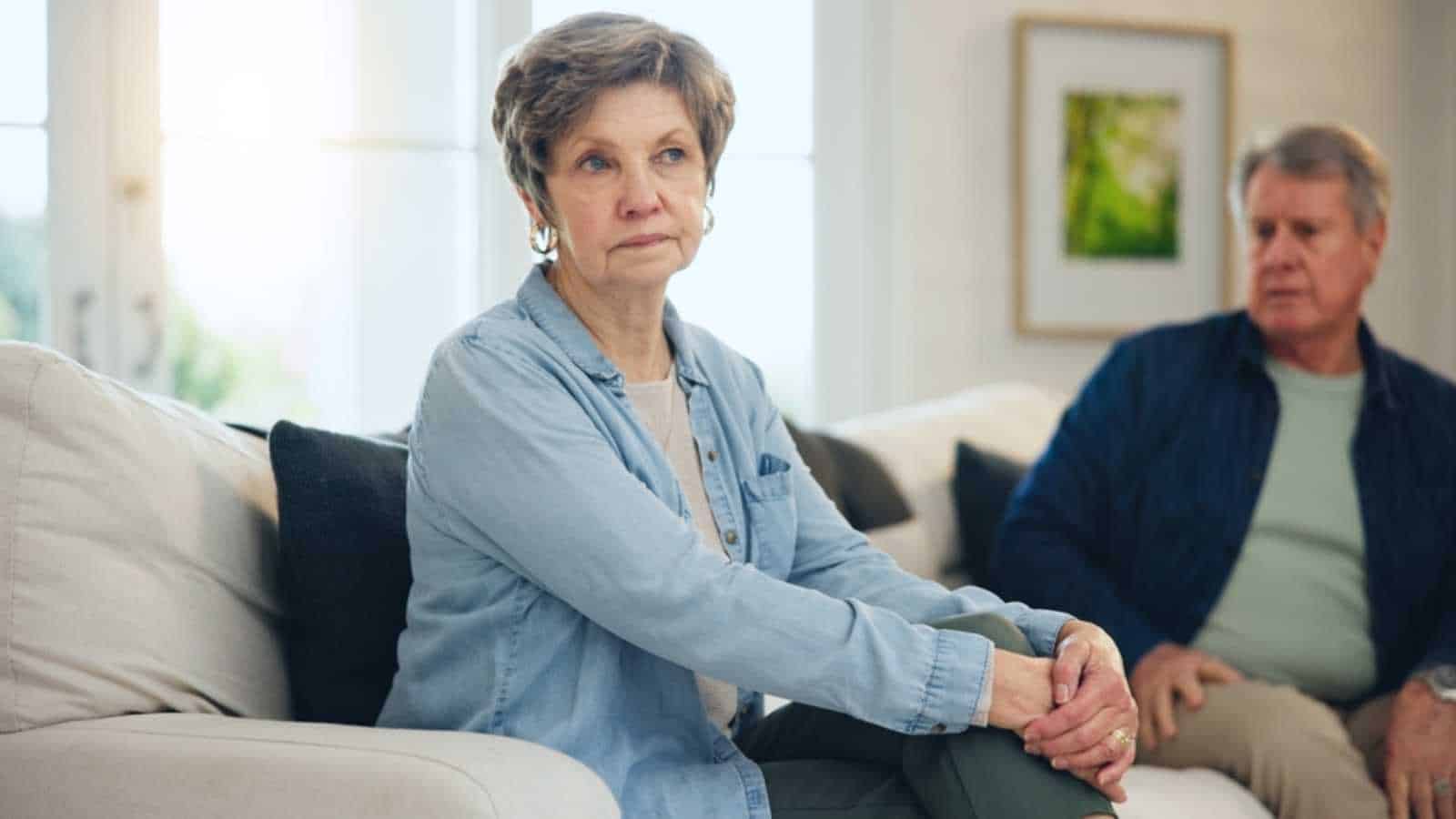
Some older men do not narrate emotions well, but plenty of them read the room like detectives with lower back pain. A 2024 study of 92 men found that emotionally oriented men treated emotional availability as a strength, and many described the work of noticing and accommodating a partner’s feelings.
In relationships, that can look like lowering his voice when you sound tired, dropping a joke when you seem overloaded, or asking if you want company instead of conversation. He may never say, “I perceive dysregulation,” which, thank God, but he still notices.
Gottman’s work helps explain why this matters so much. Couples thrive when they turn toward each other’s bids, and his research found happy couples did that 86 percent of the time, compared with 33 percent for unhappy couples.
A mood shift often acts like a silent bid. You do not always ask for comfort directly. You sigh, go quiet, stare out the window, or move a little slower, and he responds anyway. That response says he pays attention to your inner weather, not just your words.
He folds you into his everyday routines

This gesture rarely looks glamorous, and that is exactly why it carries so much weight. He wants you to come along for errands, morning coffee, hardware store runs, church, family cookouts, doctor visits, or the same Saturday breakfast spot he has loved since cable still felt new.
In a 2022 study on older couples, researchers found that companionship, meaning genuinely enjoyable shared activity, links closely to emotional and relational well-being in later life. Older adults also tend to prioritize emotionally meaningful interaction more than younger adults do.
People often underestimate what inclusion means. Inviting you into his routine says, “You belong in the shape of my real life,” not just in the fun parts I schedule when I feel polished. That matters even more in later adulthood, when people often trim their circles and protect their time more carefully.
If he keeps making room for you in the ordinary rhythm of his week, he does not just enjoy your company. He builds you into the fabric of his days, and that is a deeply affectionate move.
He stands up for you in small rooms, not just big moments

Public loyalty has a flashy cousin, but private loyalty tells the truth. I mean, the moment he corrects a rude joke at dinner, backs your version of events when family gets messy, or refuses to let someone dismiss you in a room where nobody would have blamed him for staying silent.
He does not need a speech and a fog machine. He simply makes it clear that disrespect toward you crosses a line for him.
That kind of loyalty supports emotional safety, and emotional safety sits at the center of lasting love. Harvard’s adult development findings show that warm, dependable relationships protect both mental and physical health over time, and Gottman’s work keeps pointing back to trust, responsiveness, and turning toward a partner.
So when he quietly sides with your dignity, he does more than win points. He shows that he sees the relationship as a unit worth protecting, and honestly, that speaks louder than the man who posts hearts online and disappears when things get uncomfortable.
He makes a repair after tension instead of letting pride win

Many people think love reveals itself best in harmony. I think it often reveals itself better after friction.
Does he come back after an argument, soften his tone, make you tea, touch your shoulder, or restart the conversation without trying to win a trophy for Most Stubborn Human Alive? If he does, pay attention. Repair attempts often show more emotional investment than perfect behavior ever could.
Research on older couples shows that older adults often report less conflict than middle-aged partners and tend to highly value positive interactions. Harvard’s study found that happily married people in their 80s handled physical pain with less emotional fallout than those in unhappy marriages. In other words, relationship quality shapes resilience.
So when he chooses reconnection over ego, he tells you the bond matters more than his pride. That does not erase bad behavior, of course, because love does not excuse nonsense. But healthy repair does signal commitment in a way many people overlook.
He keeps showing up on boring days

Anybody can look loving on birthdays, anniversaries, or funerals. The real test comes on a random Tuesday when the weather feels rude, your mood feels flat, and nobody looks especially adorable.
If he still calls, still checks in, still brings soup, still offers a ride, or still sits beside you without demanding entertainment, he shows one of the strongest forms of love there is. Consistency builds trust because it lowers the fear that affection will vanish when life stops being impressive.
That steadiness matters in a country where loneliness keeps pressing on older adults. University of Michigan reporting shows that one in three adults ages 50 to 80 felt socially isolated in 2023, and AARP’s more recent research found that men 50-plus face loneliness at especially high rates.
No wonder a reliable presence feels powerful. It tells you that he does not love you, only when the lighting looks nice. He loves you in the dull, repetitive, deeply human stretch of ordinary life, and that is where real attachment earns its stripes.
He plans with your future in mind

This one can look incredibly practical, which means people miss it all the time. He asks about your next checkup, remembers your medication schedule, talks about where you both might live later, keeps your favorite snacks at his place, or factors your comfort into travel, finances, and family plans. Romance culture often chases chemistry and sparkle, but older love often chases durability. He thinks ahead because your future matters to him personally.
Harvard’s adult development work found that people who felt most satisfied in their relationships at age 50 were the healthiest at age 80, and the same body of research links strong relationships to longer life, better health, and slower decline. That does not mean every spreadsheet equals soulfulness, obviously.
But when an older man makes room for you in tomorrow, next month, and next year, he says something very serious in a very quiet voice. He says, “I do not picture life without accounting for you,” and that may be one of the clearest love statements of all.
Key takeaway
Older men often say “I love you” with attention, consistency, touch, practical help, repair, and protection long before they say it with polished language. Research on aging, intimacy, touch, companionship, and conversation keeps pointing in the same direction: small, steady acts create emotional safety, and emotional safety supports stronger relationships and healthier aging.
So the next time an older man remembers your headache medicine, waits for your “I’m home” text, holds your hand in line, or fixes the annoying thing you complained about once, do not miss the message just because it arrived in work boots instead of poetry. Quiet love still counts, and sometimes it counts the most.
Disclaimer: This list is solely the author’s opinion based on research and publicly available information. It is not intended to be professional advice.
Like our content? Be sure to follow us.