Senior women in retirement happily leave these 12 annoying things behind
Retirement marks a pivotal transition for women; it is the end of past obligations and the start of a more self-directed life. The main message is that retirement is a unique opportunity for women to finally take control, set their own rules, and discover new freedoms.
Above all, retirement is personal. Senior women report newfound relief, freedom, and happiness, often from leaving behind less obvious but deeply impactful aspects of their working lives, according to Transamerica Institute’s analysis of retiree life in the post‑pandemic economy.
This list aims to show how retirement enables women to define their own satisfaction and fulfillment.
The Alarm Clock That Ran Their Lives
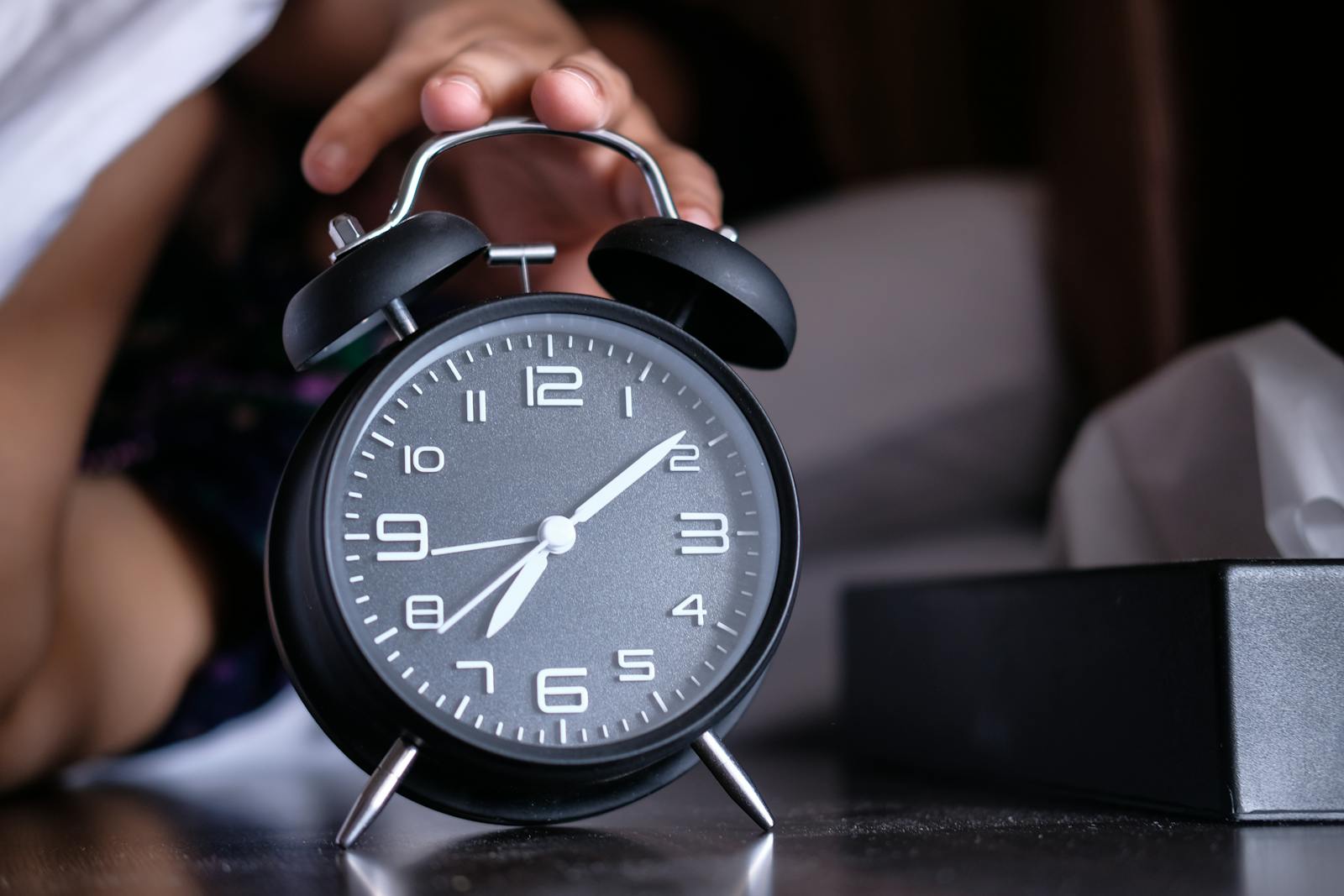
For thirty, forty, sometimes fifty years, the alarm clock was the actual ruler of their mornings, pulling them from sleep before their bodies were ready and dragging them into a schedule built entirely around other people’s timelines. The relief of waking up without a mandatory sound at a mandatory hour is something retired women describe with genuine emotion.
Mornings become something else entirely in retirement, slow, self-directed, and deeply personal. There is coffee while it is still hot, sunlight watched at a leisurely pace, and the profound satisfaction of waking up when the body says so.
That small freedom, repeated every single morning, changes a person’s entire relationship with the day.
Workplace Politics and Office Drama

Retired women wave goodbye to credit-stealing colleagues, undermining teammates, and managers who present their ideas as their own, with well-earned, unhurried satisfaction. The energy spent managing up, staying visible, and advocating for oneself without being labeled difficult is exhausting invisible labor, noticed only once it disappears.
Those numbers reflect what retired women describe as a workplace weight they did not fully realize they carried until the day they set it down. In retirement, that energy returns, and women describe rediscovering a version of themselves almost forgotten. That version is far more interesting than the managed professional self ever was.
Dressing for an Audience That Never Asked

Heels on hard floors, blazers in August heat, and uncomfortable clothes chosen to meet a professional standard that nobody ever paused to question. The exhausting business of dressing to meet an audience’s expectations is something retired women shed with visible, genuine relief. Comfort is now the only criterion that matters.
For women who spent decades under restrictive professional dress codes, the freedom to wear what actually feels good on their bodies is a real quality-of-life upgrade. The favorite old cardigan wins, without competition or apology. Retired women dress themselves. After decades of dressing for others’ comfort, this shift is significant.
Pretending to Enjoy Things They Hated
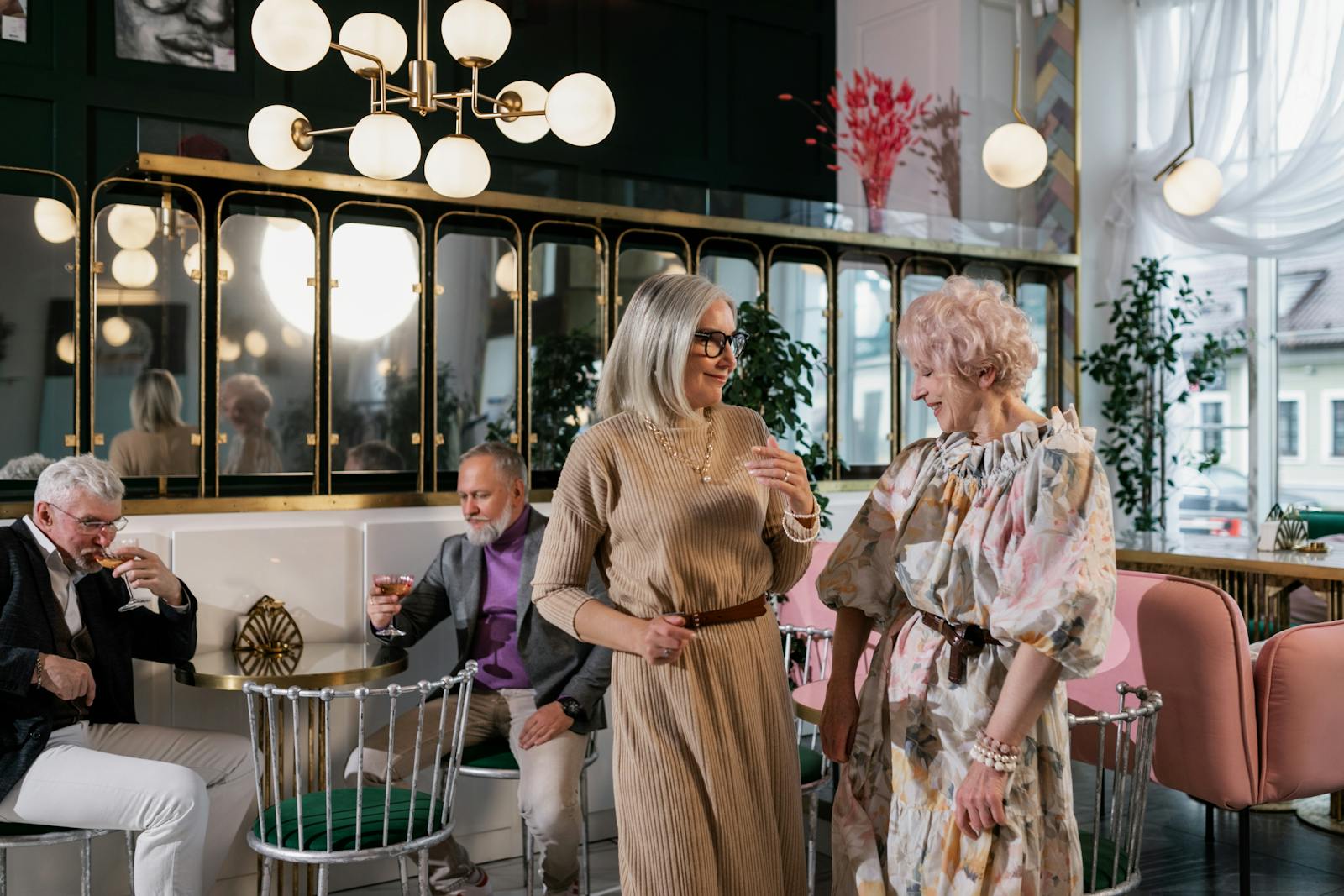
The freedom to not go, pretend, or perform is life-changing, as the cumulative weight of social performance often masks deep professional exhaustion. Reclaiming these small social freedoms brings decades of relief, allowing for a long-overdue alignment between internal values and actions.
Ultimately, shedding the professional mask is the most restorative gift retirement offers. This shift is backed by research. According to a 2024 Deloitte study, 50% of employees report covering their true selves to fit corporate culture. For women, this emotional labor often leads to burnout and dissatisfaction.
Other People’s Opinions of Their Choices

How to raise her children, whether she worked too much or not enough, whether her lifestyle looked right from the outside, whether she aged gracefully or too visibly, women absorb an extraordinary volume of unsolicited opinions across a lifetime.
In retirement, that audience gradually loses its power, and senior women report caring far less about external judgment. This shift is not selfishness; it is the kind of hard-earned wisdom that makes a person more present, more genuine, and more fully themselves. The freedom from needing approval is one of the most underrated gifts of this entire life stage.
Toxic Relationships Held Together by Obligation

Many older women find that friendships kept out of obligation feel like unpaid work, prompting a reassessment after retirement. ResearchGate reports that this shift is common, as retirees finally have the space to notice what relationships actually cost them. With a new perspective, many choose to let go of ties that no longer serve their well-being.
Retirement provides the clarity to prioritize reciprocity over exhausting patterns. This intentional downsizing rarely leads to loneliness; instead, it creates space for deeper, more meaningful connections. A smaller circle of people who truly fill you up often brings more satisfaction than a large network that quietly drains you.
The Guilt of Resting

Productivity was the religion of the working years; busyness was proof of worth; and sitting still felt dangerous in ways most people never stopped to examine. The recovery of rest as something legitimate, not something to be earned or apologized for, is one of the most meaningful freedoms retired women describe.
An afternoon nap, a slow morning with no agenda, a weekend without a single obligation on the calendar, these are not indulgences in retirement. They are reclamations of time that were always theirs.
The Invisible Labor Nobody Acknowledged

The mental load of the working years, remembering every appointment, managing every household system, and tracking every family member’s needs while simultaneously running a full professional life, was exhausting in a way that is genuinely difficult to quantify.
In retirement, women handle tasks on their own schedule. The pressure to manage everything at once is gone. Acknowledgment of this labor, even late, is meaningful.
Commutes That Stole Hours Every Day
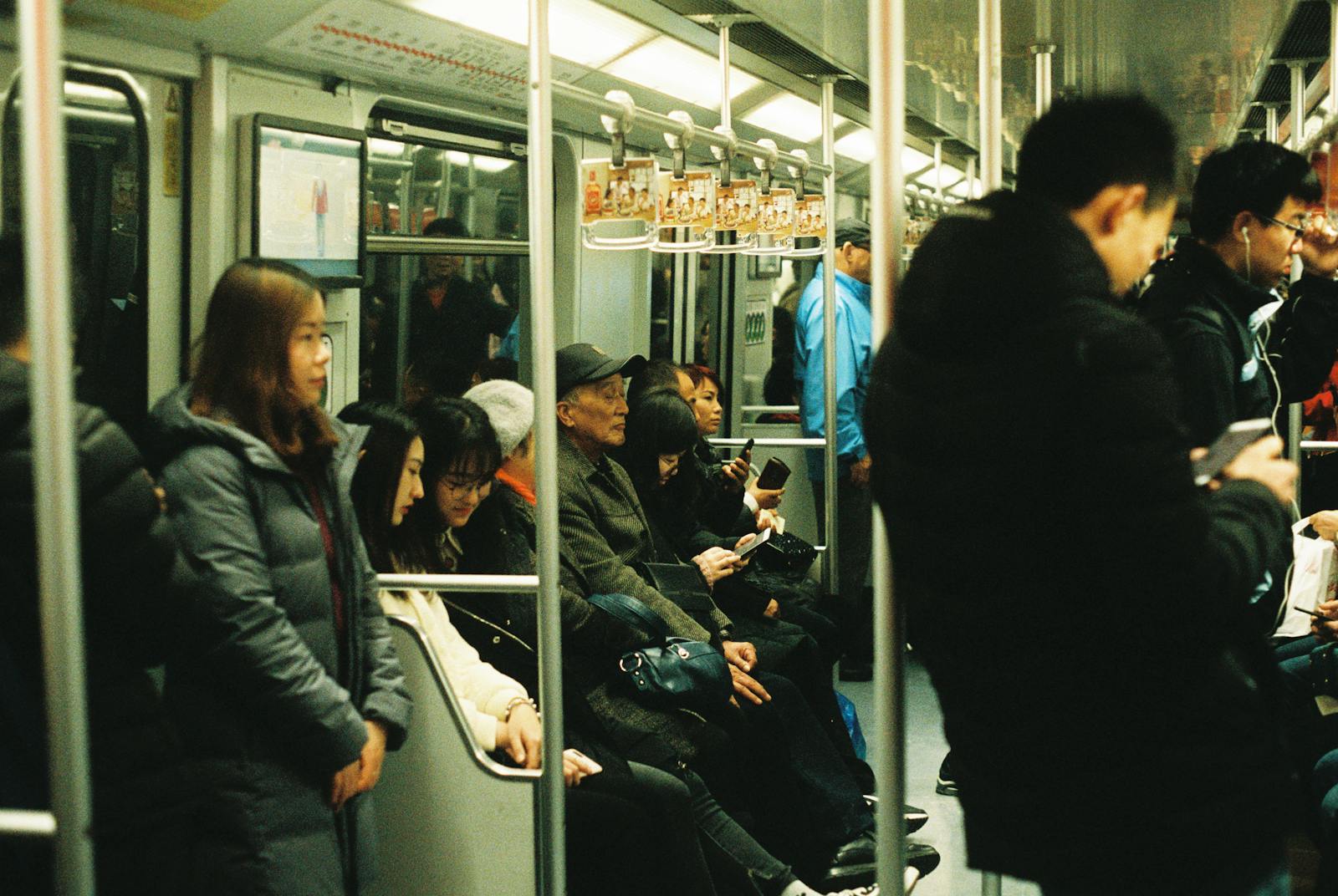
An hour each way over a career adds up to years of life spent in traffic. Retired women describe reclaiming this time as one of the most tangible benefits of retirement for their daily well-being and mental health.
According to the U.S. Census Bureau’s 2024 American Community Survey, the average one-way commute rose to 27.2 minutes. This means full-time workers lose over 235 hours annually to travel, a loss that vanishes the moment retirement begins.
Those reclaimed hours now go toward morning walks and family. This shift reveals that what felt like a necessary trade-off was, in fact, years of life quietly surrendered. Reclaiming this time allows for a much-needed slower pace.
Living on Other People’s Schedules

Vacations planned around work approval windows, weekends structured around obligations nobody actually chose, and holidays spent traveling to places they did not pick to keep peace with families who never asked.
The loss of schedule sovereignty is one of the quietest but most significant costs of the working years. Its return in retirement is something senior women describe with a joy that is almost difficult to contain.
Wanting to travel on a Tuesday? Done. Spending an entire Saturday in the garden with no agenda? Absolutely done. Time, when it belongs fully to you, feels like a completely different resource than time that belongs to everyone else’s agenda first.
Shrinking Themselves to Make Others Comfortable

Senior women report feeling grateful to have left behind behaviors such as speaking less in meetings when their confidence was met with resistance, or dialing back their humor when a quieter persona put others at ease.
According to McKinsey & LeanIn Women in the Workplace Report, senior-level women are significantly more likely than men to report being passed over for promotions or facing headwinds that stifle their authentic expression.
They find profound relief in no longer having to manage how their fullness lands on others. Many women describe meeting themselves in this chapter and finding that person more interesting than the edited version. She always existed, just waiting for permission to show up fully.
Putting Their Own Dreams on Hold

The painting class they had been meaning to take for twenty years, the novel sitting in a desk drawer, and the trip to a destination promised to themselves since their thirties. Retirement is the moment when “someday” either becomes now or quietly becomes never.
The women who are most genuinely happy in this season are the ones who chose now without apology or delay. Their deferred dreams were not small or frivolous; they were the truest expressions of who these women always were, patiently waiting beneath decades of duty. The greatest gift of retirement is not the absence of work. It is finally having permission to arrive at yourself.
Disclaimer – This list is solely the author’s opinion based on research and publicly available information. It is not intended to be professional advice.
Like our content? Be sure to follow us