11 dog breeds with the shortest lifespans
Some of the world’s most beloved dog breeds are also the ones science says we’ll lose far sooner than we expect.
Bringing a new puppy home is like signing up for a decade of pure sunshine, wet nose boops, and unconditional love that completely changes your daily routine for the better. We treat them like royalty, buying the fluffiest beds and high-grade kibble, praying they will be by our sides forever while secretly knowing they are here for a good time, not a long time.
It is a tough pill to swallow, but science tells us that some of our biggest, goofiest, and most lovable companions are destined for shorter journeys than their smaller counterparts. While it breaks our hearts to think about the end before the beginning, knowing these timelines helps us cherish every single slobbery moment we get with these incredible, gentle giants and stocky pals.
Irish Wolfhound

These are the tallest of dogs, looking like scruffy, ancient legends that just walked out of a history book into your living room. They are incredibly calm and kind, but their sheer scale is something to behold.
Being a giant breed means their biological clock ticks much faster than average. They are particularly prone to bone cancer and heart disease, which means we often have to say goodbye to them before they hit the double-digit mark.
French Bulldog

Frenchies are incredibly popular nationwide, loved for those bat ears and hilarious personalities that seem way too big for their little bodies. Despite their small stature, which usually suggests a long life in the canine kingdom, their genetic makeup deals them a tough hand when it comes to health.
Their flat faces lead to breathing issues that significantly shorten their time with us. A sobering 2022 study led by Dr. Dan O’Neill at the Royal Veterinary College found French Bulldogs have an average life expectancy of just 4.5 years, a statistic that shocks many new owners.
Great Dane

These “Apollo of Dogs” are absolute heart-stealers, towering over everything with a gentle demeanor that contradicts their massive size. You have to watch out for that tail, though, as it is basically a cheerful whip clearing off coffee tables.
Sadly, their massive bodies age at warp speed compared to a Chihuahua. Their hearts work overtime to support that huge frame, often leading to cardiac issues that cut their golden years short, typically before they reach age ten.
Bernese Mountain Dog

With their striking tricolor coats and sweet, calm eyes, “Berners” are the quintessential family dogs, looking like big teddy bears come to life. They are incredibly loyal and patient, making them perfect for households with energetic kids running around the backyard.
However, this breed faces a really unfair genetic predisposition to certain aggressive cancers. Data from Utrecht University indicates that a high percentage of Berners eventually succumb to histiocytic sarcoma, a specific cancer that drastically reduces their average lifespan to around seven or eight years.
English Bulldog

That sourmug face and rolling gait are iconic, making them beloved mascots and couch potatoes across the country. They are stubborn but deeply affectionate, preferring a good nap over a marathon run any day of the week.
Their unique structure is a double-edged sword, causing severe respiratory and joint problems down the line. The previously mentioned comprehensive 2022 Royal Veterinary College study similarly pegged the English Bulldog’s average lifespan at a worryingly low 7.4 years due to these significant health troubles.
Saint Bernard
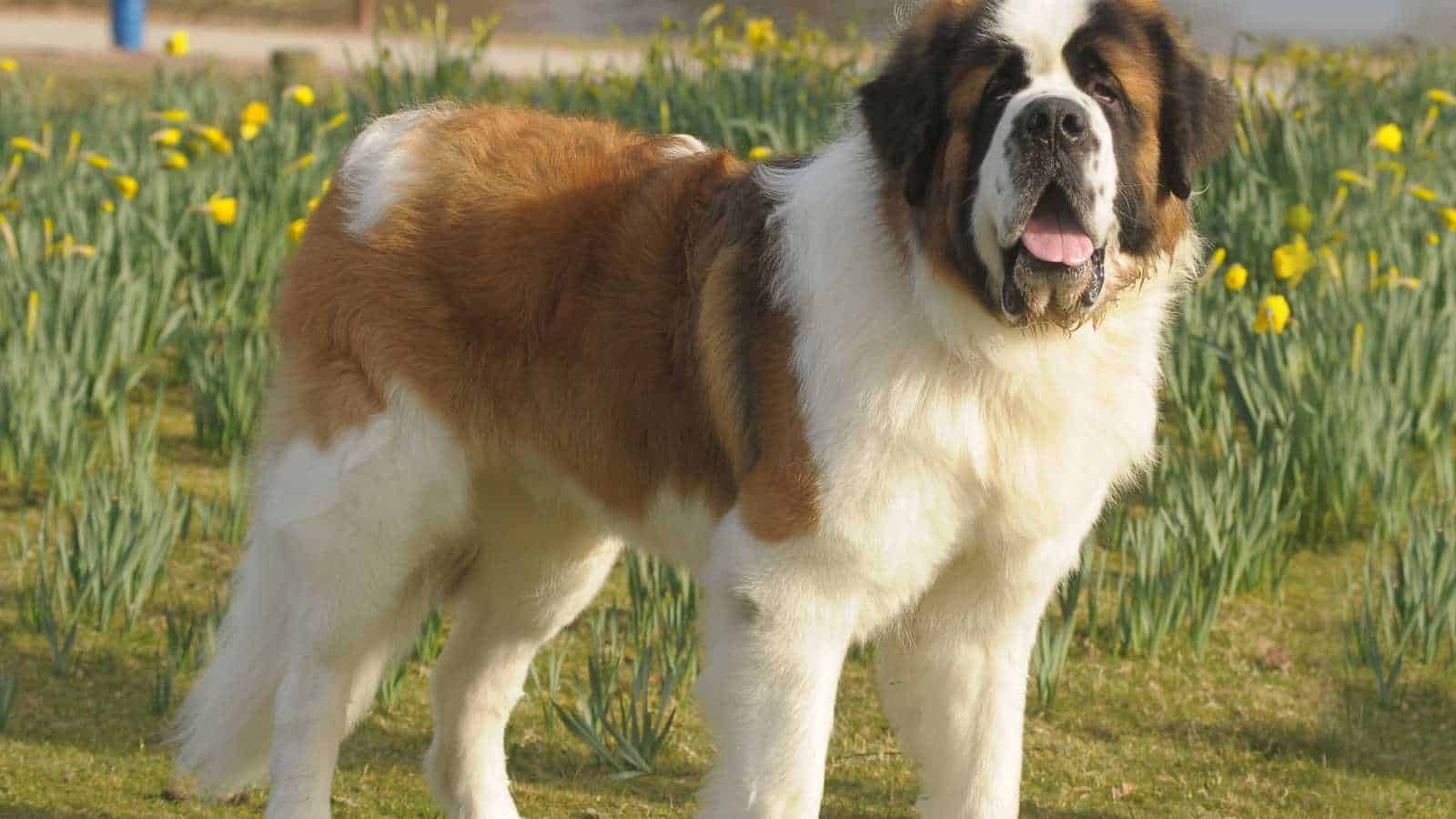
Famous for the little barrels around their necks in cartoons, these gentle giants are actually incredibly powerful working dogs with hearts of gold. They are famously great with children, often acting as massive, furry nursemaids.
Like other giant breeds, they face significant structural health challenges as they age. A University of Melbourne report examined millions of dogs and found that giant breeds like the Saint Bernard generally have much shorter lifespans due to their rapid growth rates.
Mastiff

If you want a dog that is basically a living security blanket, the massive Mastiff fits the bill perfectly. They are incredibly docile and protective, but just owning one means your grocery bill will skyrocket.
Their incredible bulk puts immense strain on their joints and internal organs over time. NIH research reports that these gentle giants have one of the shortest life expectancies, with many veterinary studies placing the average Mastiff lifespan between 6 and 10 years.
Dogue De Bordeaux

You might recognize this slobbery hunk from the movie “Turner & Hooch,” and yes, the drool is absolutely real. They are powerful guardians deeply devoted to their families, with expressive, wrinkled faces that melt hearts.
Unfortunately, they often hold the dubious title of having one of the shortest lifespans of any purebred dog. Their massive heads and chests predispose them to cardiac and respiratory issues that frequently claim them before they reach seven years old.
Leonberger

These dogs look like a mix of a lion and a bear, boasting a gorgeous, thick coat that requires serious brushing. They were bred to be companion dogs for European royalty, and they certainly carry themselves with a regal calmness.
Despite their robust appearance, they are susceptible to many of the same issues plaguing other giant breeds. Cancer and heart problems are, unfortunately, frequent flyers in the Leonberger health history, often leading to heartbreak for their devoted owners around age eight or nine.
Scottish Deerhound

Similar in appearance to the Irish Wolfhound but sleeker, these dogs were built for coursing wild deer in the Scottish highlands. They are quiet, dignified indoor companions that need a good sprint outside now and then to stretch those long legs.
Their greyhound-like metabolism, combined with giant stature, creates specific health vulnerabilities. Cardiac disease and bone cancer are significant threats to this ancient breed, shortening their average time on earth considerably.
Rottweiler
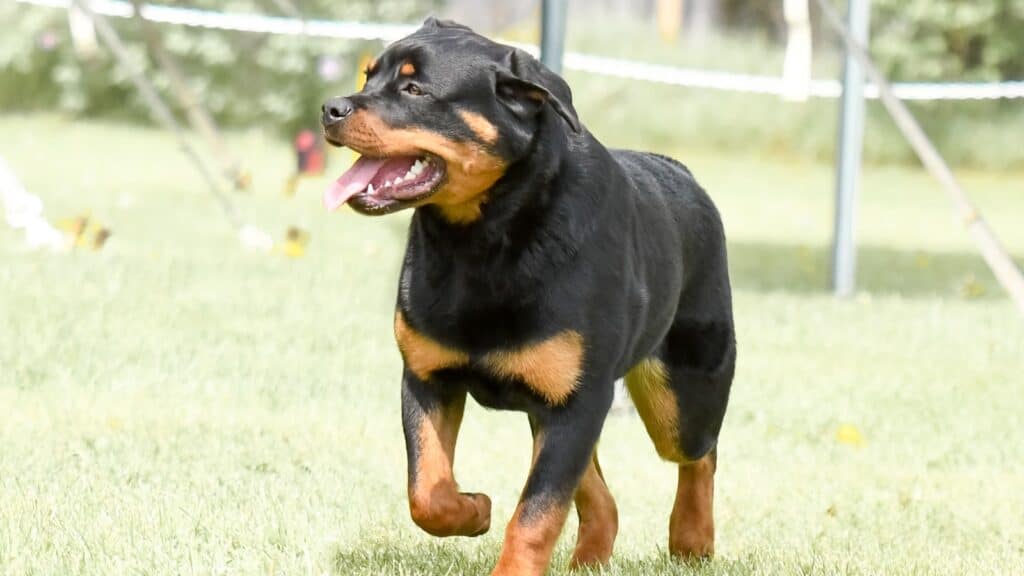
Rotties are incredibly smart, confident working dogs that sometimes get a bad rap but are total softies with their own families. They need a job to do and consistent training, which they usually excel at because they love pleasing their people.
While they aren’t quite as huge as a Mastiff, they are still large dogs prone to joint issues like hip dysplasia. PetMD data shows Rottweilers face significant health hurdles, particularly specific cancers, often capping their average life expectancy around 9 to 10 years.
Like our content? Be sure to follow us