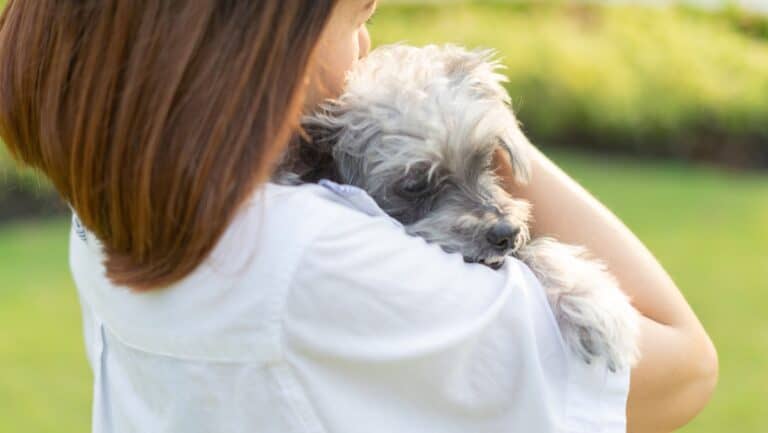
10 ways to heal after losing a beloved pet
The pain of losing a pet often reveals just how much love was woven into the smallest, everyday moments you shared.
Losing a pet can be one of the most heart-wrenching experiences, akin to losing a close friend or family member. According to a study published in Behavioral Sciences, approximately 30% of pet owners experience intense grief following pet loss. This grief can increase psychological distress and the risk of mortality (Lee, 2020; Stroebe et al., 2007).
It’s a loss that deserves time, compassion, and validation to heal properly. Grief following the loss of a pet can be overwhelming, but there are ways to navigate the heartache. Here are 10 ways to help you heal after saying goodbye to a beloved companion.
Give Yourself Permission to Grieve

The grief you feel after losing a pet is completely normal, and it’s important to give yourself permission to experience it. Grief is a natural response to the deep bond you shared with your pet.
Research shows that 30% of pet owners report intense sadness for 6 months or more, which is a valid response, not an overreaction. Recognizing this can help combat “disenfranchised grief,” the feeling that society often minimizes pet loss, making it harder to process the pain.
Name What You’re Feeling

Grief can bring up a mix of emotions, from shock and guilt to anger, relief, and loneliness. Identifying and naming what you’re feeling, whether through journaling or speaking out loud, can provide some relief.
Expressing these emotions can prevent them from becoming overwhelming or from getting stuck inside, helping you move through the healing process with more clarity and less emotional buildup.
Create Personal Rituals and Memorials

Honoring your pet’s life with rituals can be a meaningful way to mark their passing. Consider holding a small memorial or scattering their ashes in a special place.
Experts suggest creating a memory box, making a scrapbook, or planting a pet memorial tree. These rituals help create a bridge between the past and present, offering comfort as you mourn.
Talk About Your Pet With Safe People

Grief can feel isolating, especially if people dismiss your loss by saying “it was just a pet.” Talking to people who understand the human-animal bond, whether friends, family, or online pet communities, can provide validation and help alleviate loneliness.
Sharing memories, stories, and photos with those who get it is a key part of the healing process.
Also on MSN: Do you really need pet insurance? Let’s find out!
Consider Pet Loss Support Groups or Helplines

If your grief feels overwhelming, consider joining a pet loss support group or reaching out to a helpline. These resources provide emotional validation and coping strategies from others who have been through similar experiences.
Many organizations offer 24/7 access to trained counselors, helping you work through your grief and connect with others who understand.
Watch for Signs of Complicated Grief or Depression

For most people, grief softens over time, but some experience more severe reactions that interfere with daily life. If your grief persists for many months or if you begin feeling hopeless, losing interest in activities, or having thoughts of not wanting to live, it’s important to seek professional help.
Therapy and medication can support you through complicated grief or depression if needed.
Support Children Through the Loss

For children, the loss of a pet can be their first experience with death. It’s essential to use age-appropriate language to explain what has happened. Encourage children to express their feelings through drawing, writing, or talking about the pet.
Involving them in mourning rituals, like creating a memory box or writing a letter to the pet, can help them process the loss in a healthy way.
Take Care of Your Body While Your Heart Heals

Grief can take a physical toll, contributing to symptoms like insomnia, fatigue, and anxiety. Even when motivation is low, try to care for your body by maintaining a regular sleep schedule, staying hydrated, eating nutritious meals, and engaging in gentle physical activity.
Paying attention to your physical well-being can help mitigate some of the strain grief puts on your body. If physical symptoms persist, consider seeking medical or mental health support.
Find Meaning in the Bond You Shared
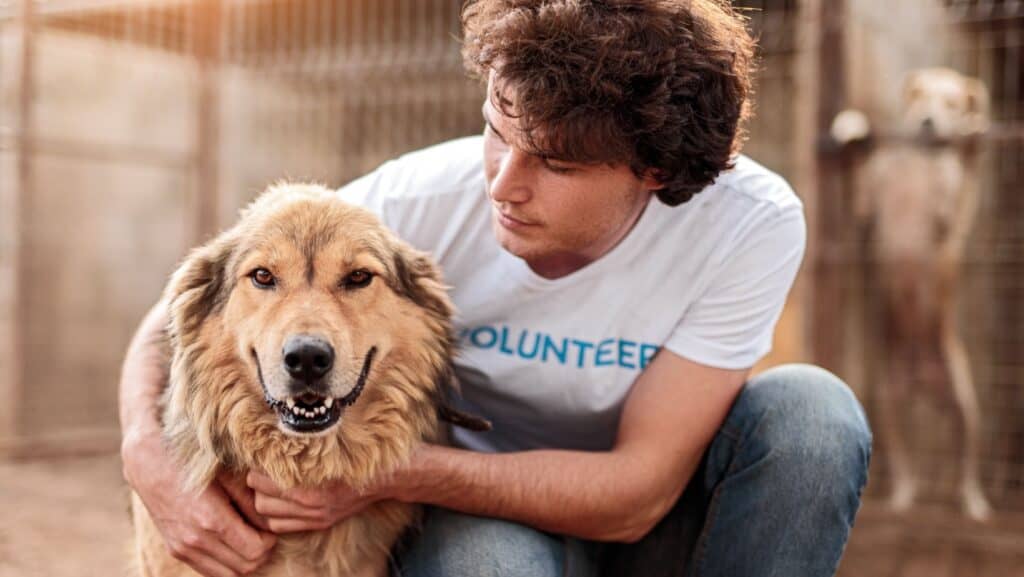
Many pet owners find healing by reflecting on the positive lessons their pet taught them, such as patience, unconditional love, or how to live in the moment.
Engaging in “continuing bonds,” like keeping cherished objects or volunteering for animal-related causes, can help transform grief into purpose. These actions allow you to carry your pet’s love and lessons forward.
Take Your Time Before Bringing a New Pet Home

There’s no rush to get another pet, and it’s essential not to view a new pet as a “replacement.” Many counselors recommend waiting until the sharpest grief has passed and you can remember your pet with more warmth than sadness.
A new pet should be welcomed into your life when you’re ready to form a unique bond, not as a way to avoid the grief of your loss.
Key Takeaway

Losing a beloved pet is hard, and there’s no “right” way to heal. Be it through grief, honoring their memory, or seeking professional help, give yourself grace and patience. It takes time, but remember, there’s no shame in mourning the loss of a furry (or feathered, or scaly) friend.
Take it one day at a time, celebrate the love you shared, and know that healing is a process that’s as unique as the bond you had with your pet.
Disclosure: This article was developed with the assistance of AI and was subsequently reviewed, revised, and approved by our editorial team.
Like our content? Be sure to follow us