10 Current Crises That Boomers Saw Coming
It often feels like we’re living through the moment our parents kept cautioning us about, even if we didn’t want to hear it.
Many of us look around at the current state of affairs and wonder how we got here, but for the Baby Boomer generation, the writing was often on the wall decades ago. They lived through shifting cultural tides and economic policy changes that foreshadowed today’s troubles, often raising alarms that went unheeded by younger crowds or politicians who kicked the can down the road.
Now that these predicted storms have made landfall, it is fascinating to look back at the warnings issued over dinner tables and town halls during the late 20th century. From the drying up of safety nets to the crumbling of our physical surroundings, Boomers often predicted exactly where the chips would fall.
Environmental Degradation

While it is easy to blame older generations for pollution, it is worth remembering that Boomers founded Earth Day and the EPA because they saw the smog and dirty water firsthand.
They understood early on that unchecked industrial growth would eventually catch up with the planet, leading to the erratic weather patterns and resource strain we face today. Their initial push for regulation was a direct response to a crisis they saw looming.
The Social Security Time Bomb

For years, older Americans have warned that the math behind our safety nets doesn’t add up, and they were right to worry about the program’s long-term solvency. The 2024 Trustees Report confirms this fear, projecting that the Old-Age and Survivors Insurance Trust Fund reserves will be depleted by 2033, leaving the system unable to pay full benefits unless Congress acts.
It’s a classic case of demographics meeting destiny, as a smaller workforce struggles to support a growing retiree population, just as many predicted back in the 80s.
Our Infrastructure Is Falling Apart
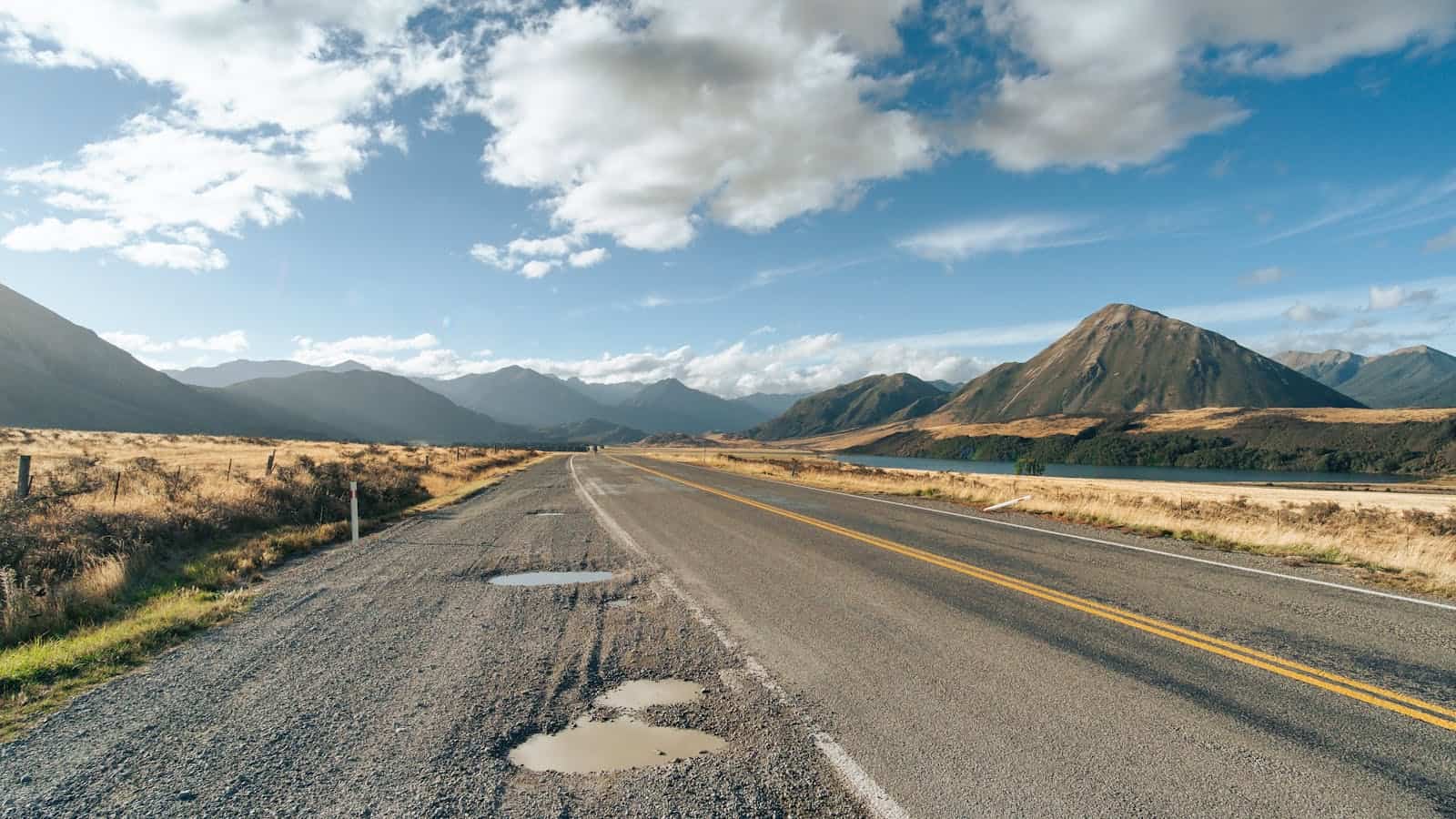
You have likely heard your parents or grandparents complain about potholes or aging bridges, and those grievances were actually early indicators of a massive national failure to maintain our physical assets.
The American Society of Civil Engineers recently released its 2025 Report Card, giving the U.S. an overall “C” grade and estimating a staggering $3.7 trillion investment gap needed to get things back in working order. We spent decades celebrating new construction while quietly ignoring the maintenance bill, and now the rust and decay are impossible to overlook.
The National Debt Snowball

Fiscal responsibility was a constant refrain during the political debates of the late 20th century, with many Boomers fearing that borrowing against the future would eventually cripple the economy. Today, the U.S. national debt has ballooned to roughly 124% of our Gross Domestic Product, a figure that would have seemed dystopian to economists just a few decades ago.
This mountain of red ink isn’t just a number on a screen; it represents a real threat to future prosperity, forecast long before it reached these dizzying heights.
The Housing Shortage Squeeze

Decades ago, buying a starter home was a rite of passage. Still, even then, astute observers noticed that zoning laws and construction slowdowns were setting the stage for a future inventory crisis. Current data from Realtor.com estimates the U.S. is short 4 million housing units, creating a brutal market where supply can’t hope to match demand.
Boomers who saw neighborhoods lock down against new development knew this lack of flexibility would eventually price out the next generation.
Skyrocketing College Costs

There was a time when a summer job could pay for a semester of university, but parents in the 90s started noticing tuition hikes that far outpaced inflation. Since 1963, the inflation-adjusted cost of tuition at public colleges has jumped by roughly 312%, turning higher education from an affordable ladder of opportunity into a debt trap.
Those kitchen-table conversations about saving for college were the canary in the coal mine for today’s student loan crisis.
The Decline Of Domestic Manufacturing

The gradual disappearance of factory jobs wasn’t an overnight phenomenon; it was a slow bleed that many workers in the Rust Belt saw coming as soon as trade deals began to shift. Between 2000 and 2017 alone, the U.S. lost approximately 5.5 million manufacturing jobs, hollowing out communities that once thrived on production.
Boomers who watched their local plants close warned us that becoming a service-based economy would leave millions of American workers behind.
The Healthcare Cost Explosion

Medical bills have been a source of anxiety for a long time, but the trajectory of spending has become completely unsustainable, just as early critics of the system feared. In 2023, U.S. healthcare spending hit 17.6% of the nation’s GDP, with per capita spending reaching a stunning $14,570.
We are paying luxury prices for a system that often delivers mixed results, a reality that was predictable as insurance and administrative costs began to detach from actual care decades ago.
Political Polarization

The “Culture Wars” didn’t start with social media; they began in the living rooms and public squares of the 60s and 70s as the country grappled with rapid social change. Many older Americans predicted that if we stopped trying to understand our neighbors, the nation would fracture into two distinct realities.
This breakdown in civil discourse has only accelerated, turning political disagreements into personal vendettas, exactly as feared.
The Death Of Main Street
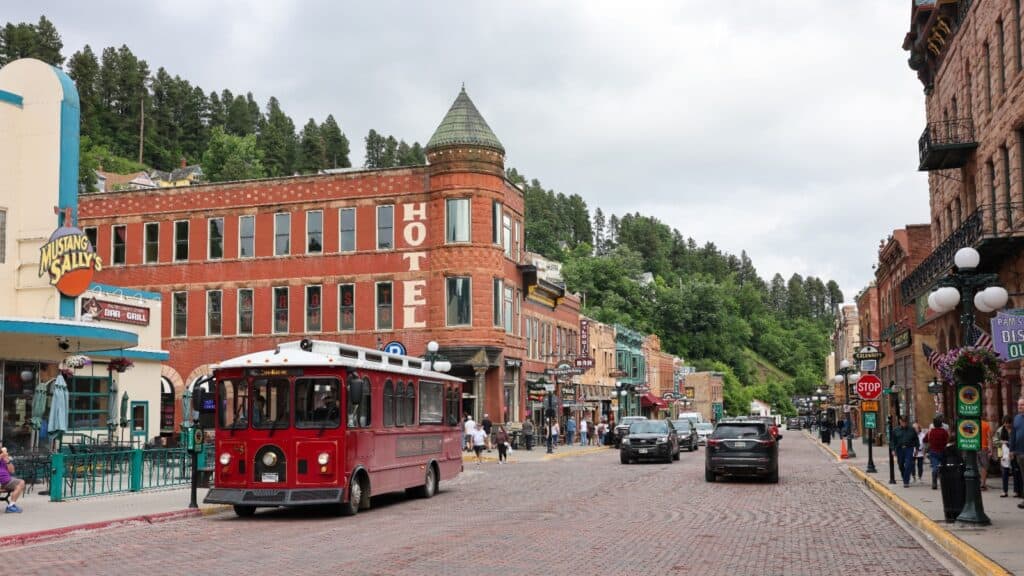
Long before online shopping, Boomers watched the arrival of big-box stores and warned that prioritizing convenience over community would kill local economies. The prophecy has largely come true, with independent businesses shuttering en masse, leaving many towns with desolate downtowns and a lack of local character.
We traded the butcher and the baker for the warehouse club, and our communities’ social fabric has paid the price.
15 Things Women Only Do With the Men They Love

The 15 Things Women Only Do With the Men They Love
Love is a complex, beautiful emotion that inspires profound behaviors. We express our love in various ways, some universal, while others are unique to each individual. Among these expressions, there are specific actions women often reserve for the men they deeply love.
This piece explores 15 unique gestures women make when they’re in love. From tiny, almost invisible actions to grand declarations, each tells a story of deep affection and unwavering commitment.