10 Foods to Limit for Healthy Aging in Women
Ever look in the mirror and feel like the years are piling on faster than the unread emails in your inbox?
Let’s get real for a second. There’s a strange paradox when it comes to women and aging. On average, we live longer than men, which sounds like a win, right? But here’s the catch: the World Economic Forum reports that women spend a staggering 25% more of their lives in poor health. That means more years dealing with chronic issues that steal our vitality.
As we navigate our 40s, 50s, and beyond, our bodies undergo significant changes. Hormonal changes around menopause can disrupt our metabolism, making it easier to store fat around the middle. Our bone density starts to decline, putting us at a higher risk for fractures. And, of course, there are the visible signs—the fine lines and loss of firmness in our skin that we spend a small fortune on creams to fix.
The good news is, you have way more control than you think, and it starts on your plate. What we eat can either accelerate the aging process or help us stay vibrant, strong, and glowing from the inside out.
Sugary drinks are adding years to your face

That daily can of soda or sweetened iced tea is doing more than just adding empty calories—it’s actively making your skin older.
Here’s how it works. When you down a sugary drink, your bloodstream gets flooded with sugar. These excess sugar molecules act like sticky little bullies, latching onto the proteins that keep your skin firm and bouncy—namely, collagen and elastin.
This damaging process is called glycation, and it creates harmful compounds called Advanced Glycation End-products, or AGEs. Think of AGEs as little “rust” spots that make your skin’s support structure stiff, brittle, and weak. The result? More wrinkles, sagging, and a dull complexion.
What to drink instead
Ditch the sugar bomb and opt for something refreshing that loves you back. Try sparkling water infused with lemon, fresh mint, and a handful of berries. Unsweetened iced tea (herbal, green, or black) and cold brew coffee are also fantastic choices. If you’re trying to kick a soda habit, start by mixing half soda with half sparkling water to gradually wean yourself off the sweetness.
Processed meats are not your friend
Processed meats like bacon, sausage, hot dogs, and deli slices are packed with preservatives and sodium that can wear your body down from the inside out.
These meats are preserved using methods like smoking, curing, or salting, and they often contain chemicals like nitrates and nitrites to make them last longer. According to wellness dietitian Lindsey Wohlford, “Many of the preservation methods used for processed meats have been shown to contribute to the development of cancer.” In fact, the American Institute of Cancer Research is so concerned that it recommends eating “little, if any, processed meat”
The evidence is hard to ignore. A major study published in The BMJ found that increasing total red meat consumption by just half a serving per day was associated with a 10% higher mortality risk. When it came to processed meat specifically, that risk jumped to 13%. These foods are also major drivers of chronic inflammation, a key accelerator of aging that’s linked to heart disease, stroke, and diabetes.
What to eat instead
You can still enjoy a delicious, protein-packed lunch without the risk of additives. Swap the deli meat in your sandwich for leftover roast chicken (skin removed), canned tuna or salmon, mashed chickpeas, or a couple of hard-boiled eggs. Instead of jerky for a snack, grab a handful of almonds or walnuts.
Fried foods fuel inflammation
That crispy, crunchy texture we love in fried foods comes at a steep price for our skin and overall health.
Here’s the science in a nutshell: frying foods in oil at high temperatures unleashes a flood of unstable molecules called free radicals. These free radicals are like tiny wrecking balls inside your body, damaging healthy cells—including your skin cells—and causing them to lose elasticity and age faster.
Frying also creates high levels of the same collagen-destroying AGEs that we discussed in relation to sugar, delivering a one-two punch to your skin’s firmness.
What to eat instead
You don’t have to give up crispy textures! You just need to change your cooking method. Try baking, roasting, grilling, or using an air fryer to get that satisfying crunch without the damaging oils. Make your own “oven fries” by tossing sliced potatoes or sweet potatoes in a little olive oil and baking until golden. For a healthier take on fried chicken, try coating chicken breasts in whole-grain breadcrumbs and baking them.
Refined carbs like white bread and pasta can disrupt your hormones

Foods like white bread, white pasta, and pastries digest so quickly that they send your blood sugar on a wild ride, and your hormones pay the price.
These “simple” or “white” carbs have been stripped of their fiber during the refining process. Without that fiber to slow things down, they hit your bloodstream like a sugar rush, causing a big spike in blood sugar and insulin. Your body scrambles to deal with the sugar, which often leads to a “crash” a couple of hours later, leaving you tired, irritable, and craving more carbs.
According to Alice H. Lichtenstein, a nutrition expert at Tufts University, this cycle can overwhelm your liver, causing it to turn the excess sugar into triglycerides—a type of fat that circulates in your blood and increases your risk for heart disease.
What to eat instead
Make the switch to complex carbs that are full of fiber. Choose 100% whole-wheat or whole-grain bread and pasta, and opt for brown or wild rice instead of white. Get creative with alternatives like zucchini noodles (“zoodles”), spaghetti squash, or large lettuce leaves for wraps. And don’t forget other fiber-rich powerhouses like quinoa, beans, and lentils.
That extra glass of wine might be aging you faster than you think
While a glass of wine can feel like a perfect way to unwind, regular consumption can dehydrate your skin, disrupt crucial sleep, and even speed up aging at a cellular level.
First, let’s talk skin. Alcohol is a diuretic, meaning it makes you lose water. Since your skin is approximately 63% water, dehydration can manifest on your face as dryness, dullness, and more pronounced wrinkles.
Then there’s sleep. Alcohol might help you doze off faster, but it messes with the quality of your sleep later in the night, robbing your body of the deep, restorative rest it needs for cellular repair and hormone regulation.
The scariest part? The damage goes all the way down to your cells. A study from Northwestern Medicine found that both long-term liquor consumption and binge drinking (defined for women as four or more drinks in one sitting) were linked to accelerated biological aging. In fact, just one episode of binge drinking was associated with a month and a half of accelerated aging.
What to drink instead
You can still enjoy a sophisticated evening drink without the alcohol. Try a chic “mocktail” made with sparkling water, muddled berries, and a sprig of rosemary. Low-sugar kombucha, herbal iced teas, and coconut water with a squeeze of fresh lime are also delicious and hydrating options.
Margarine and its hidden unhealthy fats
For decades, margarine was marketed as the heart-healthy alternative to butter, but many older formulas contained the worst type of fat you can eat: artificial trans fat.
Trans fats are created through an industrial process called hydrogenation, which converts liquid vegetable oils into solids to extend their shelf life. The Mayo Clinic calls trans fat the “worst type of fat to eat” because it delivers a double blow to your heart health: it raises your “bad” LDL cholesterol while lowering your “good” HDL cholesterol.
The history of margarine is a prime example of how nutritional science has evolved. For years, we were told to fear the saturated fat in butter, which led many of us to switch to a highly processed product that, ironically, turned out to be even worse for our hearts.
One study found that women who consumed four or more teaspoons of margarine daily had a 50% greater risk of developing heart disease than those who ate it rarely.
What to eat instead
Embrace healthy, natural fats. Use olive oil for cooking and drizzling on salads. Spread mashed avocado or hummus on your toast. And if you enjoy a buttery spread, look for modern tub margarines that are free of hydrogenated oils and list liquid vegetable oil as the first ingredient, or simply use a small amount of real butter.
Charred meats contain sneaky aging compounds
Those crispy, blackened grill marks on your steak or chicken might be tasty, but they’re also a source of chemicals linked to accelerated aging and cancer risk.
When you cook meat at very high temperatures—like on a grill or under a broiler—it creates harmful compounds. Two of the big ones are heterocyclic amines (HCAs) and polycyclic aromatic hydrocarbons (PAHs). These are known to be mutagenic, which is a scientific way of saying they can cause changes in your DNA that may increase your cancer risk.
High-heat cooking also dramatically increases the formation of AGEs—yes, those same collagen-damaging compounds we’ve been talking about. Meat is already naturally high in AGEs, but grilling or broiling it can increase those levels by 10 to 100 times.
What to do instead
You don’t have to give up your summer barbecue. Just grill smarter.
- Marinate your meat. Soaking meat for at least 30 minutes in an acidic marinade (with lemon juice or vinegar) can reduce the formation of these harmful chemicals by up to 90%.
- Go low and slow. Cook at lower temperatures and flip the meat frequently to prevent it from burning.
- Trim the fat and scrape the char. Cut off visible fat to reduce flare-ups, and always scrape off any blackened bits before you eat.
High-sodium canned soups and frozen dinners are a shortcut to puffiness
Ever eaten a salty meal and woken up with a puffy face and swollen fingers? That’s your body reacting to an overload of sodium.
Convenience foods, such as canned soups and frozen dinners, are often high in sodium, which serves as a preservative and flavor enhancer. When you eat too much salt, your body holds onto extra water to dilute it, leading to that tell-tale bloating and puffiness.
But the effects go far beyond aesthetics. Action on Salt reports that a high-sodium diet is a major cause of high blood pressure, which increases your risk for heart disease and stroke. It can also cause your body to lose calcium through urine, which can weaken your bones over time and contribute to osteoporosis—a huge concern for women after menopause.
What to eat instead
Become a sodium detective. When buying canned soup, look for versions labeled “low sodium” or “no salt added,” and aim for less than 400 mg per serving. Better yet, make your own! It’s easy to whip up a big batch of delicious, low-sodium lentil, vegetable, or butternut squash soup at home, using herbs and spices for flavor instead of salt.
Sugary breakfast cereals start your day with a spike and crash
That “healthy” bowl of cereal you’re starting your day with could be setting you up for a day of cravings and energy crashes.
Many popular breakfast cereals are made from refined grains and contain added sugar. This combination causes a rapid spike in your blood glucose, followed by an inevitable crash. That crash is what leaves you feeling sluggish and reaching for another sugary snack by 10 a.m.
What to eat instead
Choose cereals that list a whole grain as the first ingredient and have less than 5 grams of added sugar per serving. Better yet, switch to plain oatmeal (where you can control the sweetener), protein-rich Greek yogurt with berries and nuts, or eggs to keep your blood sugar stable and your energy levels steady all morning long.
Highly processed snacks are a fast track to “inflammaging”
The snacks that line our vending machines and checkout aisles—chips, cookies, crackers, and granola bars—are often ultra-processed, contributing to the chronic, low-grade inflammation that experts now call ‘inflammaging’.
“Ultra-processed” foods are industrial creations. They’re made with ingredients you wouldn’t find in your own kitchen, like artificial colors, flavors, and preservatives, and are designed to be irresistibly tasty and have a long shelf life.
The problem is, they’re a nutritional wasteland. They’re typically high in sugar, sodium, and unhealthy fats, and have been stripped of the fiber and nutrients our bodies need. This combination is a perfect recipe for inflammation, which accelerates the aging process from the inside out.
A recent study of over 22,000 adults found a direct link between high consumption of ultra-processed foods and faster biological aging. Considering that more than half of the average American’s diet comes from these foods, it’s a significant issue.
What to eat instead
Swap the packaged snacks for whole foods. An apple with almond butter, a handful of walnuts, baby carrots with hummus, or a hard-boiled egg are all quick, easy, and nourishing options. When you do buy a packaged snack, read the label. If the ingredient list is a mile long and full of words you can’t pronounce, it’s probably best to put it back.
Key Takeaway
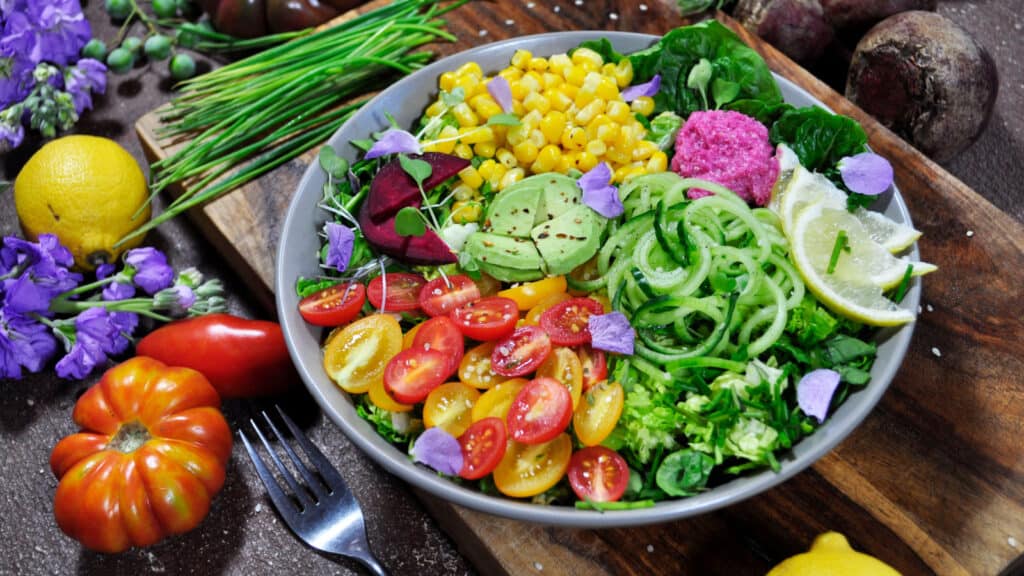
Healthy aging for women isn’t about chasing a magic bullet or following a perfect, restrictive diet. It’s about making small, consistent choices that reduce the burden of inflammation and cellular damage on our bodies.
By consciously limiting foods high in added sugars, unhealthy fats, sodium, and chemical additives, you’re doing more than just managing your weight. You’re actively fighting the formation of skin-damaging AGEs, calming chronic inflammation, supporting your hormonal balance, and protecting everything from your bones to your brain.
The power to age gracefully and healthfully is largely in your hands—and on your fork. By focusing on a diet rich in whole, unprocessed foods, you’re not just eating for today; you’re investing in a more vibrant, energetic, and healthier you for decades to come.
Science Tells Us What To Expect As We Age: Strategies for Thriving in Later Life

Science Tells Us What To Expect As We Age: Strategies for Thriving in Later Life
How does aging affect our bodies and minds, and how can we adapt to those differences? These are questions that pertain to us all. Aging gradually alters people over decades, a long period shaped by individuals’ economic and social circumstances, their behaviors, their neighborhoods, and other factors. Also, while people experience common physiological issues in later life, they don’t follow a well-charted, developmentally predetermined path. Let’s take a look at what science has told us to expect.
Why Supersonic Flights Vanished From Our Skies

Why Supersonic Flights Vanished From Our Skies
Every year on August 19th, National Aviation Day celebrates the marvels of flight and the pioneers who made it possible. But as we look to the skies, one question lingers. If we could fly from New York to London in under three and a half hours back in the 1970s, why are we still taking nearly seven today? Supersonic travel was once a thrilling reality. So, what grounded it?