10 historic trades people don’t practice anymore
As automation accelerates again, a look back at ten vanished trades shows how quickly entire livelihoods can disappear when technology flips the switch.
Imagine waking up to a pea shooter tapping on your window instead of a smartphone alarm buzzing on your nightstand. History is filled with fascinating jobs that vanished as technology marched forward, leaving behind only sepia-toned photos and curious stories. It is wild to think about how people once earned a living doing things that seem utterly bizarre to us now.
From harvesting ice on frozen ponds to catching rats in grimy sewers, these lost professions shaped the daily lives of our ancestors in ways we can barely grasp. We have compiled a list of ten extinct trades that illustrate how much the workforce has shifted over the last few centuries. Get ready to appreciate your modern office job a whole lot more after reading this.
The Rat Catcher

Cities have always battled vermin, but in the past, they relied on specialists who were willing to get their hands very dirty. Rat catchers would scour sewers and basements, using dogs, ferrets, and traps to control the rodent population.
It was a dangerous job that exposed workers to disease, but it was essential for public health in crowded urban centers. These brave individuals played a critical role in keeping plagues at bay, even if polite society shunned them.
The Ice Cutter

Before refrigerators hummed in every kitchen, brave souls ventured onto frozen lakes to saw massive blocks of ice for keeping food fresh. These workers faced freezing temperatures and dangerous conditions to harvest the crystal blocks that cooled drinks and preserved meat.
It was a massive industry that required significant manpower and infrastructure to move frozen goods across the country and overseas. At its peak in the late 19th century, the U.S. ice trade employed an estimated 90,000 people to keep things cool.
The Leech Collector

Medical history is full of strange practices, but few are as squirm-inducing as the job of the leech collector. These poor folks would wade into murky ponds and let bloodsucking worms latch onto their legs to harvest them for doctors.
The demand for these slimy creatures was absolutely astronomical during the height of the bloodletting craze in Europe. Records show that in 1833 alone, France imported about 42 million leeches to satisfy the medical community’s obsession.
The Factory Lector

Cigar factories were once loud with the sound of a single voice reading newspapers and literature to the workers as they rolled tobacco. This trade kept employees entertained and informed during long, repetitive shifts, turning factories into unlikely places of learning.
The readers were hired directly by the rollers rather than the factory owners, making them a unique voice for the people. Workers often chipped in 25 to 50 cents of their weekly pay to keep the reader employed and their minds sharp.
The Switchboard Operator

If you have seen old movies, you know the image of a busy room filled with women plugging cords into a wall of lights. Connecting a call used to require a human touch, with operators physically linking lines to get two people talking.
Automation eventually took over, but for a long time, the human voice was the heart of the telephone network. The number of operators peaked at around 342,000 in the mid-20th century before technology finally caught up.
The Lamplighter

Before electric streetlights flipped on automatically at dusk, cities relied on legions of men with long poles to light the way. They would walk miles every evening to ignite gas lamps and return at dawn to snuff them out one by one.
It was a romantic image, but a grueling reality that kept major cities safe and navigable after dark. London once had over 1,000 lamplighters illuminating its streets every evening, a workforce that has now dwindled to just a handful.
The Resurrectionist

This is easily the grimmest job on the list, involving digging up fresh graves to sell bodies to medical schools for anatomy lessons. Anatomists were desperate for subjects to dissect, and the legal supply of bodies could not meet the demand.
It became a dark underground economy where body snatchers could make a fortune if they had the stomach for the work. Surgeon Astley Cooper testified in 1828 that a corpse cost between 8 and 14 guineas, a considerable sum for that time.
The Pinsetter
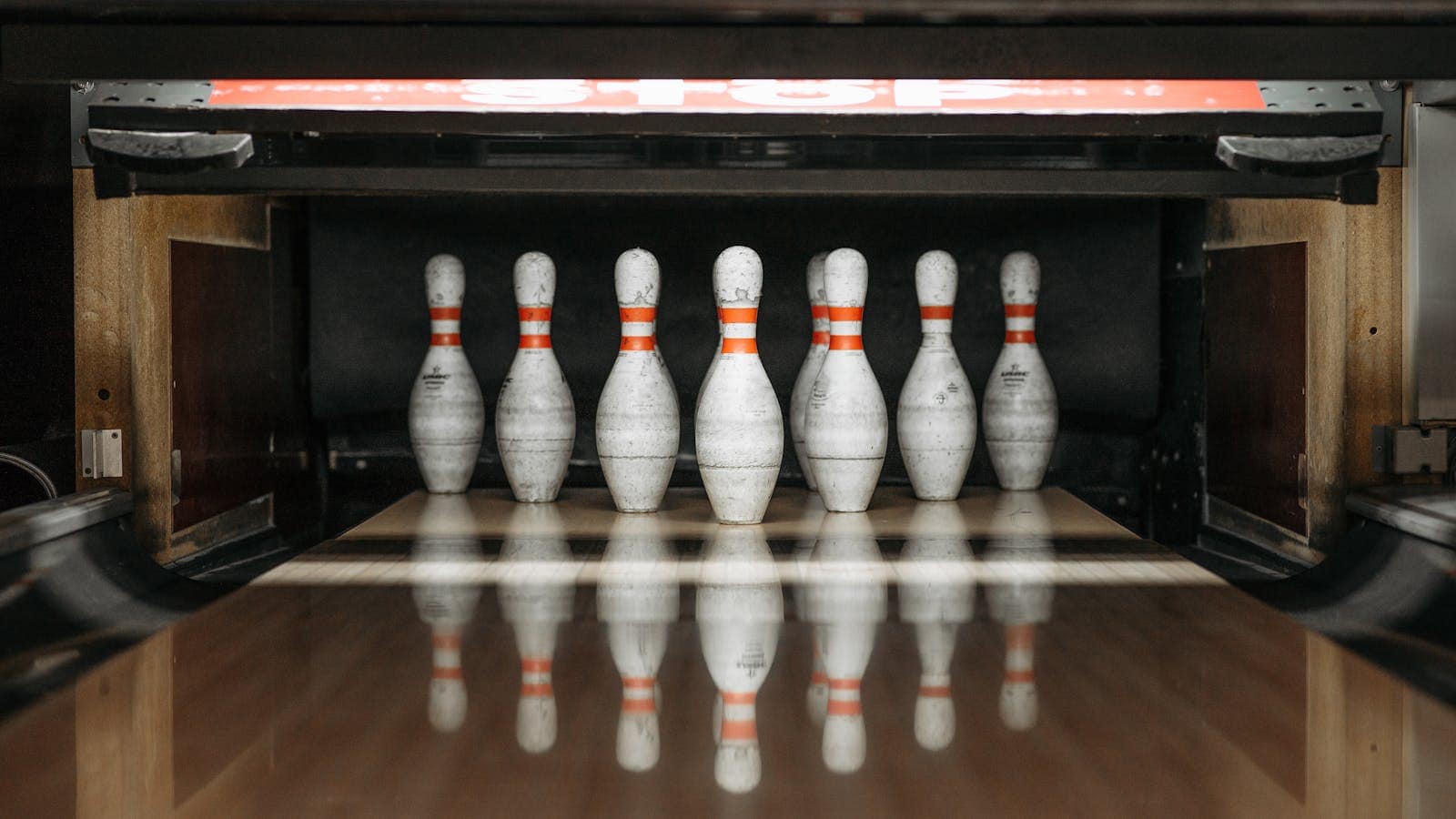
Bowling used to require a lot more patience and a couple of quick-moving kids at the end of the lane to reset the pins. Young boys would sit in the pits, dodging flying bowling balls and manually setting up the heavy pins for the next player.
It was a low-paying gig that served as a rite of passage for many teenagers before automatic machines took over the heavy lifting. While it sounds fun, it was backbreaking work that often left the pin boys with bruised shins and very little pay.
The Knocker Upper

The alarm clock is a modern convenience we take for granted, but people in the industrial age relied on human alarm clocks to ensure they woke up. These reliable individuals walked the streets carrying long bamboo sticks to tap on second-story bedroom windows.
Some used pea shooters to fire dried peas at the glass, making just enough noise to rouse the sleeper without waking the neighbors. They would not leave until they saw movement, providing a personalized wake-up service that no smartphone can match.
The Soda Jerk

The soda fountain was the social hub of the mid-20th century, and the person behind the counter was practically a local celebrity. Donning a crisp white paper hat, the soda jerk mixed flavored syrups and carbonated water with a flair that dazzled customers.
The name came from the sharp motion used to pull the draft arm on the soda fountain, a move that required practice to perfect. They were masters of slang and service, creating a fun atmosphere that disappeared with the rise of fast-food chains.
15 Things Women Only Do With the Men They Love

The 15 Things Women Only Do With the Men They Love
Love is a complex, beautiful emotion that inspires profound behaviors. We express our love in various ways, some universal and others unique to each individual. Among these expressions, there are specific actions women often reserve for the men they deeply love.
This piece explores 15 unique gestures women make when they’re in love. From tiny, almost invisible actions to grand declarations, each tells a story of deep affection and unwavering commitment.