10 illegal electrical add-ons homeowners must stop installing now
Stop playing Russian roulette with your home’s wiring just to save a few bucks. Seriously, we need to talk. I know the feeling, you walk through the hardware store, spot a “clever” gadget or a cheap workaround, and think, “This will solve all my problems!” But let’s be real: some of those “solutions” are straight-up fire starters waiting for a spark.
According to the National Fire Protection Association (NFPA), electrical failures or malfunctions cause over 47,000 home fires annually in the U.S., resulting in more than 400 deaths and $1.4 billion in property damage. That isn’t just a statistic; it’s a wake-up call. I’ve dug through the data and expert warnings to bring you the 10 most dangerous, illegal, and, frankly, terrifying electrical hacks you need to rip out of your walls immediately.
The “Suicide Cord” (Male-to-Male Extension Cords)
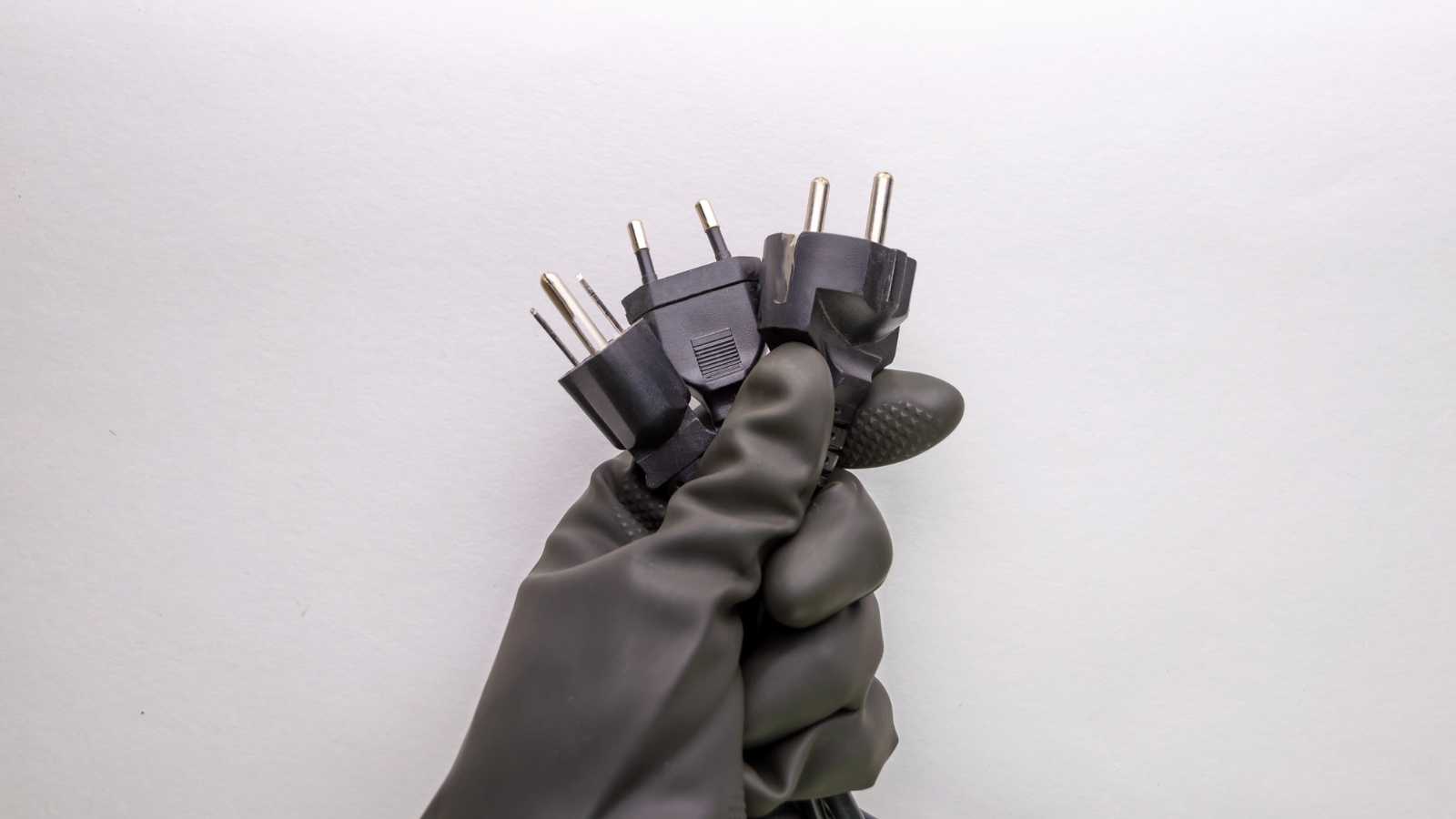
Have you ever seen an extension cord with a plug on both ends? People call these monstrosities “suicide cords” or “widowmakers” for a reason. Homeowners usually rig these up to backfeed a portable generator into their house during a power outage, plugging one end into the generator and the other into a wall outlet.
Here is why this terrifies experts: When you plug that cord into the wall, you energize your home’s wiring in reverse. If you forget to turn off the main breaker, you send 240 volts back out to the utility lines. This voltage step-up at the transformer can kill a lineman miles away working to restore your power.
Plus, the exposed prongs on the cord itself are live the moment you fire up the generator. Paul Martinez, an expert electrician, puts it bluntly: “When you touch it, you’re going to get the shock of your life”. The Consumer Product Safety Commission (CPSC) explicitly warns users to destroy these cords immediately.
Buried Junction Boxes
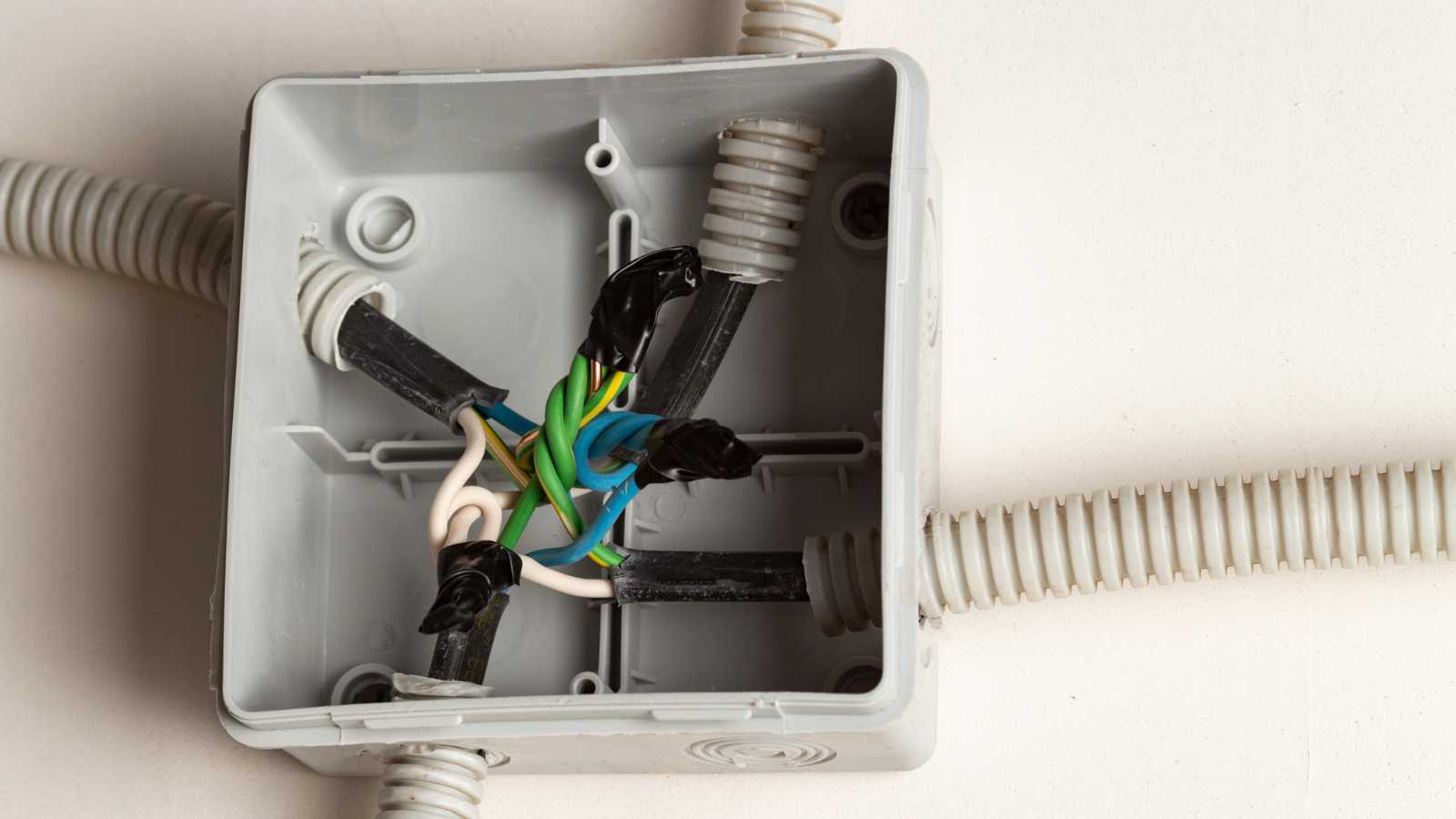
I once spent three hours helping a buddy find a fault in his kitchen lights, only to discover the previous owner had buried a junction box behind the drywall. Never hide your splices. The National Electrical Code (NEC 314.29) mandates that all junction boxes must remain accessible without removing any part of the building structure.
Why does this matter? Wires heat up and cool down every time you use them. This thermal cycling loosens wire nuts over time, creating resistance and heat, the perfect recipe for an arc fault. If that sparking connection sits hidden behind flammable drywall, you might not know you have a fire until flames burst through the paint. Ever smell something fishy in your house for no reason? That fishy or urine-like odor is often the smell of overheated, melted plastic from an electrical component hidden in a box.
Double-Tapped Breakers
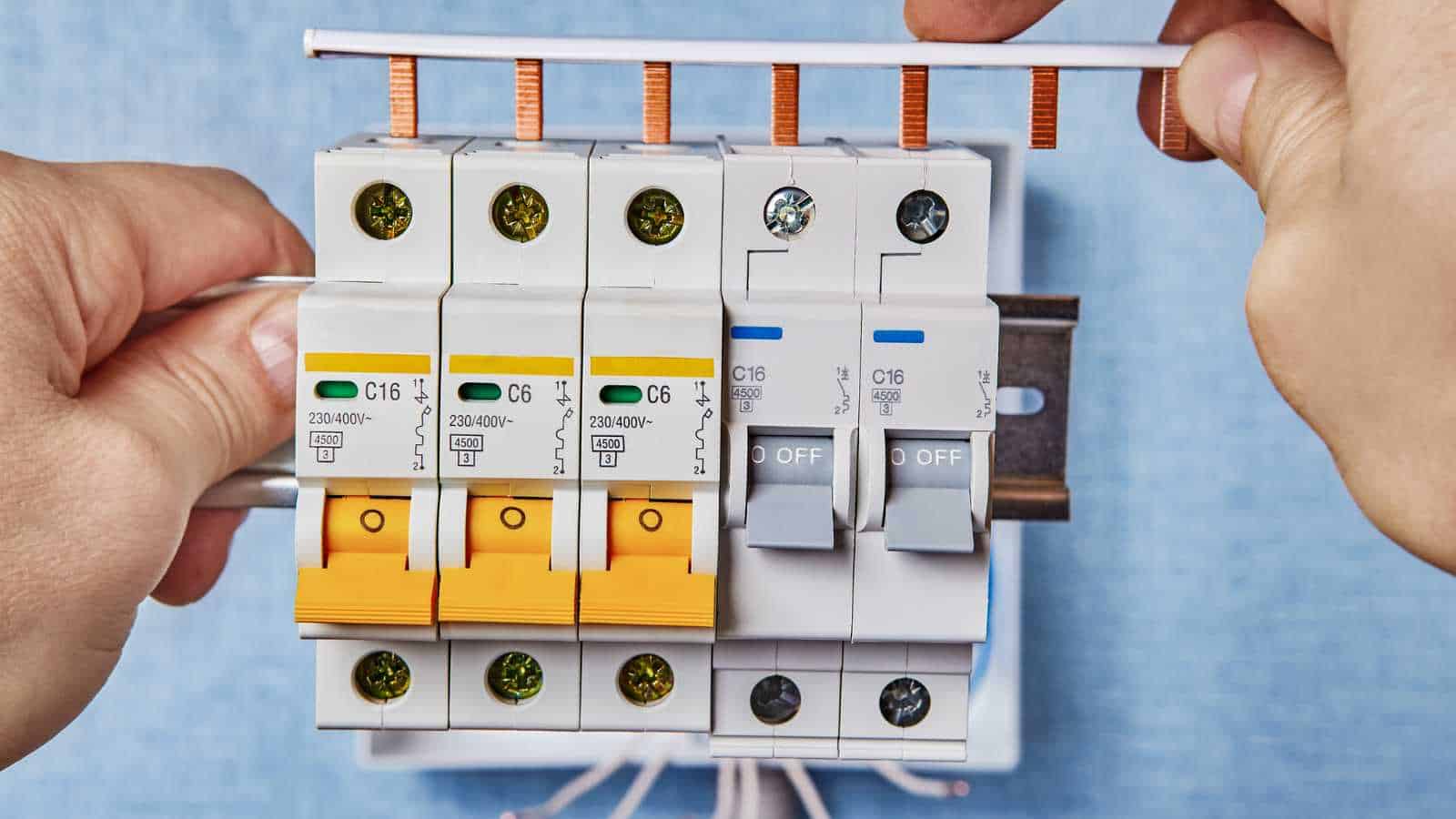
Open your electrical panel (carefully!) and look at the breakers. Do you see two black wires jammed under a single screw? That, my friends, is a “double tap,” and unless you have a specific breaker designed for it, it’s a major code violation.
Most standard breakers function correctly only with one wire. When you jam two in there, you can’t torque the screw down tight enough to secure both equally. One wire stays loose, arcing and buzzing until it melts the breaker or starts a fire. While brands like Square D make some breakers designed for two wires (look for a plate with two grooves), most older panels don’t support this. If you need more circuits, stop cheating; install a tandem breaker or a subpanel.
The “Bootleg Ground.”
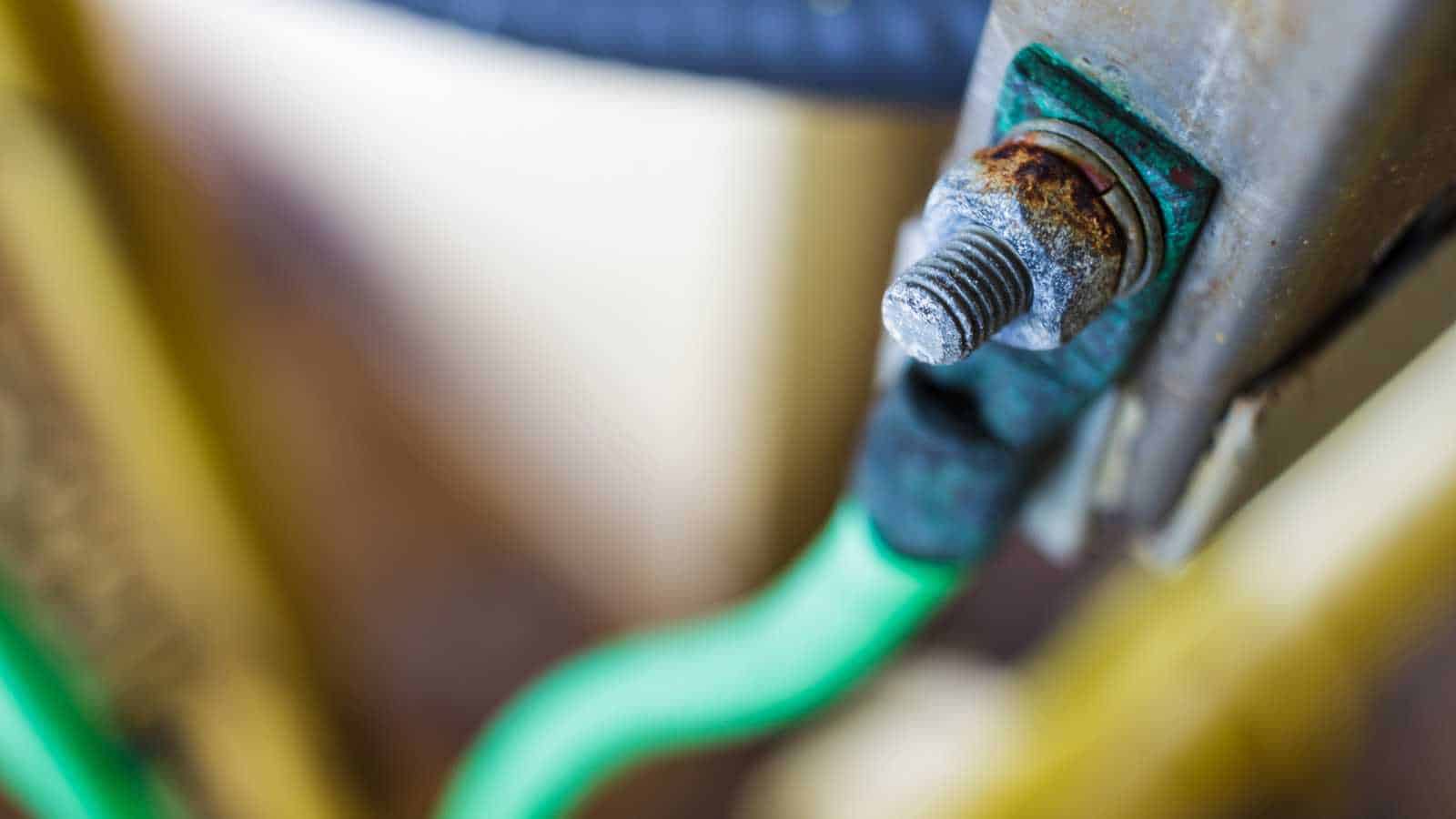
This one boils my blood. You buy an older house with two-prong outlets, but you want three-prong ones for your fancy electronics. Instead of rewiring the house, a shady flipper installs a three-prong outlet and connects the neutral wire to the outlet’s ground screw. Voila! Your cheap plug tester reads “Correct,” and you think you’re safe.
This is a lie that can kill you. By bonding the neutral to the ground at the outlet, you energize the metal casing of any appliance you plug in if the neutral wire ever breaks. Touch your “grounded” microwave and the sink at the same time? Zap. You become the path to ground. It’s illegal, dangerous, and a massive liability.
14-Gauge Wire on a 20-Amp Breaker

Electrical code is essentially physics with a badge. A 20-amp breaker allows 20 amps of current to flow before it trips. However, 14-gauge wire (the thinner white Romex stuff) can safely handle only 15 amps. See the problem?
If you run a space heater and a vacuum on a circuit wired with 14-gauge wire but protected by a 20-amp breaker, you could draw 19 amps. The breaker won’t trip because it thinks everything is fine. Meanwhile, the wire inside your wall turns into a heating element, melting its insulation and eventually igniting the wooden studs. Always match the breaker to the wire. If you see a “20” on the breaker handle, you’d better see thick yellow (12-gauge) wire coming out of it.
Non-UL Listed “Smart” Devices

We all love upgrading our homes with smart plugs and Wi-Fi switches, but buying the cheapest option from a random online seller is a gamble you shouldn’t take. In 2024 alone, Amazon seized over 15 million counterfeit products, many of which were dangerous electronics.
These uncertified devices often skip crucial safety testing. They lack the internal components to handle power surges or overheating. I’ve seen photos of cheap smart plugs that melted into a blackened blob while charging a scooter. Look for the UL (Underwriters Laboratories) or ETL mark. If a device doesn’t have a recognized testing laboratory stamp, don’t plug it into your home.
Permanent Extension Cords
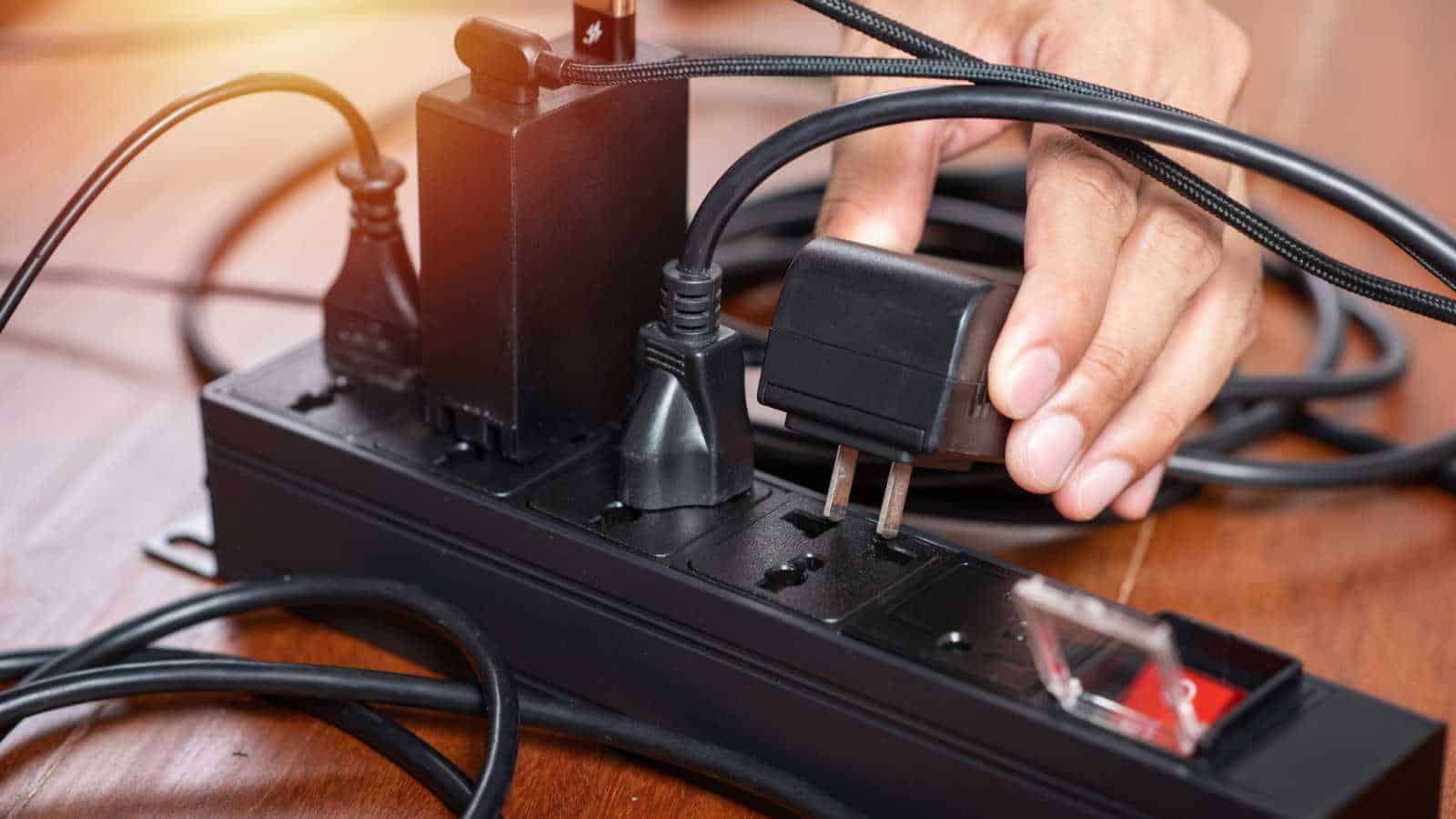
Extension cords are for temporary use, like “setting up a bounce house for a birthday party” temporarily. They are not a substitute for permanent wiring. The NEC (Article 400.12) specifically prohibits running flexible cords through holes in walls, ceilings, or floors.
The worst version of this? Running a cord under a rug. It’s the classic “rug trap.” Foot traffic damages the internal wires, while the rug acts as an insulator, trapping heat. This combination creates a hidden fire hazard right under your feet. If you need an outlet installed, hire a pro. Stop tripping over that orange snake in your living room!
Improper Aluminium/Copper Connections
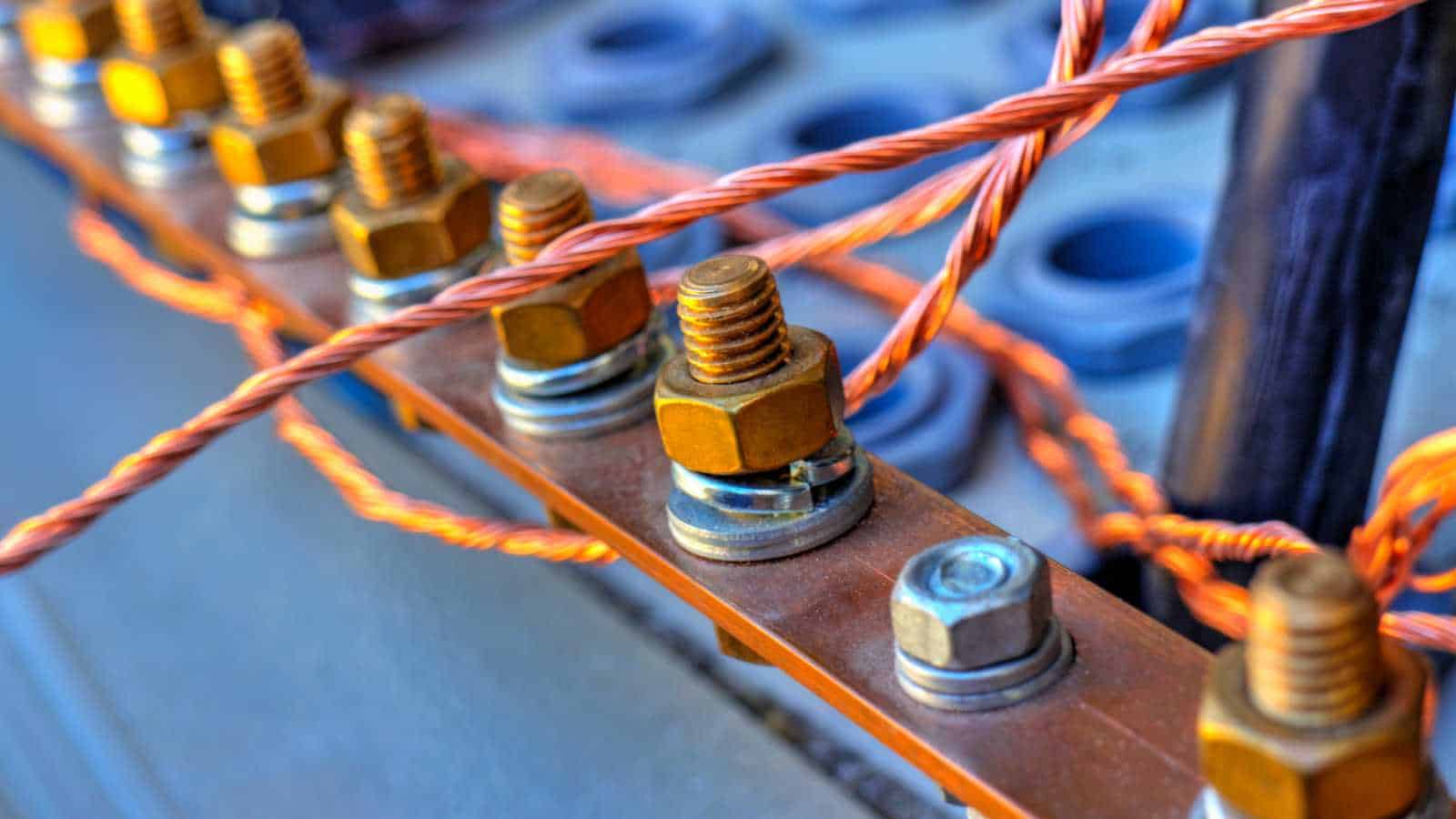
If your home was built in the late 60s or early 70s, you might have aluminum wiring. Aluminum isn’t inherently evil, but it hates copper. When you twist a copper wire (from a new light fixture) with an old aluminum wire using a standard wire nut, the two wires expand and contract at different rates. This leads to gaps, arcing, and fire.
The CPSC estimates that homes with old aluminum wiring are 55 times more likely to have fire-hazard conditions than those with copper wiring. Don’t just slap a “purple wire nut” on it and pray; those often fail, too. You need specific CPSC-approved connectors, such as AlumiConn lugs, to safely bridge the gap.
Missing GFCI Protection
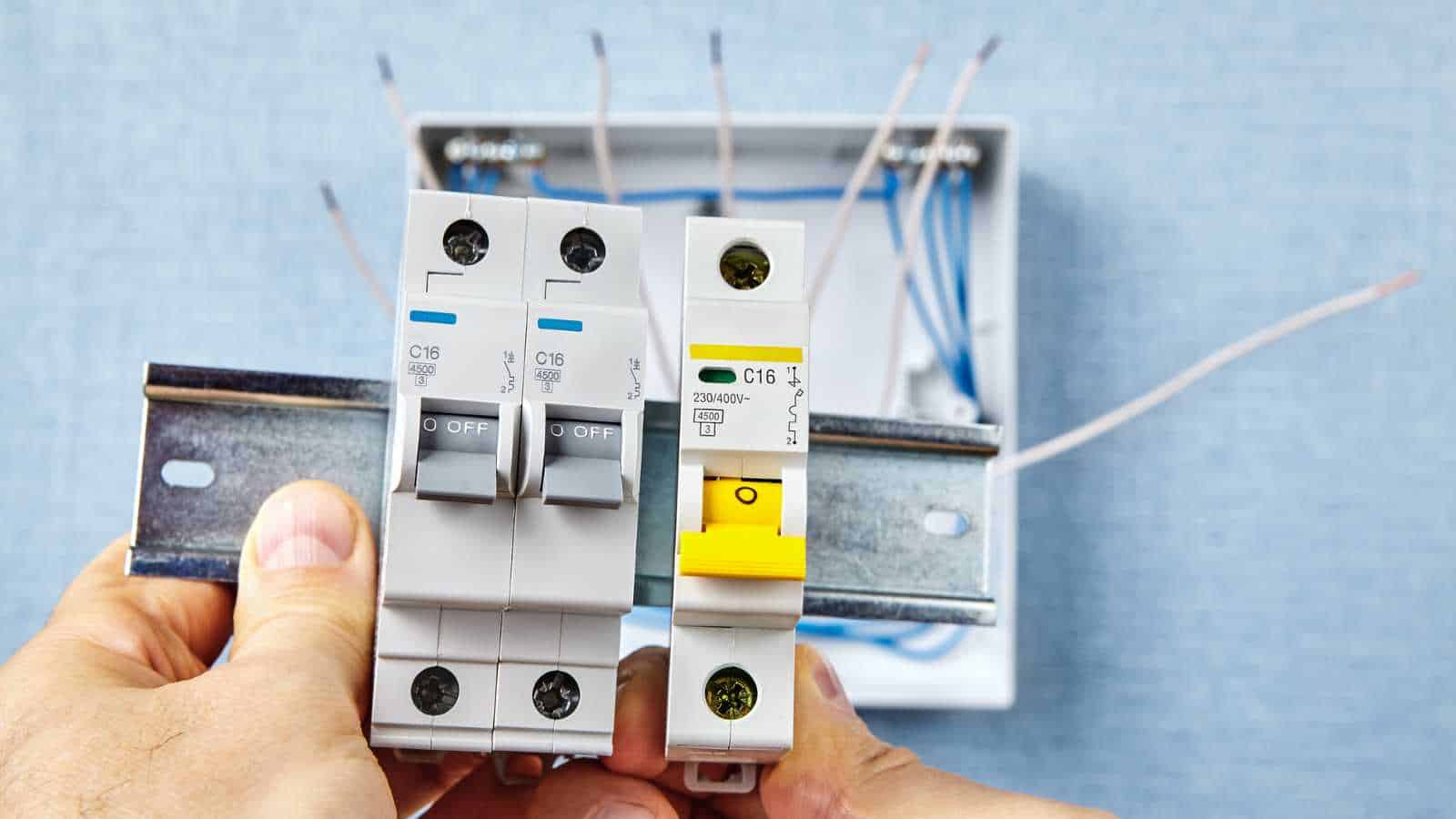
“Grandfathering” is a myth that hurts people. Sure, maybe your bathroom didn’t legally require a Ground Fault Circuit Interrupter (GFCI) when it was built in 1980. But if you replace that outlet today, the code requires you to install GFCI protection.
GFCIs save lives by cutting power in milliseconds if they detect electricity leaking to water (or through you). Skipping this $20 upgrade in kitchens, bathrooms, or garages is negligent. Also, don’t confuse GFCIs with AFCIs (Arc Fault Circuit Interrupters). You need AFCIs in bedrooms and living areas to detect sparking wires that cause fires. Skipping these is just cheap insurance you’re throwing away.
Overcrowded Electrical Boxes
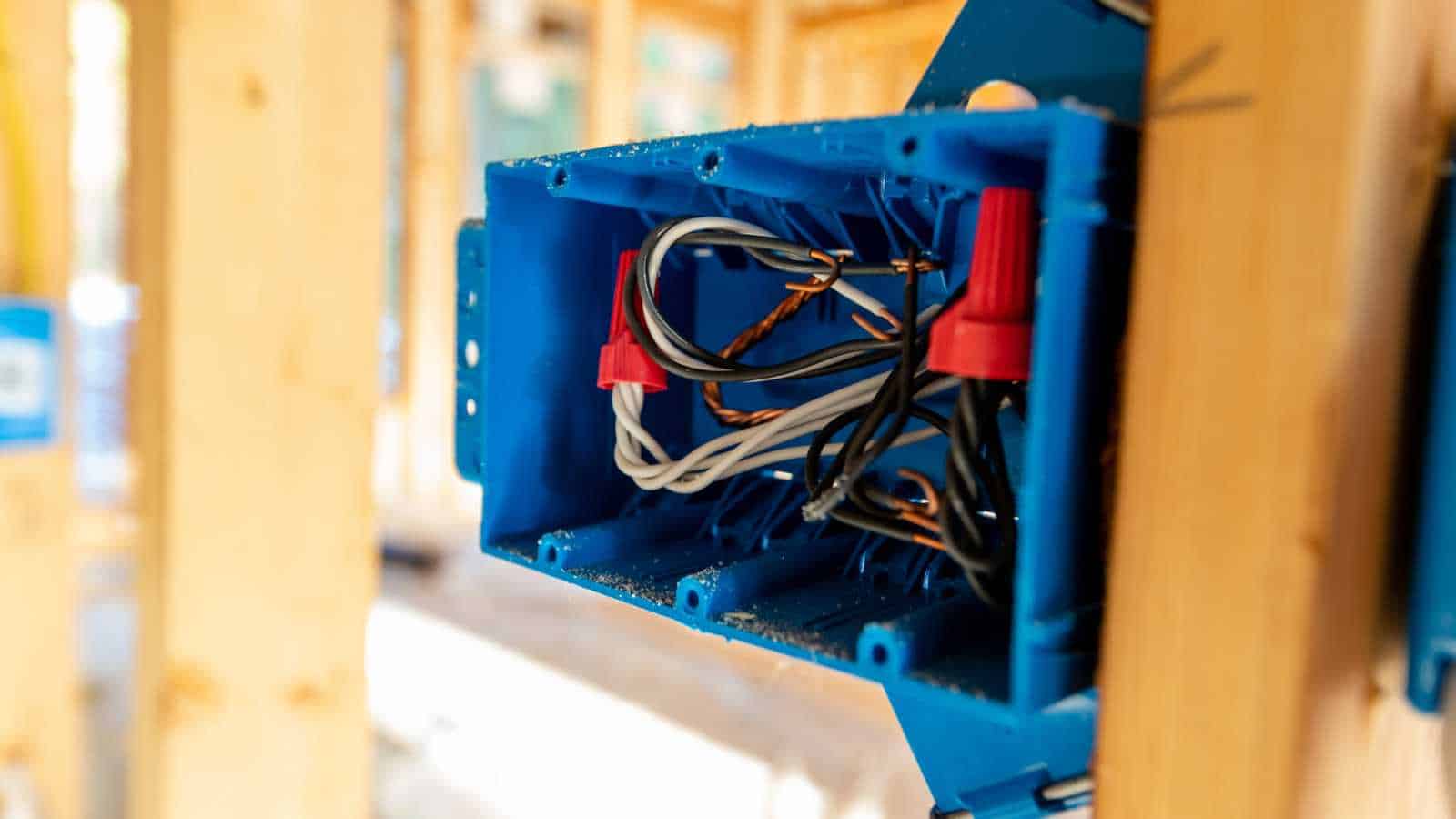
Ever opened an outlet box and it looked like a robot vomited spaghetti? That is a “box fill” violation. NEC 314.16 restricts how many wires you can jam into a single box for a reason: heat dissipation.
When you stuff too many wires into a small space, they create a dense thermal mass. As current flows, heat builds up with nowhere to go, melting insulation. Plus, when you forcefully screw the device back in, you risk crushing wires against sharp metal edges, causing dead shorts. Stop treating your junction boxes like clown cars!
Key Takeaway

Here is the bottom line: The electrical code is written in blood. Every regulation exists because someone, somewhere, lost their property or their life. Saving $50 on a DIY wiring job isn’t a “win” if it voids your home insurance policy or puts your family at risk.
If you spot any of these “Illegal 10” in your home, don’t panic, but do act. Call a licensed electrician. Get a permit. Sleep better at night knowing your walls aren’t harboring a secret toaster-oven-level heat source. Stay safe out there!
Disclosure: This article was developed with the assistance of AI and was subsequently reviewed, revised, and approved by our editorial team.
20 Odd American Traditions That Confuse the Rest of the World

20 Odd American Traditions That Confuse the Rest of the World
It’s no surprise that cultures worldwide have their own unique customs and traditions, but some of America’s most beloved habits can seem downright strange to outsiders.
Many American traditions may seem odd or even bizarre to people from other countries. Here are twenty of the strangest American traditions that confuse the rest of the world.
20 of the Worst American Tourist Attractions, Ranked in Order

20 of the Worst American Tourist Attractions, Ranked in Order
If you’ve found yourself here, it’s likely because you’re on a noble quest for the worst of the worst—the crème de la crème of the most underwhelming and downright disappointing tourist traps America offers. Maybe you’re looking to avoid common pitfalls, or perhaps just a connoisseur of the hilariously bad.
Whatever the reason, here is a list that’s sure to entertain, if not educate. Hold onto the hats and explore the ranking, in sequential order, of the 20 worst American tourist attractions.