10 innocent-sounding questions cops use to trap you
The flashing red and blue lights in your rearview mirror trigger an instant pit in your stomach, even if you drive like a grandma. You pull over, heart pounding, and watch the officer approach your window. They lean in, maybe even smile, and ask a seemingly polite question. Watch out. That “friendly” chat isn’t a casual conversation; it’s a calculated investigation designed to gather evidence against you.
Traffic stops are the most common way police interact with the public, with over 20 million Americans stopped each year, according to data from the American Civil Liberties Union. While you might think honesty is the best policy, legal experts warn that your own words often seal your fate before you even sign a ticket. I’ve seen countless drivers talk themselves into handcuffs because they didn’t realize they were walking into a verbal trap. IMO, knowing these tactics is just as important as knowing the speed limit.
Here are 10 innocent-sounding questions cops use to trap you, and why you should think twice before answering.
Do you know why I pulled you over?

This is the classic opener, and it’s arguably the most dangerous question you will face. The officer asks this to get you to confess to a crime they might not even have proof of yet. If you guess, “Was I speeding?” or “Did I roll that stop sign?”, you just handed them a recorded confession that holds up in court. You typically can’t take back that admission later.
California recently recognized the manipulative nature of this tactic. In 2024, they implemented Assembly Bill 2773, which prohibits officers from asking this question before stating the reason for the stop. For the rest of the USA, however, the trap remains wide open. Defense attorneys generally recommend a polite “No, officer” to force them to state their probable cause.
Where are you coming from?

Police frame this as small talk, but they are actually building a timeline to check for inconsistencies. If you say you’re coming from a friend’s house, but you’re on a highway that doesn’t lead from there, they catch you in a lie. Officers look for “implausible itineraries” that might indicate drug trafficking or other criminal activity.
Legal experts note that you have no obligation to reveal your travels to law enforcement during a routine traffic stop. While it feels rude to refuse, answering gives them data points to verify or disprove. If your story doesn’t match your passenger’s story, you just gave them reasonable suspicion to detain you longer.
How fast do you think you were going?

This is a variation of the first trap, but it forces you to guess a specific number. If you say “65” in a 55 zone, you just admitted to speeding. Even if the officer’s radar gun wasn’t calibrated or they didn’t actually lock your speed, your admission stands as sufficient evidence for the ticket.
Never guess your own speed. The burden of proof lies with the officer, not you. I always find it wild that drivers try to negotiate by admitting to a “lower” crime (speeding a little bit) to avoid a bigger ticket, only to guarantee they get a ticket anyway.
Have you had anything to drink tonight?

This question triggers the “Two Beers” trap. Defense attorneys joke that “two beers” is the most common measurement of alcohol in human history because almost everyone admits to it. Drivers think admitting to a small amount sounds honest and responsible, but it actually provides the reasonable suspicion the officer needs to demand Field Sobriety Tests (FSTs).
Once you admit to drinking, the stop transitions into a DUI investigation. Data from the National Highway Traffic Safety Administration shows that even small admissions justify detaining you for testing. The safest answer is to politely decline to answer potentially incriminating questions.
Do you mind if I take a look around?

This is the “Golden Question” for law enforcement. They ask this because they often lack the probable cause required by the Fourth Amendment to search your vehicle without a warrant. If you say, “Sure, I have nothing to hide,” you waive your constitutional rights immediately.
Statistics show that approximately 60% of drivers believe these searches are illegitimate, yet many consent out of fear. Once you consent, they can tear your car apart, and you can’t easily stop them. Stanford University research highlights that this tactic disproportionately affects minority drivers, who face searches at significantly higher rates despite often having less contraband than white drivers.
Why are you so nervous?
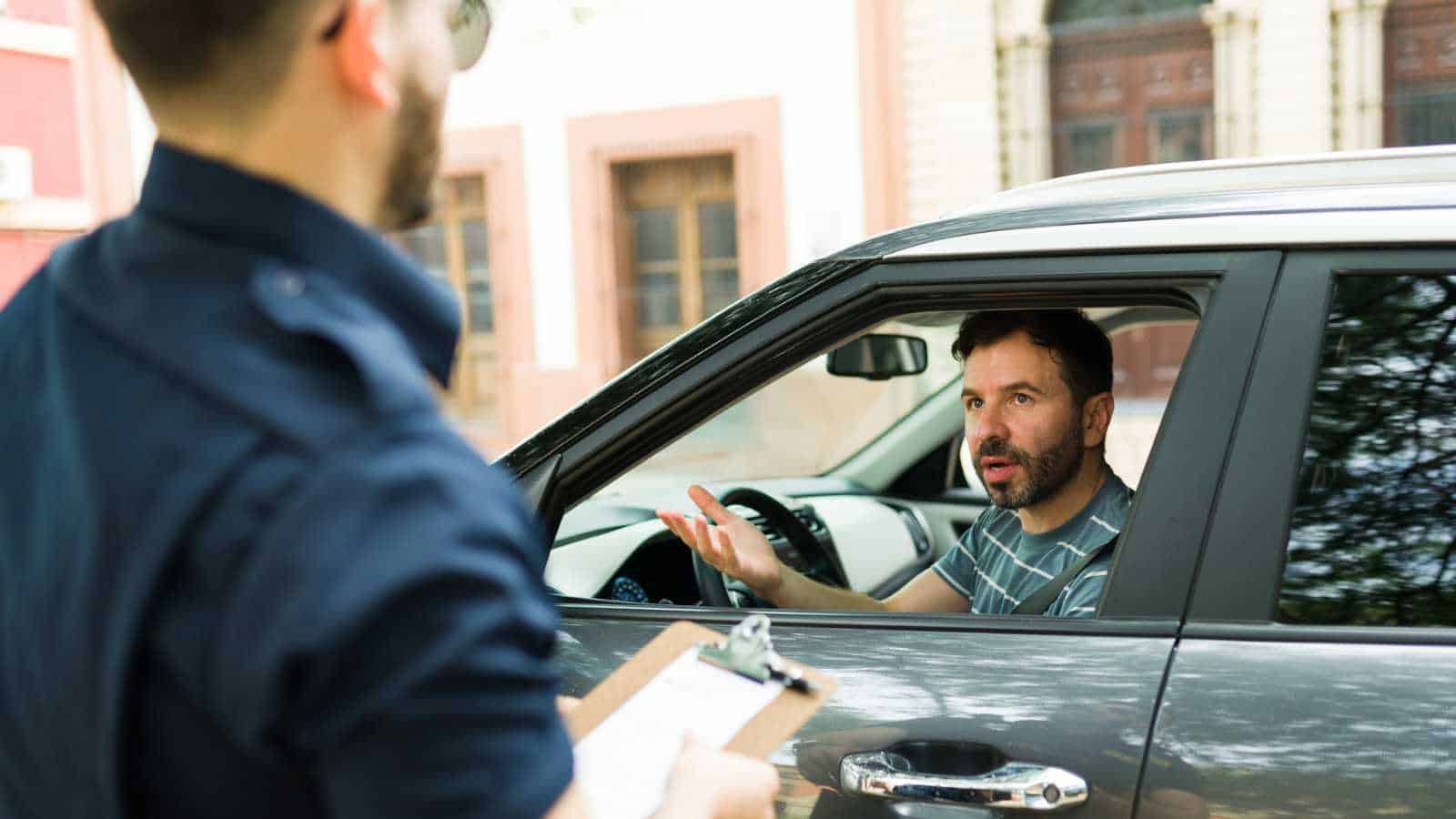
Officers use this rhetorical weapon to create probable cause out of thin air. They know that everyone gets nervous when a person with a gun and a badge stands at their window. By pointing it out (“You’re shaking, why?”), They force you to explain a natural physiological reaction.
If you deny it, they mark you down for deception; if you admit it, they treat it as “consciousness of guilt”. It’s a lose-lose situation. Courts have ruled that nervousness alone doesn’t justify a search, but officers combine it with your answers to other questions to build their case.
Do you have any large amounts of cash in the car?
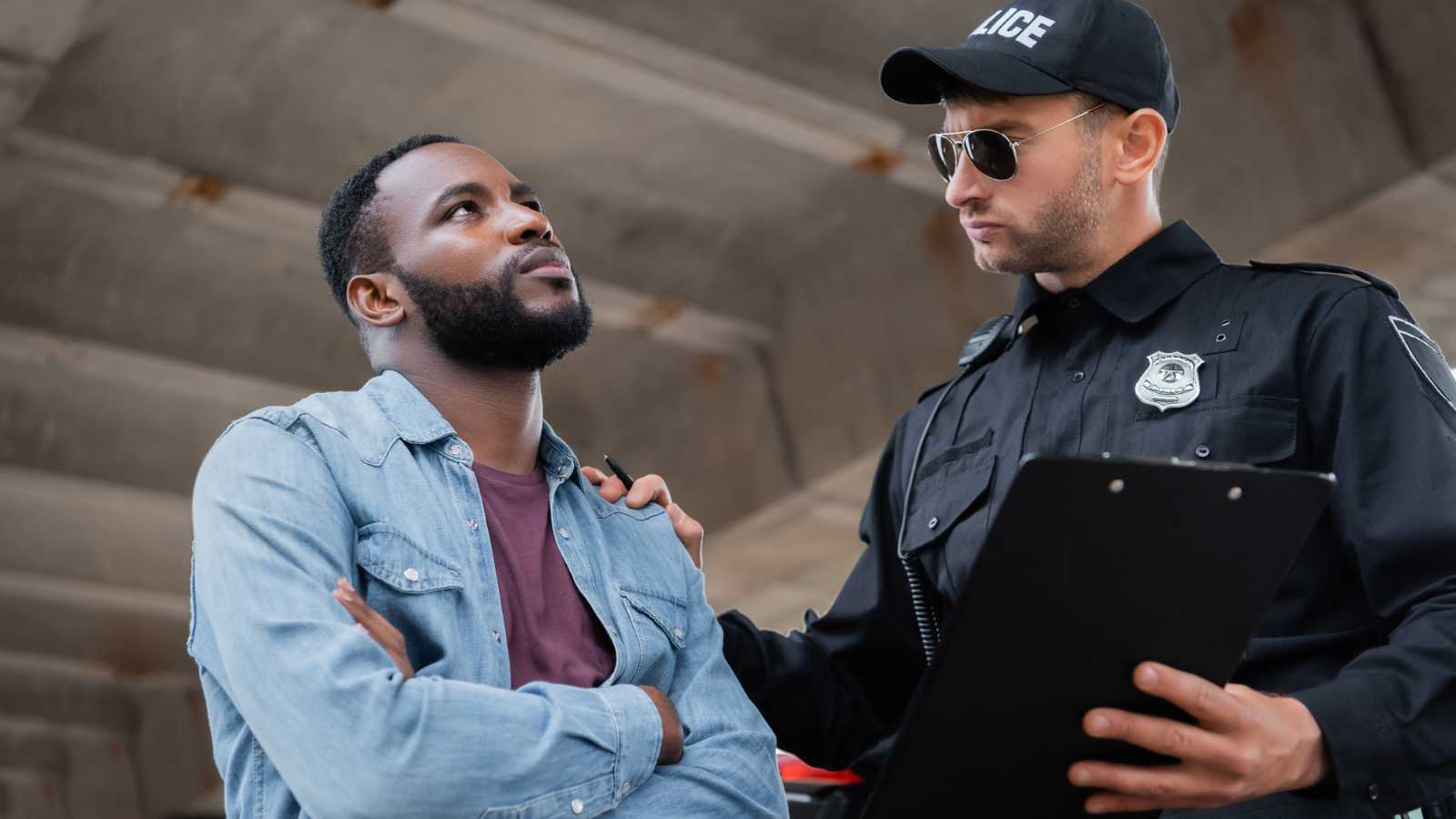
This question signals that the officer is fishing for Civil Asset Forfeiture. Under federal and state laws, police can seize cash if they suspect it connects to a crime, even if they never charge you with one. They often use the mere presence of cash as “proof” of drug activity.
In one infamous case, St. Charles County police seized $2.6 million from motorists along I-70 in a single year, often pressuring drivers to sign waivers to avoid jail. If you answer “Yes, I’m going to buy a used car,” you risk losing your life savings. FYI: Carrying cash is not a crime, but answering this question often makes it feel like one.
Can I see your phone?
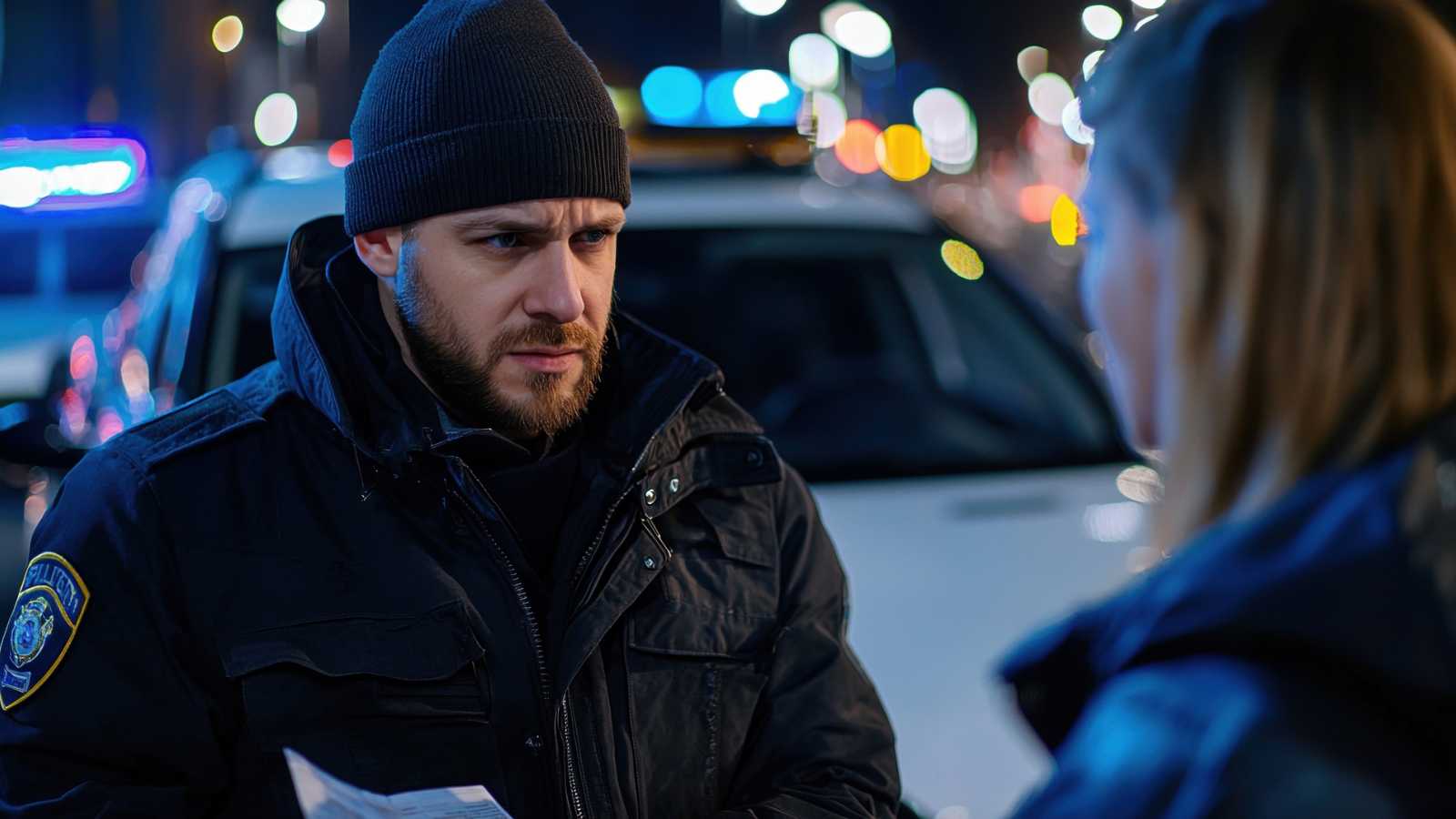
With distracted driving laws on the rise, officers now use this request to bypass digital privacy rights. They might claim they want to check if you were texting, but once you hand over your unlocked phone, they can scroll through your photos, texts, and location history.
The Supreme Court ruled in Riley v. California that police generally need a warrant to search a phone, but consent overrides that requirement. Never hand your phone to an officer voluntarily. You wouldn’t hand them your diary, so don’t hand them a device that contains your entire life.
Is there anything illegal in the car?

Officers often list items to shock you: “Guns, knives, drugs, grenades?” They watch your body language closely as you respond. They rely on the idea that an innocent person will laugh, while a guilty person will freeze or look at the specific place where they hid the contraband.
This technique, rooted in interrogation methods like the Reid Technique, relies on psychological manipulation. Answering “No” is the only safe option, but even hesitation can look suspicious to a trained observer.
Would you mind stepping out of the vehicle?
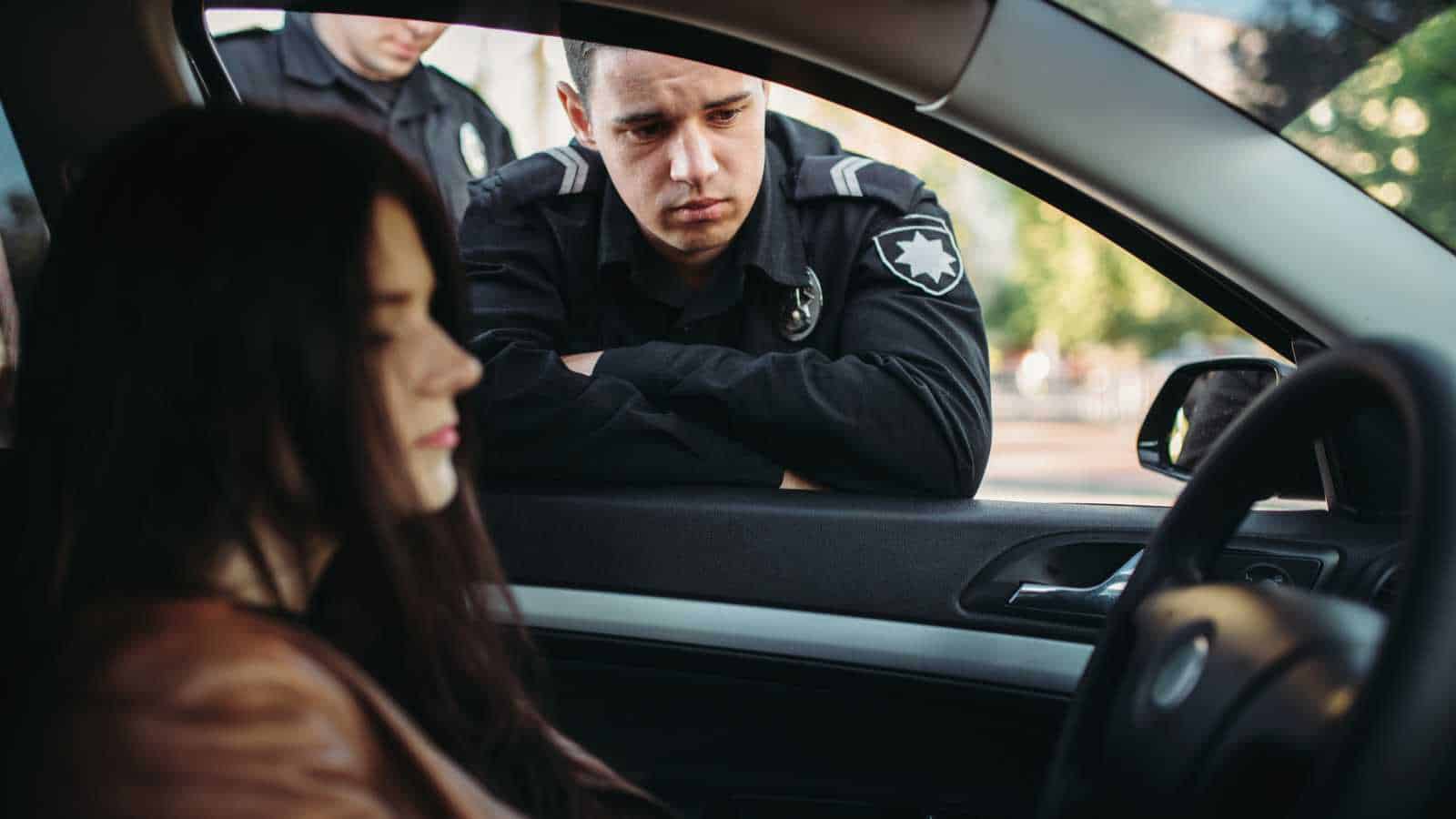
While phrased as a polite request (“Would you mind?”), This is often a lawful order. The Supreme Court ruled in Pennsylvania v. Mimms that officers may order drivers out of their cars for safety reasons. However, they frame it as a question to gauge your compliance.
Once you step out, you lose the physical barrier of the car door. This isolation makes you more vulnerable to questioning and allows the officer to visually inspect you for “bulges” or weapons. They separate you from your passengers to compare your stories, making it much easier to catch you in a contradiction.
Key Takeaway

The roadside is not a courtroom, and the officer is not your judge or your friend. They are investigators gathering evidence. The data is clear: cooperation often leads to self-incrimination.
Protect yourself by staying calm, being polite, and knowing you have the right to decline searches and remain silent. Don’t let a “friendly” question turn into a life-altering conviction. Stay safe out there!
Disclosure: This article was developed with the assistance of AI and was subsequently reviewed, revised, and approved by our editorial team.
20 Odd American Traditions That Confuse the Rest of the World
20 Odd American Traditions That Confuse the Rest of the World
It’s no surprise that cultures worldwide have their own unique customs and traditions, but some of America’s most beloved habits can seem downright strange to outsiders.
Many American traditions may seem odd or even bizarre to people from other countries. Here are twenty of the strangest American traditions that confuse the rest of the world.
20 of the Worst American Tourist Attractions, Ranked in Order

20 of the Worst American Tourist Attractions, Ranked in Order
If you’ve found yourself here, it’s likely because you’re on a noble quest for the worst of the worst—the crème de la crème of the most underwhelming and downright disappointing tourist traps America offers. Maybe you’re looking to avoid common pitfalls, or perhaps just a connoisseur of the hilariously bad.
Whatever the reason, here is a list that’s sure to entertain, if not educate. Hold onto the hats and explore the ranking, in sequential order, of the 20 worst American tourist attractions.