10 key differences between the Catholic and Orthodox churches
Two churches sharing the same roots grew apart so slowly and so deeply that their differences now reveal entirely different ways of seeing God, authority, and human life.
Most Americans are familiar with the Roman Catholic Church’s Sunday morning routine, but the Eastern Orthodox tradition often feels like a beautiful mystery. These two ancient branches of Christianity were once the same tree until a major split nearly a thousand years ago sent them growing in different directions.
While they share the same roots and many core beliefs, the way they practice their faith has evolved into two distinct experiences that can surprise a newcomer. Learning these differences helps explain why Sunday service in a Greek neighborhood looks so different from one in a Latino parish.
Papal Authority And Power
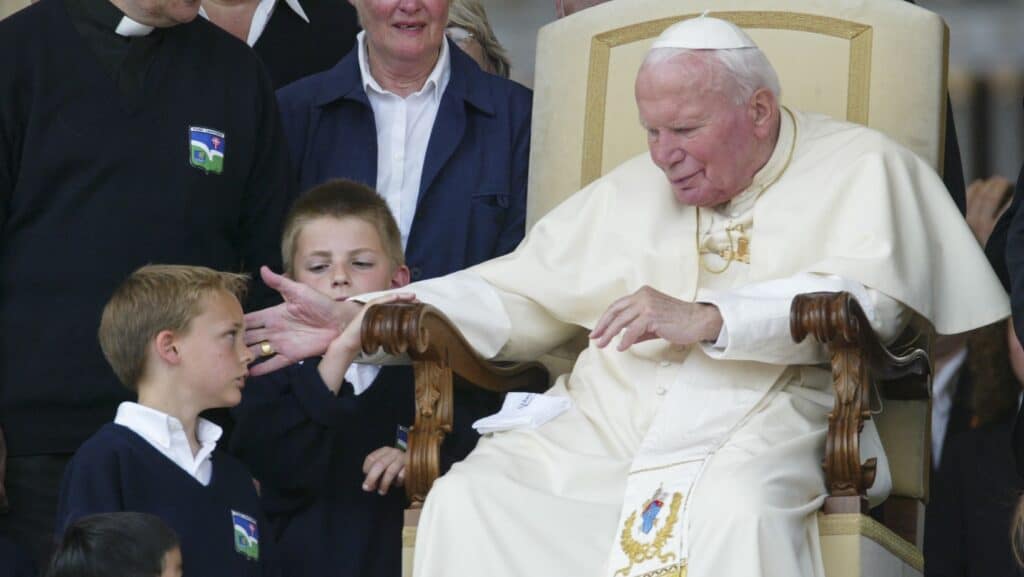
The most famous sticking point between these two groups is undoubtedly the role of the pope in Rome. Catholics believe the pope is the supreme leader of the entire church and has the final say on matters of doctrine. This centralization is a defining feature of Catholicism, which claims over 1.3 billion members globally according to 2024 estimates from Britannica.
Orthodox Christians see things quite differently and view the pope merely as a “first among equals” who should not have jurisdiction over other bishops. They reject the idea of papal infallibility and instead believe that supreme authority rests in councils of bishops. The Orthodox communion is smaller, consisting of roughly 260 million believers worldwide.
The Filioque Clause
This sounds like a complicated theological term, but it is actually just a dispute over a single phrase in the Nicene Creed. The Catholic version states that the Holy Spirit proceeds from both the Father “and the Son,” a line they added centuries after the original creed was written. This addition, known in Latin as the filioque, remains a major stumbling block.
Orthodox believers adhere to the original text, which states that the Holy Spirit proceeds only from the Father. They argue that changing the creed without a unified council was wrong and alters the understanding of the Trinity. It is a subtle difference in wording that signals a massive difference in how they view church tradition and authority.
Marriage Of The Clergy
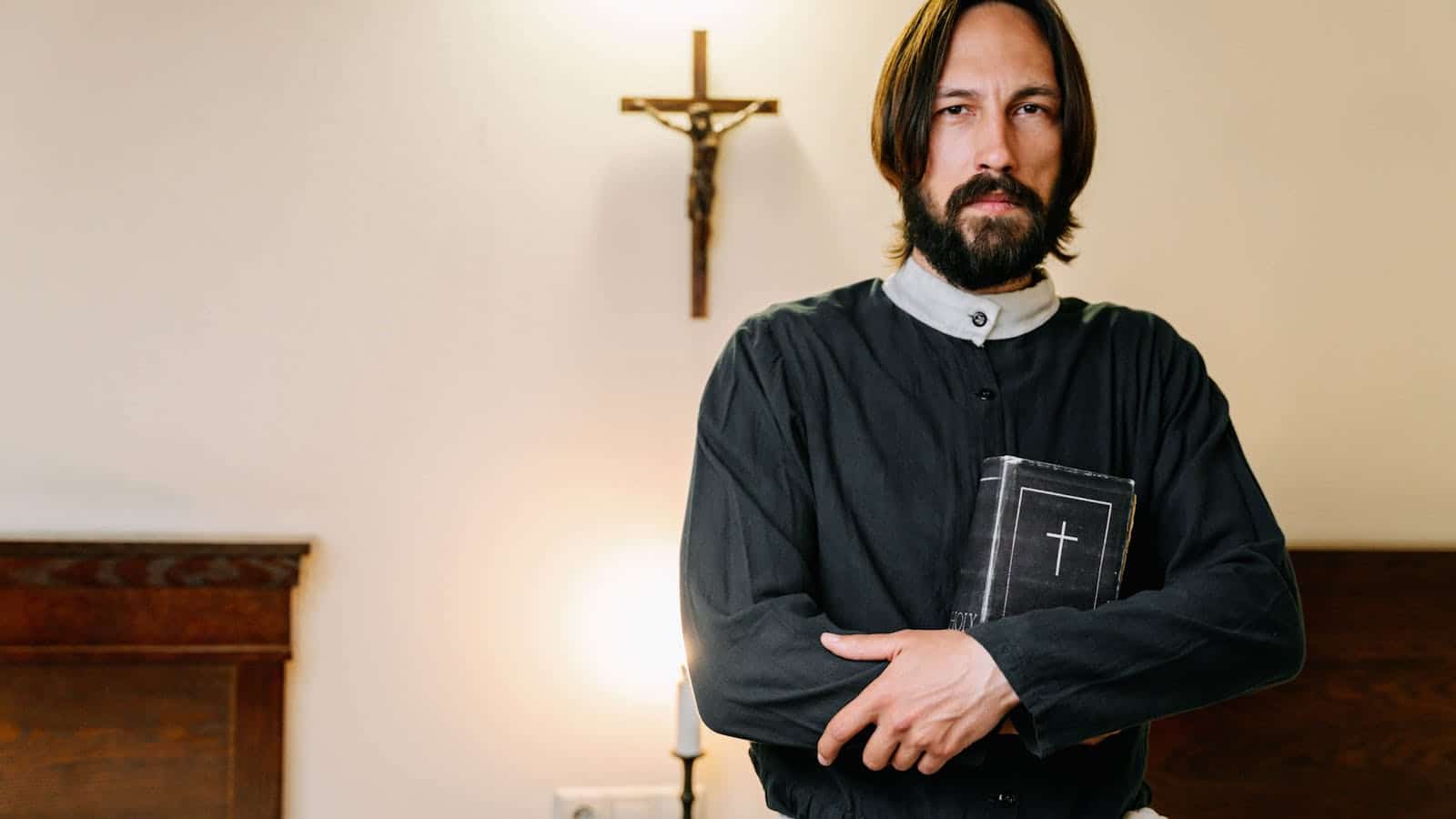
If you visit a Catholic parish, you generally expect the priest to be a celibate man who has dedicated his life solely to the church. The Roman Catholic Church has required priestly celibacy for centuries, though a Pew Research study found that 63% of U.S. Catholics think priests should be allowed to marry. This rule is strictly a discipline rather than a dogma, meaning the pope could theoretically change it.
In the Eastern Orthodox tradition, parish priests are often married men with families before they are ordained. While their bishops must remain unmarried, the local priest is often a father and husband who understands family life firsthand. However, an Orthodox priest cannot get married after he has already been ordained.
The Liturgical Calendar

You might show up for Easter service at a Catholic church only to find that your Orthodox neighbors are still fasting for Lent. Catholicism follows the Gregorian calendar, which is the standard calendar used by the Western world today. This means their Christmas and Easter dates align with the secular holidays most Americans recognize.
Most Orthodox churches still use the older Julian calendar to determine the dates of their movable feasts like Easter. This results in the two churches celebrating the resurrection on different Sundays in most years, though in 2025, both dates coincided on April 20. It is a confusing reality for mixed families who often end up celebrating two Easters.
Communion Bread And Wine
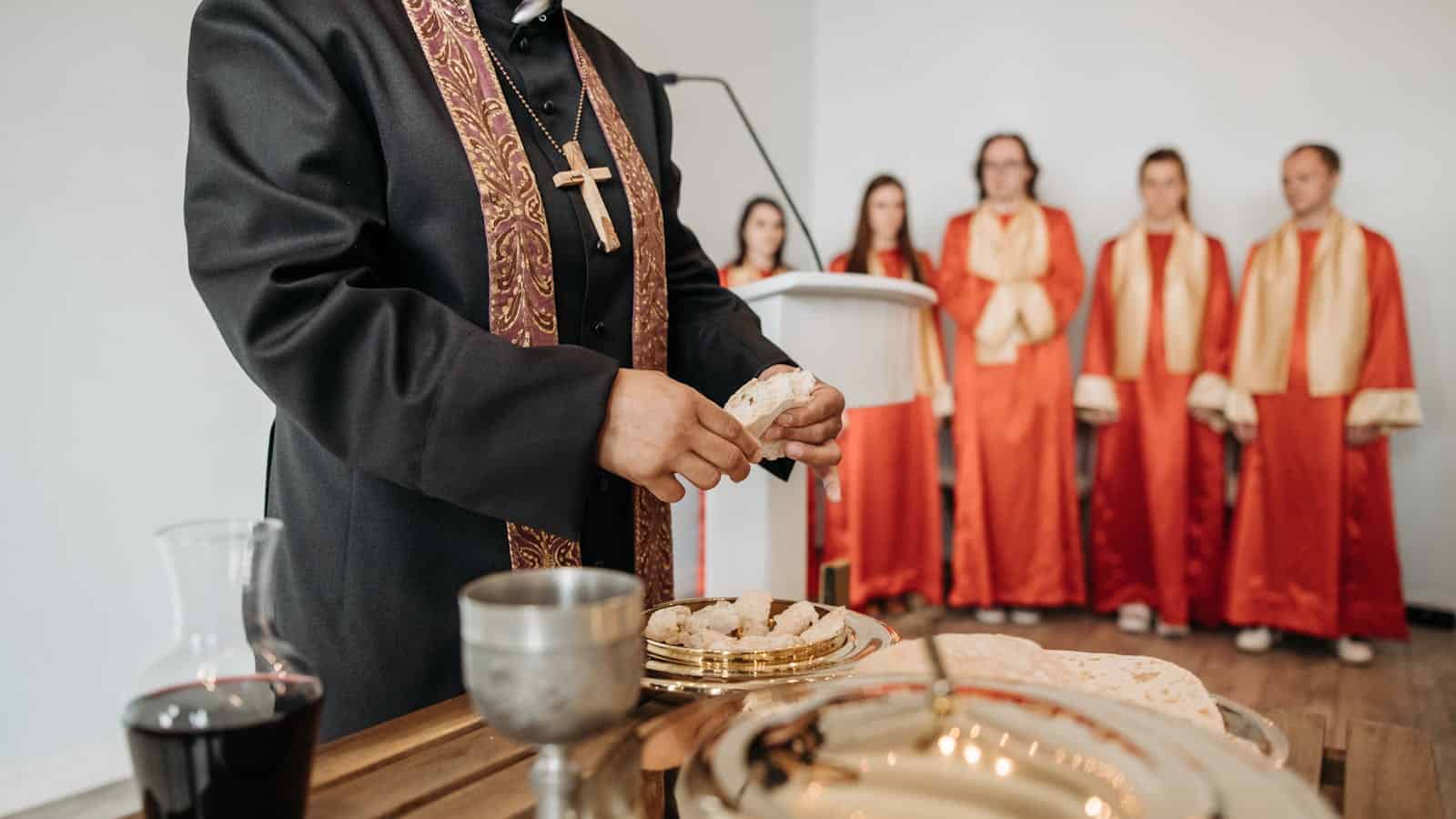
The bread used during the Eucharist might look like a simple wafer in a Catholic Mass, but it tells a deeper theological story. Catholics use unleavened bread, which contains no yeast, to symbolize the Passover bread used at the Last Supper. This results in flat, round hosts familiar to anyone who has attended a Mass.
Orthodox Christians use leavened bread that has risen, which they believe symbolizes the resurrection and the living presence of Christ. During their Divine Liturgy, the priest places cubes of this bread into a chalice of wine and gives it to the faithful with a spoon. It is a much more tactile and sensory experience compared to the Western practice.
Views On Sin
The way these two churches understand the condition of humanity fundamentally shapes their theology of salvation. Catholics hold to the doctrine of Original Sin, believing that all humans inherit the guilt and stain of Adam’s first transgression. This view often emphasizes a legalistic need for repayment or satisfaction of divine justice.
The Orthodox perspective differs slightly and refers to this concept as “Ancestral Sin” rather than “Original Sin.” They believe humans inherit the mortality and consequences of Adam’s sin, but not his personal guilt. This leads to a focus on healing the soul from sickness rather than paying a legal debt to a judge.
Visuals And Statues
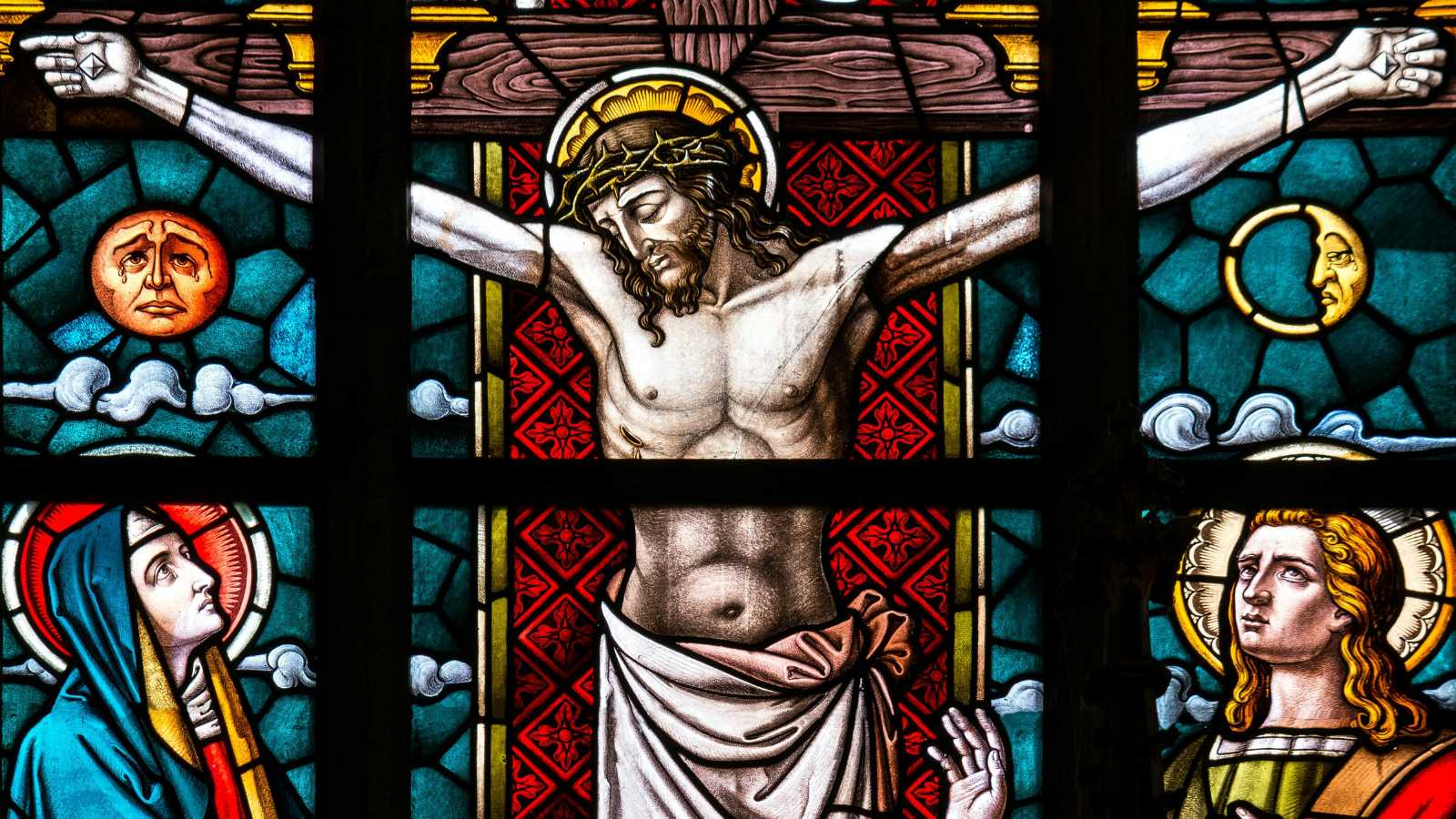
Walk into a Catholic cathedral, and you will likely see three-dimensional statues of saints, Mary, and Jesus adorning the alcoves. The Catholic tradition has a long history of using lifelike statues to help the faithful focus their prayers and devotion. These realistic depictions are a staple of Western religious art and architecture.
You will almost never find a statue in an Orthodox church, as they use only two-dimensional icons. Orthodox theology holds that icons are “windows to heaven,” and their flat style is intentional to avoid idolatry. According to Pew Research, the Orthodox population in the U.S. is small at less than 1%, but their distinct visual style is instantly recognizable.
Length And Style Of Service
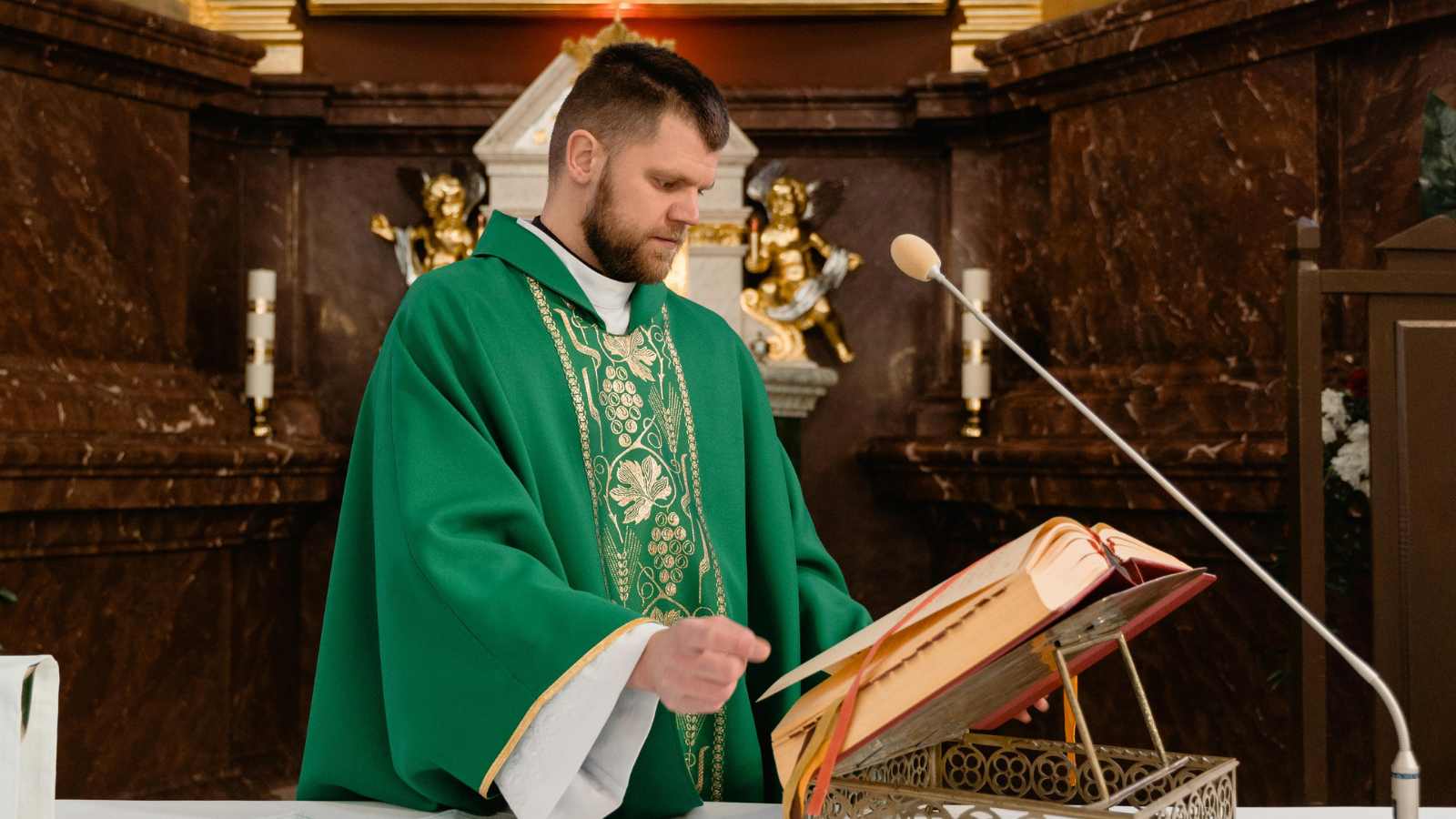
A standard Sunday Mass at a Catholic church is usually a streamlined affair that lasts about an hour. The service is often spoken rather than sung and includes a variety of hymns, often accompanied by instruments such as organs or guitars. It is designed to be accessible, which fits the 20% of U.S. adults who identify as Catholic.
The Orthodox Divine Liturgy is a marathon of prayer that can easily last over two hours and is almost entirely sung. The congregation stands for most of the service, and the atmosphere feels ancient and otherworldly compared to the modern West. With more U.S. Orthodox Christians likely to be immigrants, the services often retain a strong “Old World” cultural feel.
Baptism And Confirmation

In the Catholic Church, the sacraments of initiation are usually spread out over a period of years as a child grows up. Babies are baptized young, but they typically do not receive Confirmation or First Communion until they reach the age of reason. This separation allows for catechism classes and intellectual preparation.
The Orthodox Church administers Baptism, Chrismation (Confirmation), and Communion to infants at the same time. They believe that grace is a gift from God that is fully effective without intellectual understanding. A tiny baby in the Orthodox Church is a full member who receives the Eucharist every Sunday from infancy.
Divorce And Remarriage

The Catholic Church takes a very hard line on the indissolubility of marriage and does not religiously recognize divorce. Catholics who divorce and remarry without an annulment are generally barred from receiving Communion. This strictness leads to complex navigational challenges for many modern believers.
Orthodox Christianity sees marriage as eternal but acknowledges that human weakness can sometimes break that bond. Bishops may grant an ecclesiastical divorce and allow a second or third marriage out of mercy and “economy” for the believer’s salvation. It is a more flexible approach that contrasts with the legal rigidity of the West.
Like our content? Be sure to follow us