12 things women admit they never liked but felt expected to do
Many everyday choices associated with femininity are not experienced as pure preference, but as negotiated compliance with social visibility. What appears as style, etiquette, or self-care often functions as a set of informal requirements, where deviation carries reputational, professional, or relational costs that are rarely made explicit.
According to a study published in The Leadership Quarterly by Victoria L. Brescoll (2016), deviations from expected gender-coded presentation and communication norms consistently correlate with measurable penalties in perceived competence, likability, and economic reward.
These effects are rarely explicit or formally enforced, yet they accumulate through everyday interactions, shaping what feels optional versus what feels necessary.
High heels

70% of women who wear high heels daily suffer from chronic foot pain, according to data from the American Podiatric Medical Association. This discomfort persists despite a global market for high-heeled footwear projected to reach roughly thirty billion dollars by 2030.
The aesthetic elevation serves a social function rooted in the signal of femininity, a concept explored by sociologist Elizabeth Semmelhack in her cultural history of the shoe. While the footwear alters the pelvic tilt and creates a more pronounced spine curvature, a posture historically associated with attractiveness, it physically compromises the wearer.
Long-term use actually shortens the calf muscles and thickens the Achilles tendon, making the flat-footed gait uncomfortable over time. Interestingly, a counterpoint exists in the realm of power dynamics: that height increases perceived authority in professional settings. This creates a friction between biological health and the pragmatic pursuit of social capital. The expectation to endure pain for stature remains a lingering vestige of gendered dress codes that prioritize the visual silhouette over musculoskeletal integrity.
Elaborate weddings

The average cost of a wedding in the United States has climbed to approximately $33,000, yet a study by Emory University economics professors Andrew Francis-Tan and Hugo M. Mialon found a negative correlation between wedding spending and marriage duration.
Specifically, women whose weddings cost more than twenty thousand dollars were 3.5 times more likely to divorce than those who spent between five and ten thousand. This financial pressure often stems from the perfection industry, a term critics use to describe the relentless marketing of the big day.
Many women admit the process feels less like a celebration of partnership and more like a high-stakes production for external validation. Conversely, these elaborate rituals serve as essential social bonding events that reinforce community ties and family support networks.
Changing their last names

Analysis by The New York Times indicates that about 20% of women married in recent years have kept their maiden names, a significant rise from the mere 2% recorded in the 1970s. Despite this shift, the majority continue to adopt their husband’s surname, often citing the desire for a unified family identity as a primary motivator. This choice often masks a deep-seated reluctance; many women view their original name as a core part of their professional and personal history.
The legal and administrative burden of changing passports, bank accounts, and professional licenses creates a systemic friction that falls almost exclusively on women. Author Jill Lepore has documented the historical roots of this practice in coverture, a legal doctrine in which a woman’s legal rights were subsumed under those of her husband.
While many modern couples view the name change as a romantic gesture of togetherness, sociologists observe that it maintains a patrilineal structure that invisibly erases the woman’s lineage. This tension persists because the social cost of bucking the trend, such as explaining different last names to school administrators or travel officials, often outweighs the personal desire to retain the name.
Wearing makeup daily

The global cosmetics industry generates over $500 billion annually, as the average woman spends roughly 15 months of her life applying makeup. This daily ritual is often framed as self-care or empowerment, yet psychological studies from Abertay University suggest that both men and women perceive faces with heavy makeup as having less leadership potential and less trustworthiness.
There is a non-obvious tension here: women feel expected to wear makeup to appear professional and put-together, yet doing so can inadvertently trigger subconscious biases about their competence.
The Pink Tax extends beyond the shelf price of products to include the time tax required for application and removal. In contrast, some psychologists argue that makeup serves as psychological armor, boosting confidence through a controlled self-image.
This perspective, however, overlooks the reality that for many, the practice is a defensive necessity to avoid being asked if they are tired or ill when appearing with a natural face. The normalization of filtered and enhanced images on digital platforms has further shifted the baseline of what constitutes an acceptable public appearance, making the absence of makeup feel like a radical act of non-conformity.
Traditional gender roles in dating

Despite the rise of progressive social values, a vast majority of heterosexual women still prefer men to initiate the first move and pay for the first date. This adherence to traditional scripts often contradicts their stated long-term desire for equality.
Many women admit they find the choreography of the first date exhausting, yet they fear that deviating from the norm will make them appear too aggressive or desperate. The psychological concept of benevolent sexism plays a role here, where traditional chivalry is accepted because it feels rewarding, even though it reinforces a power imbalance.
Interestingly, data from dating apps like Bumble, which requires women to message first, shows a high rate of user burnout among women who find the burden of initiation heavy. This suggests that while the old rules are disliked for being restrictive, the lack of a new, universally accepted social script creates a different kind of anxiety.
The expectation of playing a passive role in the early stages of romance often conflicts with the assertive, independent identities women cultivate in their professional lives, creating cognitive dissonance that remains largely unaddressed.
The obsession with youth

The anti-aging market is expected to reach over $100 billion by 2033, driven by a cultural narrative that views the natural biological process of aging as a condition to be cured. Women are disproportionately targeted by this narrative; a Reuters analysis of media imagery found that women over fifty are significantly underrepresented compared to their male counterparts.
Many women admit to feeling a sense of invisible expiration, where their social and professional value diminishes as they age. This pressure leads to the normalization of cosmetic procedures like Botox and fillers, often started in one’s twenties as preventative measures.
Author Naomi Wolf famously described this in The Beauty Myth, arguing that as women gained more legal and professional power, the pressure to adhere to unattainable physical standards increased as a form of social control.
On the other hand, a growing movement of pro-aging advocates argues that the visible signs of time represent wisdom and lived experience. Yet, the economic reality remains that youth is a form of currency in many industries, and the choice to age gracefully, meaning without intervention, is often met with subtle social penalties or professional marginalization.
Small talk at social events

Neuroscientific research suggests that deep, meaningful conversations are more closely linked to human happiness than brief social pleasantries, yet social norms dictate a high volume of small talk. Women, often socialized to be the emotional glue of a room, frequently bear the burden of maintaining these light interactions to ensure everyone feels comfortable.
This emotional labor involves managing one’s own feelings and expressions to influence others’ emotional states. Many women report that these exchanges feel draining and superficial, preferring the raw honesty of closer connections.
However, the risk of being perceived as cold or unapproachable often forces them into a cycle of polite inquiry and agreeable nodding. Statistics from workplace surveys indicate that women who engage in less social grooming are often rated lower on likability, even if their performance is superior.
This creates a mandatory performance of friendliness that prioritizes social harmony over personal authenticity. The exhaustion felt after a networking event or a party is often not from the social interaction itself, but from the constant calibration required to stay within the boundaries of pleasantness.
Thong underwear
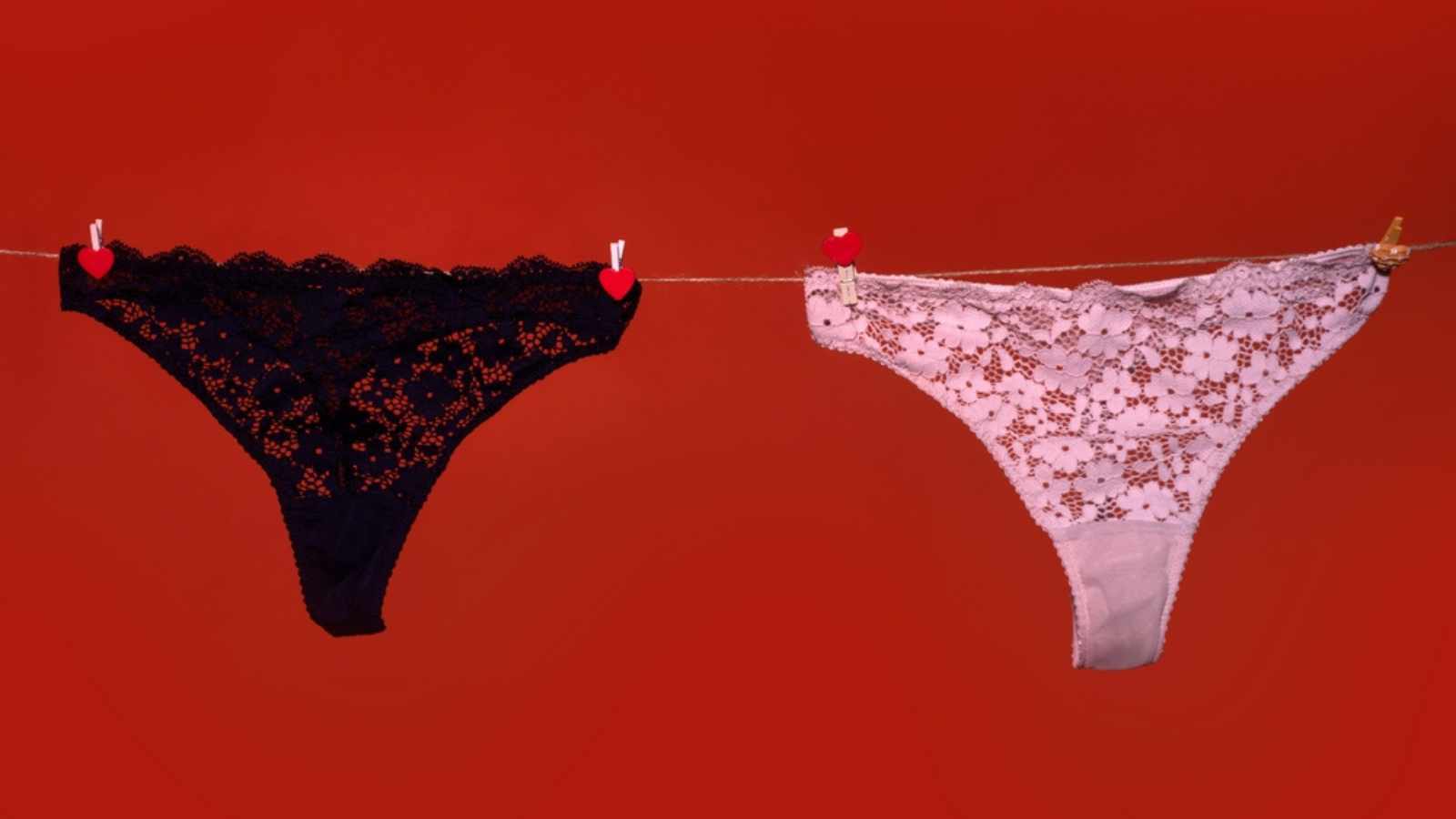
For decades, the thong was marketed as a necessity to avoid panty lines, a social faux pas that women felt a deep pressure to avoid. This minor aesthetic detail dictated the choice of a garment that many find physically irritating and that some gynecologists discourage due to the increased risk of bacterial transfer.
The expectation to prioritize a seamless silhouette over physical comfort is a prime example of the male gaze being internalized by female consumers. Interestingly, some fashion historians note that the thong became a symbol of liberation and body positivity in the 1990s and early 2000s, framed as a way for women to feel sexy in their own skin.
This perspective is challenged by the simple physical reality of the design, which many women admit they wore only because they thought they were supposed to. The recent rise in the popularity of granny panties and boy-cut briefs among younger generations suggests a collective rejection of the idea that underwear must be invisible or provocative to be valid.
Diet culture and restricted eating

The weight-loss industry is worth over $70 billion in the United States alone, yet long-term studies from UCLA indicate that up to 95% of diets fail to produce permanent weight loss. Women are the primary consumers of these products, often motivated by a social climate that equates thinness with discipline and moral worth.
Many admit they have spent years in a state of semi-starvation, ignoring biological hunger cues to fit into a specific dress size. This internal struggle is often masked as a pursuit of wellness, a term that critics argue is frequently used as a sanitized version of diet culture. There is a sharp tension between the body-neutrality movement and the biological reality of set-point theory, which posits that the body has a natural weight range it fights to maintain.
Dieting provides a sense of control and community, but the psychological toll is high, with a strong link between chronic dieting and the development of eating disorders. The expectation to be effortlessly thin creates a reality where women feel they must hide the effort, shame, and restriction that goes into maintaining a socially approved physique.
Shaving and body hair removal
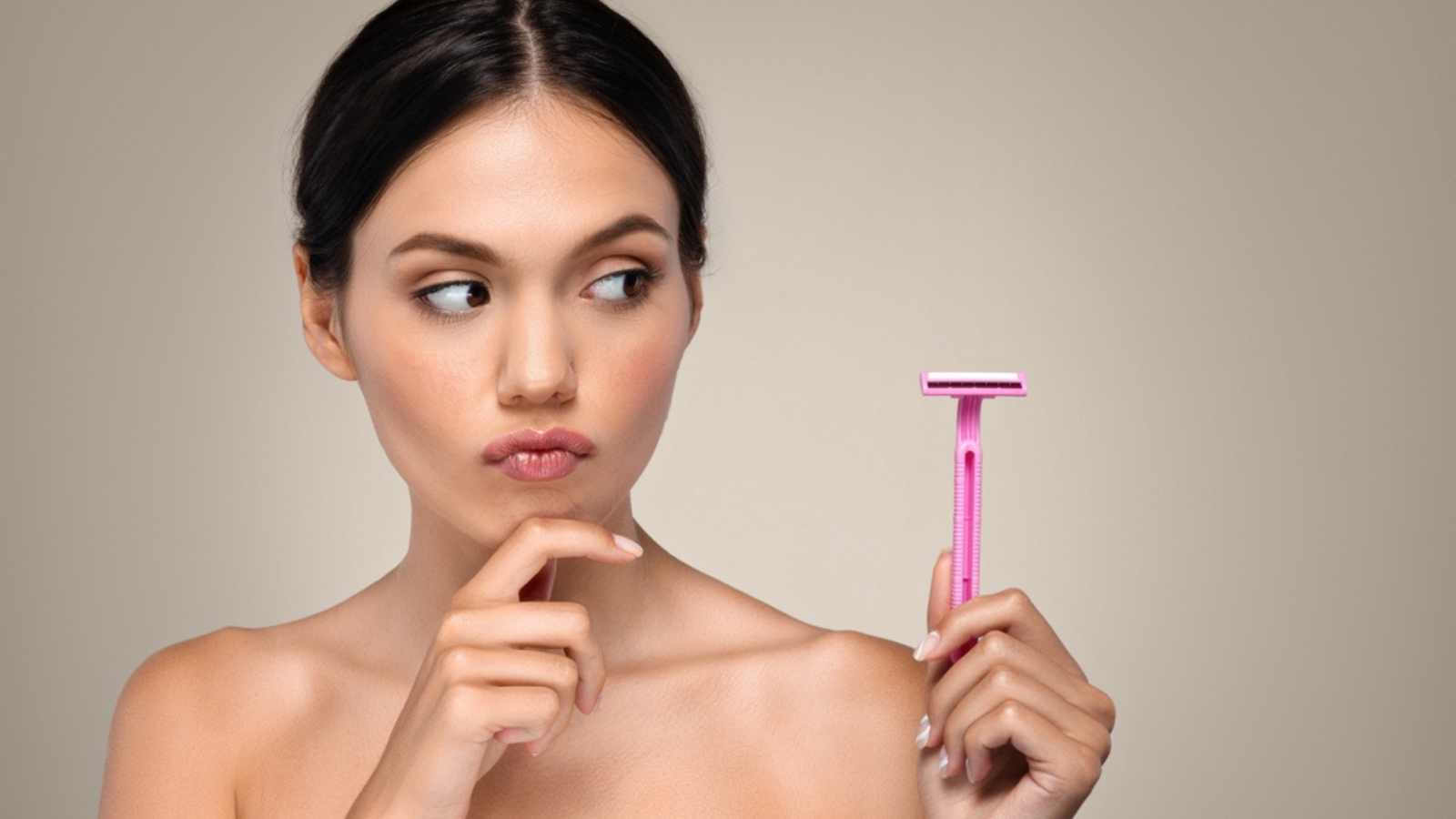
The average woman spends over $10,000 and roughly 2 months of her life on hair removal. The total absence of body hair has become a baseline requirement for femininity in many Western cultures, a standard that intensified with the rise of photography and sleeveless fashions in the early twentieth century.
Many women admit they find shaving, waxing, and epilating tedious and uncomfortable, yet the social stigma associated with visible leg or underarm hair remains potent. Women who deviate from these grooming norms are often viewed as less attractive and even less hygienic, despite the lack of a medical basis for hair removal.
Some women have begun to embrace their natural hair as a form of bodily autonomy, using it as a visual protest against rigid beauty standards. However, the majority still feel a reflexive need to apologize if they haven’t shaved before a doctor’s appointment or a gym session. This reveals how deeply the expectation has been internalized, transforming a personal grooming choice into a mandatory performance of cleanliness.
Being the primary household manager

Even in households where both partners work full-time, the Bureau of Labor Statistics consistently finds that women do significantly more housework and childcare than men. This includes the mental load: the invisible task of planning, organizing, and remembering all the small details that keep a household running.
If a child forgets their lunch or a thank-you note isn’t sent, the social judgment typically falls on the mother, not the father. This expectation is rooted in the nineteenth-century separate spheres ideology, which designated the home as a woman’s natural domain. While some argue that women are naturally better at multitasking, cognitive scientists suggest this is a myth born of necessity rather than biology.
The result is a state of chronic time poverty, where women have less leisure time than men and higher rates of burnout. The pressure to maintain a perfect home while also pursuing a career creates a dual burden that many women endure simply because it is the path of least resistance in a society that still expects them to lead the domestic front.
Staying silent to be polite

Research by Deborah Tannen on linguistic patterns has shown that women are more likely to use hedging language and apologetic openers, such as ‘I’m sorry, but…,’ or ‘I just think…,’ to avoid appearing confrontational. This socialized politeness often masks a deep frustration with being interrupted or talked over in professional and social settings.
The fear of being labeled difficult or aggressive acts as a powerful silencer. Conversely, some organizational psychologists suggest that this collaborative communication style can be an asset in team environments, fostering a more inclusive atmosphere. However, this ignores the personal cost of the woman whose ideas are co-opted or ignored because she didn’t speak with enough authority.
The tension between being liked and being heard is a constant negotiation for many women, who feel forced to prioritize the group’s comfort over their own voice. The transition toward more assertive communication often requires a conscious unlearning of decades of social conditioning that equates femininity with silence and compliance.
Key Takeaways

- Many of the behaviors discussed are shaped less by personal preference and more by recurring social expectations that attach rewards to conformity and subtle penalties to deviation.
- Across domains such as appearance, communication, relationships, and domestic roles, compliance often serves to maintain social ease, credibility, or acceptance.
- The persistence of these practices is not necessarily driven by explicit pressure, but by the accumulation of small costs of non-conformity in everyday interactions.
- What appears to be an individual choice is often shaped by external evaluation systems that influence perceptions of attractiveness, competence, and respectability.
- Understanding these patterns requires focusing less on isolated habits and more on the underlying incentive structures that shape them across contexts.
Disclaimer – This list is solely the author’s opinion based on research and publicly available information. It is not intended to be professional advice.
Like our content? Be sure to follow us