10 key differences between the Christian faith and other religions
Step inside Christianity and you’ll quickly notice it feels less like a checklist to complete and more like a relationship you’re invited into.
Walking into a church often feels different than stepping into a temple or mosque because the atmosphere carries a distinct weight. You might notice the focus isn’t just on rituals but on a personal story that connects the divine to the daily grind of life. It is like entering a conversation that has been ongoing for centuries and realizing there is a seat reserved just for you. This sense of welcome is central to understanding what sets this faith apart from other spiritual traditions.
Many people assume that all religions are essentially the same mountain with different paths, but that view overlooks the specific contours of the Christian landscape. While most faiths offer a ladder to climb toward perfection, Christianity suggests that the mountain itself came down to meet us. It flips the script on human effort and provides a narrative that is less about what you do and more about what has been done for you. Understanding these differences helps us see why this worldview has shaped so much of history.
Salvation is a gift, not a wage
Most spiritual systems operate on a transactional basis, where your good deeds buy you a ticket to a better afterlife or a higher state of being. It makes sense to our human logic because we are used to earning our keep in everything from our jobs to our relationships. The Christian faith breaks this mold by insisting that salvation is a gift you accept rather than a paycheck you earn.
This concept of grace is radical because it removes the burden of constant performance and allows people to breathe. You do not have to wonder if your balance sheet is in the black or if you have tipped the scales enough to satisfy the divine. Instead of working for approval, believers work from a place of already being approved and loved.
The Concept Of God As A Trinity

The idea of one God is common in monotheism, but the Christian view adds a layer of depth that can be hard to grasp. They believe in one God who exists eternally as three distinct persons: the Father, the Son, and the Holy Spirit. This means that at the very center of the universe, there is a relationship rather than a solitary figure.
It suggests that love is not merely something God does but is fundamentally who God is in his own nature. This community within divinity explains why human beings are so wired for connection and community. We are made in the image of a communal God, which is why isolation feels so foreign to our souls.
God Becoming Human In History
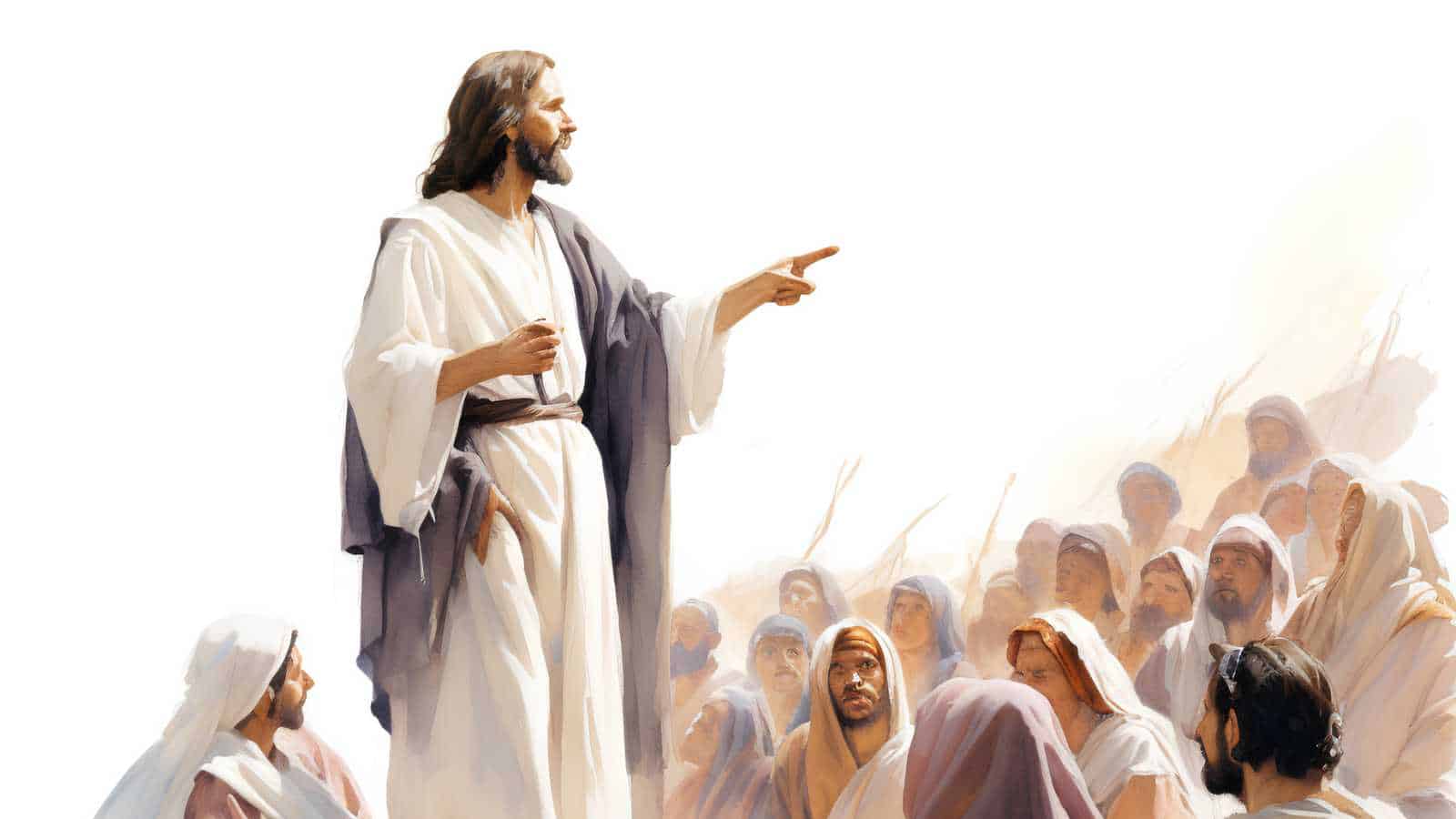
In many religions, the divine sends a messenger or a book to guide humanity onto the right path from a distance. Christianity claims that God actually became a human being, walked on our dirt roads, and ate our food. The Incarnation means the creator of the galaxies knows precisely what it feels like to have a blister or a broken heart.
This historical grounding makes the faith falsifiable in a way that abstract philosophies are not. It ties the divine nature to a specific time and place, specifically first-century Judea, rather than a mythical realm. According to Lifeway Research, this tangible reality contributed to the faith’s growth, with 2.64 billion people worldwide adhering to the faith.
The Resurrection Is Physical

While some traditions speak of a spiritual afterlife or reincarnation into a new body, Christians believe Jesus rose physically from the grave. This was not a ghost story or a metaphor for hope surviving despair, but a claim about a biological reality. The empty tomb is the cornerstone of the Christian worldview.
This belief in physical restoration promises that the material world matters and will be redeemed rather than discarded. It offers a hope that our bodies and our physical surroundings are part of the eternal plan. A recent Gallup poll indicates that, even today, 37% of Americans believe that God created humans in their present form, reflecting continued trust in divine physical intervention.
The Bible Is A Library, Not Just A Book

You might think of their holy text as a single book dictated by an angel, but it is actually a library written by over 40 authors. These writers ranged from kings and fishermen to doctors and shepherds, and they wrote over a period of 1,500 years. This diversity of voices creates a rich tapestry that reflects God speaking through different personalities and cultures.
Despite this variety, the writings maintain a cohesive narrative that points toward a single redemptive climax. It is less like a rulebook dropped from the sky and more like a curated collection of historical documents and letters. Barna Group data from 2025 indicate a resurgence in interest, with weekly Bible reading among U.S. adults rebounding to 42% after a prior dip.
Treatment Of Sin As A Condition

Society often views misbehavior as a mistake or a lack of education that can be remedied through better training. Christianity diagnoses the human problem as a condition of the heart that affects our desires and motivations. It argues that we are not sinners because we sin, but rather that we sin because we are broken within.
This perspective shifts the focus from behavior modification to the need for an internal transformation or a new heart. It explains why even the best people struggle with selfish thoughts and why external rules often fail to change us. The solution offered is a spiritual surgery rather than just a better set of instructions to follow.
Certainty Of The Future

In many belief systems, you never really know where you stand until the final judgment day arrives. You hope your good outweighs your bad, but you live with a low-level anxiety about your eternal status. Christianity offers the assurance that you can know your destiny right now based on the promise of Jesus.
This confidence is not based on arrogance about one’s own goodness but on trust in God’s character. It frees believers to serve their neighbors out of gratitude rather than out of fear of punishment. This creates a sense of stability that allows people to confront mortality without the terror of the unknown looming over them.
Suffering Has A Purpose

The problem of pain is a major stumbling block for everyone, but the Christian view offers a distinct angle on suffering. Instead of seeing it as mere karma or an illusion to be transcended, they see it as a tool for growth. They believe that God can use even the worst tragedies to produce character and hope in a person’s life.
This does not mean they enjoy pain, but they believe it is not wasted and that God walks through it with them. It transforms suffering from a meaningless accident into a crucible for spiritual maturity. Open Doors reports that 380 million Christians face high levels of persecution in 2025, yet they often describe this hardship as deepening their faith.
Explosive Growth In Unexpected Places
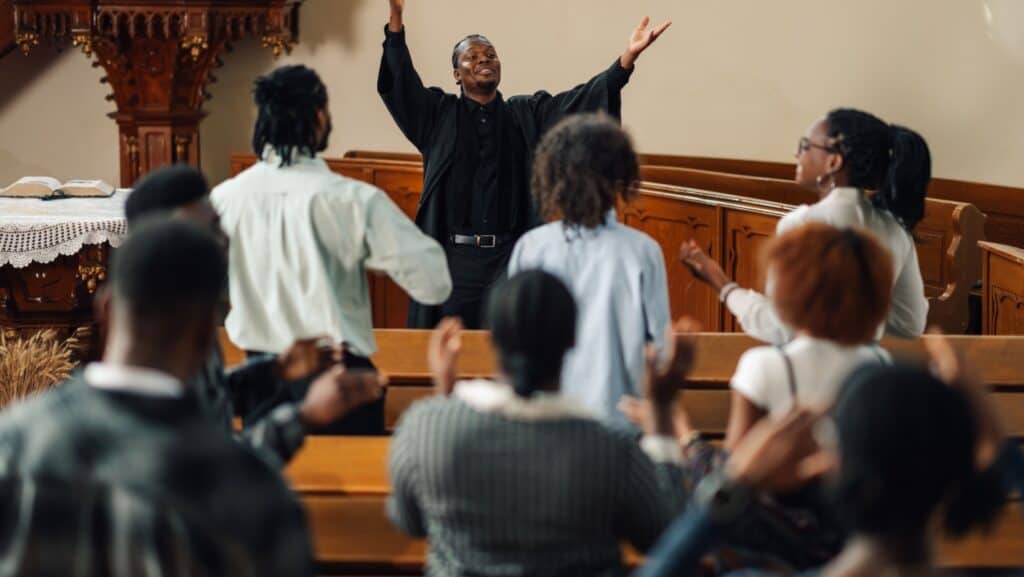
While it is often viewed as a Western religion, the faith’s center of gravity has shifted dramatically toward the Global South. It is no longer merely a European or American phenomenon but a global movement that manifests differently across cultures. The faith has found fertile soil in places that might surprise the average observer.
Africa, for instance, has become a powerhouse of Christian vitality and expansion in the last few decades. The joyous expression of faith there is reshaping how the rest of the world understands worship. According to Lifeway Research, the faith is growing at a rate of 2.59% in Africa, with the continent now home to 750 million believers.
Radical Generosity And Service

The call to love your neighbor is not merely a sentiment but a mandate that drives substantial charitable work. Historically, hospitals, orphanages, and schools were often established by believers motivated by this specific command. This drive to serve is embedded in the faith’s DNA and continues to shape society.
Statistically, this worldview is associated with higher rates of giving and volunteerism overall. It turns the focus outward toward the needs of the community and away from self-preservation. Umf.org reports that data from Giving USA indicate that religious households give approximately 62% of their income to charity, compared with 46% for non-religious households.
15 Things Women Only Do With the Men They Love

The 15 Things Women Only Do With the Men They Love
Love is a complex, beautiful emotion that inspires profound behaviors. We express our love in various ways, some universal and others unique to each individual. Among these expressions, there are specific actions women often reserve for the men they deeply love.
This piece explores 15 unique gestures women make when they’re in love. From tiny, almost invisible actions to grand declarations, each tells a story of deep affection and unwavering commitment.