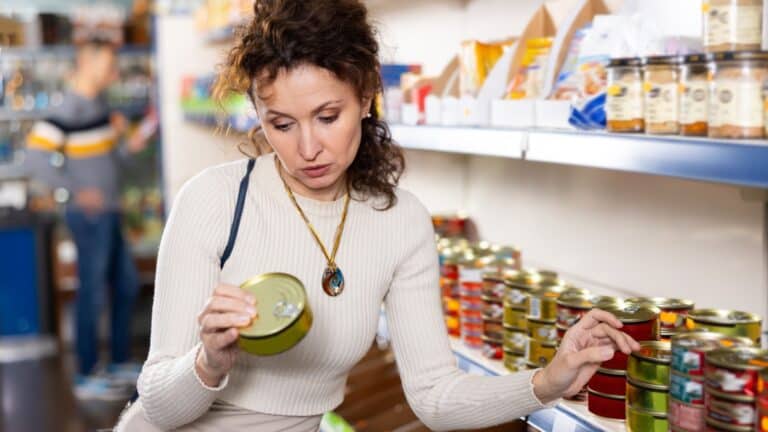
10 kitchen habits older adults still do that would baffle kids today
You might think the generational divide is all about skinny jeans and side parts, but the real battleground is the kitchen. While older generations view the kitchen as a place of sensory intuition and “waste not, want not” grit, younger adults increasingly rely on strict safety data and digital convenience. A recent survey by dating app FindingTheOne highlights this gap, revealing that 42% of Gen Z adults admit they can’t whip up a basic stir-fry, preferring delivery apps over domestic experimentation.
Let’s look at the specific habits that leave modern kids scratching their heads.
Using a manual can opener
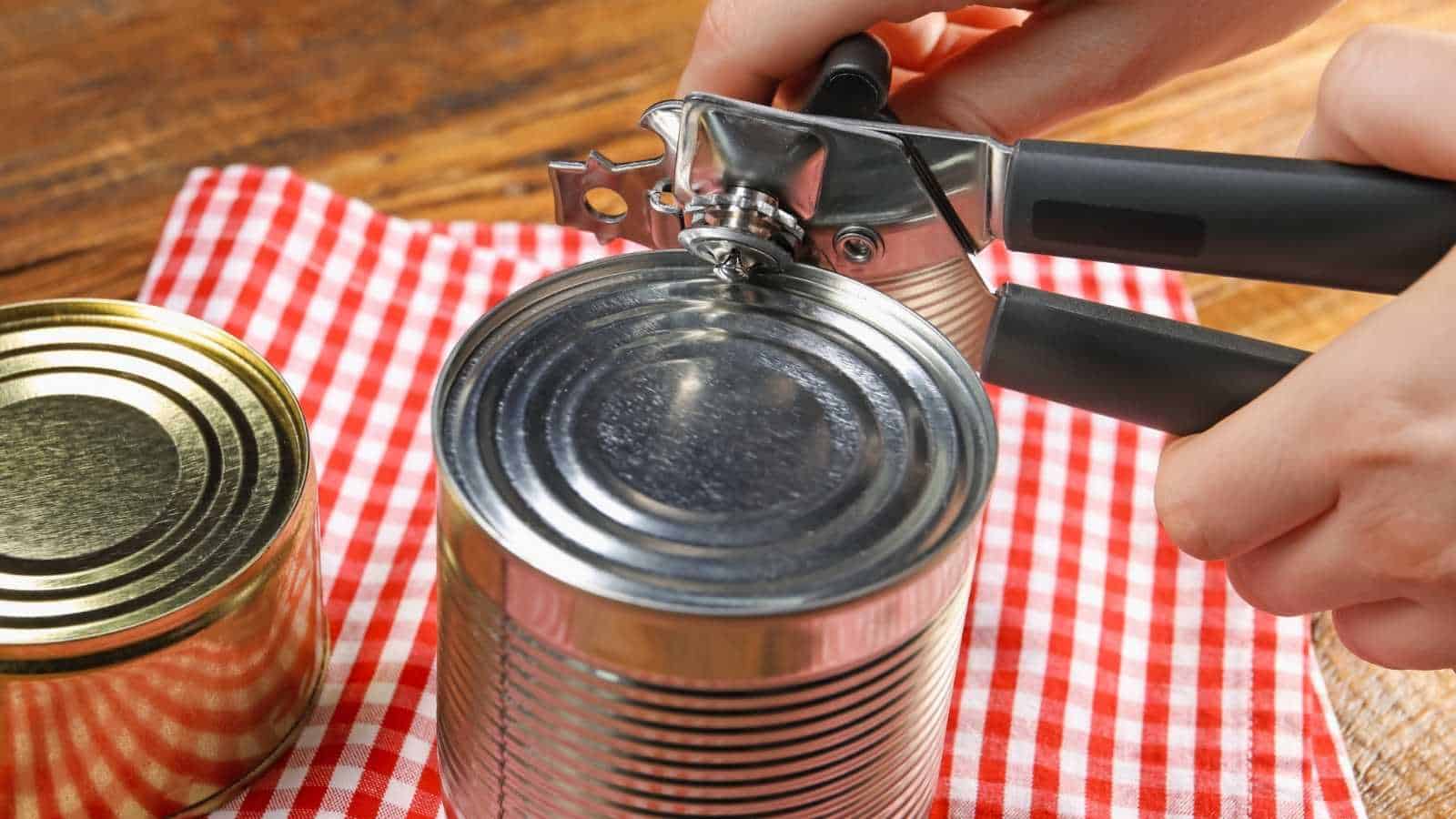
Most of us grew up twisting a rusty handle until our wrists popped, but for Gen Z, the manual can opener is a genuine enigma. NBA star Tyrese Maxey went viral recently for struggling to open a can of dog food on a livestream, shaking the can in frustration before asking if he could just “hit it with a spoon.” This isn’t an isolated incident; it signals a shift in design literacy. With the rise of “ring-pull” lids and fresh-casual dining, many young adults simply never needed to learn this mechanical skill.
The disconnect is real. Older adults view the tool as a survival essential, while younger cooks see it as an unnecessary hurdle to getting their chickpeas. A lack of exposure to “geared” mechanics means the physical coordination required, clamp, twist, and hold, feels foreign to digital natives. If the zombie apocalypse comes and all the cans don’t have pop-tops, the youth might be in trouble.
The “sniff test” vs. strict expiration dates

Watch a Boomer take a carton of milk past its date, give it a confident sniff, and pour it into their coffee. For older adults, sensory input, smell, sight, and taste determine safety. Conversely, Gen Z treats the printed date as a hard cliff. According to a 2025 survey by ReFED, 52% of Gen Z respondents “always or usually” discard food based on the label date, compared to only 32% of Baby Boomers.
This reliance on labels drives massive food waste, yet young people often view the “sniff test” as a dangerous game of bacterial roulette. Experts note that “Best By” dates indicate peak quality, not safety, but 55% of young adults mistakenly believe these dates are federally regulated safety mandates. While your grandma trusts her nose because she survived decades before date labeling became standard, a Gen Z cook sees that printed date as law.
Washing raw chicken in the sink
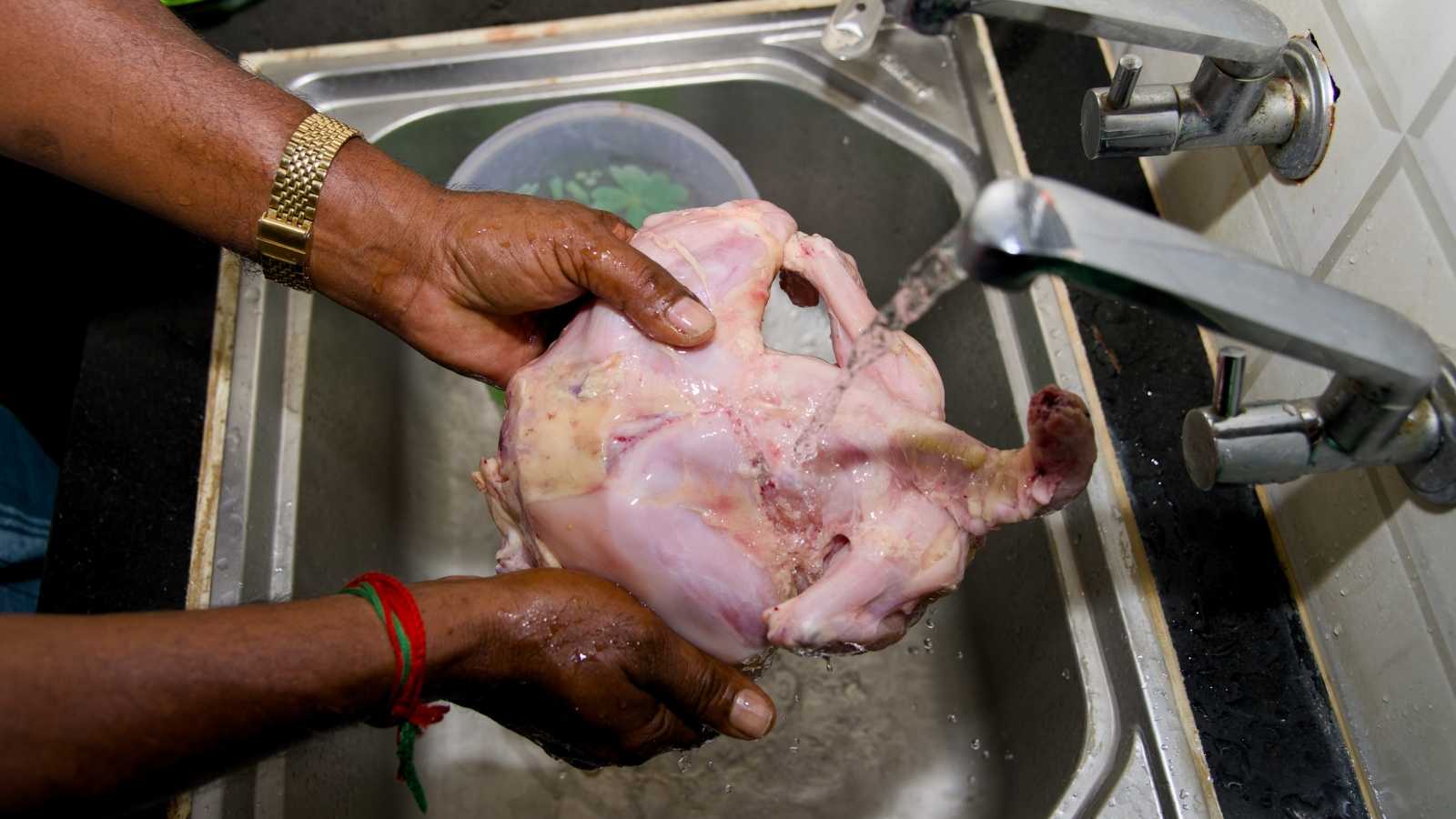
If you want to start a fight at Thanksgiving, ask if you should wash the turkey. For many older cooks, rinsing poultry is a non-negotiable hygiene ritual intended to remove “slime” or debris. However, modern food science calls this a public health hazard. A USDA study found that 60% of participants who washed raw poultry left bacteria in their sinks, and 26% successfully transferred that bacteria to their ready-to-eat salad lettuce.
Gen Z, often hyper-aware of “germ theory” thanks to TikTok science, finds this habit horrifying. Microbiologists explain that washing chicken creates a “splash zone,” aerosolizing pathogens like Salmonella and spreading them up to three feet from the sink. While the older generation scrubs the bird to feel clean, the younger generation trusts the oven’s heat to do the killing and keeps their counters dry to avoid cross-contamination.
Keeping a bacon grease jar on the counter

Spotting a coffee tin or mason jar filled with congealed fat sitting next to the stove is a hallmark of a vintage kitchen. Older cooks prize this “liquid gold” for seasoning greens and frying eggs, a habit born from Depression-era frugality. To a young person raised on heart-healthy vegetable oils and strict refrigeration rules, a jar of animal fat at room temperature looks like a biological weapon.
The baffling part for kids is the safety aspect. While pure fat is relatively shelf-stable, bacon grease often contains protein bits that can go rancid if left out. Food safety experts recommend storing it in the fridge or freezer to prevent spoilage. The younger generation, who often use air fryers or olive oil, can’t grasp why anyone would hoard cholesterol in a warm jar.
Defrosting meat on the counter
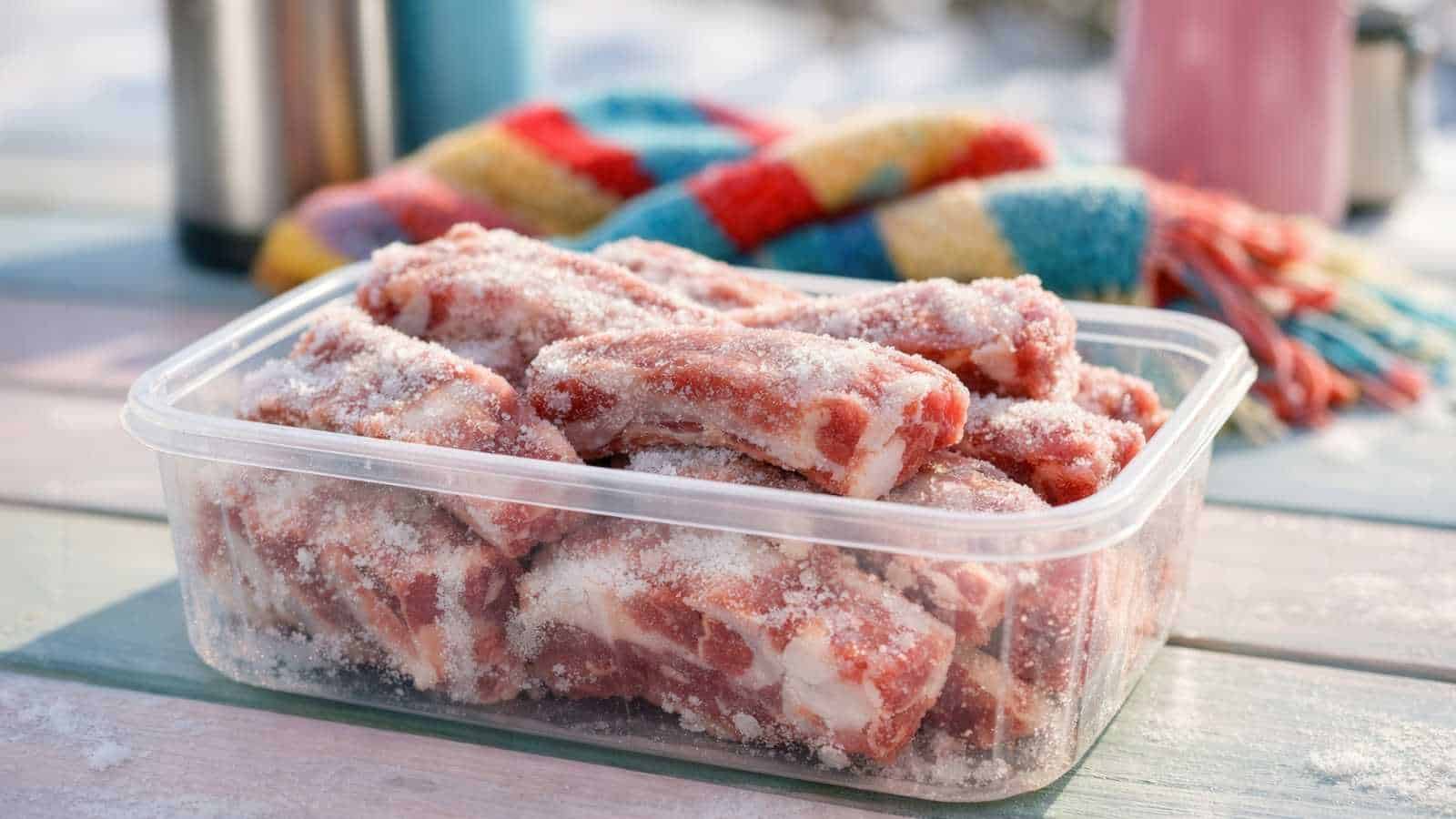
We call this “The Big Thaw”: taking a rock-hard roast out of the freezer at 8 AM and leaving it on the counter until 5 PM. Boomers swear by it for even thawing, but food safety experts call this the “Danger Zone.” Bacteria multiply rapidly between 40°F and 140°F, meaning the surface of that roast becomes a breeding ground long before the center thaws.
For Gen Z, who likely learned to cook from safety-conscious YouTube tutorials, this is reckless. Dr. Kimberly Baker from Clemson Extension explains that room-temperature thawing significantly increases the risk of foodborne illness. Young cooks stick to the fridge, cold water, or the microwave, viewing the countertop method as an unnecessary gamble with dinner.
Ironing sheets and tablecloths
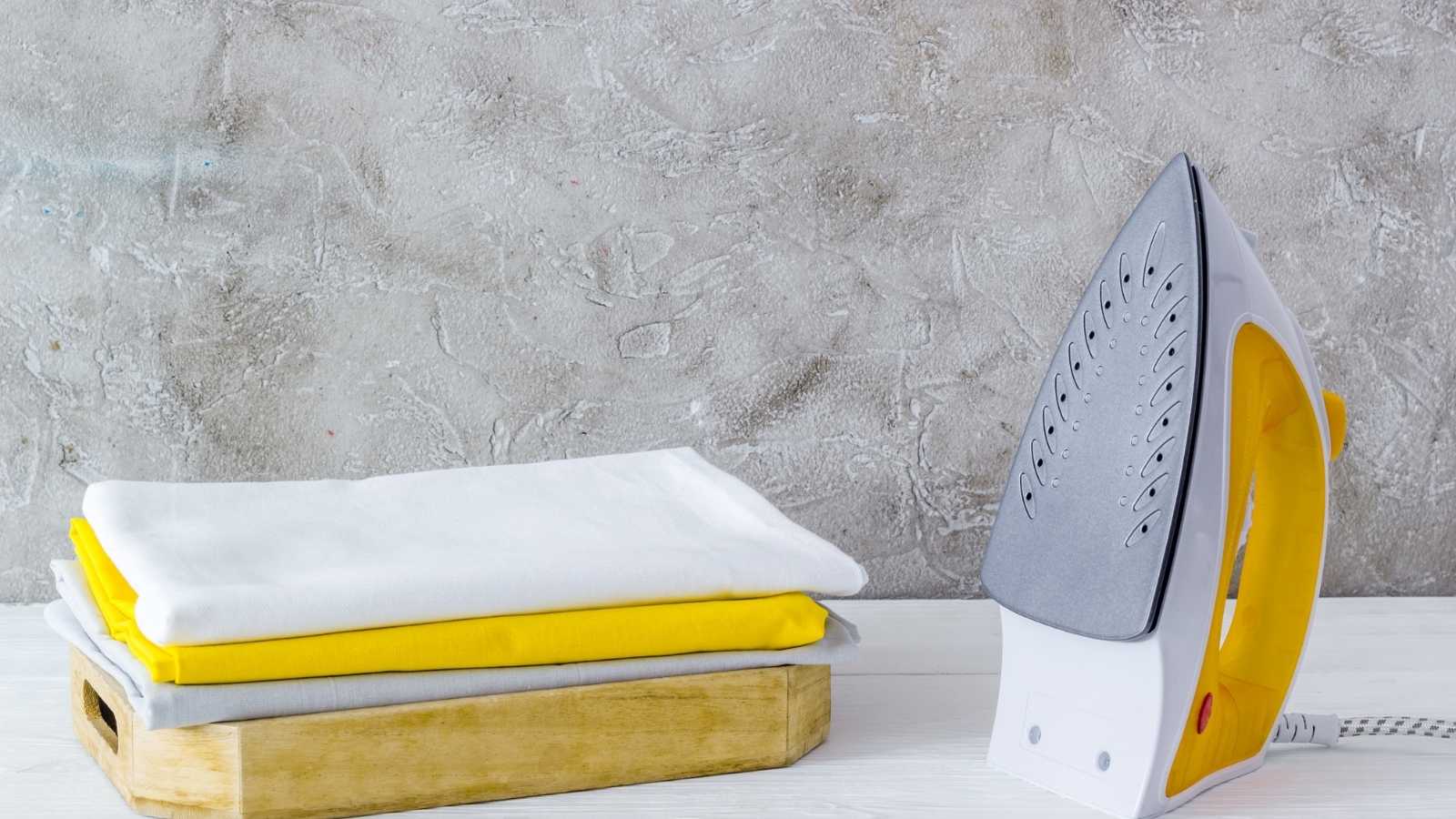
Walk into a modern apartment, and you will likely find a steamer, but you probably won’t find an iron. A poll by the retailer Lakeland found that 30% of young adults aged 18–34 do not even own an iron, compared with 90% among those aged 45+. The idea of spending Saturday morning pressing bed sheets or a tablecloth is completely alien to a generation that embraces “wrinkle-free” synthetics and casual living.
The decline of formal dining plays a huge role here. Who needs crisp damask linens when you eat dinner at a kitchen island or on the couch? For older adults, pressed linens signal a well-kept home; for Gen Z, it signals a waste of precious time. The steamer is faster, easier, and less likely to burn your favorite polyester shirt.
Testing a cake with a broom straw
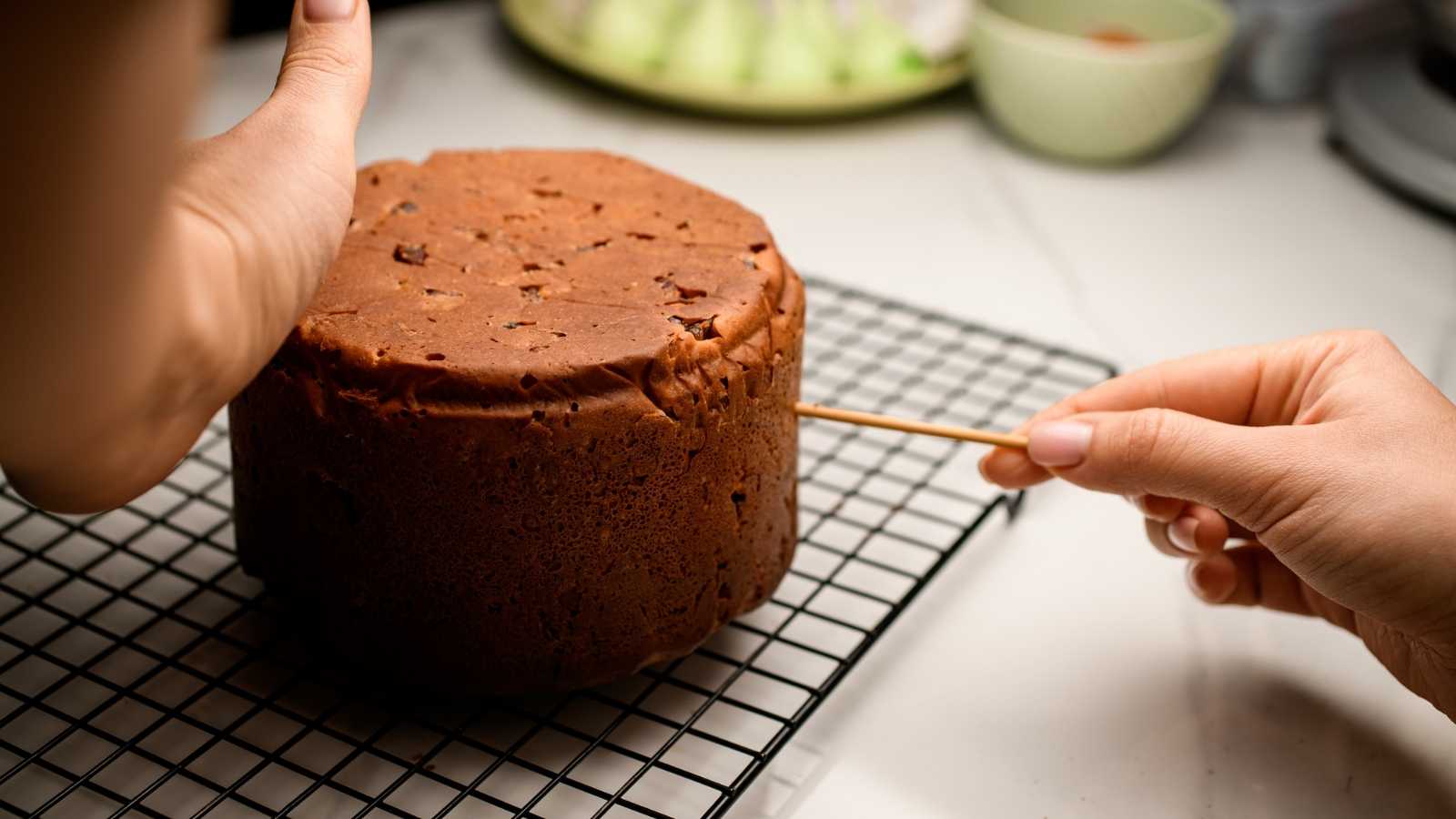
You read that correctly. Some older bakers, particularly from rural backgrounds, pluck a straw from a natural corn broom to test if a cake is done. Historical cookbooks from as early as 1902 recommend this method because the straw’s texture holds batter better than a slippery metal knife. To a modern germ-phobe, pulling a tool from a floor-sweeping device and sticking it into food is the definition of “baffling”.
Even if the broom is “dedicated to baking” (a common defense), the visual is hard to shake. Gen Z relies on toothpicks or precise digital thermometers. The decline of natural corn brooms in favor of plastic swiffers also makes this habit physically impossible for most young households today.
Reusing “single-use” margarine tubs
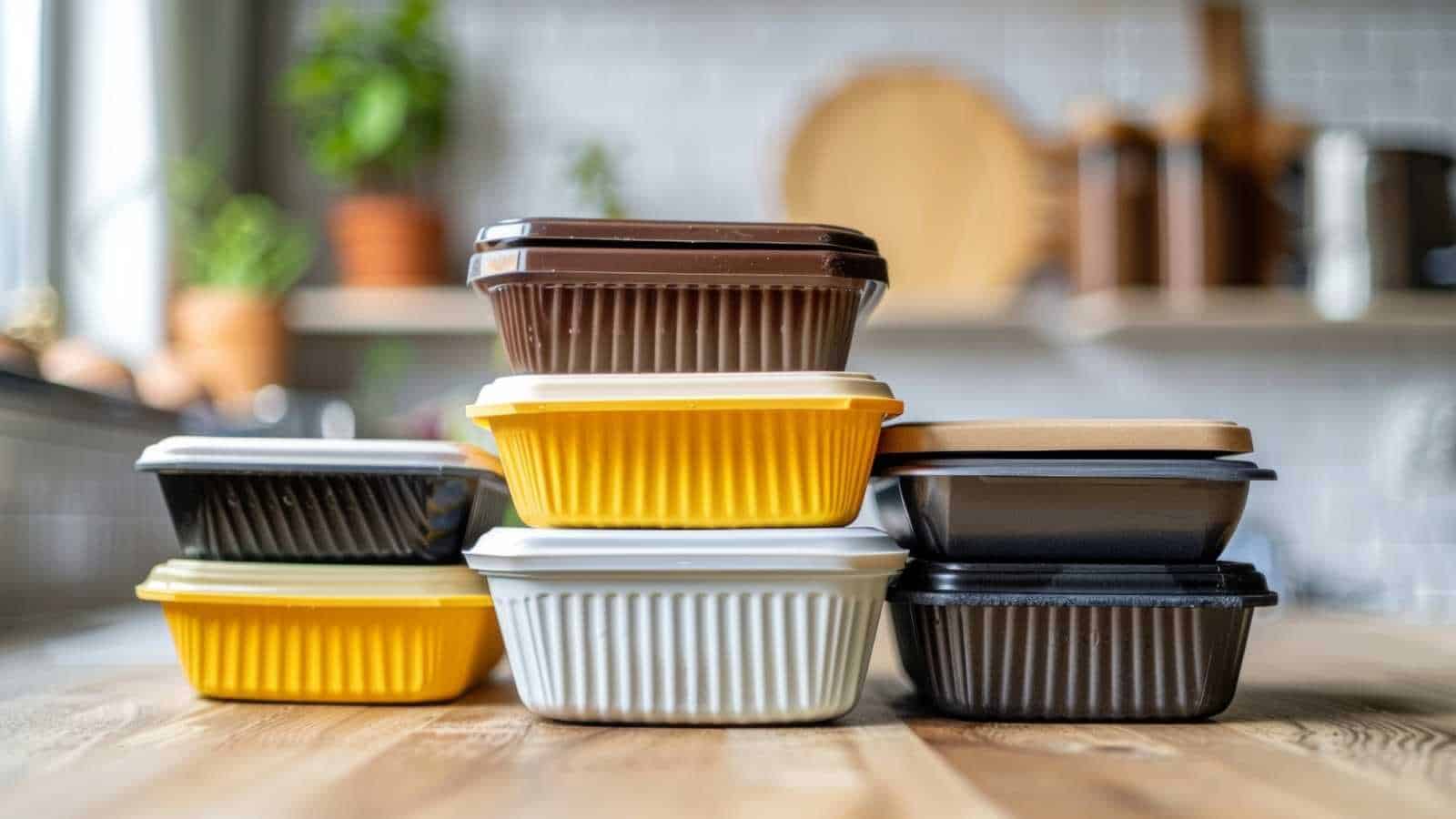
Open a Boomer’s fridge, and you play a game of mystery leftovers: Is that Cool Whip tub actually holding Cool Whip, or is it beef stew? The “Depression mentality” of saving every durable container clashes with modern “chemical anxiety.” Gen Z knows that single-use plastics (often Polypropylene #5) degrade with heat and reuse, potentially leaching chemicals like BPA or microplastics into food.
Research indicates that microwaving these tubs breaks down the polymer matrix, increasing chemical migration. Younger generations prefer glass or high-quality silicone containers that are “aesthetic” and chemically inert. They view the tower of stained margarine tubs not as thrifty, but as a toxic clutter trap.
Sifting flour
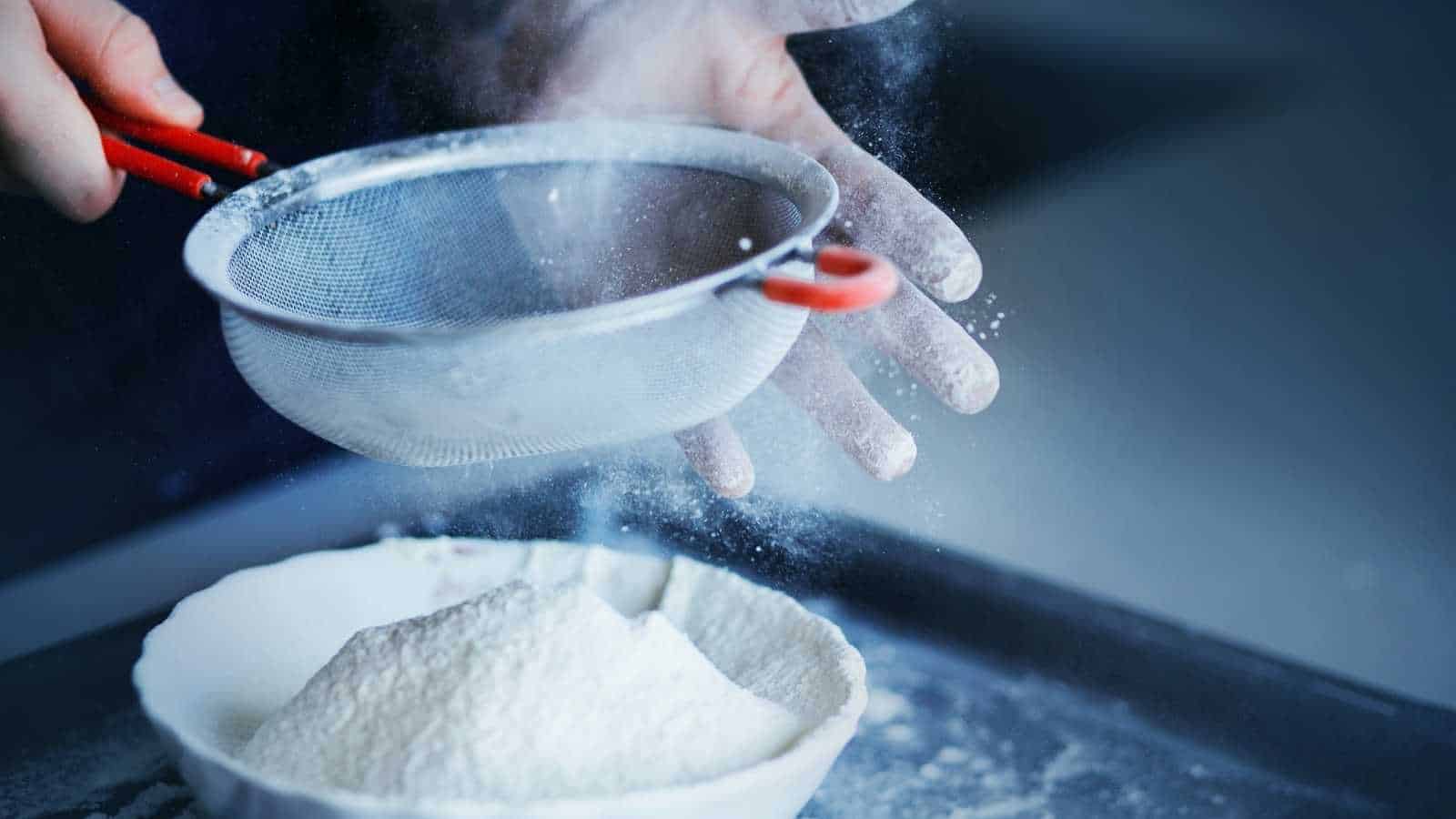
Watch a TikTok baking video, and you’ll see the baker dump flour straight from the bag to the scale. Older recipes religiously call for sifting to remove bugs, hulls, and lumps, problems common in the milling of the past. Modern commercial flour is refined and uniform, making sifting largely obsolete for hygiene purposes.
Culinary experts note that sifting is now mostly about aeration for specific, delicate cakes like angel food, but for general baking, it’s a skipped step. The baffling part for Gen Z is the bulky mechanical sifter itself, a single-use tool that takes up drawer space they don’t have. Weighing ingredients on a digital scale is the modern “sift,” offering accuracy without the mess.
Polishing silver and hoarding fine china
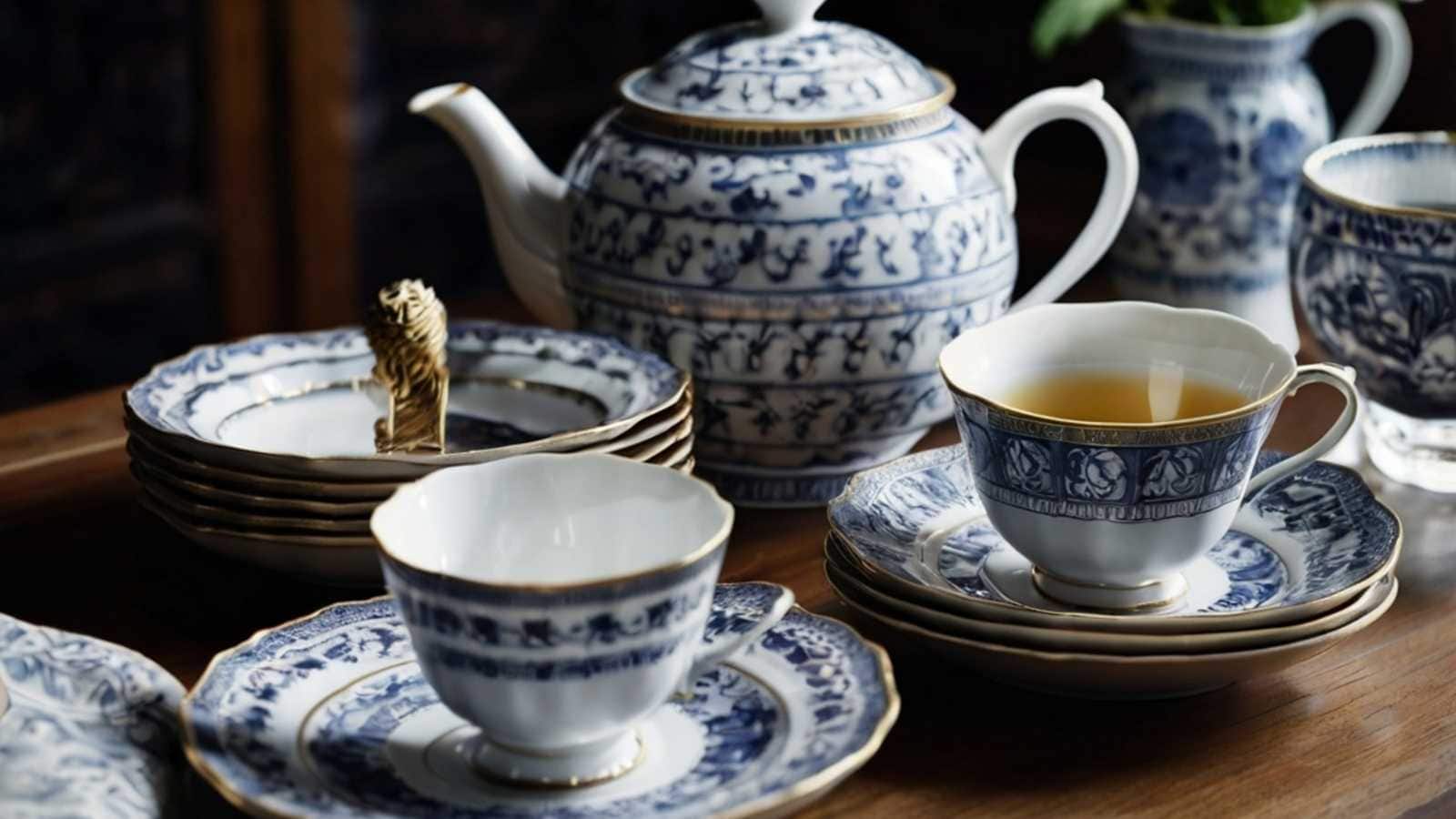
The china cabinet is the mausoleum of the modern dining room. Older generations viewed fine china and sterling silver as essential markers of adulthood and status. Today, only 15% of couples register for formal table settings, preferring everyday stoneware that can survive a dishwasher.
The bafflement here is economic and spatial. Gen Z moves frequently and lives in smaller spaces; they don’t want to haul heavy boxes of plates that they can’t microwave. The ritual of polishing silver is seen as performative labor for a lifestyle (formal dinner parties) that no longer exists. They’d rather spend that money on an experience or a high-tech blender.
Key Takeaway

These kitchen habits aren’t just quirks; they tell the story of how our world has changed. We’ve moved from a culture of scarcity and sensory intuition (save the grease, smell the milk) to one of abundance and safety anxiety (trust the label, fear the germ). While Gen Z might never learn to love a manual can opener, they’re definitely safer from Salmonella, even if they miss out on the flavor of bacon-grease-fried eggs.
Disclosure: This article was developed with the assistance of AI and was subsequently reviewed, revised, and approved by our editorial team.
20 Odd American Traditions That Confuse the Rest of the World
20 Odd American Traditions That Confuse the Rest of the World
It’s no surprise that cultures worldwide have their own unique customs and traditions, but some of America’s most beloved habits can seem downright strange to outsiders.
Many American traditions may seem odd or even bizarre to people from other countries. Here are twenty of the strangest American traditions that confuse the rest of the world.
20 of the Worst American Tourist Attractions, Ranked in Order

20 of the Worst American Tourist Attractions, Ranked in Order
If you’ve found yourself here, it’s likely because you’re on a noble quest for the worst of the worst—the crème de la crème of the most underwhelming and downright disappointing tourist traps America offers. Maybe you’re looking to avoid common pitfalls, or perhaps just a connoisseur of the hilariously bad.
Whatever the reason, here is a list that’s sure to entertain, if not educate. Hold onto the hats and explore the ranking, in sequential order, of the 20 worst American tourist attractions.