10 questionable foods families secretly loved eating
Do you remember that one shelf in your childhood pantry that defied the laws of nature? You know the one, where the cheese didn’t need refrigeration, and the meat came with a key. While we currently obsess over farm-to-table freshness, data shows a massive chunk of our diet remains stubbornly industrial. In fact, the CDC reports that Americans currently get roughly 55% of their total calories from ultra-processed foods.
Experts like Dr. Perelman describe these items as “industrial formulations” designed to be “hyperpalatable”. But let’s be real for a second: we don’t eat them because we love chemistry; we eat them because they taste like nostalgia. Why do we still cling to these culinary oddities? Perhaps it’s the comfort of consistency in a chaotic world. Or maybe, just maybe, we secretly love the taste of science.
Grab a fork (or a spork), and let’s dig into the processed pantry staples that families just can’t quit.
Spam: the unkillable brick of spiced ham
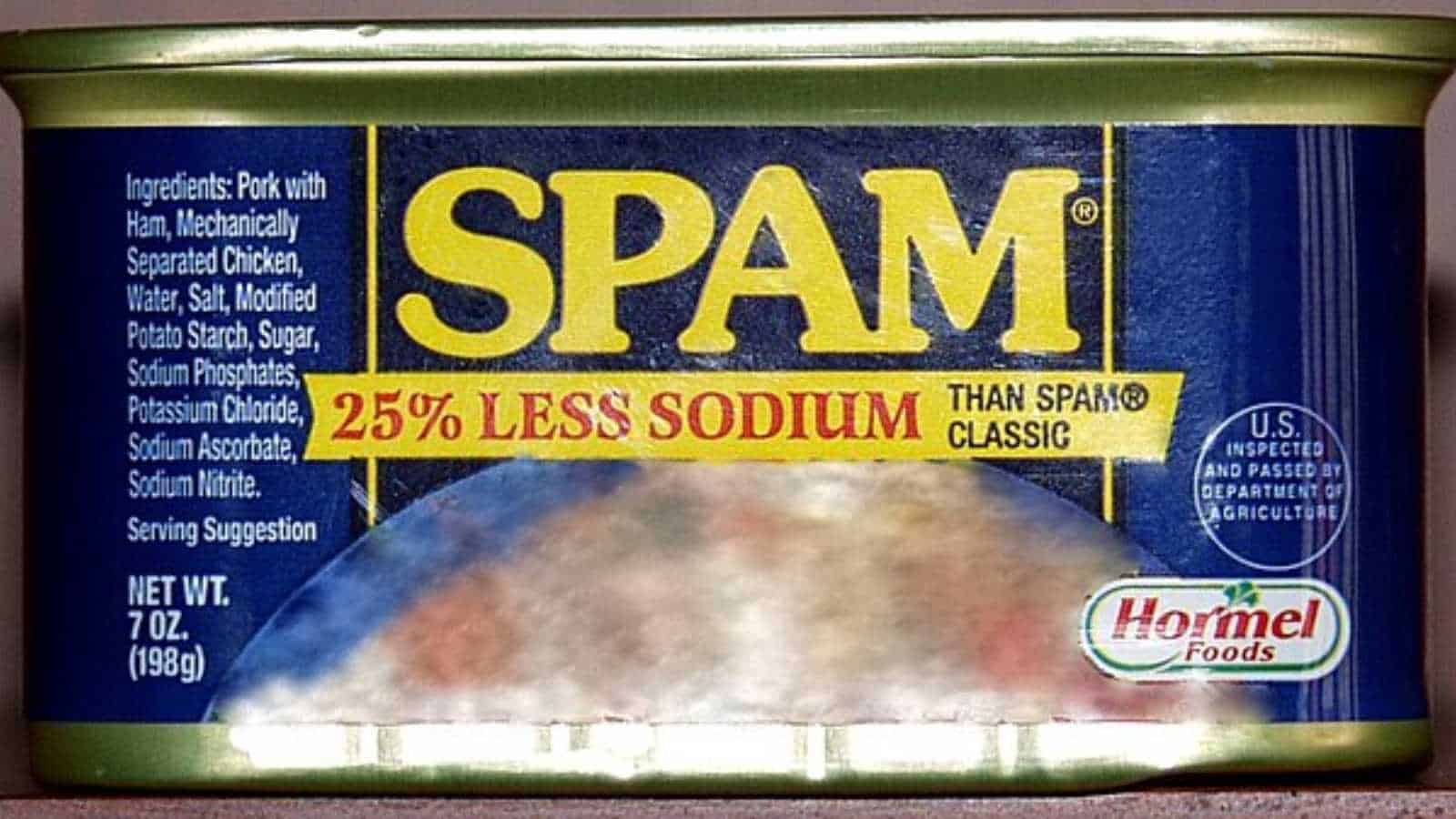
You might mock it, but the numbers don’t lie. Hormel reports that people consume a staggering 12.8 cans of SPAM every single second. We often associate this pink brick with wartime rations, but it has staged a massive cultural coup. Marketing professor Ayalla A. Ruvio notes that SPAM succeeded by “tapping into American ideals like ingenuity and resourcefulness”.
Recently, this pantry staple underwent a glow-up. High-end restaurants now serve “elevated” versions, like SPAM fried rice with uni, marking a trend of culinary gentrification. Have you noticed how cool it is to like SPAM now? It’s no longer just a survival food; it’s a verified icon that sells over 122 million cans annually in the U.S. alone.
Bologna: the fried sandwich renaissance
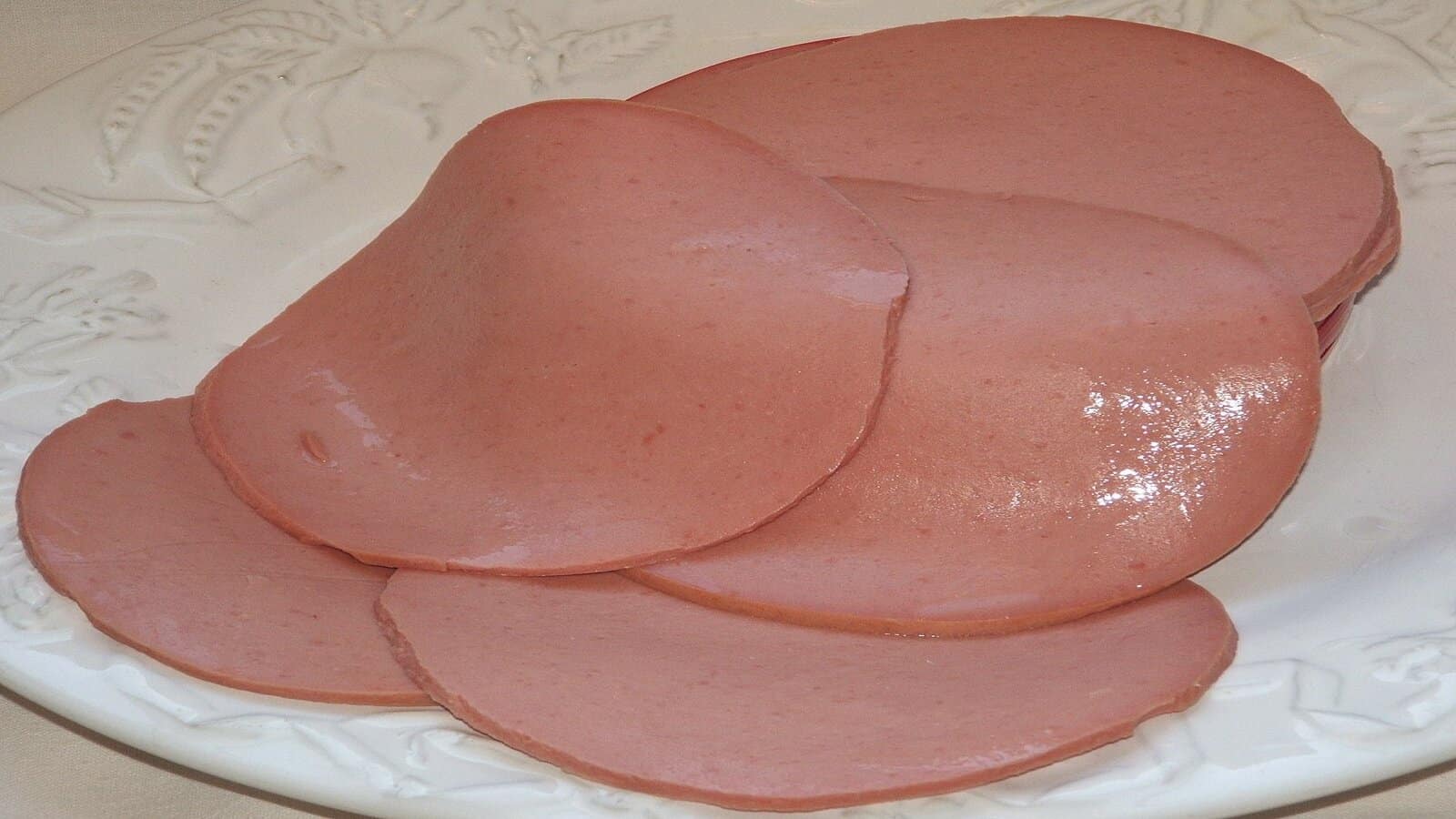
Remember when bologna was just the sad, clammy circle in your lunchbox? Those days are gone. The “fried bologna sandwich” has exploded as a nostalgic trend in restaurants across the country. Country legend Toby Keith famously championed this trend, serving a thick-cut version at his grills that transformed the humble lunch meat into a barbecue-sauce-slathered delicacy.
While overall sales of bologna have dipped compared to turkey or ham, the meat remains an economic powerhouse during tough times. Americans still purchase over 225 million pounds of bologna annually from retail stores. It turns out that applying heat to “mystery meat” (which is actually just finely ground cured pork or beef) unlocks a savory potential we all slept on for years.
Velveeta: living la dolce velveeta
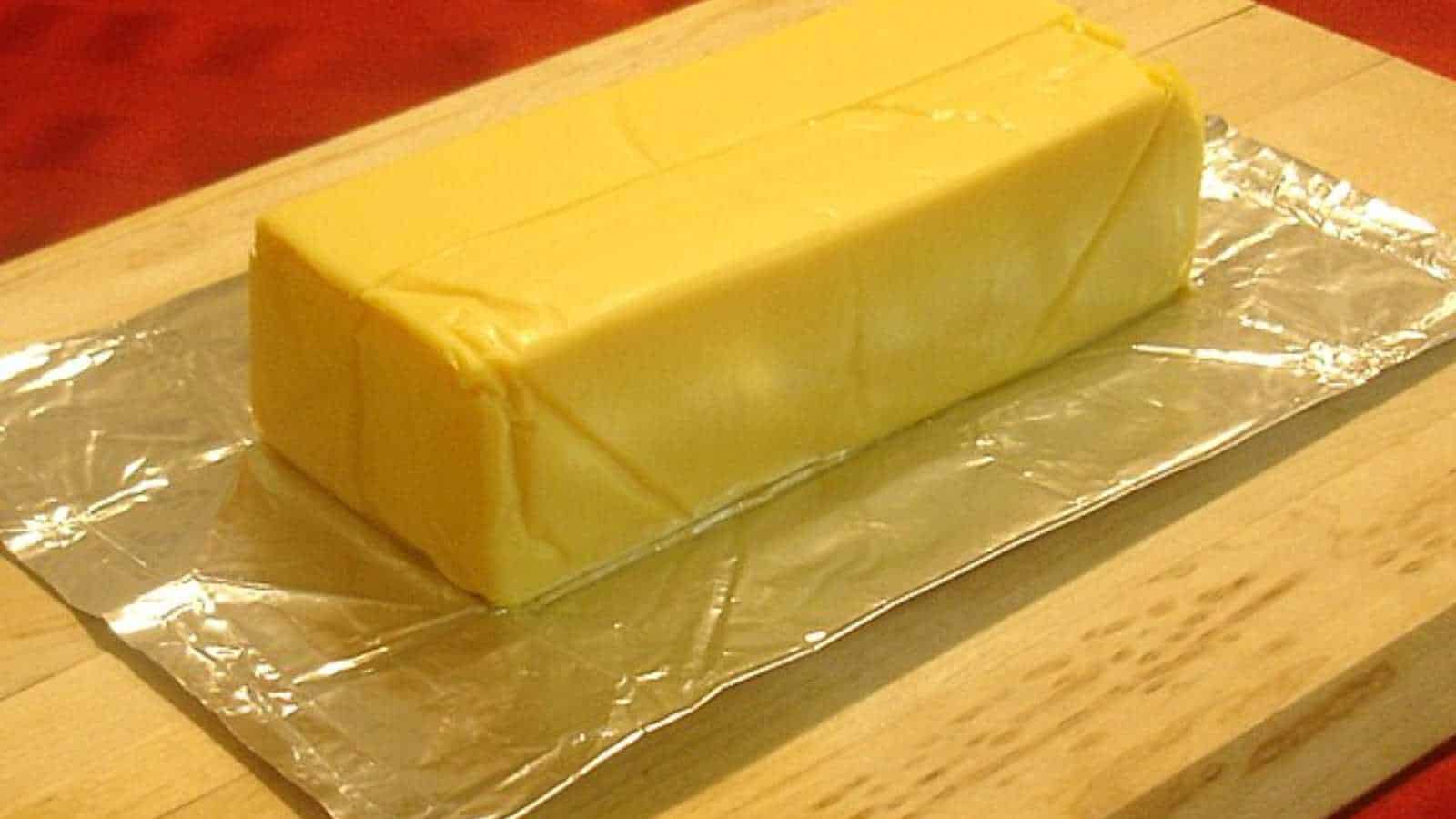
We all know cheese shouldn’t technically live in a cardboard box on a shelf, but Velveeta defies your judgment. Kraft Heinz recently leaned hard into this “guilty pleasure” status with their “La Dolce Velveeta” campaign. This marketing push even birthed “Velveeta Gold,” a semi-permanent hair dye that allows superfans to replicate the “creamy and melty goodness” of the product on their own heads.
The strategy works. Velveeta sales remain robust, contributing to the billions in revenue for the cheese segment. Whether you melt it into a dip or pour it over shells, you prioritize the “melt” over the “milk.” Why struggle with real cheddar that separates into grease when you can have the scientifically perfected smoothness of Liquid Gold?
Easy cheese: the aerosol artistic medium
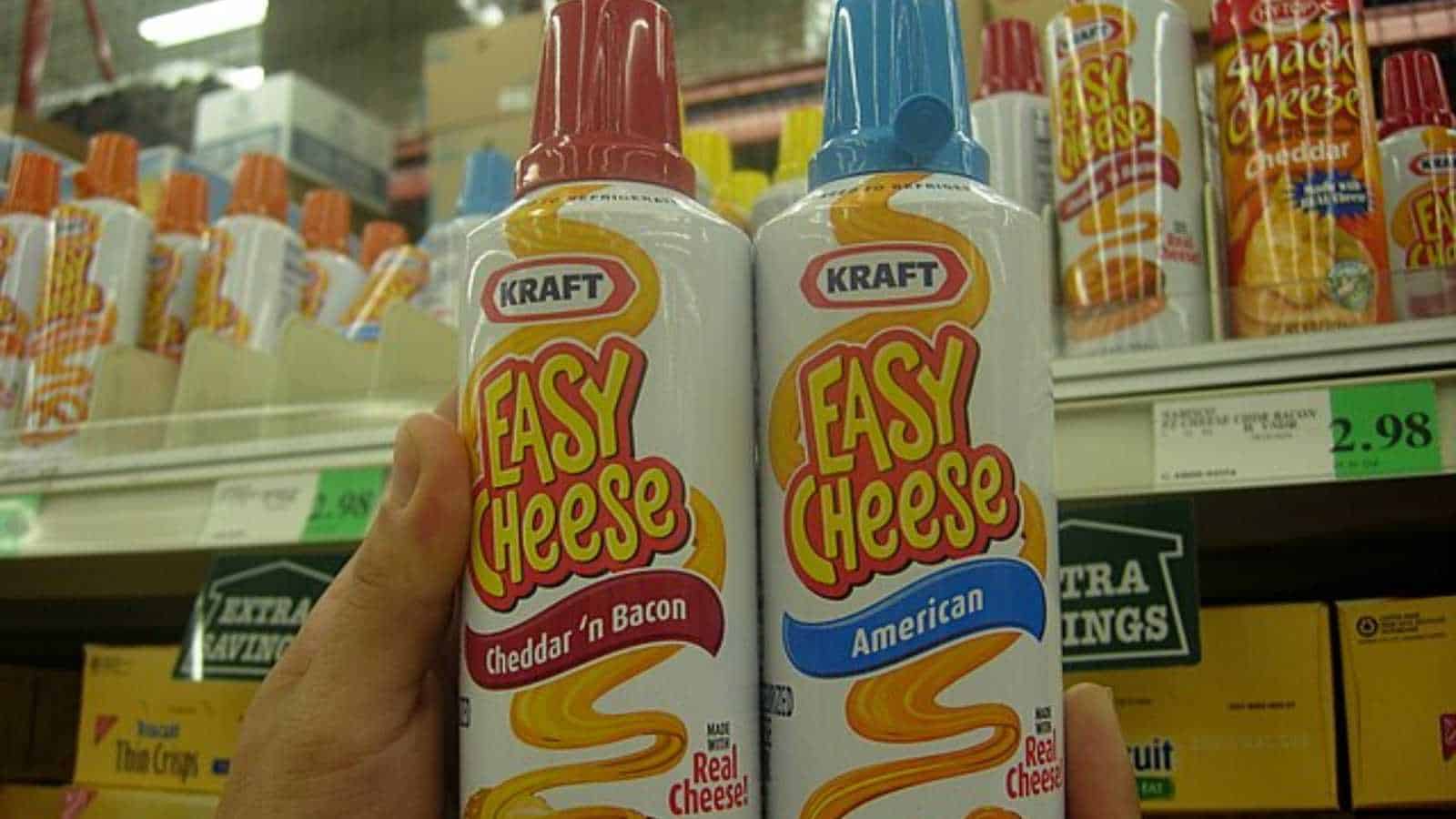
There is something primal about spraying cheese directly onto a cracker (or into your mouth, no judgment). The global spray cheese market reached $1.42 billion in 2024, underscoring our continued craving for this pressurized snack. It isn’t just about the taste; it’s about the engineering marvel of the piston-driven can that separates the propellant from the cheese.
Social media trends keep this retro snack alive, with Gen Z discovering the “charcuterie board” potential of intricate cheese designs. North America dominates this market, accounting for approximately 40% of global revenue. FYI, that “plastic” texture comes from sodium phosphate, but who cares when you can draw a cheese masterpiece on a Ritz?
TV dinners: the kidult comfort meal
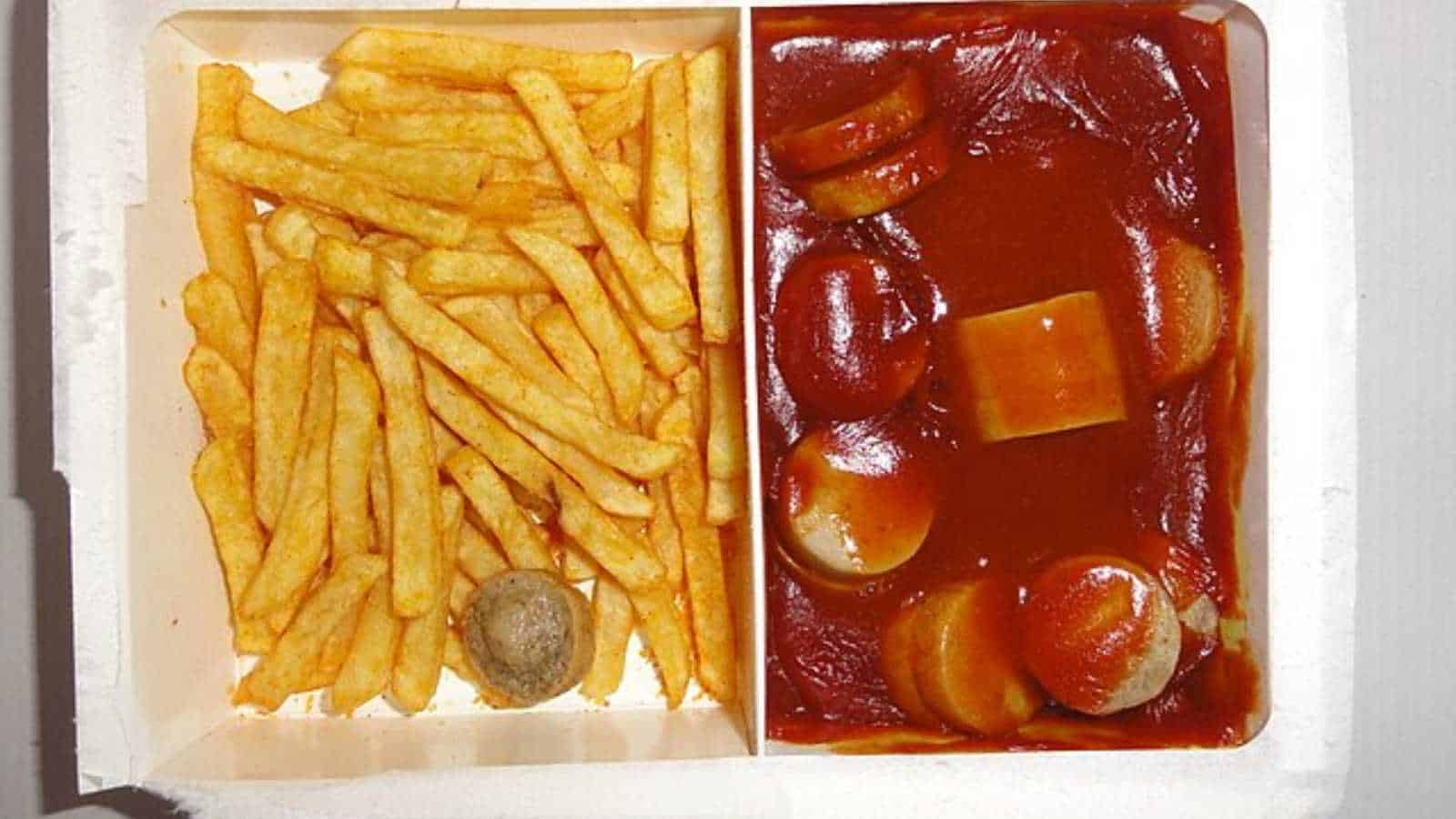
Swanson changed the game in 1953 when they packaged turkey surplus into aluminum trays, selling 10 million units in their first year. Today, we see a resurgence of the frozen meal, driven by a “kidult” trend where adults seek childhood comforts. According to GlobeNewsWire, the frozen ready-meal market is projected to reach $437.1 billion by 2032 as consumers seek convenient nostalgia.
Modern brands now tap into this with “adult kid meals,” adapting classic formats for grown-up palates. Hungry-Man dinners still command shelf space, catering to the “big appetite” demographic with 1-pound meals. Do you really miss the brownie scalding the roof of your mouth, or do you just miss having zero responsibilities?
Pop-Tarts: breakfast or dessert?
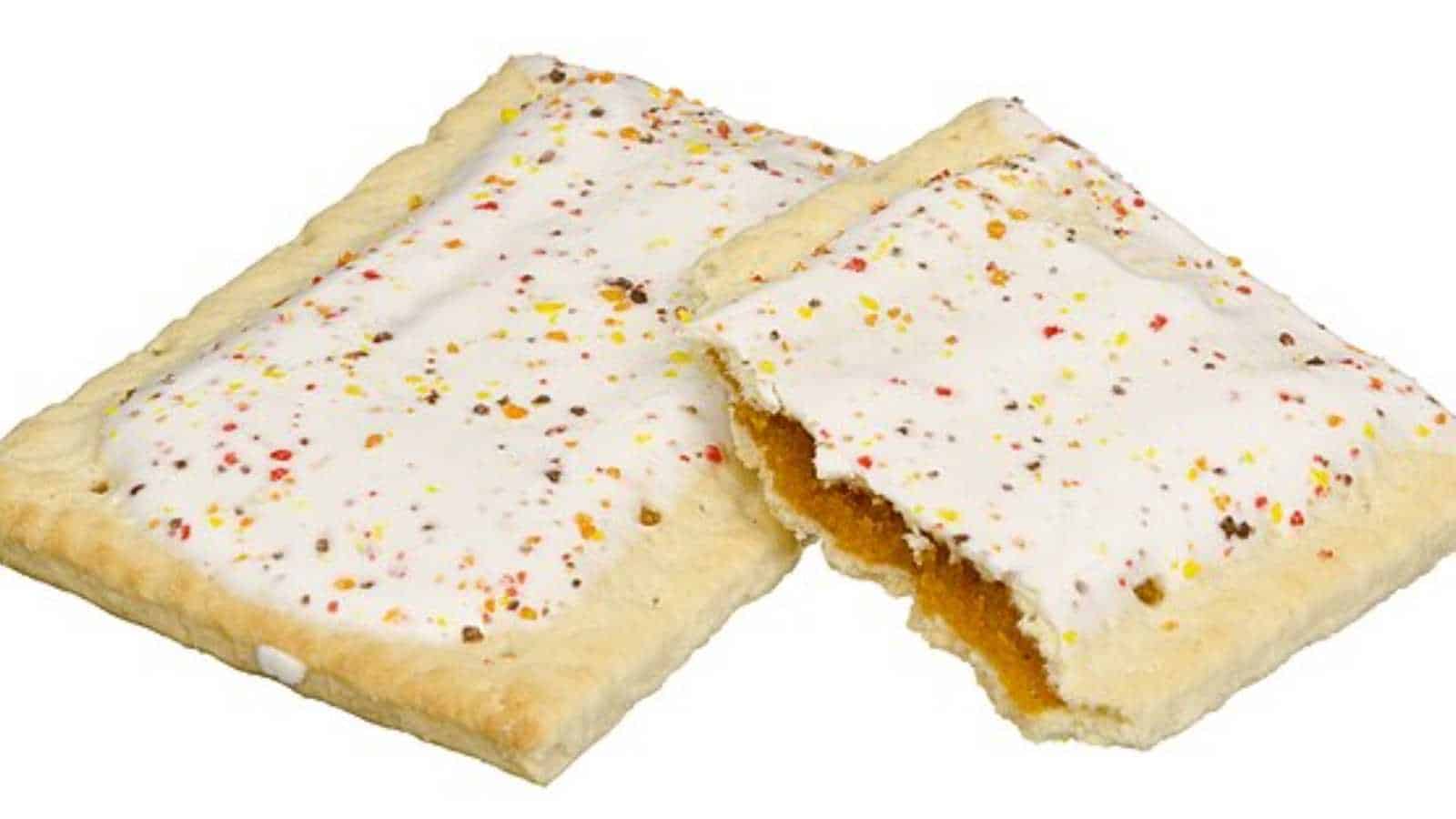
Let’s settle this: it’s dessert. Kellanova (formerly Kellogg’s) sells a mind-blowing 3 billion Pop-Tarts annually. Since their debut in 1964, these toaster pastries have maintained an 80% market share in their category. They occupy a unique space in our hearts because they require zero effort; you don’t even have to toast them.
Nutritionally, they are basically sugar tablets, with one serving packing about 30 grams of sugar. Yet, we buy them in droves. The “frosted vs. unfrosted” debate continues to rage online, keeping the brand culturally relevant. IMO, if you eat the unfrosted strawberry ones, you are a chaotic element that society needs to watch closely.
Cool Whip: the oil that acts like cream
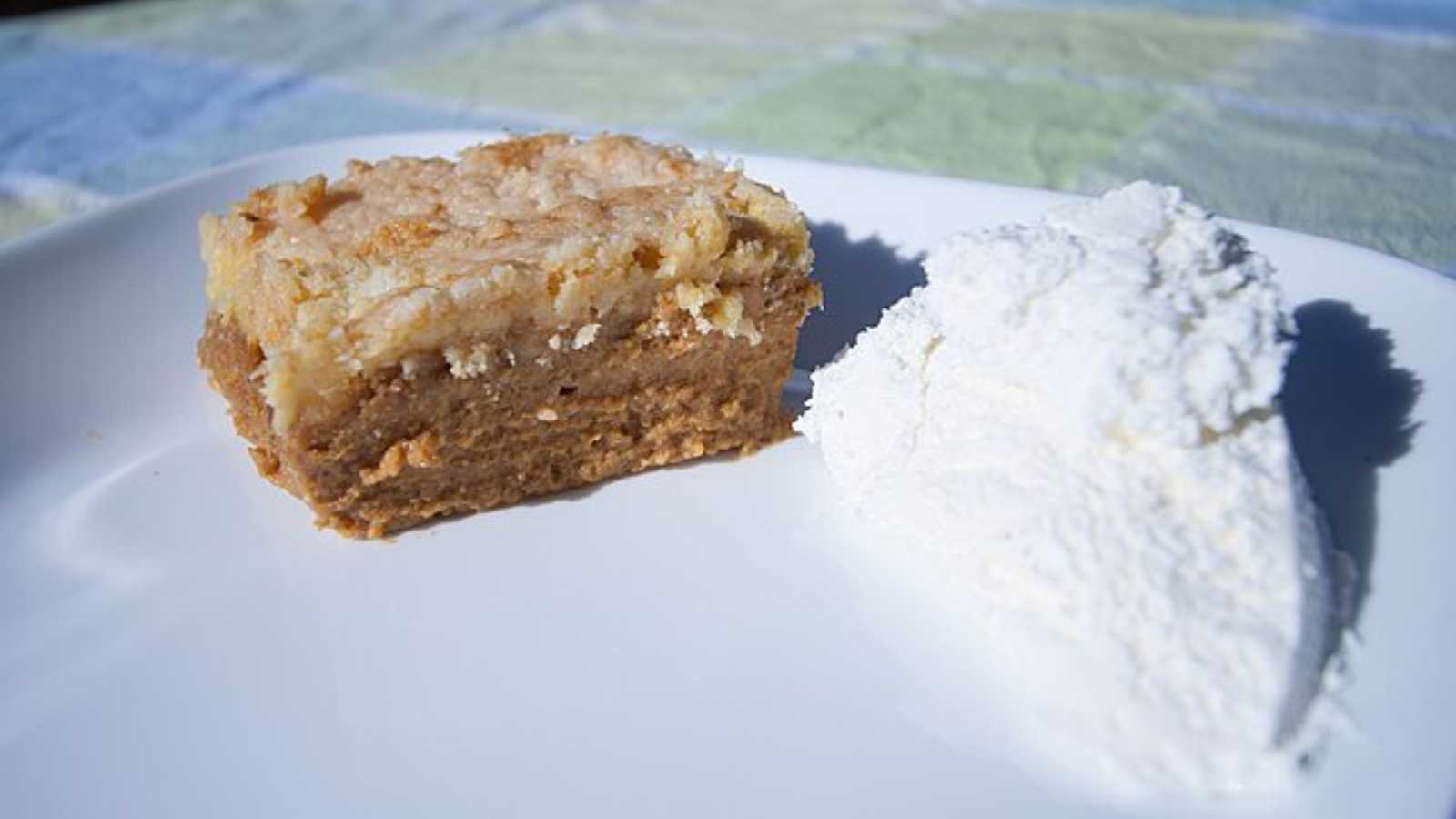
William Mitchell, the genius food scientist who also gave us Pop Rocks and Tang, invented this fluffy tub of chemistry in 1966. Kraft Heinz still sells around 200 million tubs of Cool Whip every year. Its superpower is that it can freeze and thaw without breaking, a feat real cream simply cannot match.
We love it because it holds up the structural integrity of our favorite desserts. It became the backbone of the American “salad” (the kind with marshmallows and Snickers bars). You probably know it contains hydrogenated vegetable oil and high-fructose corn syrup, but does real whipped cream wait patiently in the fridge for weeks? I didn’t think so.
Miracle whip: the zesty rebel
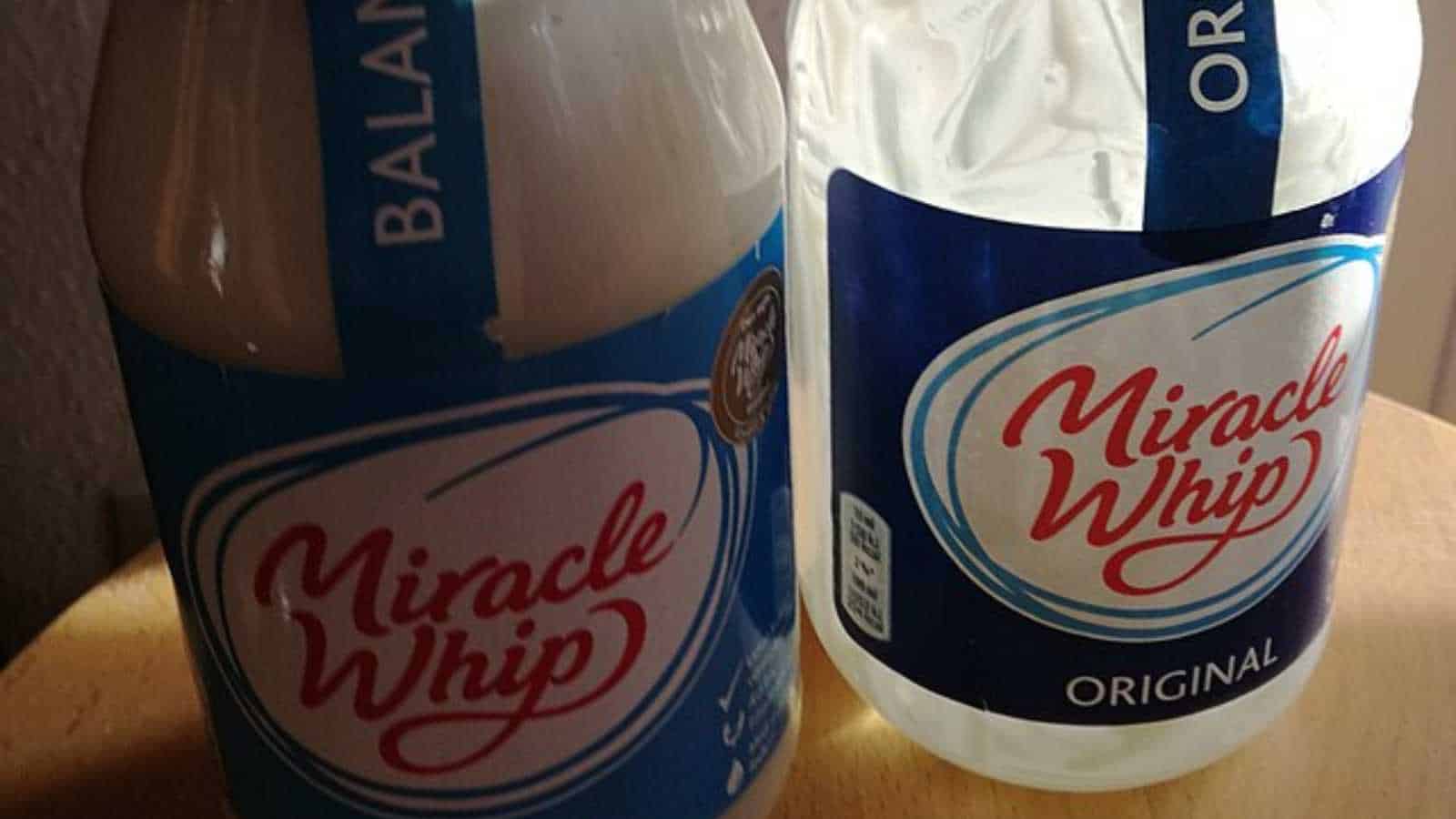
You are either Team Mayo or Team Whip, and there is no middle ground. Launched during the Great Depression as a cheaper alternative to mayonnaise, Miracle Whip quickly captured 60% of the salad dressing market by the 1950s. It technically isn’t mayonnaise because it contains less than 65% vegetable oil, which classifies it as a “salad dressing”.
Families secretly use it for more than just sandwiches. The “Miracle Whip Chocolate Cake” (also known as Depression Cake) remains a cult recipe, where the tangy dressing replaces eggs and oil to create a super-moist crumb. Have you ever tried it? It sounds illegal, but it tastes like genius.
Ambrosia salad: the salad that isn’t
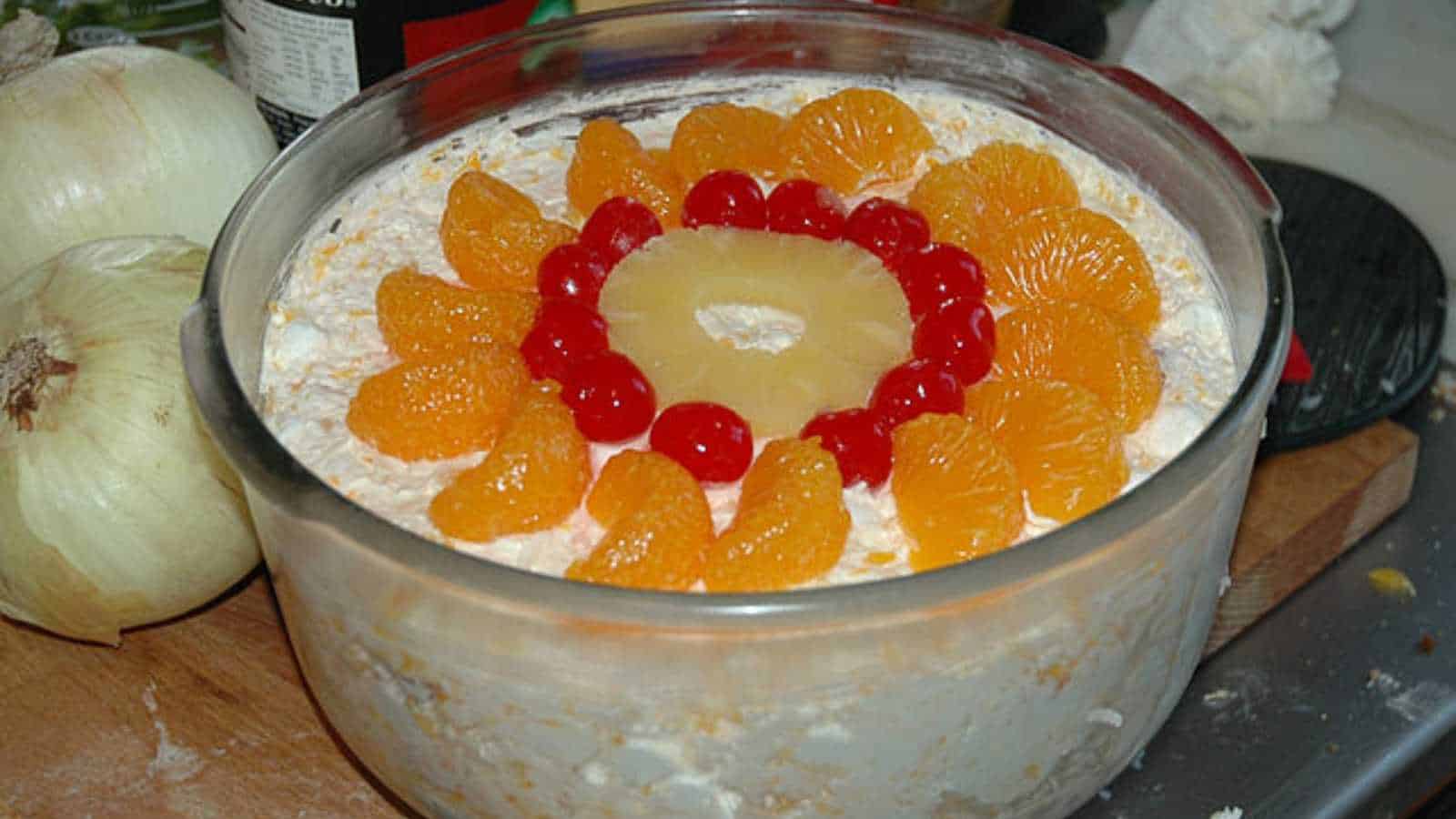
This dish confuses everyone outside the US. Ambrosia salad, a mix of canned fruit, coconut, and marshmallows, dates back to the late 19th century but exploded in popularity when mass-produced marshmallows hit the scene. It defies categorization. Is it a side dish? A dessert? A cry for help?
Recent trends show a “vintage” revival, with recipes trending on TikTok under the guise of retro aesthetics. Traditional recipes call for canned mandarin oranges and pineapple, items that were once considered exotic luxuries. We love it because it hits the “bliss point” of sugar and fat, wrapped in a cloud of whipped topping.
Hamburger helper: the inflation fighter
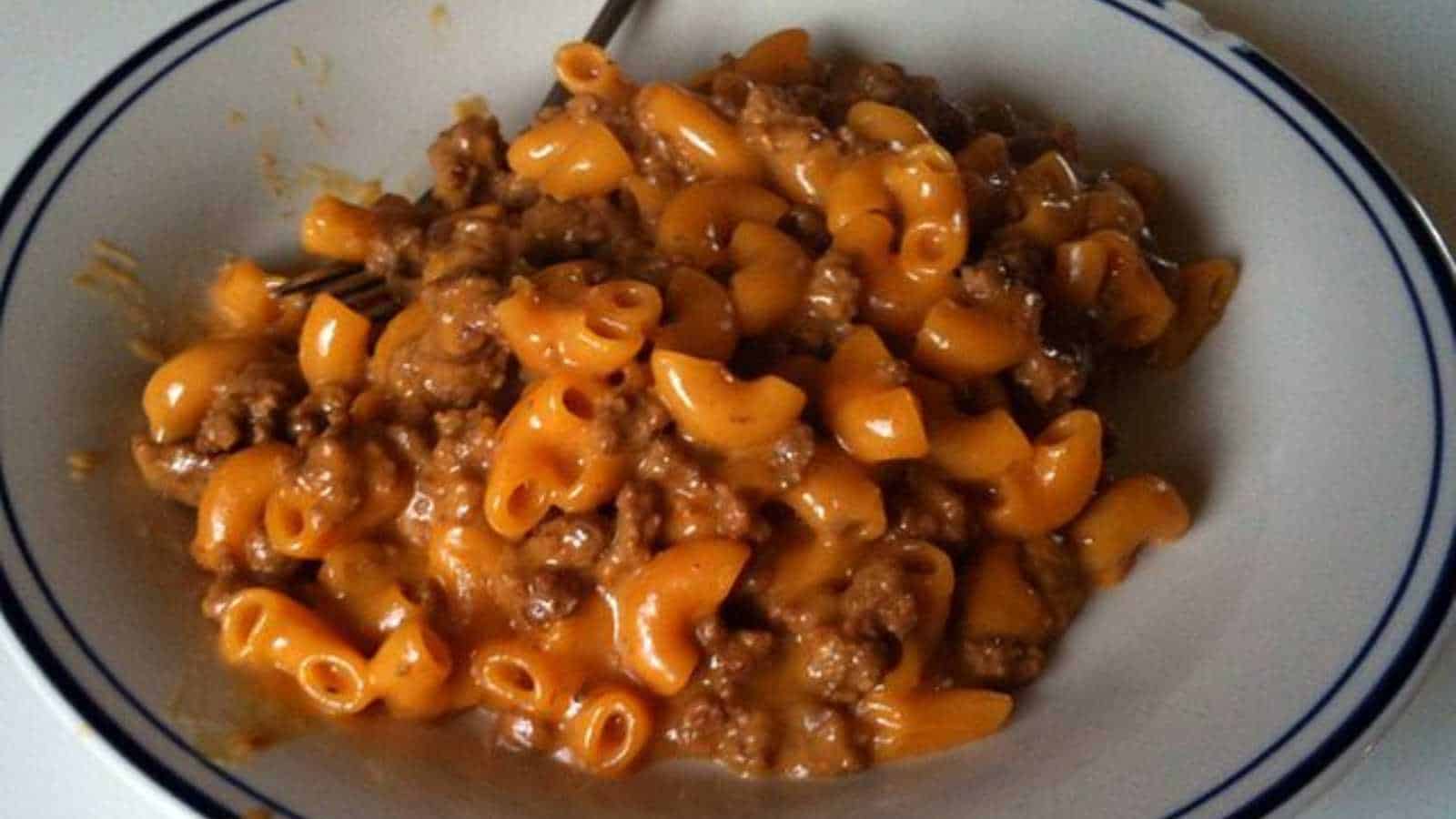
When the economy gets tough, the tough get boxed pasta. Hamburger Helper sales surged 14.5% recently as families looked to stretch their grocery budgets. Introduced in 1971 to help consumers cope with high beef prices, this one-pan wonder is fulfilling the exact same purpose today.
It’s salty, it’s cheesy, and it takes 20 minutes. Financial experts note that these “stretch meals” serve as a “window into how Americans are coping with higher prices”. We might joke about the powdered cheese sauce, but when you need to feed four people with one pound of ground beef, that smiling white glove is a hero.
Key Takeaway

We might performatively snack on kale chips, but our pantry secrets tell a different story. These ten foods, engineered for shelf life, affordability, and maximum palatability, remain pillars of the American diet. Whether it’s the 12.8 cans of SPAM opened every second or the billions of Pop-Tarts toasted annually, we vote with our wallets for processed comfort. So, next time you crack open a can of biscuits or spray cheese onto a cracker, own it. You’re just participating in a delicious, chemical-laden history.
Disclosure: This article was developed with the assistance of AI and was subsequently reviewed, revised, and approved by our editorial team.
20 Odd American Traditions That Confuse the Rest of the World
20 Odd American Traditions That Confuse the Rest of the World
It’s no surprise that cultures worldwide have their own unique customs and traditions, but some of America’s most beloved habits can seem downright strange to outsiders.
Many American traditions may seem odd or even bizarre to people from other countries. Here are twenty of the strangest American traditions that confuse the rest of the world.
20 of the Worst American Tourist Attractions, Ranked in Order

20 of the Worst American Tourist Attractions, Ranked in Order
If you’ve found yourself here, it’s likely because you’re on a noble quest for the worst of the worst—the crème de la crème of the most underwhelming and downright disappointing tourist traps America offers. Maybe you’re looking to avoid common pitfalls, or perhaps just a connoisseur of the hilariously bad.
Whatever the reason, here is a list that’s sure to entertain, if not educate. Hold onto the hats and explore the ranking, in sequential order, of the 20 worst American tourist attractions.