Screens before school: how early tech exposure could shape the next generation’s minds
After dinner, the house goes quiet as glowing screens light up young faces, stretching late into the night and into the next school day.
Screens are becoming as essential to kids’ daily lives as pizza and playdates, and trust me, that’s saying something. From toddlers swiping away on tablets to pre-teens glued to their devices, it’s clear that screens are no longer just for adults. In fact, kids in the U.S. ages 8 to 12 spend a solid 4 to 6 hours a day on screens, according to the American Academy of Child and Adolescent Psychiatry.
While this tech immersion might sound like a digital dream come true, it’s having a sneaky impact on their sleep, schoolwork, and even their behavior. Let’s just say, if screen time were a report card, there’d be a few red flags we need to talk about.
Tiny toddlers, big screens
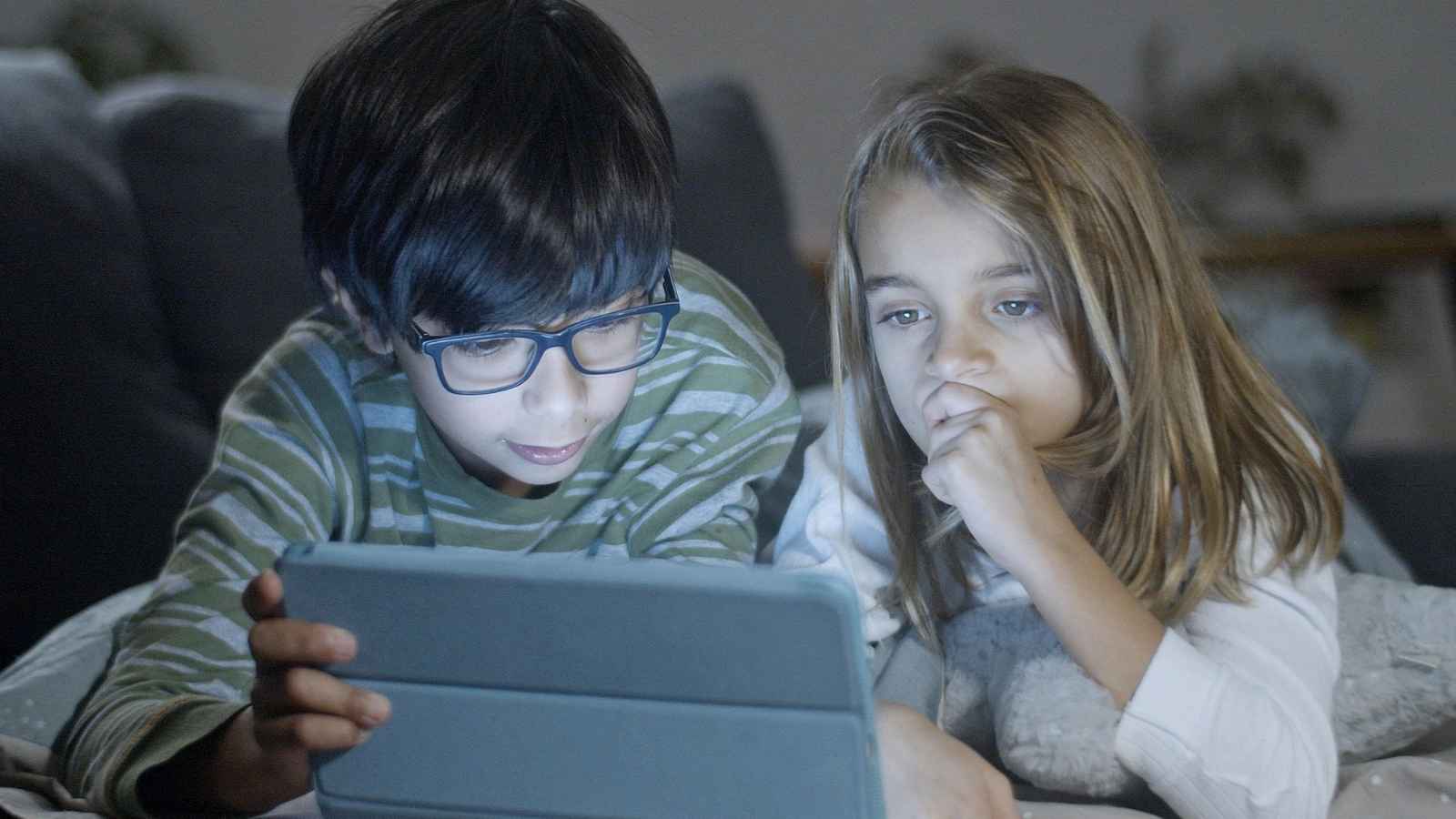
Many preschoolers are already exceeding these limits. Children who spend more time on screens tend to sleep less and struggle with behavior problems compared to peers who follow the guidelines. These early habits can have lasting effects as they grow.
Priming attention spans
By age 8, children are spending hours a day on screens, including games, videos, and social media. Kids who develop screen-heavy habits early often struggle with self-regulation and attention in school.
Dr. Noah Schwartz, a pediatrician at the Cleveland Clinic, notes that excessive screen time can have other effects on kids, including disrupted sleep, increased irritability, and difficulty managing emotions. Over time, it can also reduce opportunities for physical activity, face-to-face connection, and creative play, things children need for healthy development.
Sleep is disrupted before school
It’s not just their attention spans at risk. Children who use screens in the hour before bed are more likely to struggle with sleep. Blue light from screens can delay melatonin production, making it harder for kids to fall asleep. They recommend removing digital devices from the bedroom on school nights to ensure better sleep quality.
Learning boosts from moderate use
On a positive note, screens can be beneficial for learning when used intentionally. OECD PISA findings show that 15-year-olds who use digital devices moderately for school learning and balance leisure with learning tend to have higher academic performance and a greater sense of belonging than excessive users or non-users.
Mental health and social media

Heavy social media use has been linked to anxiety, depression, and cyberbullying. As more teens spend time on social platforms and online video, experts are increasingly concerned about the impact on their mental health.
Inequality in digital childhoods
Not all kids are impacted equally. The Common Sense Census shows that media use among tweens and teens grew 17% from 2019 to 2021, but those increases vary by income and race.
Children from lower-income backgrounds are more likely to have unsupervised screen time and are at a higher risk of exposure to harmful content. They also often see fewer academic benefits from technology use compared to their more privileged peers.
Parents as digital role models
Parents play a big role in shaping their children’s digital habits. Professional organizations like the American College of Pediatricians now recommend that families set clear media plans, limit recreational screen time to no more than two hours a day, and prioritize physical play, sleep, and in-person interactions.
Too much tech, lower scores
However, too much screen time for learning can backfire. OECD PISA indicates that moderate digital device use for school, around 3-5 hours, is generally linked to better math scores, while excessive use, 5-7 hours, or high leisure use correlates with lower performance.
Key takeaway

Early exposure to screens can have long-lasting effects on children’s behavior, attention, sleep, and learning. While moderate screen time can boost academic performance, excessive use can lead to lower scores and mental health concerns. Parents should be mindful of their children’s screen habits and lead by example to create a healthier digital environment.
Disclosure line:
This article was developed with the assistance of AI and was subsequently reviewed, revised, and approved by our editorial team.
Why Your Daily Coffee Could Be the Secret to Better Wellness

Why Your Daily Coffee Could Be the Secret to Better Wellness
Coffee is more than a pick-me-up. It’s a beverage linked to improved brain health, metabolic strength, heart resilience, and even a longer life. With antioxidants and plant compounds working alongside caffeine, it’s no wonder researchers call it one of the most powerful wellness drinks available.