Colors that highlight curvy figures best
In 1926, Wharton economist George Taylor’s Hemline Index proposed that skirt lengths are a barometer for consumer confidence: as markets soar, so do hemlines, while recessions pull fabrics toward the floor.
As we morph into the late 2020s amid murmurs of a cooling American economy, the curvy silhouette faces a unique stylistic crossroads. If the Hemline Index is indeed dropping, the “loud” neons of the boom years feel increasingly out of place, yet the instinct to “highlight” one’s figure remains. Enter the era of Recession-Core Luxe: the strategic use of high-pigment, low-value tones like Wine and Chocolate.
These colors rhyme with the theory by adopting the protective, grounded depth of a downturn-friendly palette while leveraging the Lipstick Effect, the economic phenomenon in which consumers pivot to high-impact, affordable luxuries during a bust. It is a transition from the Exuberant Pop of a bull market to the Luminous Depth of a bear market, proving that even as the economy contracts, your silhouette can remain an asset.
The Physics of Chromatic Weight and Visual Volume

The human eye does not perceive all colors at the same depth; this is the fundamental principle of visual weight. According to the Helmholtz Illusion, light-colored shapes appear larger than dark ones because light scatters more on our retinas, a phenomenon known as irradiation.
For a curvy figure, high-chroma, lighter hues act as volumizers that can be used to intentionally highlight the bust or hips. Conversely, desaturated or darker tones function as recessive shades, providing a shadowed, slimming effect. Modern designers like Christian Siriano have long utilized this interplay to ensure that curves are celebrated rather than camouflaged.
The Advancing vs. Receding Dichotomy
In the world of color theory, warm tones like red, orange, and yellow are classified as advancing colors because they appear closer to the observer. If you want to accentuate an hourglass shape, place a warm pop of Sunset Orange at the narrowest part of your waist to create a focal point that advances toward the eye.
Cool tones like navy, forest green, and slate are receding, making them appear farther away and creating a sense of depth and subtraction. It is a principle of Gehry-esque structural design applied to the human body. When you wear a cool-toned blazer over a warm-toned dress, you are essentially framing your curves with a receding border. It is a sophisticated way to manage visual real estate without relying on heavy shapewear.
The Black is Slimming Dogma
For decades, fashion experts have touted black as the holy grail for curvy women, but this is a reductionist myth that often backfires. While black absorbs light and minimizes shadows, it also creates a flat, two-dimensional “void” that can make a silhouette look heavier or less defined.
Too much black can erase the very curves that give a figure its grace and movement. In 2026, we are seeing a shift toward dynamic darks: deep charcoals, ink blues, and espresso browns, which offer the same receding benefits as black but with more depth. If you insist on black, ensure it is in a textured fabric, such as velvet or a ribbed knit, to prevent a black hole effect.
Jewel Tones (Emerald and Sapphire)

Jewel tones like Emerald Green, Amethyst, and Sapphire Blue are statistically the most universally flattering colors for the American complexion and figure. These colors have high saturation but maintain a medium-to-dark value, providing a perfect balance of pop and recession. These shades do more than catch the eye; Pantone’s longitudinal data confirms they tap into a psychological need for stability, instantly elevating any aesthetic to a ‘polished’ luxury status.
For curvy figures, these tones create a rich glow that highlights the skin’s undertones while providing enough depth to contour the body. Think of a deep sapphire dress: the color is vibrant enough to be noticed, but dark enough to keep the silhouette tight and focused. Professionals in the Quiet Luxury movement often lean on these hues because they scream expensive without being loud. They are the ultimate cheat code for looking high-end while emphasizing a natural, healthy shape.
The Semiotics of The Red Dress and Curvy Empowerment
From Hester Prynne to Jessica Rabbit, the red dress has always been a literary and cultural symbol of feminine power and physical presence. Red has the longest wavelength of any color on the visible spectrum, meaning it is the first color the human brain processes.
To highlight curves best, a true red (a 50/50 balance of warm and cool) is often more effective than a bright neon. It provides a grounded, sophisticated vibration that moves with the body’s natural rhythm. By choosing red, you are utilizing the most aggressive tool in the colorist’s kit to define your boundaries.
Monochromatic Elongation
This prevents the cutting effect that happens when you wear a light top and dark bottom, which can often make a curvy figure look shorter or disjointed. By maintaining a single-color story, you force the eye to travel the entire length of the body in a single fluid motion, thereby emphasizing height and grace.
As the year sets, the trend is toward Textural Monochromatics, where you mix different fabrics like silk, wool, and leather in the same hue. This adds enough internal contrast to keep the outfit from looking like a uniform while maintaining that sleek, elongated silhouette. Even a vibrant color like Lavender or Peach Fuzz works in monochrome because the lack of breaks in the line keeps the curves balanced. It is a strategy of “minimalist maximalism” that yields high-impact results with zero effort.
Strategic Color-Blocking as Body Architecture

Color-blocking is the fashion equivalent of makeup contouring, using contrasting panels to reshape how the eye perceives the torso. By placing darker panels on the sides of a garment and a lighter, brighter color down the center, you utilize the Delboeuf Illusion to visually narrow the waist.
This hourglass illusion has been a staple of red-carpet styling for years because it physically mimics the shadows and highlights of a perfectly lit photograph. It isn’t about hiding your hips; it’s about using color to curate the specific story your hips are telling. You can also use horizontal color-blocking to balance proportions; for instance, a bright belt or stripe at the waist can serve as a cinch without requiring a tight corset.
Texture as a Color Modifier: Satin vs. Matte Physics
The same color can look entirely different depending on the fabric’s specular reflection, or how it bounces light. Satin and silk have a high luster, which creates bright hotspots on the peaks of your curves and deep shadows in the valleys. This creates a high-contrast look that makes curves appear more prominent, lush, and three-dimensional.
On the other hand, matte fabrics like cotton or crepe diffuse light evenly, which creates a softer, more blurred effect on the silhouette. If your goal is to highlight a specific curve, a satin finish in a jewel tone will act like a spotlight. If you want to keep the look more subtle and professional, a matte finish in the same color will provide a velvet smoothness.
Wine and Chocolate Revolution
As we move into the latter half of the 2020s, the Wine and Chocolate color combination has overtaken traditional fall palettes. This duo works perfectly for curvy figures because both colors are low-value (dark) but high-chroma (rich in pigment).
The warmth of Chocolate Brown provides a grounded, earthy base that feels more modern and expensive than standard black. Pairing it with a Wine or Burgundy accent adds a layer of sophisticated drama that highlights the natural flush of the skin.
Bio-Individuality: Skin Undertones
Ultimately, no color will highlight your curves if it clashes with your biological undertones, as science known as Colorimetry shows. A cool-toned Amethyst might make a cool-toned woman look like a goddess, while the same color might make a warm-toned woman look sallow or tired. When your skin and your clothes are in harmonic resonance, the viewer’s eye is less distracted by the color itself and more focused on the wearer’s shape and presence.
Professional stylists suggest testing colors in natural daylight to see if they lift your face. If your face looks bright, your curves will follow suit. Never prioritize a trend over your own biology, because confidence is the most reflective color you can wear.
Disclosure line: This article was written with the assistance of AI and was subsequently reviewed, revised, and approved by our editorial team.
6 tips for successful weight loss for women in 2025
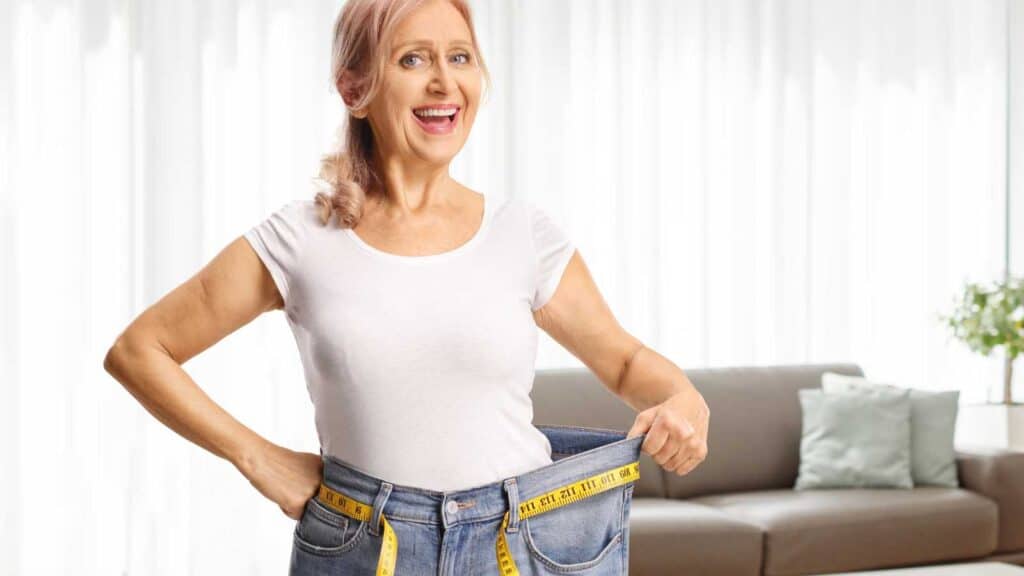
6 Tips For Successful Weight Loss For Women in 2025
Successful weight loss for women often calls for an individualized approach, taking into consideration the unique physiological, psychological, and lifestyle factors that influence a woman’s weight. It’s not just about adopting a generic calorie-restricted diet or a strenuous exercise regime. Instead, it encompasses a holistic view of health, including balanced nutrition, regular physical activity, adequate sleep, and stress management.
In this article, we will walk you through a step-by-step guide to help you on your fitness journey and discuss how Ozempic may benefit your weight loss routine.