Baby Boomer trends that younger generations can’t relate to
Baby Boomers continue to wield enormous cultural and economic influence. According to the Pew Research Center, approximately 67 million Baby Boomers lived in the United States in 2024, accounting for about 20% of the population. The generation, born between 1946 and 1964, has shaped everything from homeownership and workplace norms to consumer habits and retirement expectations.
At the same time, Millennials and Gen Z now make up a growing share of the workforce and often have very different views on technology, work-life balance, communication, and spending. As a result, some long-standing Boomer habits can leave younger generations scratching their heads.
None of these trends are inherently right or wrong; they simply reflect the different worlds each generation grew up in. Here are 12 Baby Boomer trends that many younger Americans just can’t relate to.
Living To Work Instead Of Working To Live

Boomers grew up being told loyalty to one company was noble, even if it meant 60-hour workweeks and missed holidays. Many wore exhaustion like a badge of honor and taught their kids that “hard work” looked like never taking a sick day. Younger workers see what that did to their parents’ bodies and marriages and are just not signing up.
Intergenerational think pieces often quote younger adults saying they are “unwilling to let our jobs take precedence over living our lives,” a direct pushback against grind culture. Gen Z and many Millennials want decent work, but they refuse to treat burnout as a personality trait.
Staying In One Job For Decades No Matter What

For Boomers, staying in the same role for 25 years used to signal stability and pride. You stuck it out through bad managers, low raises, and office politics because leaving looked risky or disloyal. Today’s job market moves faster, and younger workers see “job hopping” as normal career management rather than a red flag.
Younger employees are more likely to chase higher pay, growth, and better boundaries, even if that means switching companies every few years. Loyalty is measured less by years in a chair and more by the quality of the work while you are there. Younger generations look at a miserable long-term job and think, “Why didn’t you just leave?” instead of clapping for endurance.
Treating Homeownership As The Only “Adult” Milestone

Boomers came of age when a modest house on one income was realistic, so they often treat buying a home as the gold standard of adulthood. Younger generations, stuck with high prices and student debt, sometimes feel judged for renting or choosing different paths. What sounded like “good advice” in 1978 can now feel like pressure or shame.
Housing analysts have repeatedly found that home prices have grown far faster than wages over the past four decades, making entry far harder for younger buyers than it was for Boomers at the same age. Telling a 28-year-old in a high-cost city to “just buy a starter home” feels less wise and more disconnected from math.
Using Voicemail For Everything

Many Boomers still love leaving long voicemails, complete with backstory, directions, and a recap of the last conversation. Younger people who see missed calls and immediately text back often experience it as a mini hostage situation. They would rather read two lines than sit through two minutes.
A lot of younger adults treat voicemail as something to check only if it is from their doctor or boss. Long, detailed messages feel outdated when a quick text could cover the same ground. When a Boomer leaves a detailed voicemail and then texts “call me,” younger generations hear, “I refuse to use the tools you live on.”
Paper Everything: Bills, Menus, Directions

Boomers came up in a world of filing cabinets, printed maps, and paper statements, so many still like having everything in hard copy. For younger adults who automate bills and live by digital notes, being handed a stack of paper feels like homework. They see clutter, not security.
Digital natives are used to searching for email, apps, and cloud storage rather than digging through drawers. To them, paper is something that gets lost, crumpled, or spilled on, not a safety net. When a Boomer proudly flashes a file folder “system,” their kids are quietly thinking, “This could be three apps and zero junk drawers.”
“Kids These Days Don’t Want To Work” Rants

Every generation complains about the next, but Boomer rants about “nobody wanting to work anymore” hit a special nerve. Younger people juggling gig jobs, low-wage work, and skyrocketing rent hear those lines as erasing the financial realities they live in. They are often working plenty; they are just refusing certain conditions.
What sounds like “we had it tougher and still showed up” can feel like a slap in the face to people burned out by unstable schedules and low benefits. Many younger workers are pushing for healthier workplaces, not trying to dodge responsibility. What Boomers frame as “tough love” can sound to younger ears like denial about how different the economy has become.
Chain Emails, Facebook Posts, And Oversharing

For many Boomers, long Facebook posts, forwarded memes, and detailed health updates feel like a way to stay connected. Younger generations, who prefer shorter, more private updates in group chats or DMs, can find it overwhelming or cringe. It is like broadcasting to the whole neighborhood instead of talking to a few close friends.
Younger people are used to sharing with tight circles, not their entire extended network, plus high school lab partners. Public rants, medical play-by-plays, or daily chain posts can feel more like noise than genuine connection. What feels like “community” to one generation can look like oversharing or misinformation to another.
“Back In My Day” One-Up Stories

Boomers often reach for “back in my day” to bond or offer perspective, but it can slide into a form of competitive suffering. Younger people trying to talk about burnout or anxiety sometimes feel like they are being told their struggles do not count because someone else walked uphill both ways. The conversation turns into a history lesson instead of support.
An analysis of Boomer-related content on TikTok found that many younger users vent about older adults dismissing their concerns by comparing them to hardships from decades ago. Intentions may be good, but constant “we had it harder” stories make younger generations shut down instead of open up.
Unwritten Dress Codes For Everything
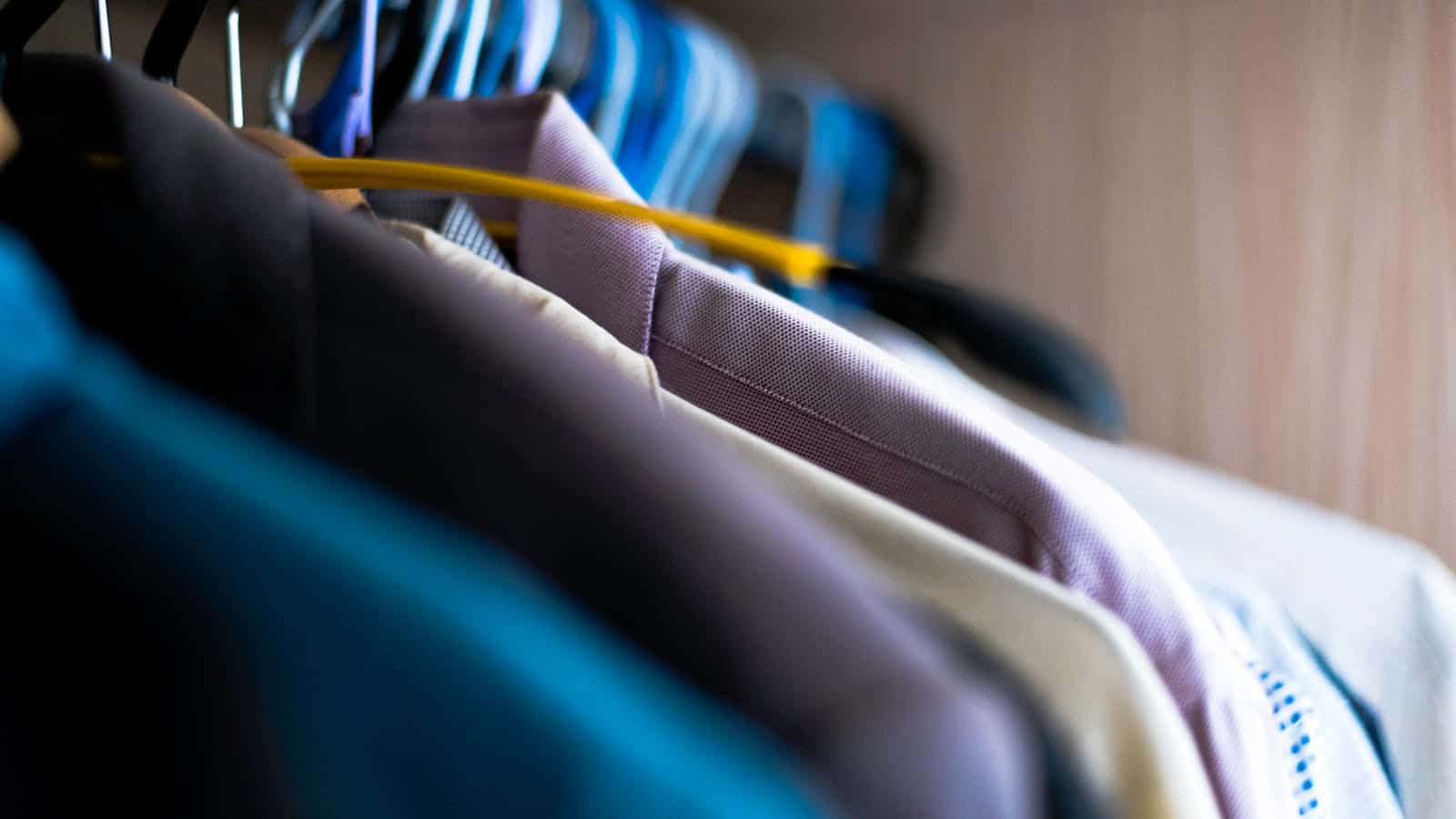
Many Boomers were taught strict rules about what to wear in offices, on planes, and even at the grocery store. Suits on flights, pantyhose at work, and “real clothes” for errands still feel right to them. Younger people, shaped by remote work and looser norms, see comfort as common sense rather than disrespect.
Workplace guides now frequently note that Gen Z and younger Millennials prioritize flexibility and authenticity over traditional formality, with many ranking casual dress and remote options as major job perks. When a Boomer comments on sweatpants in the airport, younger adults hear judgment over something that feels harmless.
Treating Landlines And Cable As Essentials
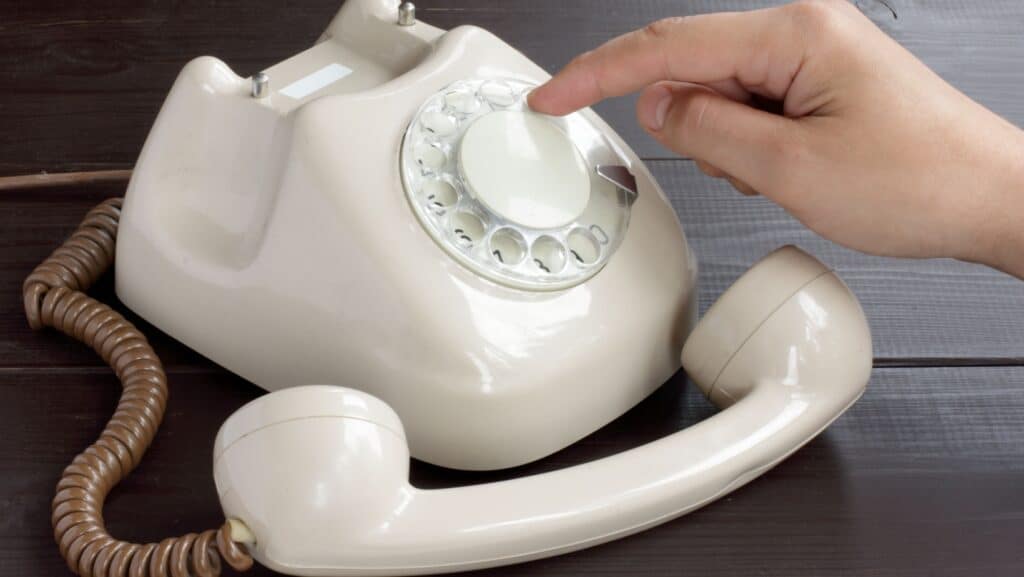
Boomers grew up with landline phones and scheduled TV as the main pipelines for news and entertainment. Many still pay for cable packages and home phone lines partly out of habit. Younger generations, raised on streaming and smartphones, see those bills as dead weight.
Recent telecom reporting shows that only about 34% of U.S. households still subscribe to traditional pay TV, down from more than 80% in 2011, while “cord cutter” and “cord never” households now account for over 70% of the market. When a Boomer insists you “need” cable, younger people hear, “I have not looked at a streaming menu in years.”
Clipping Physical Coupons
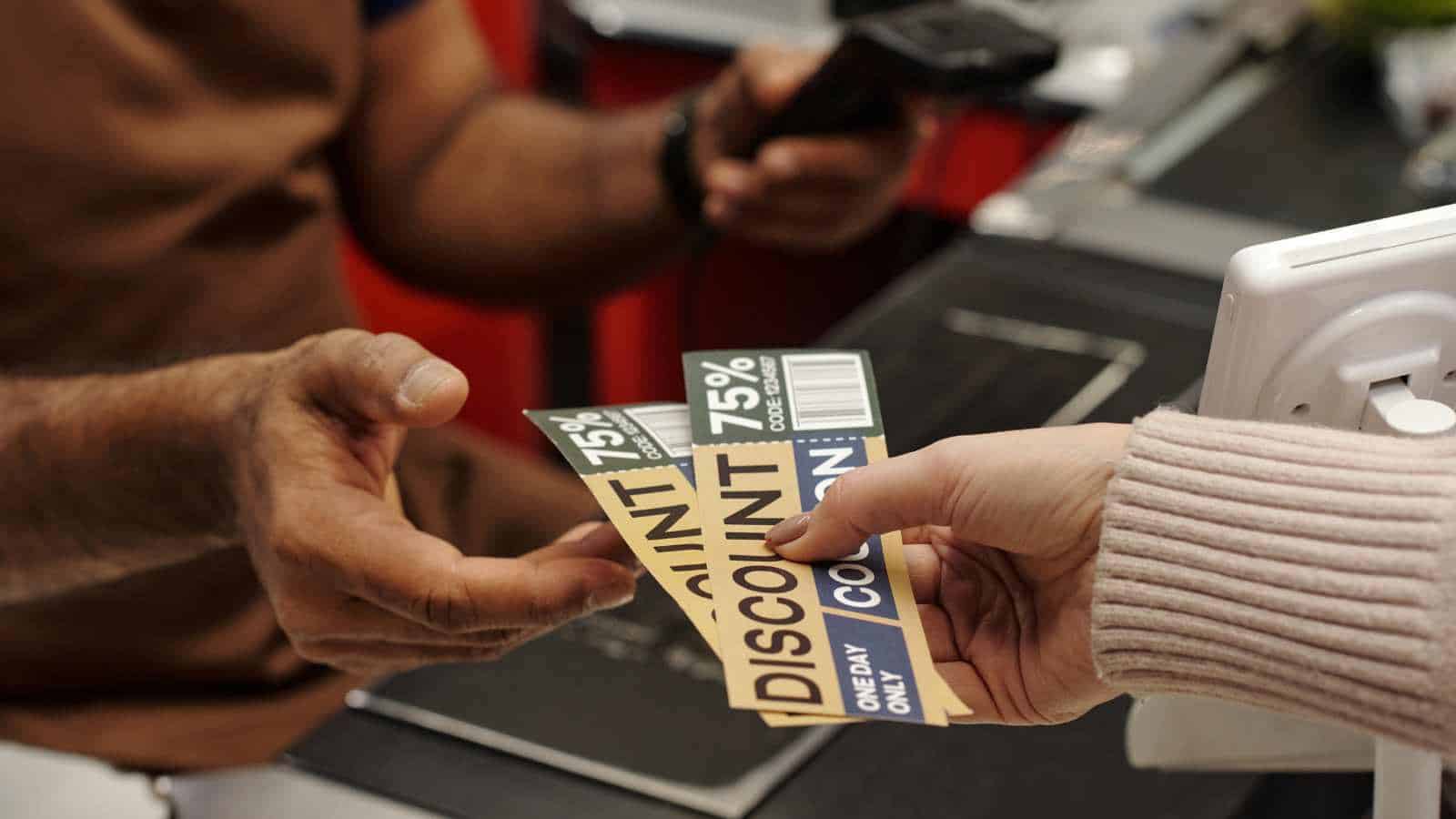
Boomers who came of age during double coupon days still love sitting with the Sunday paper, scissors in hand. They get a real sense of satisfaction lining up those tiny rectangles at checkout. Younger shoppers, used to digital coupons and automatic discounts, see paper couponing as a time sink.
A 2024 survey from United Natural Foods and Swiftly found that 43% of American consumers use digital coupons at their local grocery store, compared with just 23% who still physically cut coupons from a paper circular. Younger generations would rather tap a phone at the register than keep track of a stack of small slips all week.
Treating Talking About Money As Rude

Many Boomers were raised to keep money talk private, even inside families. Salaries, debt, and inheritances remained off limits, leaving kids sometimes guessing how things really worked. Younger adults, slammed with student loans and high rent, lean in the other direction and openly swap numbers to stay afloat.
They trade salary ranges, rent prices, and payoff plans so no one has to figure it out alone. To them, sharing numbers is a way to spot unfairness and make better choices, not a breach of manners. When Boomers shut that down as rude, younger people feel like they are being told to struggle in silence.
Key Takeaway
Boomers and younger generations love to roast each other, but most of the tension comes from living in very different economic and cultural weather systems. Trends that once signaled responsibility or success, like staying at one job forever or clutching cable and landlines, can feel pointless or even harmful to people building lives in 2026. When both sides can laugh at the weird stuff and listen a little harder, it gets easier to keep what still works and gently retire the habits that just annoy everyone.
Disclaimer: This list is solely the author’s opinion based on research and publicly available information. It is not intended to be professional advice.
Like our content? Be sure to follow us.