12 hidden risks of an increasingly connected global economy
Imagine buying your morning coffee and learning that a port glitch halfway around the planet just bumped the price up $3. That is the daily reality of our modern market, in which every factory, bank, and store connects through hidden threads.
A recent UN Trade and Development (UNCTAD) study projects global economic growth to ease to 2.6% as energy and shipping disruptions ripple across borders. When one domino tilts, whole industries can wobble before consumers even realize a storm is brewing.
Walking through local store aisles reveals how firmly intertwined our daily lives have become with foreign production networks. Perceiving these hidden systemic risks helps families prepare for sudden price spikes and financial shifts that originate thousands of miles away from home.
Shadow Banking Interdependence Creating Invisible Shocks

Unregulated financial institutions now hold massive amounts of global debt outside traditional banking oversight. Because these non-bank lenders operate with less transparency, their sudden liquidity troubles can blindside regular commercial markets.
Cross-border credit to non-bank financial institutions expanded by 13% year over year. Hidden leverage in shadow banking can trigger widespread panic without early warning.
Because these alternative lenders trade heavily across international borders, their hidden debts bind major global financial centers together. When an unregulated fund experiences massive default losses, the damage spreads via interconnected investment networks before regulators can intervene.
Cascading Supply Chain Friction
When a single factory pauses production abroad, the delay quickly reaches local retail shelves. Modern assembly lines rely on instant deliveries, which means small delays snowball into massive factory stoppages nationwide.
Recent data from a World Economic Forum report showed that shipping costs jumped 40% year over year after regional waterway disruptions hit freight lines. These unexpected costs eventually land straight on household ledgers.
As containers sit idle on distant docks, domestic distributors struggle to fulfill orders for enthusiastic customers waiting back home. The resulting scarcity drives up prices across multiple industries, touching everything from appliances to automobile replacement parts.
Systemic Concentration in Single Supplier Hubs

Putting all manufacturing eggs in one geographical basket creates huge vulnerabilities for global brands. If a single region encounters extreme weather or labor unrest, worldwide manufacturing for vital electronics can grind to a complete halt.
Highlighting this fragility, World Economic Forum director Kiva Allgood noted that volatility is no longer temporary; it has become a structural condition leaders must plan for.
Depending heavily on specialized production zones leaves entire global markets exposed when localized crises suddenly strike. When an earthquake or policy shift shuts down major production hubs, alternative factories simply cannot scale up quickly enough to meet global demand.
Rapid Financial Contagion Across Banking Borders

Financial systems connect so closely now that bad loans in one corner of the globe can freeze credit everywhere else. Banks share balance sheets through complex lending arrangements, turning localized debt troubles into international credit squeezes overnight.
Official Bank for International Settlements data indicates global cross-border bank claims reached $46 trillion at the end of 2025. That staggering volume of international credit means institutional losses travel at the speed of light.
To safeguard personal finance, families often diversify their savings across multiple institutions. Having cash reserves separated from volatile overseas assets provides necessary protection when international credit markets suddenly tighten.
Geopolitical Spillovers Dragging Local Production

Regional political friction rarely stays contained within national borders anymore. Diplomatic disputes quickly turn into trade restrictions, leaving domestic businesses without critical raw materials needed for daily production. A one-standard-deviation increase in geopolitical risk reduces real GDP by 0.8% after just one year.
When world powers enforce trade blockades or impose targeted tariffs, international trade slows down dramatically. Domestic companies that depend on imported components must search for expensive alternative suppliers or alter their product designs entirely. This added operational complexity drains corporate funds, frequently leading to frozen hiring cycles or sudden workforce cutbacks.
You May Also Like: U.S. and Iran Trade Strikes After Apache Helicopter Downing Near Strait of Hormuz
Infrastructure Bottlenecks Paralyzing Global Logistics
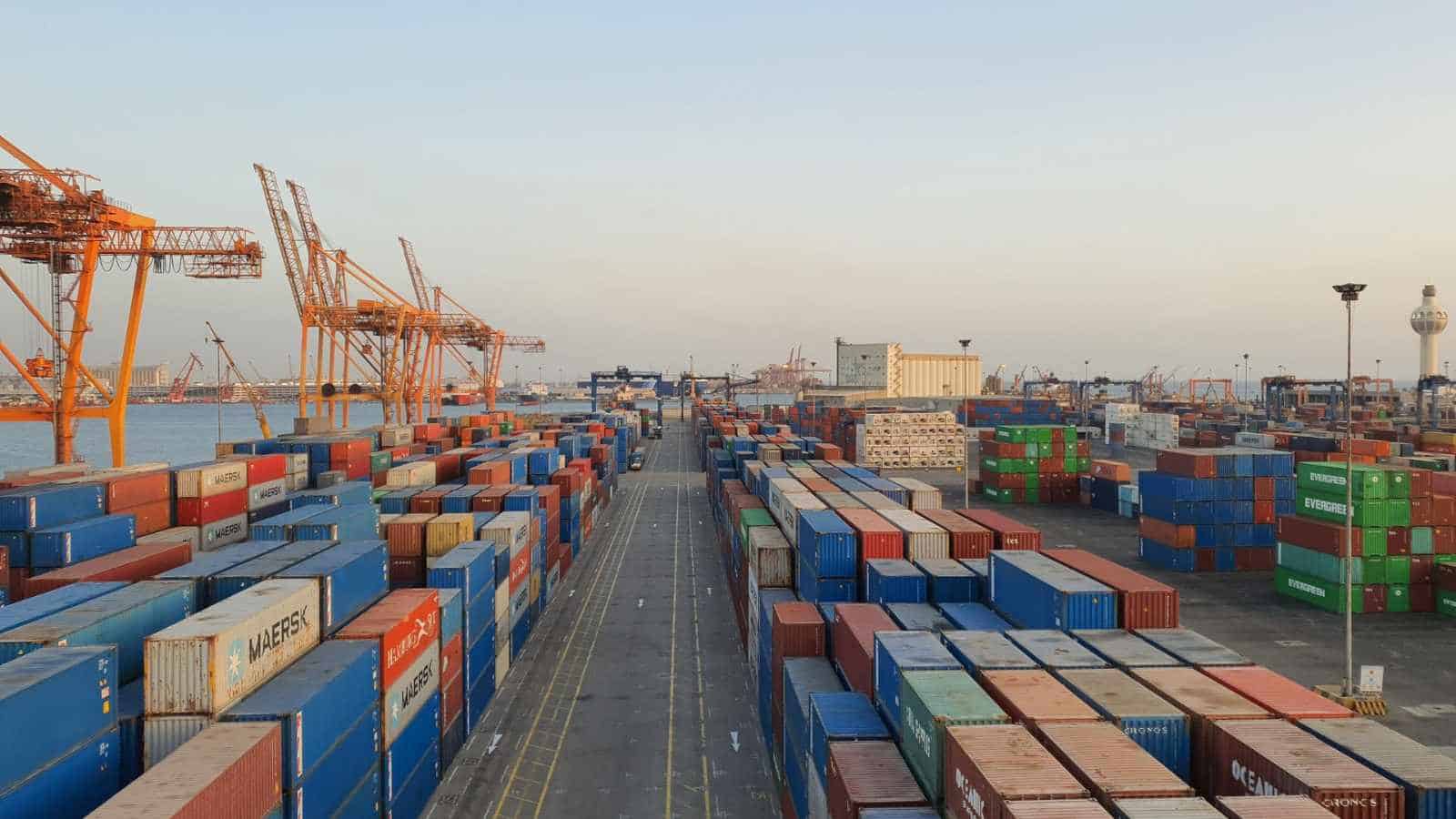
Chokepoints like canals and deepwater ports handle trillions in goods every single year. When a single cargo vessel runs aground, or an engine breaks down, thousands of downstream supply contracts are disrupted simultaneously.
A World Economic Forum survey revealed that 64% of risk experts expect a fragmented global order to strain trade corridors by 2035. Logistics networks struggle whenever key shipping routes face abrupt obstacles.
Delays in international shipping affect everything from heavy factory machinery to personal travel gear stored in ocean containers. Small businesses frequently watch their inventory rot on anchored ships while waiting for port clearances. These prolonged delays strain small business balance sheets, pushing some local merchants toward closure while waiting for basic stock to arrive.
Policy Instability Regulating Foreign Capital

Cross-border investors face rapid policy modifications whenever international trade guidelines change overnight. Sharp shifts in capital controls or foreign investment rules can lock up corporate assets without warning. Tariff escalations reshuffled over $400 billion in trade flows during 2025 alone. Unpredictable regulatory changes force corporations to hold extra emergency reserves.
When national governments abruptly alter tax laws or restrict capital movement, foreign investors pull back their financial backing instantly. Local startup companies and current infrastructure projects suddenly lose access to critical funding sources mid-development.
This regulatory uncertainty discourages long-term international collaboration, slowing economic expansion across developing and developed nations alike.
Sudden Tariff Shift Volatility Impacting Prices
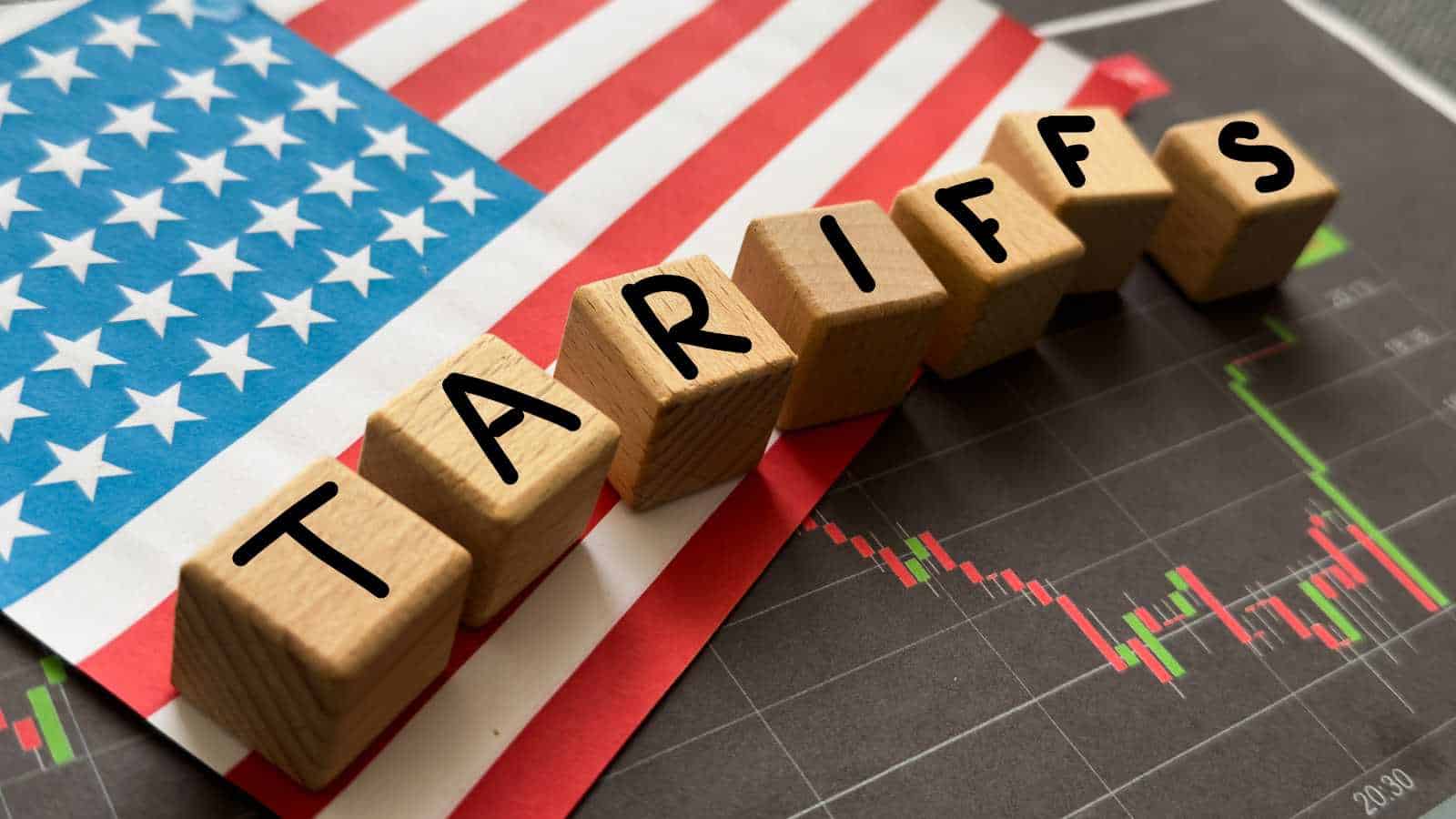
Government trade taxes often alter unexpectedly as political leaders respond to domestic voter pressures. These rapid policy pivots force international manufacturers to rewrite their supply contracts and recalculate product pricing mid-stream. Businesses pass those compliance costs directly down to everyday shoppers.
Sudden import duties force businesses to choose between absorbing heavy financial losses or raising retail prices immediately. Most companies choose to pass these extra regulatory expenses along to consumers, making routine purchases noticeably more expensive. This continuous price unpredictability makes it nearly impossible for families to plan long-term household budgets with real confidence.
Digital Interdependence Vulnerable to Cyber Cascades

Cloud computing networks link corporate operations across countries on shared server infrastructure. A software fault or targeted cyber incident at one major cloud provider can take offline thousands of global businesses instantly.
When central servers experience downtime, payment processing halts, and distribution warehouses freeze up completely. Companies lose millions in revenue during single-hour outages caused by distant technical failures.
Modern supply chains depend heavily on digital tracking systems to coordinate automated warehouse shipments and international customs clearing. When a major central database goes offline, freight trucks sit idle, and cargo ships cannot unload their containers efficiently.
Currency Fluctuation Waves Crushing Import-Dependent Nations

When major central banks change interest rates, exchange rates swing wildly across developing economies. Emerging countries frequently see their purchasing power evaporate overnight, making essential foreign goods unaffordable for regular citizens. These currency drops force families to spend significantly more money just to cover basic living expenses.
Rapid currency devaluation forces domestic merchants to continuously raise their retail shelf prices just to restock inventory. Local wages rarely keep pace with these sudden exchange rate shifts, eroding consumer buying power month after month.
Resource Hoarding Causing Unexpected Shortages
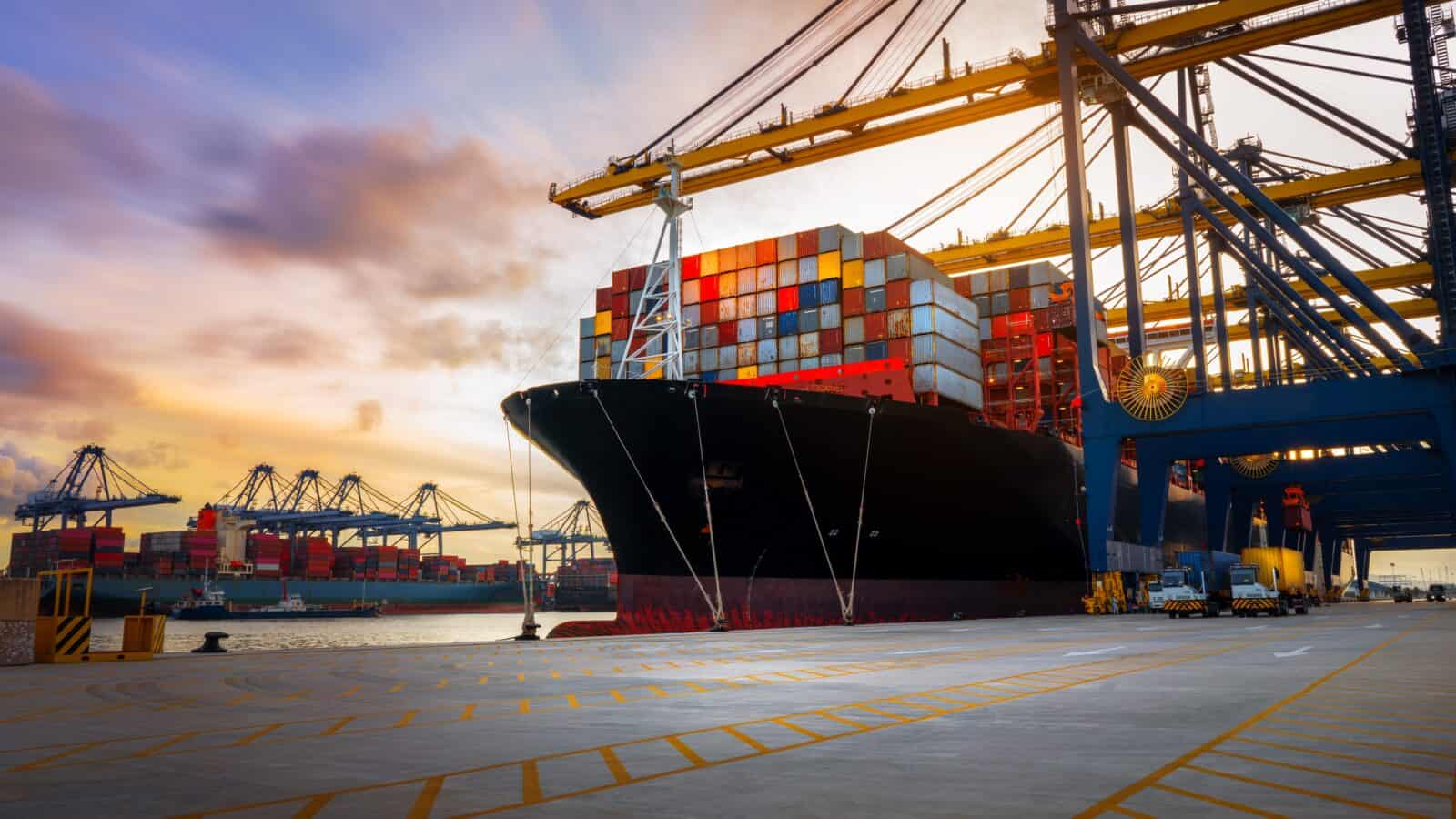
During times of international stress, countries frequently restrict exports of essential commodities like grain or fuel to protect domestic supplies. This panic hoarding triggers immediate price spikes in countries that depend heavily on foreign trade.
When international food and energy supplies get locked behind national export bans, non-producing countries face immediate supply panics. Supermarket shelves empty rapidly as consumers rush to stockpile essential goods before food prices rise.
This defensive economic policy breaks down international trade trust, leaving isolated populations struggling to secure basic daily necessities.
Synchronized Downturns Leaving No Safe Haven

In a deeply integrated world, recessions no longer stay localized inside single geographic regions. Economic distress in major consumer nations quickly depresses manufacturing output across exporting countries thousands of miles away.
Because trade bonds economies together, financial contagion leaves investors with very few domestic places to hide. Downturns strike simultaneously throughout continents, shrinking opportunities for quick international recovery.
When a major economic engine experiences a sharp slowdown, its lowered demand for raw materials flows through international export markets immediately. Producing nations face shrinking factory orders, falling commodity revenues, and rising unemployment rates at the same time.
Key Takeaway

Navigating an interlinked global market requires building strong local safety nets long before international disruptions arrive. Understanding how distant economic disturbances hit home helps consumers and business leaders protect their livelihoods against unexpected systemic waves.
Disclaimer – This list is solely the author’s opinion based on research and publicly available information. It is not intended to be professional advice.
Like our content? Be sure to follow us