Understanding men’s dating struggles: 10 smart ways women can date with clarity
Let’s be honest: trying to navigate modern dating feels a lot like trying to solve a Rubik’s Cube while blindfolded. I have watched countless male friends stare blankly at their phones, totally baffled by a text that seemed perfectly clear to me. It turns out that the view from the other side of the table looks vastly different, and the statistics back this up.
Recent data paints a stark picture of the male dating experience in the USA. According to a Pew Research Center study, 63% of men under 30 describe themselves as single, compared to only 34% of women in the same age group. That is a massive gap. Men face a unique set of pressures, from the “loneliness epidemic” to the crushing weight of financial expectations.
You can actually hack the system if you understand these hurdles. IMO, clarity is the ultimate superpower in today’s dating market. We will look at 10 smart ways you can cut through the noise, understand the struggle, and build better connections.
The Attention Imbalance Is Real, and It Changes Male Behavior

Most large dating platforms show a consistent pattern: men outnumber women, and the distribution of matches is heavily skewed. Independent audits, academic research, and reporting on internal platform data reveal that a minority of men receive most of the matches, while the median male user receives very few.
Men on the scarcity end often escalate quickly; over-texting, rushing intimacy, and emotional disclosure that feels premature. Men on the abundance end delay commitment, hedge options, or disengage casually. These behaviors are often framed as moral failings, but they are more accurately adaptive responses to distorted incentives.
Algorithms worsen this dynamic. Platforms routinely surface aspirational profiles to maintain engagement, even when the probability of a match is low. Rejection becomes constant, ambiguous, and depersonalized.
Treat early dating behavior as a signal, not an explanation. Consistent over-investment or emotional withdrawal in the first month reveals how someone responds to scarcity or excess, patterns that rarely disappear later.
Loneliness Does Not Equal Readiness

The U.S. Surgeon General’s 2023 advisory identified loneliness as a public health crisis, with men reporting fewer close friendships and weaker emotional support networks than women. For many men, romantic relationships have become the primary or only site of emotional connection.
This matters because loneliness creates urgency, not stability. It drives accelerated attachment, early exclusivity talk, or resentment when emotional labor is not reciprocated at the same pace.
Ask who else exists in his emotional ecosystem. A romantic partner should add connection, not function as the entire infrastructure.
Economic Stress Shows Up as Emotional Unavailability

Federal Reserve surveys consistently show that men facing income instability report lower confidence around dating, marriage, and long-term planning. Economic precarity rarely announces itself directly; it surfaces as ambiguity, avoidance, or stalled progression.
Educational trends intensify this. As women’s graduation rates have surged, men’s have stagnated, leaving many caught between outdated provider expectations and diminished economic leverage. The result is relational paralysis: desire without direction.
Vagueness about the future is not humility. It is information.
Also on MSN: Thoughts women have when they say ‘I don’t need a man’
Withdrawal Is a Learned Defense, Not a Mystery

Men are statistically more likely to engage in emotional withdrawal during conflict, particularly those with avoidant attachment patterns. Withdrawal functions as a self-regulation strategy, reducing perceived threat by reducing engagement.
The problem is cumulative. Over time, withdrawal erodes trust, predictability, and emotional safety. Partners experience it as punishment or indifference, even when it originates in overwhelm.
Importantly, withdrawal is reinforced socially. Boys are often rewarded for emotional restraint and penalized for expressiveness. By adulthood, disengagement feels safer than articulation. Understanding this pattern explains behavior, but does not obligate endurance. State emotional expectations clearly and once. Repeated withdrawal after clarity is a pattern, not a misunderstanding.
Many Men Are Dating Without Models, and That Has Limits

This absence often manifests as trial-and-error dating well into adulthood: clumsy communication, misread cues, difficulty repairing conflict. Explanation is useful; over-accommodation is not.
Lack of modeling may account for early missteps. It does not justify chronic disregard, boundary erosion, or refusal to learn.
Assess responsiveness to feedback. Adjustment signals capacity; repetition signals ceiling.
Sexual Access Is Not Commitment, Still

Despite decades of cultural change, social psychology research continues to show persistent gender differences in how sexual intimacy is interpreted. Many men more easily decouple sex from commitment while assuming sex implies emotional availability.
Dating apps intensify this ambiguity by removing shared context, social accountability, and norms of progression. The result is a mismatch framed as miscommunication.
Decide sequencing standards privately. Ambiguity benefits the person with less at stake.
Rejection Hits Male Identity Harder, and That Can Escalate
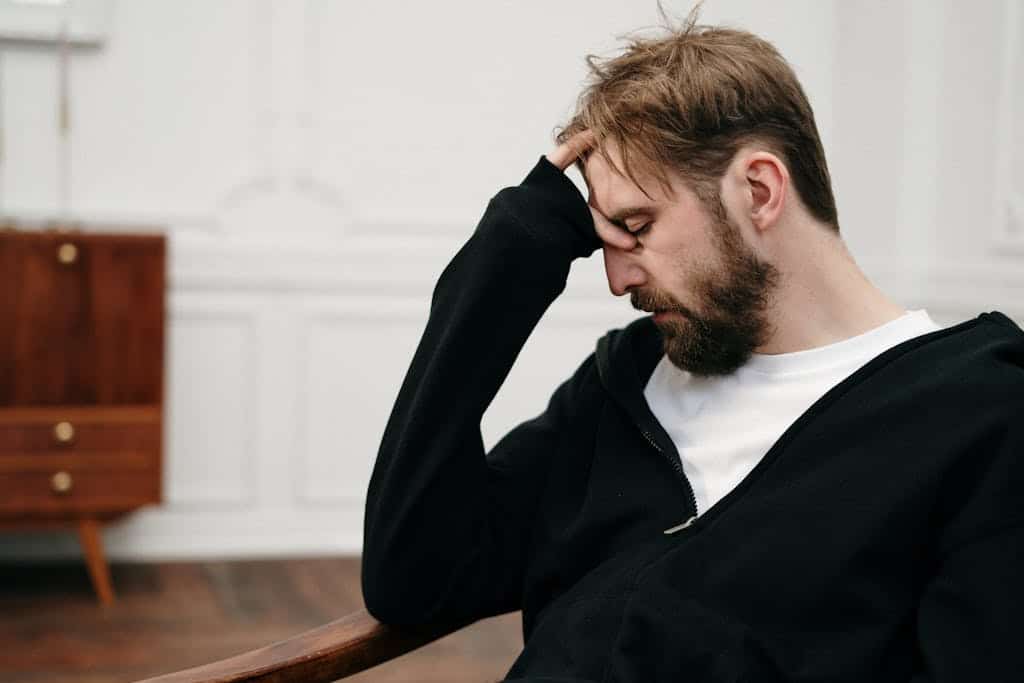
Men are often socialized to link self-worth to romantic success. Rejection registers not merely as disappointment, but as status loss. Gender and criminology research shows that perceived status threat, not rejection itself, correlates with defensive or aggressive responses in a minority of men.
This has implications for women’s safety. Early responses to boundaries are predictive. Respectful disengagement signals regulation; bargaining or guilt signals entitlement.
Observe reactions to “no.” Regulation is baseline, not bonus.
Online Masculinity Content Is Distorting Expectations

Algorithmic platforms reward grievance-driven content because outrage sustains engagement. Many men encounter dating ideology before real-world experience, absorbing adversarial narratives that frame women as obstacles rather than participants.
Media studies show that radicalization pathways often begin with relational grievances rather than ideology, but platform incentives convert that frustration into identity.
This content does not arise in a vacuum. It is curated, amplified, and monetized. If a worldview comes pre-loaded by influencers, disengage early.
Emotional Intelligence Is a Scarce Asset

Workplace, clinical, and relationship research consistently links emotional intelligence with stability and satisfaction. Women, on average, invest more heavily in emotional literacy. Men who do the work stand out, but scarcity does not imply obligation.
Reciprocity matters more than intention.
Track repair attempts, not promises.
Clarity Is Kind Especially to Yourself

Explicit criteria reduce regret and increase satisfaction. Ambiguity favors those with lower relational risk, rarely women.
Clarity is not cruelty. It is efficiency in a distorted system.
Define non-negotiables and flexibles before attachment forms.
Key Takeaways
- Men’s dating struggles are shaped by structural, economic, and algorithmic forces, not individual failure.
- Early behavior reflects incentives more than intent.
- Loneliness and instability explain patterns; they do not excuse harm.
- Heterosexual dating is louder because it is larger and more commodified, not because alternatives are thriving.
- Clarity saves time, ensures safety, and conserves emotional bandwidth.
Disclosure line: This article was written with the assistance of AI and was subsequently reviewed, revised, and approved by our editorial team.
Like our content? Be sure to follow us