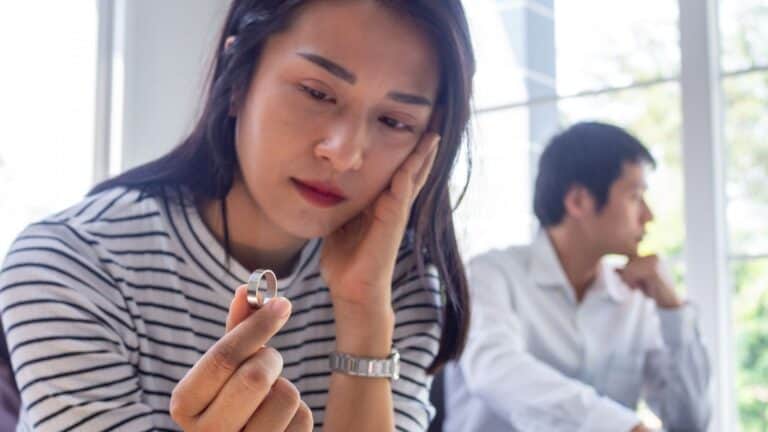
Even “good guys” don’t get a pass on these 12 mistakes
In 2026, “I’m a good guy” doesn’t impress anyone by itself. It is the relationship equivalent of saying “I washed my hands before cooking.” Necessary, yes. Special, not really. American women are spelling out what actually matters now: emotional safety, shared effort, and the courage to act like a partner, not a spectator.
The Survey Center on American Life’s “From Swiping to Sexting” reports show that women are more likely than men to label a long list of traits as dealbreakers, from apathy to dishonesty.
Against that backdrop, being a “good guy” is just your ticket into the stadium. What matters now is what you do once you’re on the field
Hiding Attraction and Then Complaining About the Friend Zone

You’re funny, supportive, always there at 2 a.m., and somehow still “just a friend.” The plot twist is that she can’t say yes to a question you never asked. “Withholding desire” is one of the biggest mistakes nice guys make, because women never get a clear romantic signal to respond to.
Feminist blogger Stavvers, in her viral essay “Nice guys, the friendzone and sexual entitlement” on AnotherAngryWoman, warns that this transactional kindness often curdles into resentment. Sociologist Michael Kimmel even calls this “aggrieved entitlement,” where some men feel victimized simply because women have their own preferences.
Acting Kind but Secretly Feeling Entitled to a Relationship

There’s a version of “nice” that feels like a Trojan horse: soft voice, thoughtful texts, and a silent scroll of expectations taped to the underside. A 2025 analysis in The Conversation tracks how some “nice guy” narratives slide from flowers and favors into guilt, stalking, or emotional blackmail when a woman says no.
Women interviewed in that piece described men who bragged about being “so emotional” yet became threatening when their feelings weren’t rewarded with romance. Stavvers’ essay on AnotherAngryWoman connects the classic “Why don’t women want guys like me?” complaint to a wider culture of male sexual entitlement and hostility toward women.
Doing Zero Emotional Labor and Calling It “Low Drama”

A lot of good guys swear they’re “low drama,” but what they really mean is “I’d like you to handle all the emotions for both of us, thanks.” Emotional labor is the invisible work of remembering birthdays, noticing moods, smoothing conflicts, and quietly making life run.
UN Women reports that globally, women do about 2.6 times more unpaid domestic and care work than men, and that includes the mental and emotional load. Social media has let women “compare notes,” and many are now opting out of relationships where they’re expected to be manager, mother, and in-house therapist at once.
Imbalance in emotional labor is a major source of resentment and burnout.
Poor Communication and Avoidance Instead of Honesty

Some men would rather fake their own death than send a text that says “I’m not feeling a romantic connection.” Women consistently rank vague, inconsistent communication as one of their biggest turn-offs, especially now that ghosting and breadcrumbing are almost normal online.
About 30% say they’ve been ghosted, rising to 42% among 18 to 29 year olds and 62% among active dating app users. The Daily Citizen at Focus on the Family adds that only about a third of daters feel comfortable talking about their feelings on a date, which means emotionally straightforward men stand out like rare birds.
Being “Supportive” but Never Taking Initiative

“I’m easy, I’m down for whatever” sounds chill until she realizes it means she has to plan everything forever. Both men and women see apathy and lack of motivation as major red flags, especially for long-term relationships.
Psychiatrist Grant H. Brenner, MD, notes that “apathetic” is rated the biggest dealbreaker, even ahead of “clingy” or “gross,” which tells you how unattractive it is to feel like you care more than your partner.
Another survey found only 42% of daters felt good at managing their emotions, and just 36% felt good at reading social cues, so real effort and initiative are rarer than people think.
Expecting Extra Credit for Basic Respect

There’s a strange trend where some men talk about “not cheating” or “never hitting a woman” like they just cured a disease. A 2025 U.S. survey by Shiny Smile Veneers on dating dealbreakers found the top three were bad hygiene, being racist, and being self-absorbed, which are baseline character issues, not advanced skills.
Over half of Americans in that survey admitted they’d dated someone who ticked at least one of their hard dealbreakers, especially when attraction was high, which has pushed many women to double down on their boundaries.
Pew data also shows women are more likely than men to report being pressured for sex or touched in ways that made them uncomfortable, which helps explain why basic respect is absolutely non-negotiable.
Also on MSN: 11 Little Dating Lies Most Women Have Told at Least Once
Offloading All Planning and Mental Load onto Her

Some men think saying “I don’t mind, you pick” is generous, when it’s actually assigning her unpaid project-manager duties for life. In a feature from The Temple News on emotional labor, therapists describe the “mental load” as constant planning, anticipating, and worrying about tasks that no one else is tracking.
Women are exhausted from carrying this invisible backpack and increasingly want partners who share it, rather than “helping” only when asked. Therapists link chronic imbalance in emotional and mental labor to burnout, resentment, and women quietly deciding they’d rather be single than raise a grown man.
Being Conflict Avoidant Instead of Emotionally Mature

A lot of good guys mistake “never bringing anything up” for being healthy and laid-back. Women are getting better at spotting the difference between a man who’s genuinely calm and one who just shuts down, stonewalls, or people pleases until he explodes.
The Daily Citizen’s piece on the “American Dating Drought” reports that only 42% of people felt good at managing their emotions on a date, and just 36% felt skilled at reading social cues, so conflict competence remains rare.
Couples therapists warn that emotional stonewalling is one of the biggest predictors of relationship breakdown, even when everything else looks fine on paper.
Making S3x and Attraction Her Responsibility

The “nice” version of pressure isn’t loud, it’s quiet sighs, guilt trips, and keeping score when she’s not ready. Pew data shows women are more than twice as likely as men to say someone they dated pressured them into sex, 42 percent compared with 19 percent.
Articles on women’s biggest turn-offs list sexist language, mansplaining, and treating women like objects as instant “nope” buttons, no matter how kind the guy is in other areas.
Many women now say a man’s attitude toward consent and bodily autonomy matters as much as chemistry, which means respect is part of attraction, not separate from it.
Living Without Ambition and Calling It “Chill”

There is a romantic difference between “I’m resting” and “I’ve been spiritually horizontal since 2017.” For long-term partners, “unmotivated” ranks just behind apathy and “gross” as a major deterrent.
Dating advice aimed at women consistently lists “no ambition” and “no growth” among the main reasons they leave otherwise kind men. Pew research also finds that women are more reluctant than men to date someone who earns significantly less, often treating income as a rough indicator of stability and effort rather than pure status.
Playing the Victim of “Modern Dating” Instead of Owning Growth

A lot of men are genuinely tired of dating apps, but constant rants about how “good guys can’t win” land more like a conspiracy theory than vulnerability. Mentor Research’s report found that 64 percent of U.S. male app users felt insecure about how few messages they received, which is a real pain point, not just whining.
Another survey by The Daily Citizen reported only 33 percent of men felt confident reading social cues while dating, highlighting a skills gap that could be improved rather than blamed on “modern women.” When men cast themselves as victims of women as a group, that story can morph into hostility, harassment, or even stalking.
Treating Online Only Effort as a Real Relationship

There is a growing crop of “good guys” who can send long, sweet texts but never quite make it out of the chat box. A 2024 relationship survey, widely circulated in a viral Instagram reel, highlights that around 45 percent of Gen Z men had never asked someone out in person, leaning on screens because of anxiety and fear of rejection.
Pew data shows men are more likely than women to have used online dating, 34 percent versus 27 percent, yet many still feel stuck in situationships and endless texting loops.
Plenty of men report having “great conversations for a few days” that vanish when they try to set up a real date, which only deepens women’s preference for partners who take clear offline action.
Like our content? Be sure to follow us