10 reasons America’s greatest public housing project ended in ruin
The dream of mid-century urban paradise collapsed into a pile of concrete and broken promises in St. Louis. Completed in 1954, the Pruitt-Igoe housing development was hailed as an architectural triumph that would rescue thousands from crumbling tenements.
Early resident Frankie Mae Raglin praised the 33-tower complex as the nicest place she had ever had. Yet, within twenty years, this vertical oasis deteriorated so rapidly that federal authorities resorted to dynamite to clear the entire site.
A complex mix of political, economic, and social forces doomed the massive project from its very inception. Experts and former residents argue that systemic neglect, rather than architectural design alone, triggered the decline. Understanding this collapse requires examining the hidden policy failures that undermined the development.
Federal cost limits forced high-rise monotony

The initial architectural design featured a human-scale mix of low, mid, and high-rise structures. However, the Federal Public Housing Administration intervened, imposing a rigid 11-story height limit to cut costs. This federal intervention crammed 15,000 residents into massive, uniform concrete slabs.
Ultra-cheap construction materials ensured instant physical decay

The housing authority routinely substituted high-quality materials for substandard alternatives during construction. Doorknobs and locks broke on their initial use, while windowpanes regularly blew out under normal wind pressure. These structural compromises left the buildings looking dilapidated within just four years.
Dangerous skip-stop elevators created isolated crime zones

To save another twelve percent in construction costs, elevators stopped only on every third floor. This forced vulnerable residents, including children and the elderly, to navigate long, dark stairwells. Criminal gangs quickly occupied these unmonitored transit paths to prey on passing tenants.
Draconian welfare rules actively broke families apart

Government aid guidelines dictated that no able-bodied man could reside in a household receiving public assistance. Night patrols regularly stalked the corridors of the complex to catch and evict resident fathers.
This cruel surveillance forced families to separate, stripping households of supportive adult males.
Racial segregation and suburban flight drained the community

Pruitt-Igoe was built to hold segregated populations, with separate buildings planned for Black and white tenants. Following the 1955 desegregation, white families avoided the complex and fled to the suburbs.
This mass migration turned the development into a segregated, underfunded enclave for the poorest citizens.
A massive local population decline destroyed the tax base

Between 1950 and 1970, the broader city of St. Louis lost approximately thirty percent of its population. The housing complex soon faced a severe vacancy crisis as working-class families left. By 1972, the vacancy rate was the highest of any public housing project in America.
Operational budgets lacked any safety net funding

The federal government allocated zero operating funds for maintenance, forcing the complex to rely solely on tenant rents. When vacancy rates surged, the housing authority immediately slashed maintenance budgets to survive. This funding model triggered a rapid, irreversible downward spiral of physical neglect.
Planners isolated the development from economic life
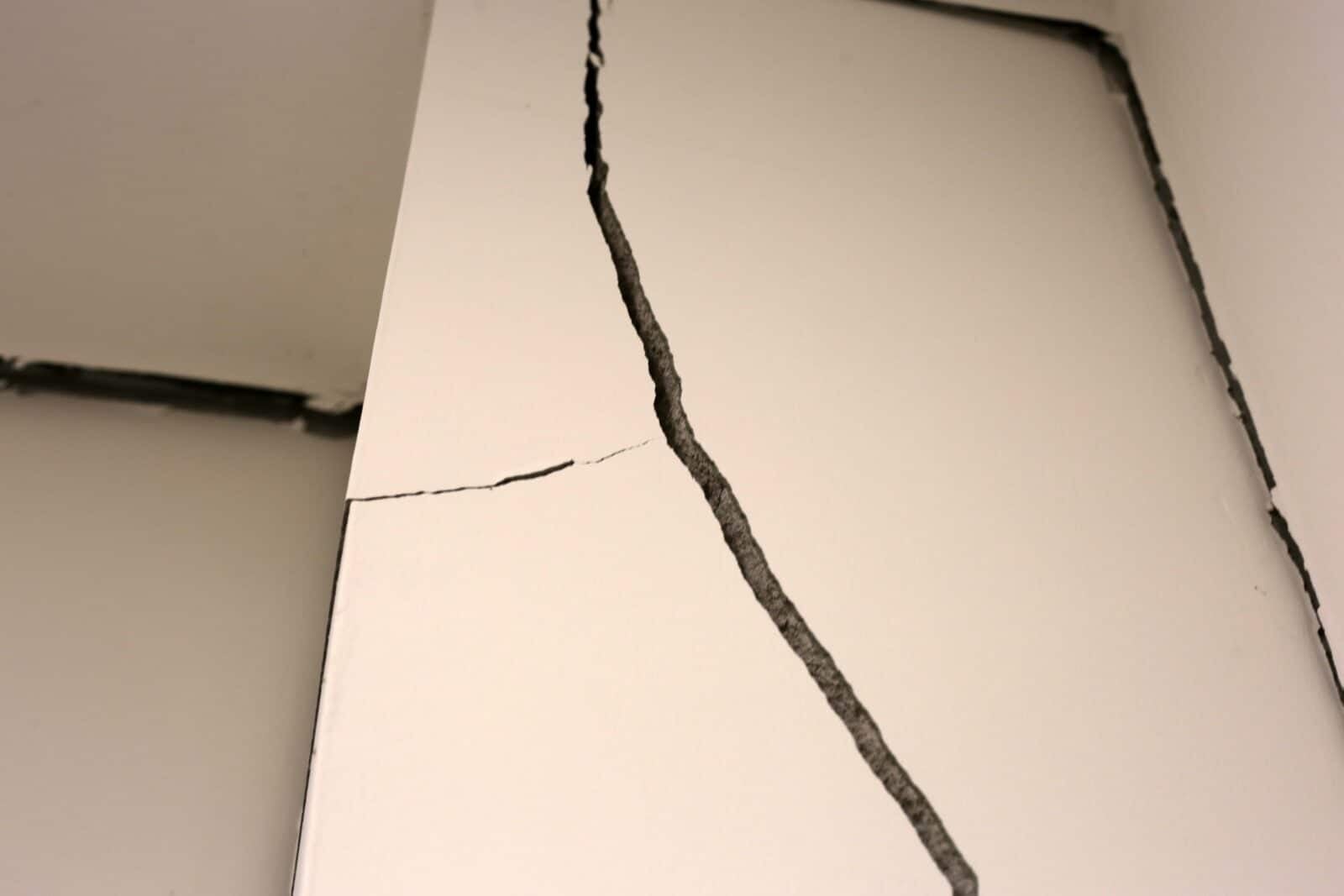
To save money during development, planners eliminated all ground-floor businesses and public mailboxes. The 33 towers sat marooned in an economic desert, surrounded by decaying slums with no shopping or recreation. This total isolation cut residents off from jobs, commerce, and normal civic engagement.
Police bias and systemic abandonment created a security vacuum

Local law enforcement officers frequently ignored calls for help, writing off the tenants as troublesome. Police neglect forced mothers to train their children to form survival groups to cross the complex. This security failure allowed a small number of transients and gangs to terrorize the vast majority of peaceful residents.
City elites used public housing as a tool for slum clearance
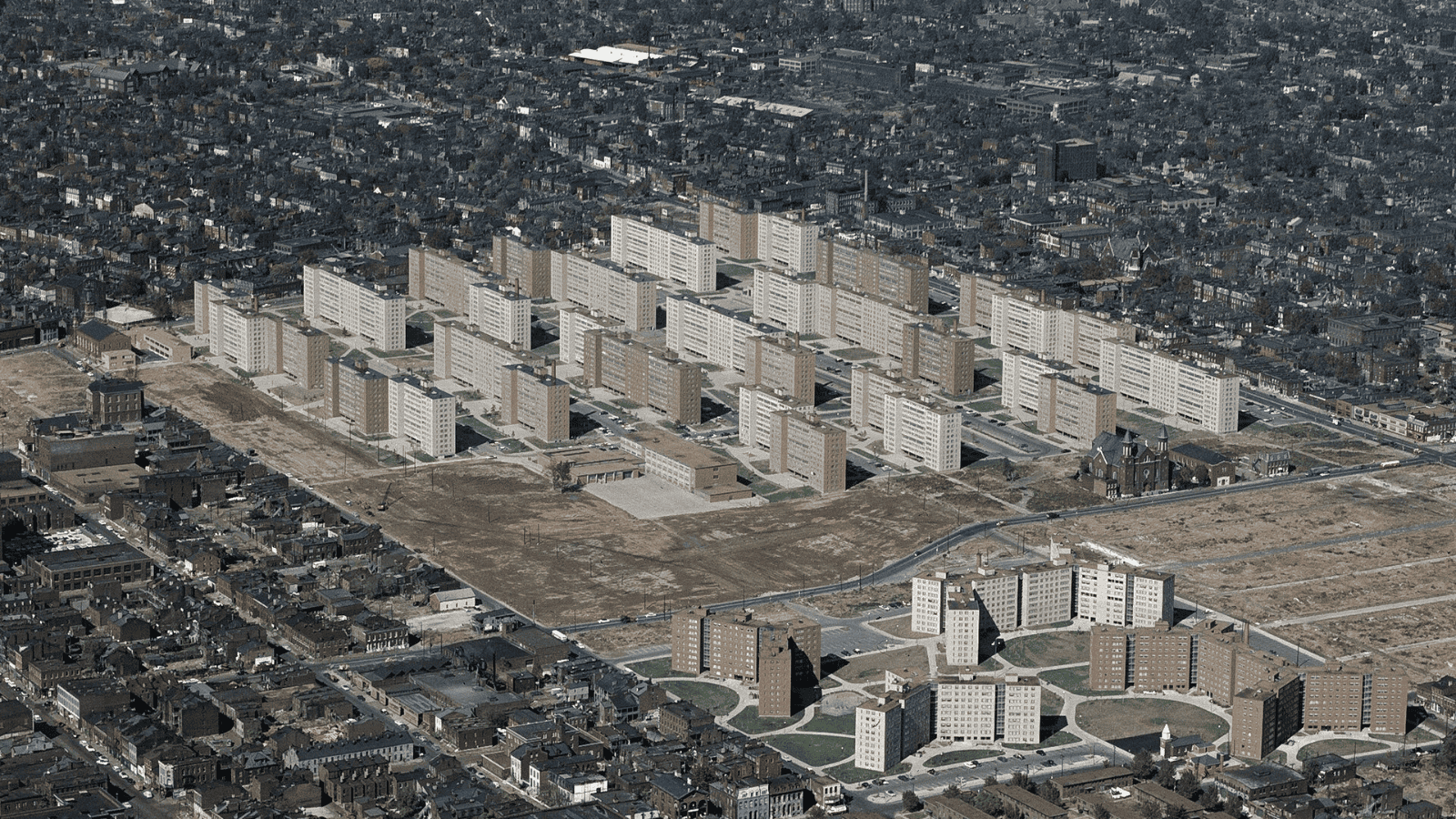
St. Louis politicians constructed the high-density towers to prevent expanding slums from engulfing the central business district. The primary goal was to protect downtown real estate values rather than to support the displaced families. Once the poor were contained, the city quickly abandoned the complex to bureaucratic indifference.
Key takeaway

The ruin of Pruitt-Igoe was not caused by architectural ambition, but by systemic racism, poor maintenance funding, and federal neglect. The complex stood for only two decades before its dramatic televised demolition marked a tragic end. Ultimately, it serves as a lasting warning about the dangers of isolating impoverished communities without adequate support.
Disclaimer – This list is solely the author’s opinion based on research and publicly available information. It is not intended to be professional advice.
Like our content? Be sure to follow us