12 reasons why good employees leave a company
You rarely lose a great employee overnight. Most employees leave the way people abandon a terrible group chat: slowly, quietly, and after tolerating a way-too-toxic environment for far too long.
iHire’s 2024 Talent Retention report points to the same uncomfortable truth: employees don’t just quit for bigger paychecks. They leave due to poor leadership, burnout, a toxic culture, and a lack of growth, all of which slowly wear them down.
One ignored concern turns into five. One exhausting month turns into a year. Then, suddenly, your top performer hands in a resignation letter, and management is completely blindsided.
If you want to understand why good employees leave a company, you need to look beyond salary discussions. Here are the biggest reasons employees walk away from jobs they once cared about.
Poor Leadership Pushes Employees Away

Bad leadership drains motivation faster than almost anything else at work.
You can enjoy your responsibilities, respect your coworkers, and still dread opening your laptop because your manager creates constant stress. Micromanagers especially turn normal workdays into emotional obstacle courses.
Recent workplace research published through PubMed Central found that leadership behavior plays a major role in whether employees stay or leave. A separate study from Walden University also linked unsupportive managers with significantly higher resignation rates.
This problem usually starts small. Your manager ignores feedback, constantly criticizes employees, or changes expectations every five minutes. Over time, trust disappears. Eventually, you stop thinking about growth and start thinking about escape routes.
Toxic Work Environments Drain Your Energy

You can usually spot a toxic workplace within days. Meetings feel tense. Coworkers gossip nonstop. Nobody speaks honestly because people fear backlash or embarrassment. The atmosphere feels heavy, as if everyone has collectively forgotten how to enjoy their jobs.
Research published through PubMed Central found that hostile work climates, workplace conflict, and bullying significantly reduce employee retention. Psychologically unsafe environments strongly contribute to voluntary turnover.
This one hurts companies badly because high performers usually leave first. Skilled employees know they have options elsewhere, so they don’t stay trapped in dysfunctional environments forever. Nobody wants to spend forty hours a week inside what feels like an emotional reality TV show.
Lack of Recognition Makes Employees Feel Invisible

Employees want to feel appreciated. That doesn’t mean workers expect confetti cannons every Friday afternoon, but workers still notice when leadership ignores their effort month after month.
Research published in the EPRA International Journal found a direct relationship between employee recognition systems and retention. Workers who felt undervalued or overlooked reported lower job satisfaction and stronger intentions to leave their organizations.
This frustration builds quietly. You stay late, solve problems, help coworkers, and consistently deliver results, then management barely acknowledges your work. Meanwhile, somebody else gets praised for replying “Thanks!” in a group email. That imbalance crushes morale surprisingly fast.
Career Stagnation Pushes Ambitious Employees Out

Talented employees want growth. You don’t want to stay frozen in the same role, doing the same tasks year after year. Once career progress stalls, frustration starts building quickly.
A recent study published through DOI Research Publications identified training, development, and advancement opportunities as major retention factors. When workers see no path for growth, they often leave, underscoring the importance of investing in professional development to retain talent.
Many companies accidentally create this problem themselves. Managers rely heavily on strong performers, so they avoid promoting them or giving them new opportunities. That strategy works until the employee accepts a better offer elsewhere.
Poor Job Fit Creates Constant Frustration
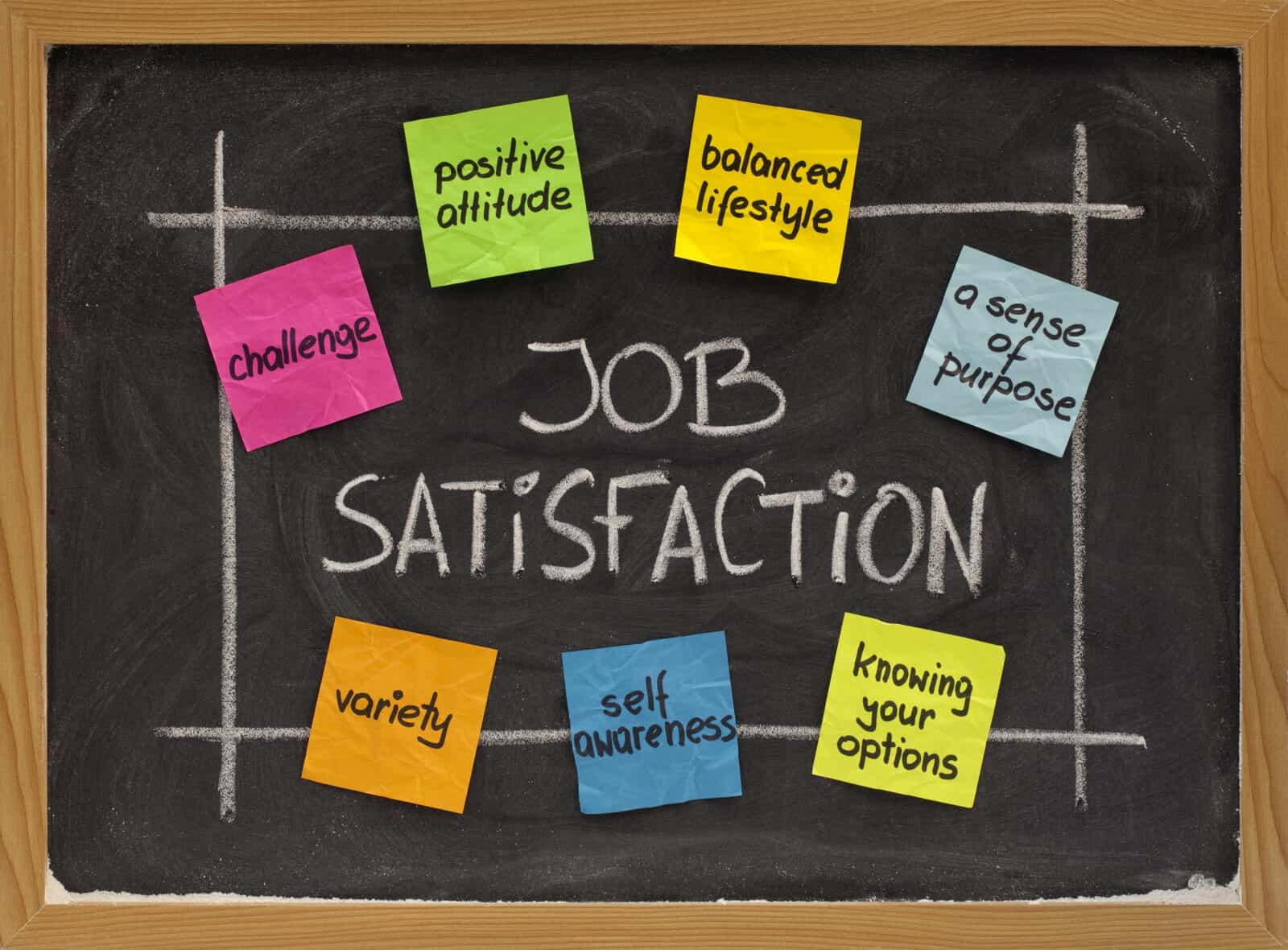
Sometimes the issue isn’t the company itself. The actual role no longer aligns with your strengths, interests, or long-term goals. Even good salaries struggle to compensate for work that feels emotionally disconnected.
Job satisfaction plays a huge role in whether you stick around or start looking for the door. When your daily tasks don’t match your values or your career goals, it’s easy to feel frustrated and start thinking it’s time to move on.
This disconnect usually develops slowly. For example, creative employees feel trapped in repetitive environments. Highly skilled social workers struggle in isolated roles. Over time, work starts feeling less like a career and more like wearing uncomfortable shoes you can’t wait to take off.
Burnout Turns Work Into Survival Mode

Burnout doesn’t strike suddenly. It sneaks in slowly as you face nonstop deadlines, constant pressure, understaffed teams, and workloads that keep growing every quarter.
Here’s the part that catches many off guard: companies often push their best employees hardest. Because leadership trusts you to “handle it,” you end up with extra tasks. Before you know it, you feel like you’re running a marathon on a treadmill that never stops.
Poor Work-Life Balance Creates Resentment
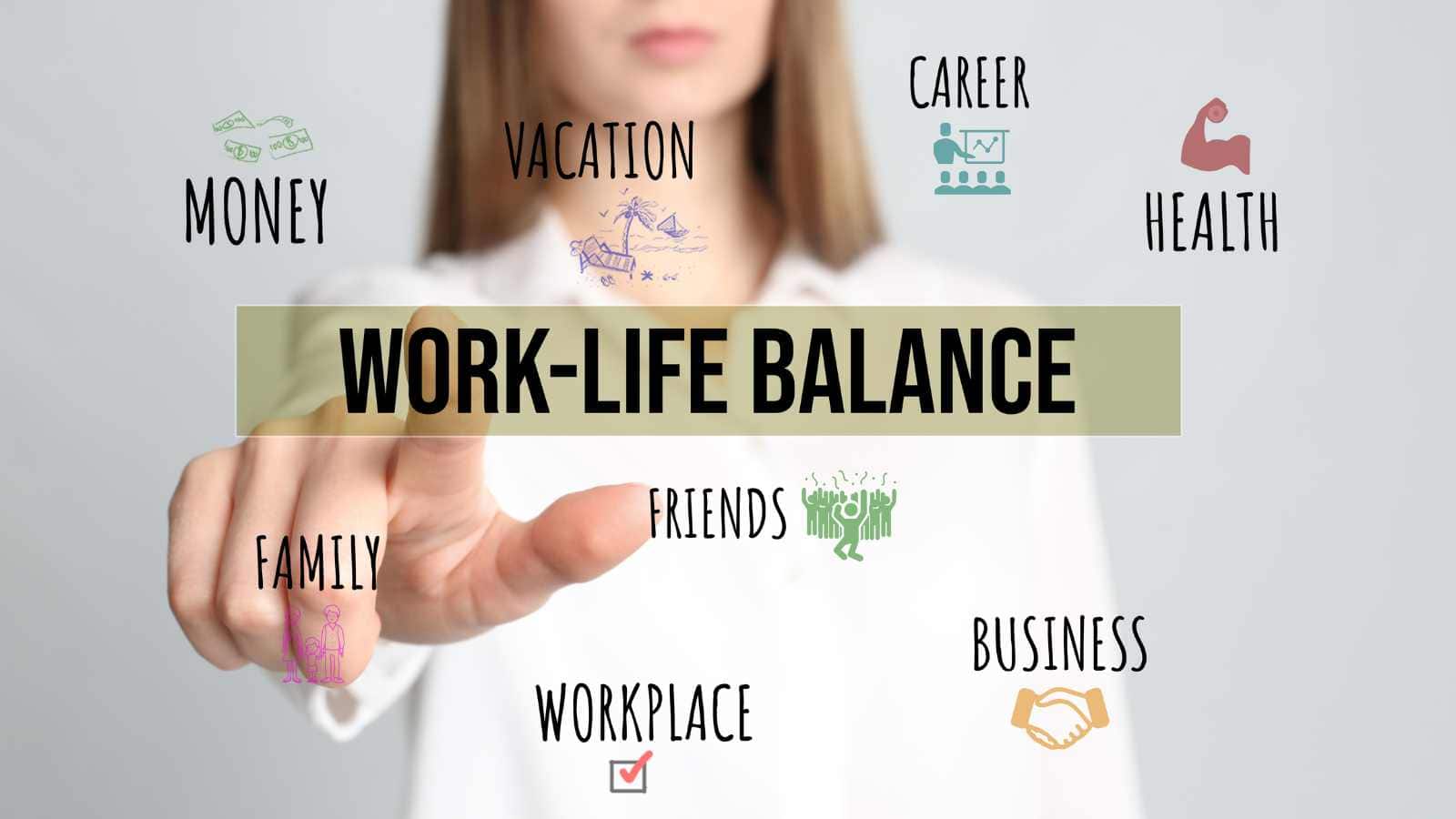
You need time outside work to function like a normal human being. Endless overtime, late-night emails, and interrupted vacations eventually make employees feel emotionally trapped.
A report from the International Review of Management and Marketing found that work-family conflict directly increases turnover intentions, while excessive workload and inflexible schedules lower retention and job satisfaction.in reduced retention and job satisfaction.
Many companies still treat overworking employees like a badge of achievement. Meanwhile, workers quietly burn out behind the scenes. Here’s the kicker: resentment builds long before employees officially quit. Most people mentally check out weeks or months earlier.
Inadequate Compensation Weakens Loyalty

Money isn’t everything, but unfair pay definitely pushes employees toward the exit faster. You notice quickly when your workload keeps increasing while your paycheck barely changes.
It’s especially frustrating when companies expect loyalty but offer salaries that barely compete with other options. Talks about “company culture” quickly lose their appeal when another employer offers significantly better pay.
Employees Expect Flexibility Now

The workplace changed dramatically after the pandemic. Employees discovered they could stay productive without sitting under fluorescent office lights five days a week, pretending to look busy.
A Pew study found that 45% of employees left because they felt they didn’t have enough flexibility in their work hours. In many industries, flexibility now matters almost as much as compensation. Companies that refuse to offer hybrid work while competitors do risk losing their top talent, and recruiters are well aware of it.
Weak Company Culture Pushes People Away

This disconnect creates emotional distance quickly. Employees stop feeling connected to the organization and begin to view their jobs as temporary. Once that mindset takes hold, retaining talent becomes much harder.
Company culture affects everything, even when leadership acts like it doesn’t. Employees pay attention to how managers communicate, how teams handle mistakes, and if the leadership actually lives the values displayed on office walls.
This disconnect quickly creates an emotional wedge, leading employees to view their jobs as temporary and forcing the company to struggle to retain top talent.
Employees Leave When Nobody Listens

Employees want transparency, fairness, and genuine communication. When companies ignore feedback or make decisions behind closed doors, trust disappears surprisingly fast.
Research published in PubMed Central found that organizational injustice and a lack of transparency significantly increase turnover intentions. Employees feel more dissatisfied when promotions, workloads, and rewards lack fairness or clear decision-making criteria.
This issue becomes especially frustrating when leadership asks for “honest feedback” and then reacts defensively every single time employees provide it. Eventually, workers stop speaking up completely. Silence replaces trust, and disengagement follows shortly after.
Companies Lose Talent When They Waste Potential

Talented employees want meaningful opportunities to grow and contribute. You don’t want to spend years feeling underutilized while your skills sit unused in the background.
Research from RSIS International found that weak talent management practices significantly reduce employee retention. This problem feels especially frustrating for ambitious workers. You know you can contribute more, but leadership keeps assigning repetitive tasks with no clear path for growth.
Eventually, another company notices your potential and offers the opportunities your current employer ignored.
Key Takeaways

Good employees rarely quit because of one terrible day at work. Most employees leave due to repeated frustration, poor leadership, burnout, lack of appreciation, or limited career growth for far too long. By the time somebody submits a resignation letter, they have usually checked out emotionally weeks earlier.
Research continues to show that employees stay longer when companies create supportive, flexible, and respectful workplaces. Strong leadership, fair compensation, healthy work-life balance, and real growth opportunities matter far more than free snacks in the breakroom or motivational posters near the printer. This one surprises some companies, but people actually want to feel valued at work.
If you want to keep talented employees, you need to build a workplace that people genuinely enjoy being part of. Employees want trust, recognition, flexibility, and meaningful work rather than emotionally draining work. Ignore those needs for too long, and another company will happily hire the people you failed to keep.
Disclaimer – This list is solely the author’s opinion based on research and publicly available information. It is not intended to be professional advice.
Like our content? Be sure to follow us