10 reasons why more Americans are practicing religion without ever stepping inside a church
The traditional American church pew is emptier than ever, but spirituality is secretly thriving in unexpected places.
Weekly church attendance across the nation, according to Gallup News, has slumped to just 30%, while a staggering 55–57% of adults now seldom or never attend services.
This drop doesn’t mean Americans have suddenly abandoned their belief in God; they are simply redesigning faith on their own terms, far outside institutional walls.
The rise of the spiritual but not religious identity

A massive slice of the American population has embraced a brand-new spiritual category. Roughly 22% of adults now identify as “spiritual but not religious.” This label represents a “negative identity” for people deeply turned off by organized religion.
Deepening distrust of traditional religious institutions
Skepticism toward institutions has hit an all-time high across the United States. Many Americans are anti-institutional now, losing trust in banks, media, and churches alike.
This isn’t just about laziness; it’s a deliberate moral boundary. Bad experiences with religious people also drive individuals away.
The explosive boom of mobile faith apps
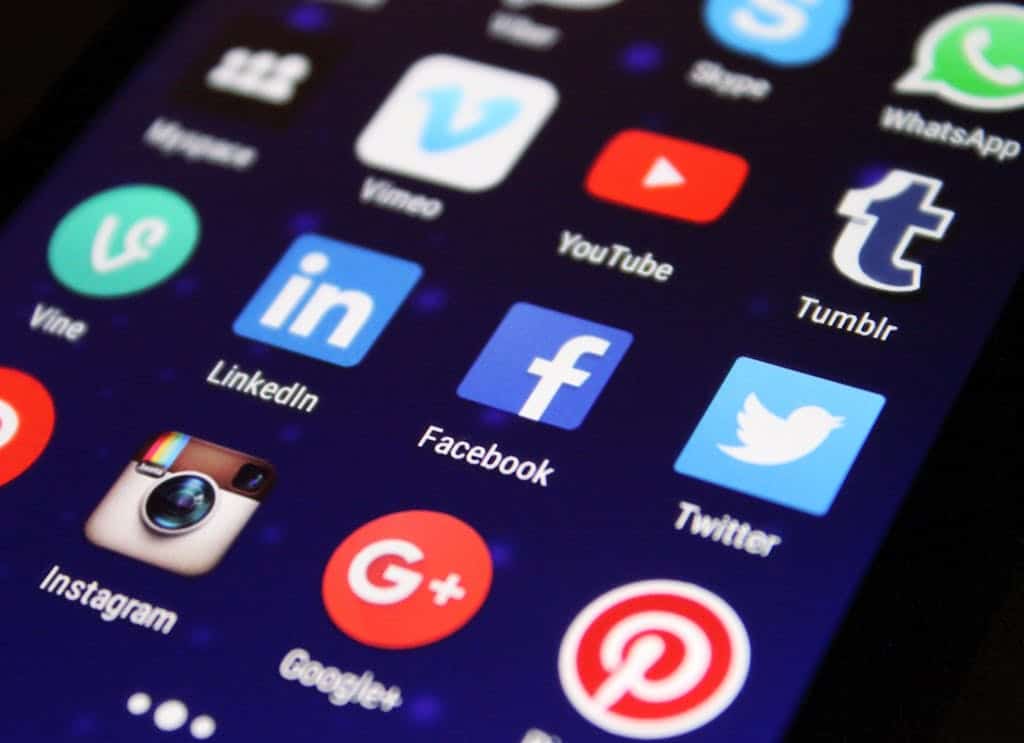
High-tech tools are making it incredibly easy to connect with the divine on the go. Downloads of religion and spirituality apps have skyrocketed by 79.5% since 2019. The smartphone has essentially become the new personal chapel for millions of busy professionals.
YouVersion has nearly 1 billion installs, and the Catholic app Hallow has over 25 million downloads. YouVersion CEO Bobby Gruenewald notes an “incredible global momentum around Bible engagement” through these digital portals.
Nature has become the ultimate cathedral

More people are finding God in the great outdoors rather than under steeples. For many, a connection with the natural world is a vital part of being spiritual. Forests, rivers, and mountains are replacing conventional church altars.
Indeed, 71% of SBNR Americans believe spiritual energies reside in mountains, rivers, or trees. Author Diana Butler Bass highlights this spiritual revolution of finding God in the world rather than in cold stone buildings.
The widespread deconstruction of inherited faith

A major wave of theological sorting is currently sweeping through American households. About 42% of U.S. adults report they have deconstructed the faith of their youth. People are systematically questioning and tearing down the dogmas they grew up with.
Barna CEO David Kinnaman explains that “deconstruction can be an important period for addressing backstories.” This process allows individuals to address doubts without immediately abandoning their overall search for meaning.
Poisonous political polarization in the pews

The injection of partisan politics into the pulpit has alienated millions of moderate believers. As churches align heavily with political extremes, many feel forced to choose between their faith and their values. Research shows that people now frequently select their religion based on their politics, rather than the other way around.
Younger Democrats are particularly likely to disaffiliate when exposed to Christian nationalist rhetoric. Rather than entering a polarized battlefield on Sunday, they chose quiet, independent prayer.
The shift toward unmediated spiritual experiences
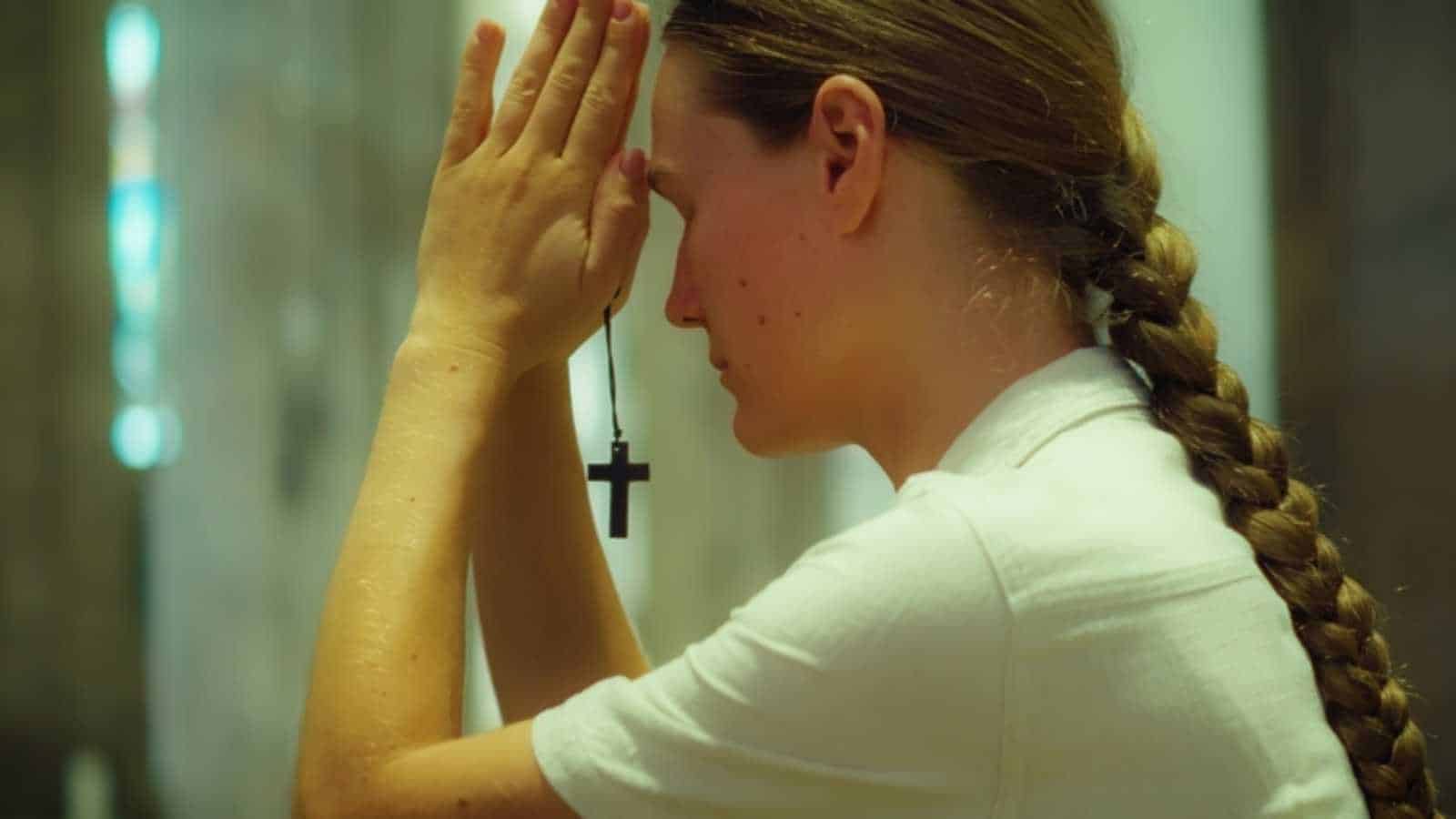
Modern seekers want a direct, intimate relationship with the divine without any middlemen. The hunger for personal, mystical experiences has largely overshadowed formal rituals. Rather than listening to a sermon, people prefer to spend time looking inward.
About 78% of SBNR adults regularly practice centering or looking inward to connect with their true selves. Diana Butler Bass notes that God has become local and unmediated, animating daily human activities in profoundly intimate ways.
The quiet rise of cozy house churches

Faith is shrinking in scale to prioritize deep, authentic community. Gigantic megachurches are growing, but they often leave people feeling anonymous and disconnected. To combat this, millions are turning to decentralized home fellowships.
About 68% of house church attenders report being completely satisfied with their leadership, compared to just 49% in conventional churches. This satisfaction extends to community, connectedness, and spiritual depth. Gathering around a dinner table with bread and conversation satisfies the core biblical command for many.
Rejection of harsh exclusionary doctrines
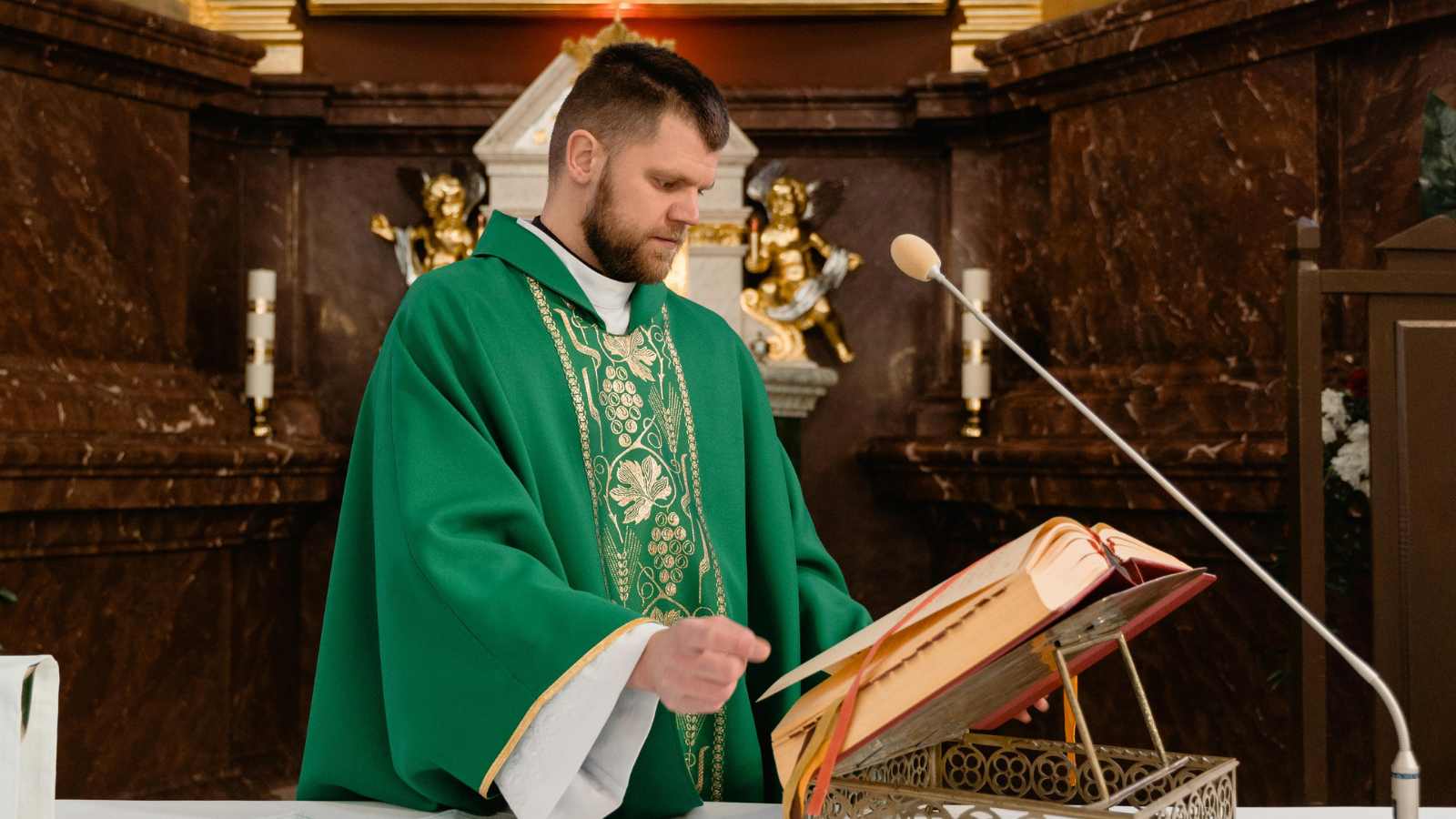
Traditional teachings about eternal torment and rigid exclusions are facing major pushback. Many Americans find it difficult to reconcile a loving God with doctrines of eternal damnation. There is an ongoing transition toward more inclusive, grace-centered spiritualities.
The rise of lived religion in daily routines

Faith is no longer a localized activity confined to a single hour on Sunday morning. It is now “lived religion,” the practice of weaving spiritual meaning into secular daily life. People find sacred moments while working, cooking, or walking. Individuals are cultivating a religious consciousness far beyond formal church walls.
Key takeaway

The landscape of American faith is not dying; it is simply migrating to where people actually live, work, and play. While traditional church attendance has plateaued at historic lows, spiritual curiosity is actually soaring. By stepping outside the church, Americans are taking full personal responsibility for their spiritual lives.
Disclaimer – This list is solely the author’s opinion based on research and publicly available information. It is not intended to be professional advice.
Like our content? Be sure to follow us