10 ways immigrants shaped America from the very beginning to date
It’s impossible to tell the story of America without looking at the millions of immigrants who actually built it.
Newcomers have always been the real engine of American progress, turning a wilderness into a global powerhouse. The famous historian Oscar Handlin once wrote, “Once I thought of writing a history of the immigrants in America. Then I discovered that the immigrants were American history.” Their endless drive has shaped every single corner of the nation.
The hard numbers back this up, showing that foreign-born talent is vital for the U.S. economy. Modern research proves that immigrants don’t just fill empty jobs; they spark massive waves of innovation. This quick look at ten major contributions reveals how different waves of immigrants made the nation what it is today.
Carving out the early canals
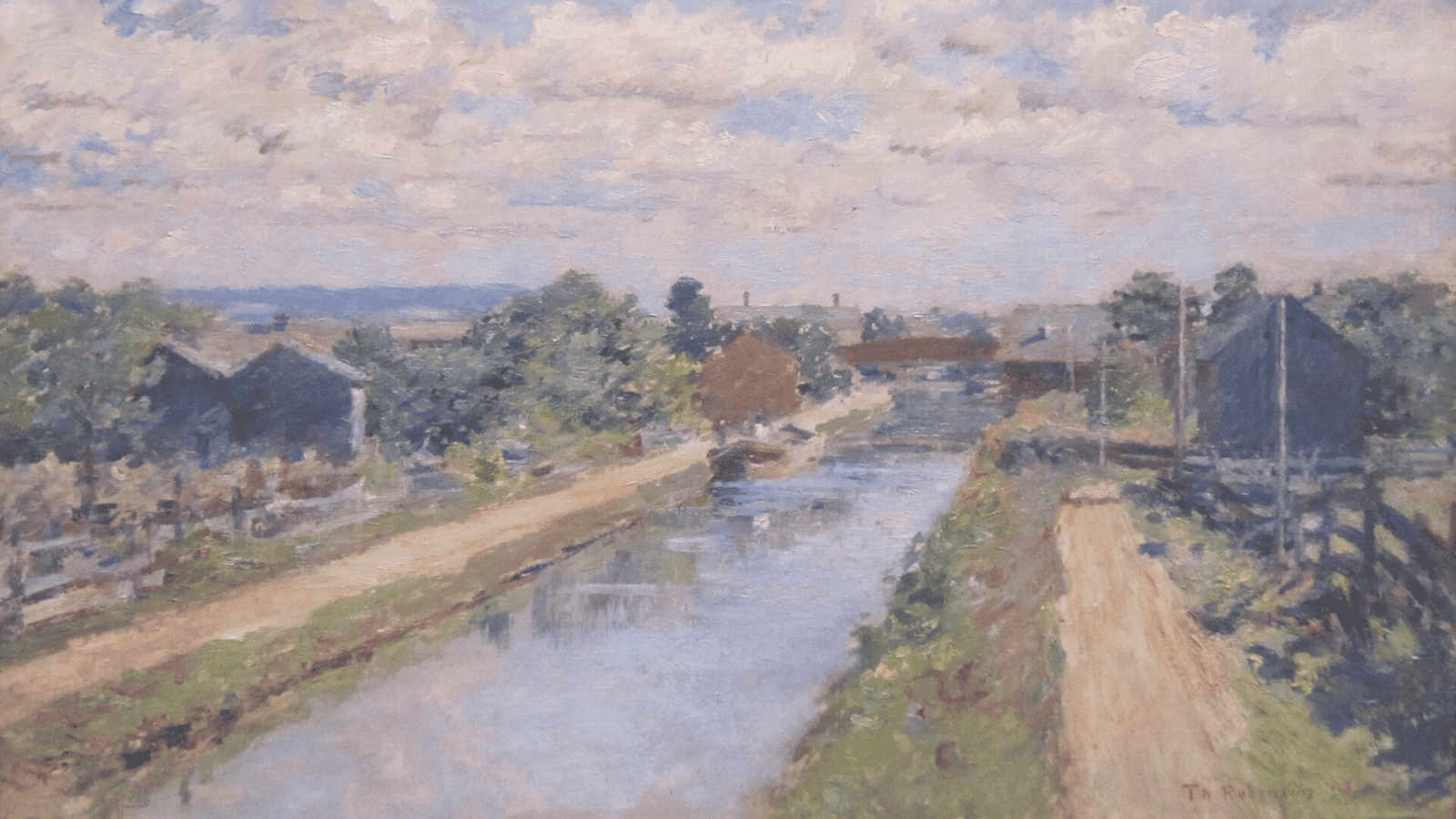
Back in the nineteenth century, building a brand-new nation required brutal, backbreaking physical labor. Fleeing the Great Famine, Irish immigrants dug massive waterways by hand to connect isolated cities to trade. These workers literally carved out the early routes of American commerce.
The 108-mile Delaware and Hudson Canal was dug by hand for just $12 to $14 a month. Irish and German workers did this grueling work to fuel New York City’s economic rise. Sadly, the toll was heavy, with 8,000 dying of cholera on projects like the New Basin Canal.
Uniting the country through railroads

The Transcontinental Railroad completely revolutionized U.S. commerce when it was finished in 1869. It slashed cross-country travel time from six months to under a single week. To complete this, the Central Pacific Railroad hired thousands of Chinese immigrants.
By the time of completion, Chinese workers made up 90 percent of the workforce. They blasted through mountain granite while Irish track layers pushed from the East. Their grueling labor knit together the economies of the West and East.
Powering the agricultural engine

The massive American food system simply cannot run without foreign-born farmworkers. Nearly 972,000 immigrants work in U.S. agriculture, making up 35 percent of the total workforce. They do the difficult harvesting jobs that very few native-born citizens will take.
This sector depends heavily on undocumented workers to keep operations running. Roughly 40 percent of crop farmworkers lack legal work authorization, yet they work long hours in the fields. Their labor directly prevents the nation from relying on expensive food imports.
Defending the nation on the battlefield

Immigrants have fought and died in every major American war since the nation’s founding. During the Civil War, about 25 percent of the Union forces were foreign-born, mainly of German or Irish descent. Over 500,000 foreign-born soldiers served in the Union forces to preserve the United States.
Their incredible bravery has earned them the nation’s highest military honors. Over 20 percent of Congressional Medal of Honor recipients, totaling 716 heroes, were born overseas. Currently, more than 60,000 immigrants serve on active duty, keeping the country safe.
Building corporate empires from scratch

Many of the massive corporations that dominate modern life were started by daring newcomers. In 2025, a record-high 46.2 percent of Fortune 500 companies were founded by immigrants or their children. These 231 corporate giants generated a mind-blowing $8.6 trillion in revenue in 2024.
If measured as a single country’s GDP, their revenue would rank third globally. They employ over 15.4 million people worldwide, keeping the nation highly competitive. American Immigration Council research highlights immigrants as a primary driver of this economic prosperity.
Inventing the future through patents

U.S. technological leadership relies heavily on the brilliant minds of foreign-born inventors. Immigrants make up only 16 percent of inventors in the country, but they generate nearly a quarter of all U.S. patents. They tend to invent in fast-changing sectors like computers and medicine.
Collaborations with local scientists make their actual impact even larger. Immigrants are responsible for 36 percent of total U.S. innovation since 1990.
Winning the world’s top science awards

When it comes to high-level scientific achievements, immigrants consistently dominate the podium. Immigrants have won an astonishing 40 percent of all U.S. Nobel Prizes in science since 2000. In 2025, half of the six American Nobel laureates in science were born abroad.
These brilliant minds regularly tackle some of the biggest crises facing humanity. Chemistry laureate Omar Yaghi, for example, developed ways to extract clean drinking water from desert air. Securing these global brains gives America a massive competitive advantage.
Creating the unique flavors of American food

The classic American diet is really just a delicious collection of global food traditions. Immigrants introduced iconic foods like pizza, hot dogs, tacos, and bagels that are now national favorites. These beloved dishes have evolved over time into massive nationwide food industries.
Immigrant kitchens do more than feed appetites; they bring communities together. Sharing these culinary traditions helps break down cultural barriers and builds empathy. It’s a tasty reminder of how different cultures blend to create something brand new.
Shaping the sound of American music

The music that the world associates with America was heavily influenced by foreign cultures. European newcomers brought bluegrass and polka, while African traditions laid the bedrock for jazz and blues. These distinct styles eventually blended to birth rock, country, and hip-hop.
The constant flow of Latin American music continues to reshape the pop charts today. Modern hits regularly draw from reggaeton and salsa, proving musical evolution never stops. This creative blending keeps the music scene incredibly fresh and exciting.
Saving fading cities from depopulation
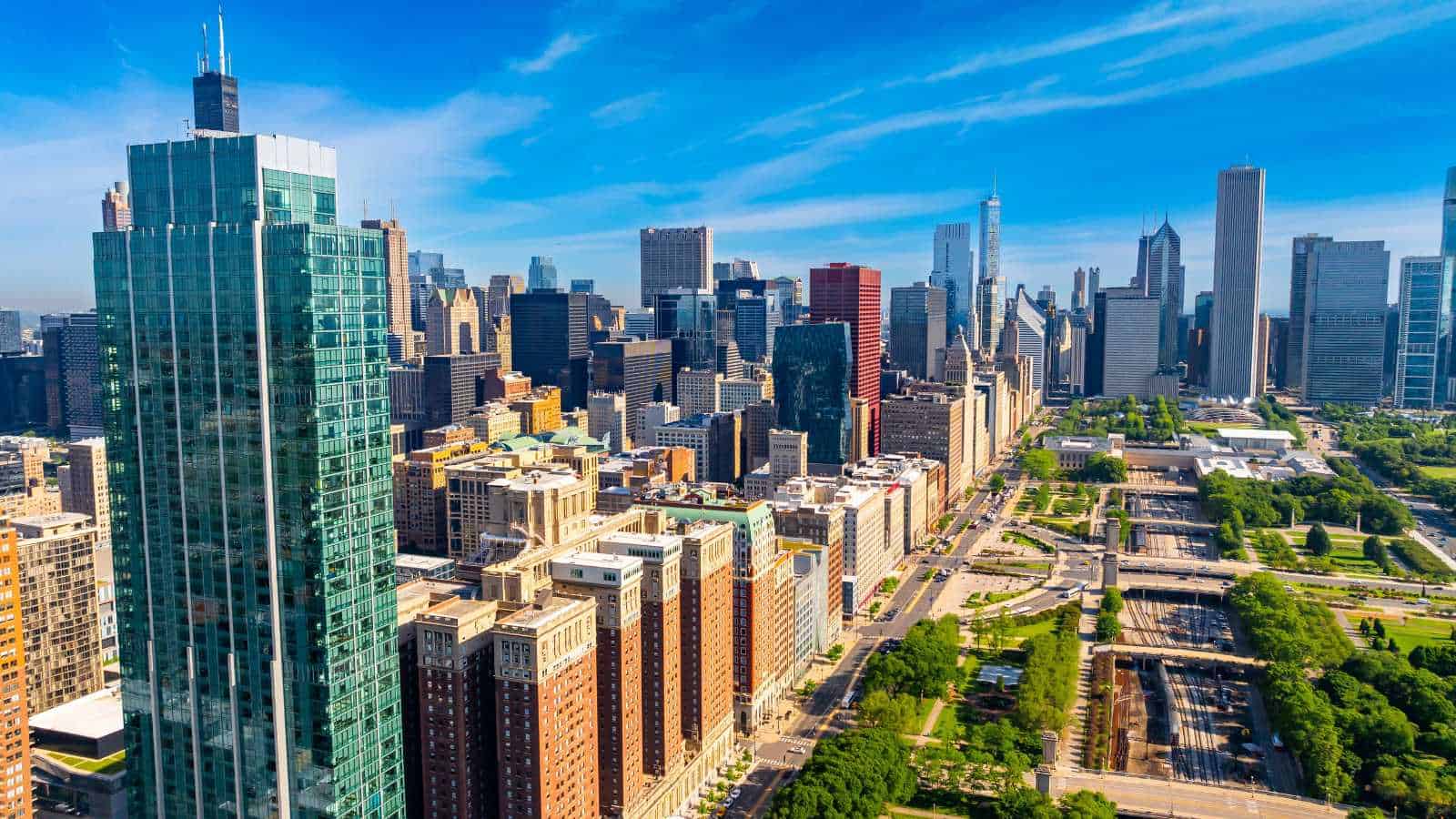
Many struggling Rust Belt cities are surviving today thanks to a steady influx of immigrant families. In depopulating areas like Baltimore, arriving families fill empty houses and restore neglected neighborhoods. Immigrants are the primary shield against urban decay.
These newcomers are 80 percent more likely to start a business than native-born peers.
They open shops, launch restaurants, and create local jobs that revive empty commercial districts. Their presence brings a much-needed boost to fading local economies.
Key takeaway

Immigrants have always been the lifeblood of American success, driving everything from early railroads to modern tech giants. The hard data show that welcoming global talent is a massive win for the economy, science, and culture. Keeping doors open ensures the country remains a vibrant beacon of hope.
Disclaimer – This list is solely the author’s opinion based on research and publicly available information. It is not intended to be professional advice.
Like our content? Be sure to follow us