14 Everyday Things You Can Get Fined for in America That Make No Sense
You probably break the law every day without even realizing it. I consider myself a pretty rigorous rule-follower—I pay my taxes, I return my shopping cart, and I signal before I turn—but when I dug into the obscure world of American municipal codes, I realized I’m basically a criminal mastermind. It turns out, federal, state, and local governments love to slap price tags on behaviors most of us consider totally normal.
Why do these exist? Usually, someone passed a law eighty years ago, and nobody bothered to update it, or a local city council decided to turn a pet peeve into a revenue stream. According to a report by the Fines and Fees Justice Center, local governments in the U.S. generate billions in revenue annually just from fines and forfeitures. If you value your bank account, you might want to read this list before you step outside today.
Feeding the Homeless Without the “Right” Permit
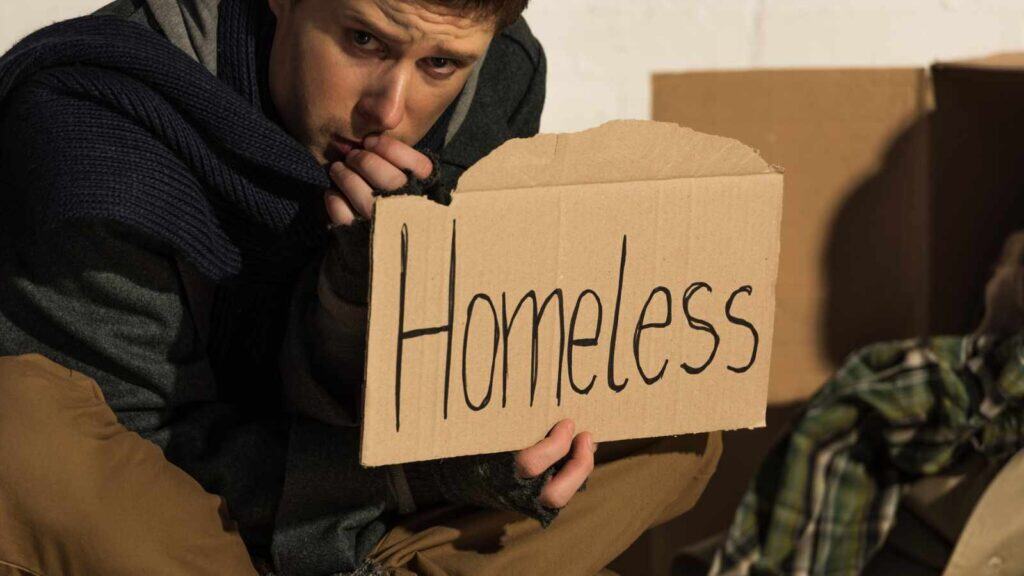
In several U.S. cities, you can be fined for handing out food to homeless people in public spaces without a permit or approved location. The New York Times reports that in Houston, for example, volunteers with Food Not Bombs have faced dozens of citations, each carrying a potential $500 fine, for serving free meals outside a public library in violation of a city ordinance.
Similar controversies have erupted in Florida and California, where nonprofits and religious groups have been threatened with fines or prosecution for outdoor food distribution. Critics argue that punishing people for offering food “criminalizes compassion,” while cities claim they’re managing sanitation, crowding, or zoning.
Feeding Pigeons or Ducks in Certain Cities

Tossing bread to birds seems harmless, but in some U.S. municipalities, it can get you ticketed. In several Arizona cities, including Phoenix and Mesa, ordinances make it illegal to feed feral pigeons, with fines that can reach up to $2,500 in Phoenix for repeat offenses, according to Billstermite.
Scottsdale can fine people up to $750 for feeding geese, ducks, or pigeons in public parks, and other cities have similar rules targeting bird‑feeding in specific areas. Officials cite droppings, disease, and nuisance complaints; to residents and tourists, it can feel bizarre that sharing a crust of bread with a duck is a regulated offense.
“Aiding and Abetting” Homeless Encampments

In 2025, Fremont, California, passed an ordinance imposing penalties of up to $1,000 and up to 6 months in jail for people who “aid and abet” homeless encampments by providing items such as tents or structures on city property. City officials later stressed that basic charity, like giving food or clothing, was not intended to be penalized, but civil rights groups call the law unprecedented.
An attorney with the ACLU of Northern California noted it was the first ordinance they had seen that explicitly criminalized “aiding and abetting” in this context, raising concerns about punishing people for trying to help. To many residents, the idea that your kindness could be categorized as an offense is hard to square with common sense.
Not Filling Out the Census

Ignoring the U.S. census form may feel like no big deal, but federal law technically allows fines for not responding. Under Title 13 of the U.S. Code, failure to answer census questions can be punished by a fine, and updates to federal sentencing law mean it can go up to $5,000.
Guides from outlets like Money and the ACLU note that, while actual enforcement is rare, the legal authority is real: not responding or deliberately providing false information is against federal law. For people who see the census as just another piece of junk mail, the idea of a multi‑thousand‑dollar penalty can feel wildly disproportionate.
Leaving a Shopping Cart Out of the Corral (in Some Towns)
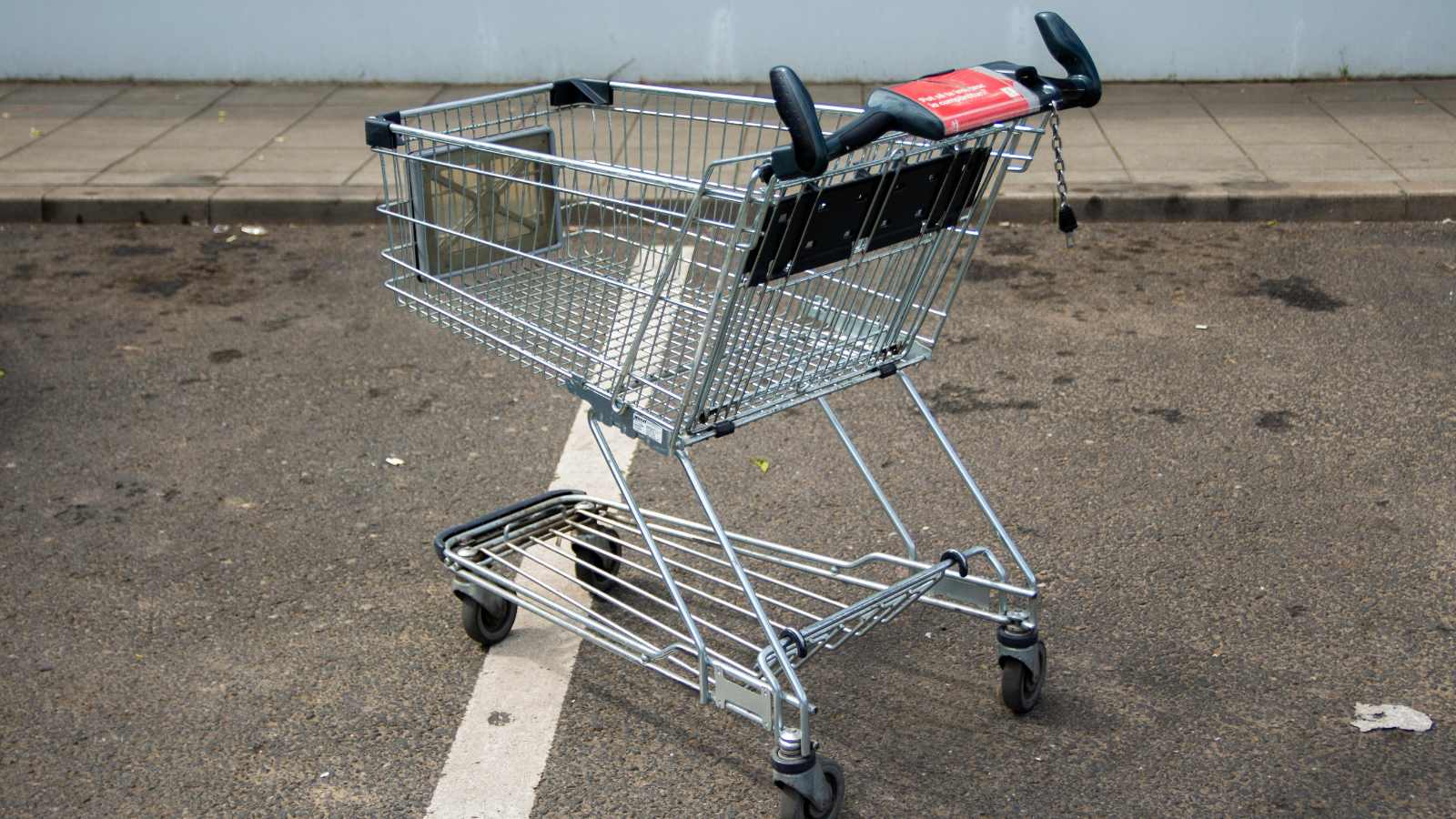
Some U.S. municipalities and homeowner associations have rules that allow fines for abandoned shopping carts or failing to return them to designated areas. Although enforcement varies, property‑maintenance codes can treat stray carts as blight or public nuisances, and the resulting citations end up on store owners or occasionally individuals caught wheeling carts off property.
Research on local code enforcement shows that these kinds of minor infractions are often lumped into broader “public nuisance” categories, with fine schedules that can escalate quickly. While the goal is tidier streets and parking lots, many shoppers are surprised to learn that a lazy cart drop can, in some places, become a ticketable offense.
Having the Wrong Kind of Bird Feeder

In cities with strict no‑feeding‑pigeons rules, even a regular backyard bird feeder can get you into trouble if it attracts the “wrong” species. Mesa, Arizona, passed a law in 2019 banning feeding feral pigeons and doves on both public and private property, unless feeders are specifically designed to keep those birds out.
Code‑compliance officers in Mesa and nearby cities can issue fines of several hundred dollars for violations, sometimes after neighbor complaints. To a backyard bird lover, the idea that which species show up at your feeder could determine whether you’re fined feels like overkill.
Putting Out Trash on the Wrong Day or in the Wrong Container

Many U.S. cities have detailed rules about when and how you can put out waste and recycling, and violating them can bring fines. Municipal codes often specify the exact hours bins may be on the curb, the type of container allowed, and what can go inside.
While the logic is to reduce litter, pests, and contamination, residents sometimes find themselves ticketed for rolling bins out a few hours early, mixing recycling, or using an unofficial container. These small violations can carry penalties that feel out of proportion to the “harm,” especially when enforcement is inconsistent across neighborhoods.
Parking Facing the “Wrong” Direction on a Residential Street

In many jurisdictions, parking against the flow of traffic, so your car faces the opposite way from the lane you used, is technically a ticketable offense. Laws often treat it as improper parking or an unsafe maneuver, even on quiet residential streets.
Traffic‑safety experts argue that parking in the wrong direction often involves crossing lanes unpredictably, but to many drivers, it feels like a harmless convenience. Code‑enforcement and police‑department FAQs show it as a routine citation category, surprising out‑of‑state visitors who had no idea they could be fined for the way their car is pointed.
Swearing or “Using Profane Language” in Public (Depending on the State)

Some states and cities still have old statutes on the books that allow fines for “disorderly conduct” or “profane language” in public, especially if someone complains. Civil‑liberties groups regularly challenge these laws as vague and potentially unconstitutional, arguing they criminalize speech that should be protected.
Legal overviews note that while many of these fines are rarely enforced, they can still be used selectively in disputes, turning everyday arguments or off‑color language into ticketable offenses. To people who assume free speech covers anything short of threats, getting cited for cursing in earshot of others can feel absurd.
Jaywalking on an Empty Street

Jaywalking, crossing outside of a crosswalk or against the signal, remains a finable offense in many U.S. cities, even when streets are empty. Pedestrian‑safety advocates argue that enforcement often targets low‑income communities and people of color, while doing little to reduce serious crashes compared to changes in road design and driver behavior.
Some states, like California, have recently relaxed jaywalking enforcement, allowing police to ticket only when there’s an immediate danger. Others still treat it as a standard infraction, with fines that can climb once court fees are added. For people crossing a quiet road at night, the idea of paying over a hundred dollars can seem wildly out of step with the risk.
Parking at an Expired Meter a Few Minutes Over

Technically, parking one minute past a paid‑meter time can earn you a ticket in many cities. Urban‑policy research notes that parking fines are a significant revenue source for some municipalities, and strict enforcement is common in busy downtowns.
While paying for the time you use makes sense, many drivers view tickets issued within minutes of expiry as predatory, especially when hourly rates and fines are both high. For someone running late, leaving a doctor’s appointment or corralling kids, a sizable fine for a tiny overstay often feels more like a “gotcha” than a safety measure.
Hanging the Wrong Kind of Sign in Your Own Yard or Window

Local zoning and sign ordinances can restrict everything from the size of a “For Sale” sign to the number of political signs you can display, with fines for violations. Homeowners sometimes learn the hard way that their neighborhood or city limits window signs, flags, or even small business ads on their own property.
Legal guides on municipal codes explain that these rules are justified as protecting property values and reducing visual clutter, but they can raise free‑speech concerns and uneven enforcement. To residents, a fine for an extra yard sign often feels like micromanagement rather than meaningful regulation.
Keeping a Car Parked in One Spot Too Long, Even if It’s Legal

In some cities, you can be fined or have your car towed simply for leaving it parked for more than a set number of hours or days, 48 or 72 is common, even if it’s legally parked and registered. These “abandoned vehicle” rules are aimed at removing derelict cars, but they can snare people who travel, use public transit heavily, or own extra vehicles.
Municipal‑code summaries show that enforcement often relies on neighbor complaints or routine patrols, with citations issued before towing. For someone who thought leaving a car in front of their own home was harmless, a ticket or tow bill can be a nasty surprise.
Letting Grass or Weeds Grow Too High

Many American towns have “nuisance vegetation” ordinances that set maximum heights for grass and weeds, and allow fines if you don’t mow. Chicago’s weed ordinance requires property owners to keep all weeds on the property under ten inches tall. Enforcement usually ramps up after neighbor complaints, and repeated violations can lead to escalating penalties or even liens.
City code summaries describe these rules as necessary for pest control and neighborhood appearance, but critics say they can punish people who are ill, elderly, or struggling financially. For someone who thinks of tall grass as a harmless mess, or even a wildlife‑friendly yard, the prospect of a fine for not mowing feels like overreach.
Disclosure line: This article was developed with the assistance of AI and was subsequently reviewed, revised, and approved by our editorial team.
20 Odd American Traditions That Confuse the Rest of the World

20 Odd American Traditions That Confuse the Rest of the World
It’s no surprise that cultures worldwide have their own unique customs and traditions, but some of America’s most beloved habits can seem downright strange to outsiders.
Many American traditions may seem odd or even bizarre to people from other countries. Here are twenty of the strangest American traditions that confuse the rest of the world.
20 of the Worst American Tourist Attractions, Ranked in Order

20 of the Worst American Tourist Attractions, Ranked in Order
If you’ve found yourself here, it’s likely because you’re on a noble quest for the worst of the worst—the crème de la crème of the most underwhelming and downright disappointing tourist traps America offers. Maybe you’re looking to avoid common pitfalls, or perhaps just a connoisseur of the hilariously bad.
Whatever the reason, here is a list that’s sure to entertain, if not educate. Hold onto the hats and explore the ranking, in sequential order, of the 20 worst American tourist attractions.