13 ways economic, political, and social stress are shaping Americans’ outlook
America’s mood is not being shaped in marble halls or campaign speeches. It is being shaped at the checkout counter, in the rent reminder, inside the medical bill, under the glow of another breaking-news alert, and in that tired little thought many people carry now: How much harder is tomorrow going to be?
Gallup found that Americans entered 2026 expecting trouble across most of the 13 economic, political, and global areas it tracks, with the stock market standing as the rare bright spot, since 55% expected it to rise.
Pew Research Center also found that 72% of U.S. adults rated the economy as only fair or poor in early 2026, while just 28% called it excellent or good. That is not casual complaining. That is a country reading the future through bills, distrust, delayed plans, and a calendar full of dreams people keep pushing to “someday.”
The pressure is showing up everywhere ordinary life happens. Gallup reported that 60% of Americans worry a great deal about the economy, 59% about health care costs, 56% about inflation, and 52% about Social Security.
The American Psychological Association’s 2025 stress survey found that 54% of adults felt isolated and 50% felt left out, which means the national mood is not just about money. It is emotional, social, and civic too. People are not watching the storm from a safe porch. They are trying to budget, vote, work, parent, save, stay connected, and keep their nerves steady while the storm continues to move through the house.
Americans Expect 2026 to Be a Rough Year
Americans are bracing for a year that feels less like a clean reset and more like another round of pressure. Gallup’s 2026 outlook survey found that majorities predicted negative outcomes across most of the 13 areas it tracks, including prices, taxes, political cooperation, employment, crime, international disputes, and economic prosperity.
The only majority-positive prediction was the stock market, with 55% expecting it to rise, which says a lot about the split between Wall Street hope and kitchen-table anxiety. Gallup also noted that positive expectations fell by 11 to 18 points from a year earlier on key issues such as employment, taxes, prices, political cooperation, and economic prosperity.
That kind of broad pessimism does not come from one bad headline. It comes from years of watching “normal” life become harder to plan.
Pocketbook Worries Dominate the Mental Load
Money worries are sitting atop the national mood like a heavy coat nobody can take off. Gallup’s 2025 worry survey found that the economy, health care costs, inflation, federal spending, and Social Security ranked as the top concerns, with 60% worrying a great deal about the economy and 59% about health care costs.
Pew’s May 2026 survey sharpened the picture: 73% of adults called health care affordability a very big national problem, 66% said the same about inflation, and 64% named the federal budget deficit.
These are not abstract policy categories to most households. They are prescriptions, grocery runs, rent checks, insurance premiums, and the fear that retirement may turn into a math problem no one prepared them for. The country’s outlook gets darker when people feel every bill has a trapdoor under it.
Most People Think the Economy Is Still in Bad Shape
The economy can produce decent-looking charts and still make people living inside the numbers feel bad. Pew Research Center found in February 2026 that 72% of Americans rated current economic conditions as only fair or poor, and just 28% described them as excellent or good.
Pew also reported that 52% said President Donald Trump’s economic policies in his second term had made conditions worse, while 28% said they had made things better and 19% saw little effect. That is more than a partisan scoreboard. It shows how deeply economic frustration is coloring people’s view of leadership, competence, and the future.
For many Americans, “the economy” is not GDP or a stock chart. It is the moment at checkout when a small basket costs too much, or the sinking feeling when a raise disappears into higher bills before it can become progress.
Many Feel Their Personal Finances Are Going Backward
Personal finances are where national stress becomes private panic. Rula’s 2026 mental health report found that 34% of Americans experience high financial worry on a daily or weekly basis, 50% have cut back on therapy, gym, or personal health spending because of rising costs, and 54% feel exhausted from trying to stretch their finances.
Yale’s research on economic insecurity gives that pressure a political meaning too, concluding that “economic insecurity systematically and substantially affects citizens’ attitudes toward government’s role.” That line matters because money stress does not stay politely in the wallet.
It changes what people expect from leaders, how much trust they have in institutions, and how much patience they have left for promises. When a family feels one emergency away from sliding backward, optimism feels like a luxury.
Money Stress Is Bleeding Into Mental Health
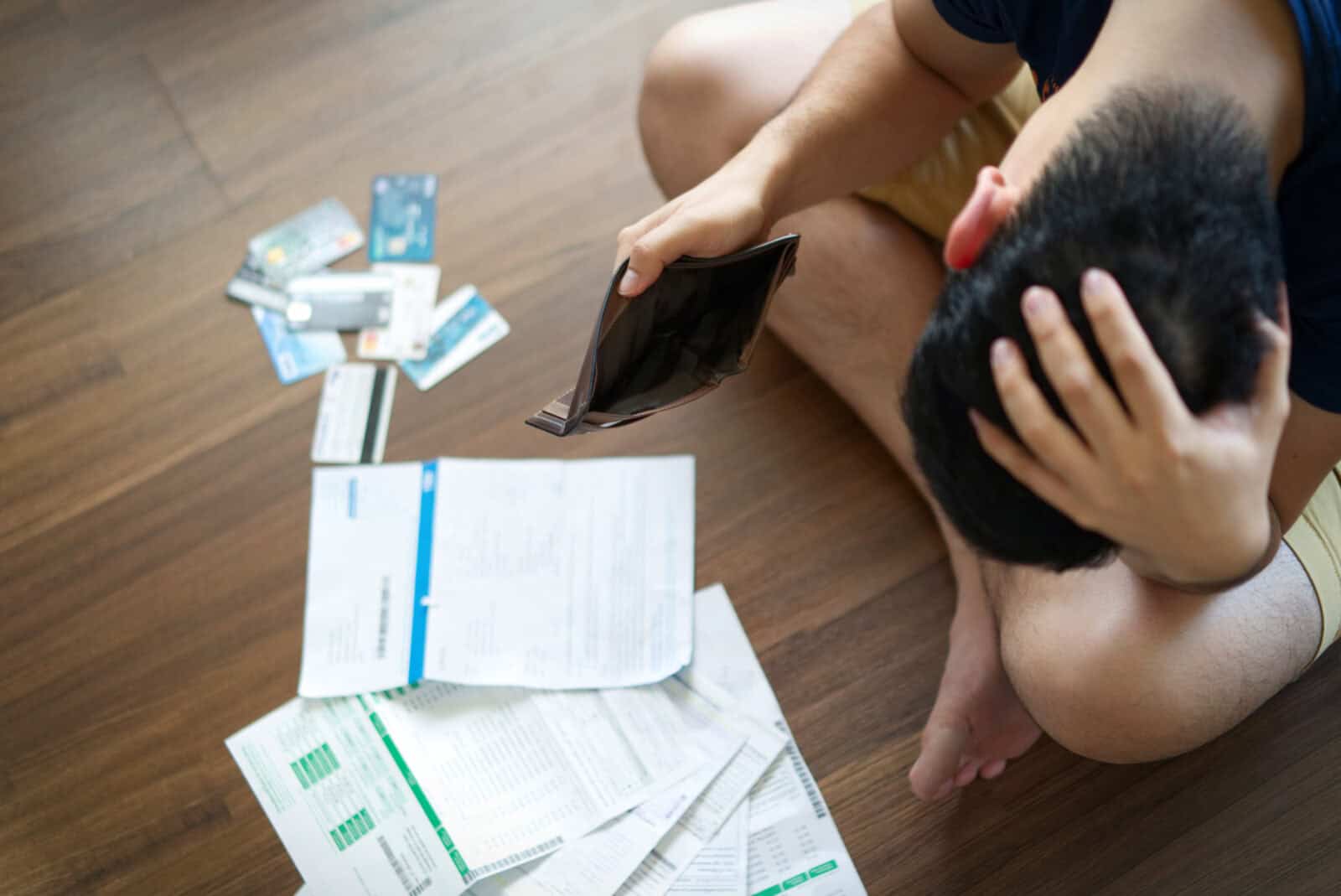
Financial anxiety is not just a practical problem. It can become a body problem, a sleep problem, a relationship problem, and a mood problem. A 2022 study of U.S. adults in SSM Population Health found that financial worries were associated with psychological distress, and the connection varied by gender and marital status.
Rula’s 2026 data adds a fresh layer: 34% report high financial worry, 50% cut back on health-related services, and access to mental health services slips even as demand rises. That is the cruel loop: stress increases the need for support, and rising costs push support further out of reach.
People may skip therapy, delay care, cancel a gym membership, or swallow anxiety because the copay feels like one bill too many. The mind keeps the receipt, even when the budget cannot.
Politics Feels Like a Source of Stress, Not Solutions

Politics is supposed to be where public problems get worked through, but many Americans now experience it as another stress machine. Marist’s February 2026 State of the Union poll found that 57% of Americans said the state of the union was not very strong or not strong at all, and more than seven in 10 said U.S. democracy was in jeopardy.
The Guardian’s summary of an NPR/PBS News/Marist poll reported that 55% of adults believed Trump was moving the country in the wrong direction during his second term, a 13-point increase from a similar point in his first term.
Confidence in checks and balances also slipped from 43% in March 2025 to 32%. That is the emotional cost of political exhaustion: people watch problems grow, then watch leaders fight over the microphone.
Trust in Democracy and Institutions Is Sliding

The deeper concern is not only distrust of one leader or one party. It is the feeling that the system itself may no longer respond to ordinary people with speed, fairness, or honesty. Pew reported in January 2026 that only 27% of Americans supported all or most of Trump’s policies and plans, down from 35% when he returned to office, and that his approval stood at 37%.
A University of Chicago summary of a major PNAS study adds the wider warning: “economic inequality is one of the strongest predictors of where and when democracy erodes.” That connection is not hard to understand.
When people believe the wealthy get influence, corporations get access, and regular voters get excuses, trust starts to rot from the inside. Democracy depends on the belief that participation matters. Stress eats that belief one disappointment at a time.
Social Disconnection Is Becoming a Defining Feeling

The national mood is lonely in a way that shows up far beyond politics. APA’s 2025 Stress in America survey found that 54% of adults felt isolated, 50% felt left out, and many lacked the companionship or close relationships that help people absorb hard times.
APA CEO Arthur C. Evans Jr., PhD, said, “This year’s findings show that people across the nation are not just feeling divided, they’re feeling disconnected.” That quote lands because it names something many people feel but rarely say out loud. Economic strain can make people cancel plans.
Political tension can make family dinners feel loaded. Long work hours, high costs, and online conflict can pull people away from real community. When social support thins out, every bill, headline, and argument feels heavier. A country can be crowded and still feel alone.
Culture Is Tilting Toward Cynicism and Individual Survival
When people feel squeezed long enough, culture shifts from “we can fix this” to “protect yourself.” APA’s 2025 stress data shows high levels of isolation and social discord, while Yale’s economic insecurity research found that economic worries and shocks make citizens more responsive to policies that buffer risk.
That is the public mood turning practical, defensive, and suspicious all at once. People cut back, avoid big plans, delay major purchases, question institutions, and grow less patient with advice that sounds like blame.
It becomes easier to believe everyone is on their own, especially when the cost of health care, housing, food, and child care keeps rising faster than peace of mind. This survival mindset may look like cynicism, but often it is wounded realism. People have lower expectations, so disappointment has less room to hit them.
Young Adults See the Middle-Class Dream as Slipping Away

Younger adults are looking at the old middle-class checklist and wondering who moved the price tags. A New York Times/Siena poll summary reported that majorities of voters lacked confidence in their ability to pay for housing, retirement, and health care, and that concerns about education, housing, health care, family formation, and retirement are driving economic anxiety.
Brookings also found that one-third of middle-class families struggle to afford basic necessities such as food, housing, and child care. That helps explain why many younger adults delay marriage, children, homeownership, career changes, and even medical care.
Their outlook is shaped by a rough discovery: hard work may still matter, but it no longer guarantees the life script many were sold. The dream has not disappeared. It has become more expensive, more delayed, and less evenly available.
People Are Changing How They Spend, Save, and Plan

Stress changes behavior before it changes speeches. SSRS tracking in 2025 found that financial uncertainty leads Americans to postpone purchases, reduce discretionary spending, and make more cautious money choices.
YouGov’s 2026 spending and budgeting data found that 53% of Americans had set a budget for 2026, up from 46% in 2025, while 34% expected their finances to improve and 28% expected them to worsen. Bankrate’s 2026 emergency savings report found that 54% of Americans are saving less for emergencies because of inflation or rising prices.
Put those numbers together, and the outlook becomes easy to read: people are trying to regain control, but the room to move is shrinking. They switch brands, skip trips, delay repairs, cut dining out, stretch paychecks, and call that “being responsible,” even when it feels like living smaller.
Stress Is Rewriting What People Expect from Government
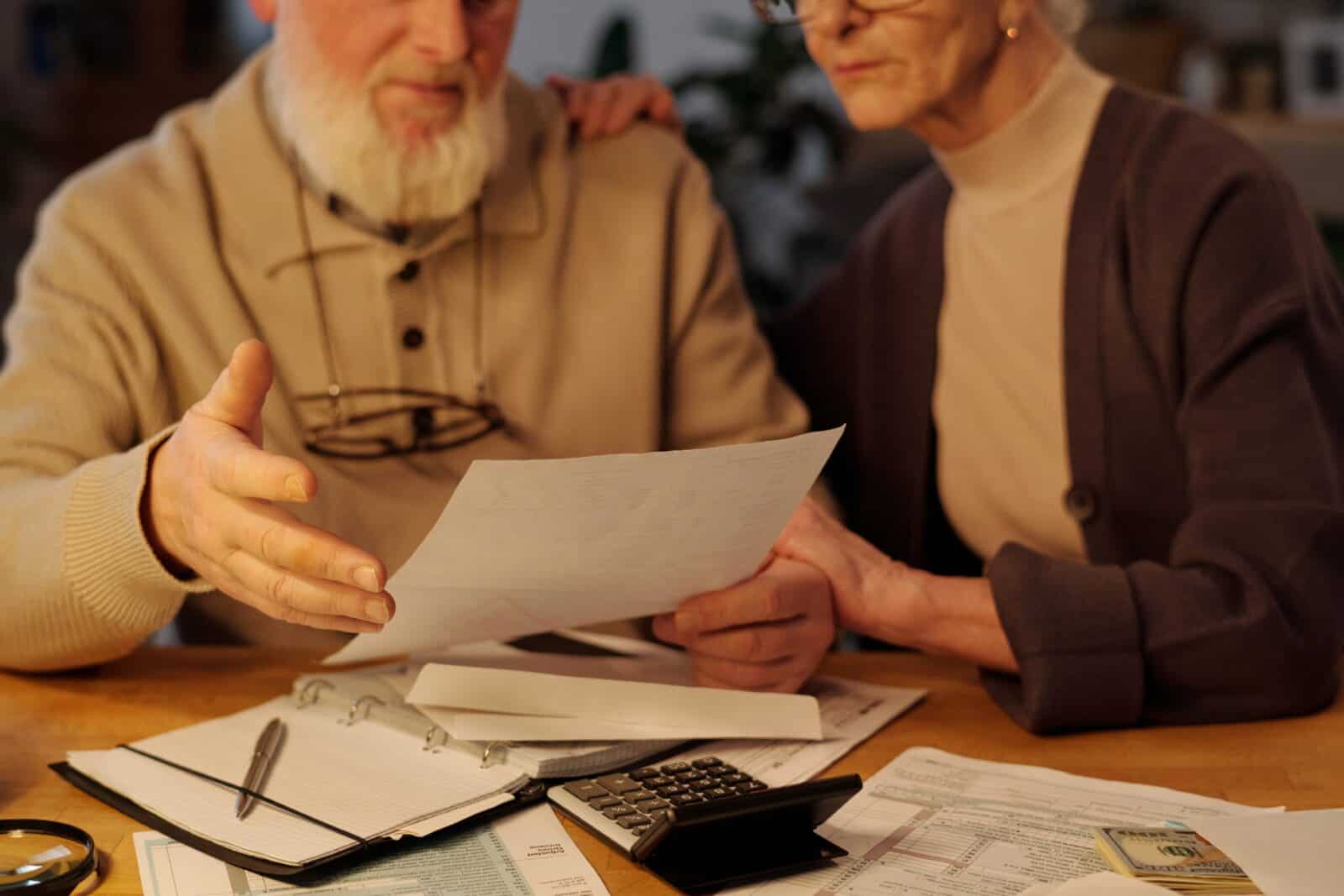
Economic and social stress are reshaping what Americans want from government, because anxiety eventually becomes a policy demand. Yale’s study found that economic worries and shocks increase support for government policies that buffer risks such as job loss, medical expenses, and family caregiving.
Gallup’s 2025 worry survey points in the same direction, with the economy, health care costs, inflation, federal spending, and Social Security among the top national concerns. Pew’s 2026 data shows 73% call health care affordability a very big national problem, while 66% say the same about inflation.
People are not just asking for inspiration. They are asking for stability. They want systems that make rent, health care, retirement, groceries, and child care feel less like a monthly cliff. If leaders cannot deliver that, stress turns into anger, and anger looks for louder answers.
Outlook Is Darker, But Not Uniformly Hopeless

The mood is anxious, but not a single flat shade of despair. Gallup’s January 2026 outlook survey showed broad pessimism across most of the 13 areas it tracks, yet 55% still expected the stock market to rise.
Gallup’s February 2026 economic expectations survey also reported that Americans expected economic growth and stock-market gains, even as they remained worried about wider political and global issues.
YouGov found that 34% of U.S. adults expected their personal finances to improve in 2026, while 28% expected them to worsen. That split reveals two Americas living under the same headlines.
One has enough cushion to believe the turbulence may pass. Another is close enough to the edge that every new bill feels like proof the future is getting smaller. The outlook is darker because stress is real, but hope is still flickering in households that can see even a little path forward.
A Short Reflective Close

Americans are not simply gloomy for sport. They are reading the country through lived evidence: higher bills, weaker trust, delayed goals, strained relationships, and a social fabric that feels thinner than it used to.
The danger is not just that people feel stressed. The danger is that stress can teach people to expect less, trust less, plan less, and retreat more. But the same numbers also point toward what people are asking for: steadier costs, stronger care systems, cleaner politics, healthier communities, and a future that does not feel like a warning label.
If the national mood sounds tired, maybe the better question is not why people are so negative. Maybe it is what keeps ordinary life feeling so hard.
Key Takeaways
- Gallup found Americans entered 2026 expecting negative outcomes across most of the 13 economic, political, and global areas it tracks.
- Pew reported that 72% of U.S. adults rated the economy as only fair or poor in early 2026.
- Gallup found that 60% worry a great deal about the economy, 59% about health care costs, 56% about inflation, and 52% about Social Security.
- APA found that 54% of adults felt isolated and 50% felt left out, showing that stress is also social and emotional.
- Rula’s 2026 report found that 34% of Americans experience high financial worry and 50% have cut back on health-related services due to rising costs.
Disclaimer – This list is solely the author’s opinion based on research and publicly available information. It is not intended to be professional advice.
Like our content? Be sure to follow us