12 signs America’s class divide is growing bigger than ever
For generations, the American Dream followed a familiar path. Work hard, earn a steady income, buy a home, support a family, and build a comfortable life through dedication and persistence.
But for many Americans today, that path feels harder to reach. The divide is no longer just about money; it shows up in where people can afford to live, what opportunities they can access, and how secure their future feels.
Across the country, many workers are asking the same question: why does building a normal life seem harder than it was before? This growing divide is visible in everyday choices, from housing to careers and financial security.
A CBS News analysis of Federal Reserve data found that the U.S. wealth gap has reached its widest point in decades, highlighting how financial gains have become increasingly concentrated among wealthier households.
A Home Became a Symbol of Who Can Get Ahead

Owning a home was once viewed as one of the clearest signs of reaching the middle class. For many families, it represented stability, independence, and a reward for years of hard work.
Today, buying a home feels increasingly difficult for many workers. Rising prices, higher interest rates, and limited affordable options have changed what many people consider realistic, with a U.S. Department of the Treasury analysis confirming that rising housing costs have made affordability a growing challenge for many households.
The result is a growing gap between those who already own property and those still trying to enter the market. For some Americans, homeownership continues to build wealth, while others feel permanently stuck renting.
The Same Paycheck Does Not Buy the Same Life Anymore

A salary that once provided comfort can feel very different depending on where someone lives. Housing, transportation, healthcare, and everyday expenses can completely change how far an income goes.
Statista’s cost-of-living data confirm that expenses vary significantly across locations, showing why the same paycheck can create very different financial realities. Two people earning similar amounts can experience completely different lifestyles based on their location and financial responsibilities.
One person may be saving for the future, while another is simply trying to cover monthly expenses. This difference creates a new reality in which income alone does not always guarantee financial security.
The Workers America Depends On Feel the Pressure

Many of the people who keep communities running are facing some of the biggest financial challenges. Teachers, childcare workers, service employees, healthcare workers, and other essential workers often struggle with rising costs.
These jobs are necessary for everyday life, yet many workers in these fields feel that their income does not match the cost of living around them.
This creates a difficult contradiction. A community can depend on certain workers while making it harder for those same people to afford living there.
The Middle Class Has Less Room for Mistakes

For many families, financial stability depends on everything going right. A sudden medical expense, job loss, or major repair can quickly create serious pressure. Pew Research Center’s 2024 analysis of the American middle class confirms that many middle-income Americans feel less financially secure as economic pressures continue to shape their daily lives.
Unexpected setbacks can now have longer-lasting effects because many households have fewer savings and fewer resources to fall back on. A single emergency can force families to delay major goals, take on debt, or rethink their financial plans.
This does not mean people are failing to plan. Many families are simply facing an economy where one unexpected event can change their entire financial situation.
Where You Live Can Shape Your Future
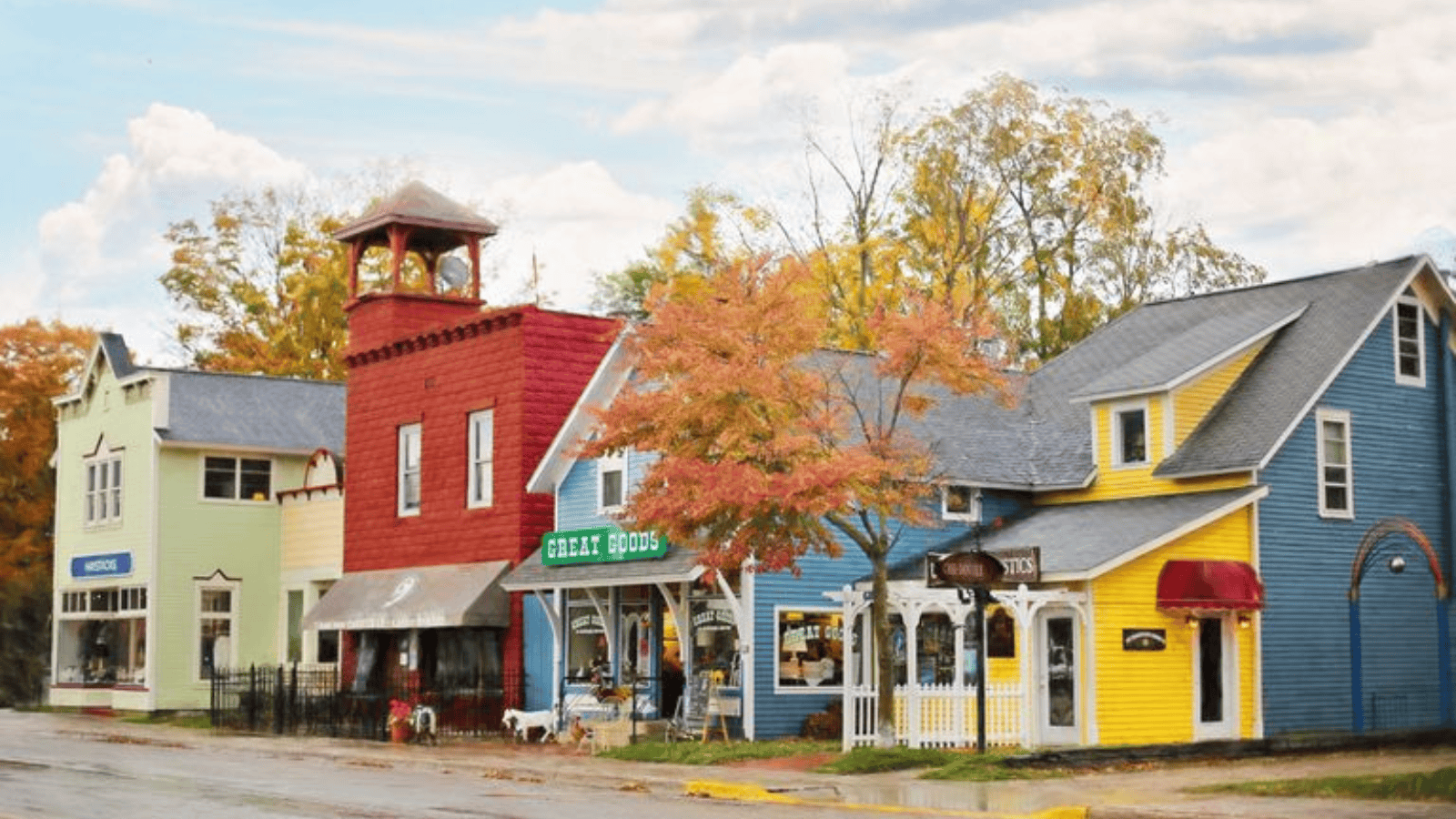
Location has always influenced opportunities, but the difference has become more noticeable. The neighborhood someone grows up in can affect schools, jobs, transportation, and access to resources.
Some communities offer more pathways to success, while others create barriers that are difficult to overcome. This means two people with the same motivation can face very different starting points.
The class divide is not only about income. It is also about the opportunities available before someone even enters the workforce.
Education Creates Opportunity and Debt at the Same Time

Education has long been viewed as one of the strongest paths toward financial success. Many people were encouraged to earn degrees because they believed more education would lead to better jobs and greater stability.
However, the cost of reaching that goal has changed the experience for many families. Research published in the Economics of Education Review highlights how student debt can affect graduates’ financial decisions and delay important life milestones, showing the long-term impact of education costs.
This creates another layer in the class divide. While education can open doors, the ability to afford it and manage the financial burden afterward can depend heavily on someone’s background.
Wealth Creates Advantages That Are Hard to Catch Up With
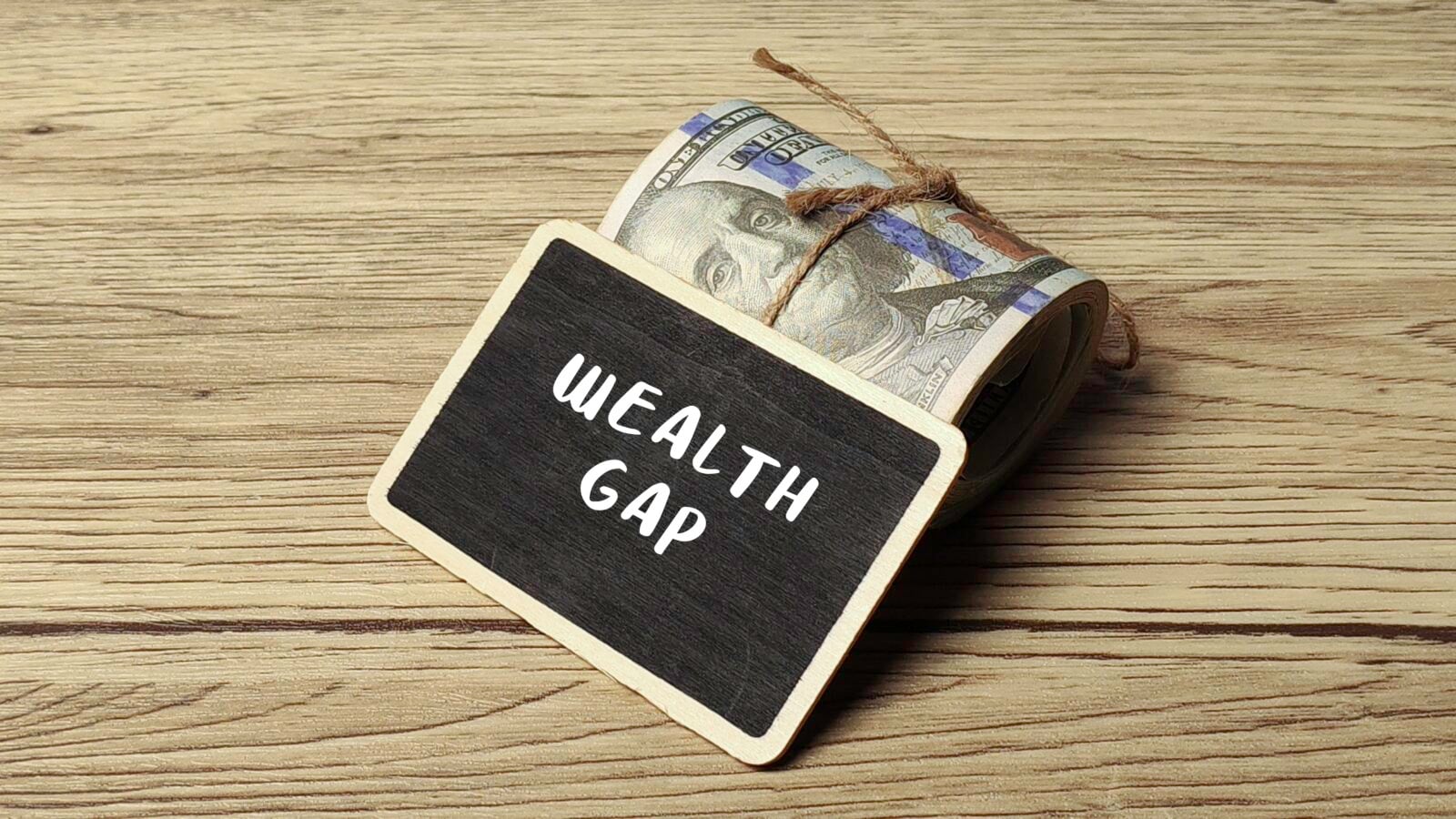
Building wealth often depends on more than income alone. People who own homes, have investments, or receive financial support from family may have opportunities that others cannot easily access.
These advantages can grow over time. A person with existing assets may be able to handle emergencies, invest in the future, or take career risks more easily.
For those starting without that support, every financial decision can require more caution. The difference between having a safety net and building one from scratch continues to shape people’s experiences.
Younger Generations Face a Different Financial Reality

Many younger Americans are entering adulthood during a very different economic period. Higher housing costs, rising expenses, and changing job expectations have affected how they plan their futures.
Milestones that once felt normal, such as buying a home or starting a family, are happening later for many people. Some are delaying these goals because they want more financial stability first.
This has created frustration between generations. Younger workers often feel they are working toward goals that were easier to achieve in previous decades.
Good Jobs Are Becoming Harder to Reach

A strong career has traditionally been one of the main ways people moved into the middle class. But changes in industries, technology, and employment patterns have transformed many traditional career paths.
Some workers now face more temporary positions, fewer benefits, or the need to constantly learn new skills to stay competitive.
The divide is becoming clearer between those who have access to stable opportunities and those who must constantly adapt just to maintain financial security.
Lifestyle Differences Are Becoming Impossible to Ignore

The class divide is not only visible through bank accounts. It can also be seen in everyday choices, from vacations and housing to healthcare decisions and retirement plans.
Social media has made these differences even more noticeable. A study published in the journal Cities found that digital platforms can influence how people perceive social and economic differences, showing how online comparisons can shape views of inequality and opportunity.
For many Americans, the biggest question is not about luxury. It is about why a comfortable, ordinary life feels harder to achieve than before.
The American Dream Is Being Redefined

The idea of the American Dream has always been connected to opportunity and progress. For many generations, people believed hard work could create a better future for themselves and their families.
Today, that dream is changing. Some people still achieve traditional success, while others are redefining success around flexibility, stability, and having control over their lives.
America’s class divide is growing more visible because people are experiencing the economy in different ways. The question many are asking is not whether the dream exists, but who can still realistically reach it.
Disclaimer – This list is solely the author’s opinion based on research and publicly available information. It is not intended to be professional advice.
You May Also Like: 10 Things That Have Become Financial Nightmares for Middle-Class Families
Like our content? Be sure to follow us