Young adults are being priced out of homeownership in most U.S. metro areas
For millions of young Americans, the first home is no longer just expensive. It feels mathematically out of reach.
That is the bigger story behind the latest housing affordability data. The problem is not only that home prices rose quickly, or that mortgage rates climbed, or that paychecks failed to keep pace. It is that all of those pressures arrived together, turning homeownership from a difficult milestone into a locked door in many parts of the country.
The result is a widening gap between what young adults still want and what the housing market will allow them to do. Many people under 40 are not abandoning the dream of owning a home out of disinterest. They are watching the numbers and realizing that the path that worked for older generations no longer works for them.
The First Home Is Becoming the Hardest Step

Homeownership has always required sacrifice. Young buyers have long had to save, compromise on location, accept smaller homes, or stretch their budgets. What has changed is the size of the stretch.
In many metro areas, a typical young adult’s income no longer covers the mortgage payment on a median-priced home without exceeding standard affordability limits.
According to Pew Research, inflation‑adjusted median home values rose about 30% between 2019 and 2024 (from roughly 269,600 to 350,000 USD). Once monthly housing costs climb far beyond that line, the purchase becomes risky or impossible for many households.
That is what makes today’s market so punishing. A young buyer may have a stable job, decent credit, and a serious savings plan, yet still fall short because the target keeps moving.
This is not simply a story about impatience or poor budgeting. It is a story about a housing market that has moved faster than young incomes.
The Numbers Show a Generational Squeeze

The clearest sign of strain is showing up in homeownership rates.
Households headed by adults under 30 remain far less likely to own homes than older Americans, and recent data show their progress has stalled or slipped in key years. The homeownership rate for this group is about 36%, leaving young adults far behind older age groups that have benefited from earlier access to cheaper homes, lower mortgage rates, and years of accumulated equity.
That matters because homeownership is not only about having a place to live. For many American families, it has been the main engine of wealth-building. A home can act as forced savings, a hedge against rent increases, and an asset that grows over time.
When young adults buy later, they do not merely delay moving day. They delay years of equity growth. Delay marriage, children, relocation decisions, business formation, or retirement savings. Housing pressure quietly reshapes the rest of adult life.
The emotional side is just as important. That gap between aspiration and access is why the issue has become so politically and culturally charged.
Why Metro Areas Feel Especially Brutal
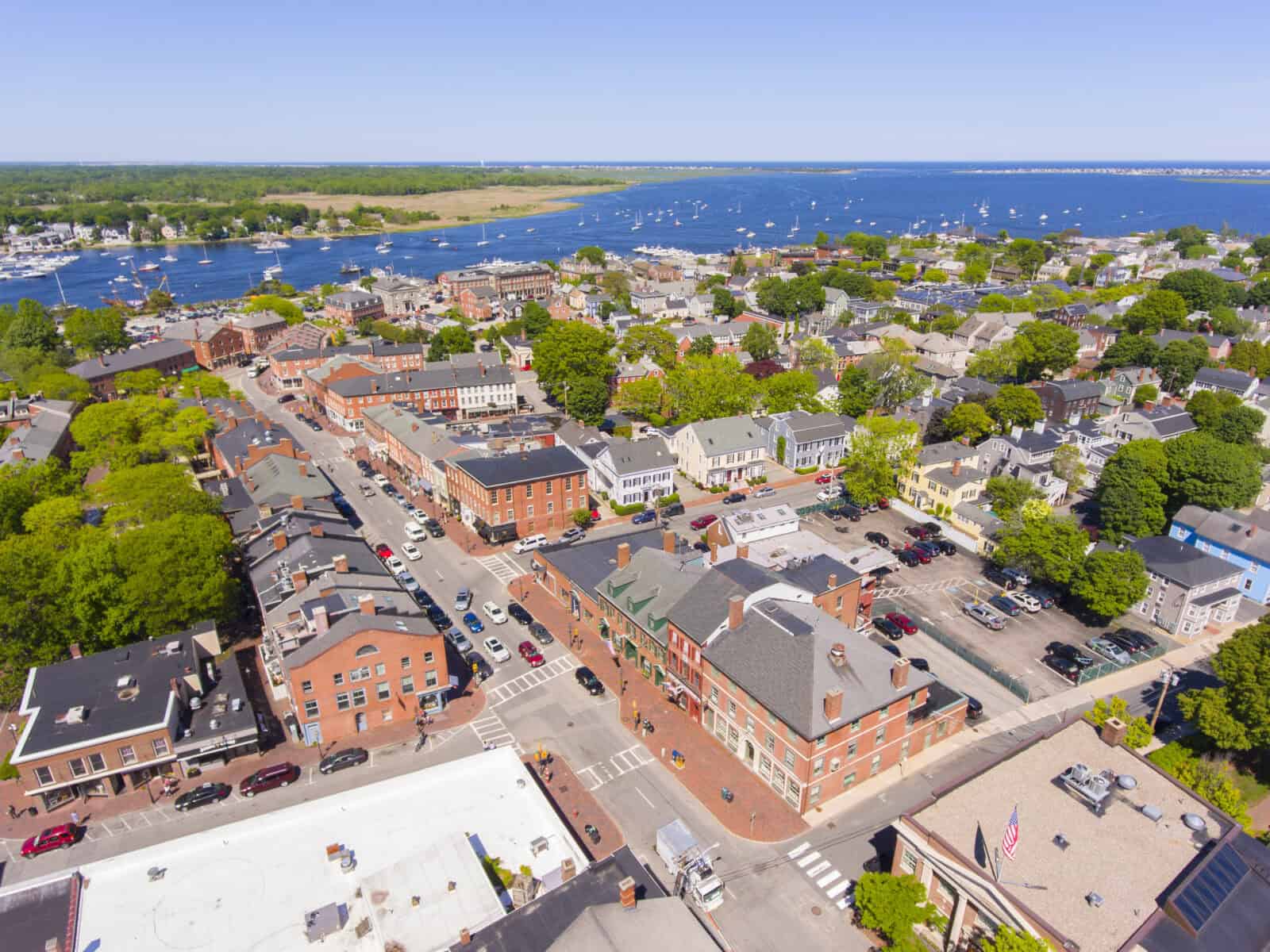
The affordability crisis is not evenly distributed. Some smaller cities and parts of the Midwest and South remain more accessible than high-cost coastal metros. But the latest metro-level research shows that buying has become harder for young adults in most U.S. metro areas since 2019.
That is a major shift because metro areas are where many young adults build careers. They are also where jobs, networks, universities, hospitals, startups, and higher-paying industries are concentrated. The opportunity is often in one place, while the affordable home is somewhere else.
That creates a painful trade-off. Young workers can stay close to employment centers and keep renting. They can move farther out and accept longer commutes. Or they can leave the metro entirely and look for a cheaper market.
None of those choices is simple. Moving away from a jobs-rich region can mean lower pay or fewer career options. Staying can mean spending years paying rent while prices continue to rise. Stretching to buy can leave little room for emergencies, child care, student loans, or retirement contributions.
This is the metro mismatch: the places with the most opportunity are often the places where the entry price is most punishing.
Older Owners Are Not Leaving, and That Matters

One overlooked reason young adults are struggling is that older homeowners are staying put.
Many older Americans own homes with low mortgage rates, paid-down balances, or no mortgage at all. Selling and buying again could mean taking on a much higher rate, higher property taxes, or a smaller home that is still expensive. So they stay.
That decision makes sense for individual homeowners. But collectively, it reduces the number of homes available for younger buyers. It is especially tough in the starter-home segment, where older owners may remain in smaller single-family homes that first-time buyers would normally target.
This creates a quiet generational bottleneck. Older owners are not necessarily competing aggressively at open houses, but their decision not to sell keeps supply tight. Young buyers then face fewer listings, more competition, and higher prices.
The market is not broken because one group did something wrong. It is strained because every group is responding rationally to a difficult set of incentives.
The “Bank of Mom and Dad” Is Changing the Rules

As affordability declines, family finances are playing a bigger role.
For young adults who receive help with a down payment, homeownership may still be possible. For those without that support, the same market can feel unreachable. That divide is turning homeownership into a more unequal milestone.
For some young buyers, family support acts like a shortcut through today’s housing maze, helping them cross the threshold early, start building equity, and ride the wave of rising home values. For others, there is no shortcut at all. Just years spent running in place: rent rising, insurance climbing, groceries and transport steadily chipping away at whatever they manage to save, while the down payment they’re chasing keeps drifting further out of reach.
This is why the crisis feels bigger than housing. It is also about class mobility. If buying a first home increasingly depends on family wealth, then the housing market starts to reinforce inequality rather than helping people climb out of it.
Hard work still matters. Saving still matters. Credit discipline still matters. But in many metros, those virtues are no longer enough on their own.
Higher Rates Turned High Prices Into a Payment Shock

Before mortgage rates rose, high prices were already a problem. After it climbed, the monthly payment became the breaking point.
A home that looked barely affordable can become impossible at a higher price. Buyers do not experience affordability as a listing price on a website. They experience it as a monthly bill that must fit inside a real paycheck.
That is why many young adults feel stuck even when they have saved something for a down payment. The cash needed upfront is only one hurdle. The larger problem is whether the mortgage, taxes, insurance, and maintenance costs can be carried month after month.
Higher rates also created another supply problem. Many existing homeowners are locked into older mortgages with much lower rates. Selling would mean giving up that advantage. So fewer homes hit the market, and young buyers face even less choice.
The housing market has become a trap on both sides: buyers cannot afford the payment, and sellers do not want to give up the rate.
What This Means for the American Dream

Homeownership still carries powerful symbolic weight in the United States, with a national rate of about 65.2%. It represents stability, independence, and a stake in the future. That is why the frustration among young adults is so intense.
They are not just reacting to expensive homes. They are reacting to the feeling that a basic middle-class promise has been rewritten. Earlier generations could often expect that education, work, and saving would eventually lead to a house. Many younger Americans now see a different equation: work hard, earn more, save carefully, and still lose ground.
That does not mean homeownership is dead. Some young buyers are adapting by moving to more affordable regions, buying smaller homes, using assistance programs, living with family longer, or teaming up with partners and relatives. Others are waiting for rates to fall or inventory to improve.
But waiting has its own risks. If prices keep rising, the delay can make the next step harder. If rents stay high, saving becomes slower. If family formation is postponed, the effects ripple into other parts of life.
The housing market is forcing young adults to make adult decisions under conditions they did not create.
The Real Lesson Is Bigger Than One Generation

The pricing out of young adults is not just a youth problem. It is a warning about the entire housing system.
A healthy market needs new buyers. It needs workers to live near jobs. It needs families to move when their needs change. It needs enough homes at enough price points for people to move up, down, and across the ladder.
When the first rung becomes too high, the whole ladder weakens.
The solution will not come from one fix. Lower mortgage rates would help, but they could also bring more buyers back into the market and push prices higher if supply remains tight. Down-payment assistance can help some households, but it cannot solve a shortage of homes. More construction can ease pressure, but zoning, land costs, labor shortages, and local opposition often slow the process.
That is the tension at the center of the story. Young adults need relief now, but the deepest problems took years to build and will take years to unwind.
For now, the message from the data is clear: in most U.S. metro areas, young adults are not simply struggling to buy homes. They are trying to enter a market where the math has changed, the rules feel harsher, and the old timeline for adulthood no longer fits the price tag.
Disclaimer – This list is solely the author’s opinion based on research and publicly available information. It is not intended to be professional advice.
Like our content? Be sure to follow us